Smoking and Its Effects on Ear Health: A Universal Concern

Smoking and Its Effects on Ear Health: A Universal Concern

Last Updated on 14/12/2025 by Admin

Exploring the Connection Between Smoking and Ear Health

How does smoking impact the anatomy of the ear?

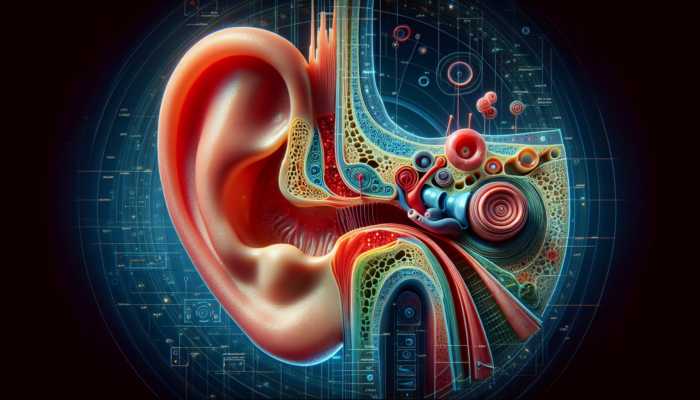
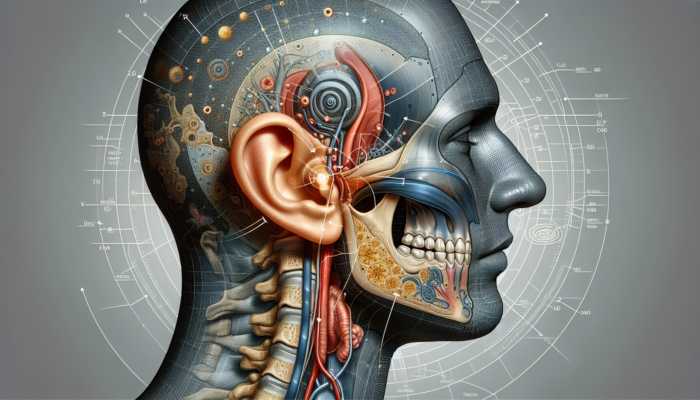
Smoking introduces a multitude of harmful substances into the body, triggering physiological changes that negatively affect the ear’s anatomy. The various structures of the ear, from the outer ear to the inner ear, depend on a steady supply of blood and oxygen for optimal function. When smoking is involved, a number of significant anatomical alterations may take place:

  • Reduced blood flow: Smoking narrows blood vessels, significantly impairing circulation to the ears.
  • Thickened eustachian tube: Chronic smoking can lead to inflammation and thickening of the eustachian tube, which may contribute to a blocked ear and pressure-related issues.
  • Altered inner ear function: The delicate hair cells within the inner ear are highly vulnerable to damage from the toxins found in cigarette smoke.
  • Increased mucus production: Smoking stimulates excessive mucus production, which can obstruct the ear canal and hinder sound transmission.
  • Impaired immune response: Smoking compromises the immune system, rendering the ear more susceptible to infections.

These cumulative changes significantly contribute to the deterioration of auditory health, underscoring the profound effects that smoking has on the complex anatomy of the ears.

What is the role of nicotine in causing ear damage?

Nicotine acts as a powerful vasoconstrictor, which means it narrows blood vessels and diminishes blood flow to various organs, including the ears. This reduction in blood flow ultimately leads to a decreased oxygen supply, which is essential for maintaining the health of inner ear structures. Over time, this can result in hearing loss, establishing nicotine as a crucial factor in smoking-related ear damage.

How does smoking influence the occurrence of ear infections?

Smokers exhibit a significantly higher susceptibility to ear infections compared to non-smokers. This increased vulnerability primarily stems from a weakened immune system and heightened mucus production, which can clog the ear canal and create a breeding ground for infections. The interplay of these factors complicates the ear’s ability to fend off pathogens, resulting in more frequent and severe ear infections among smokers.

What are the effects of secondhand smoke on ear health?

Secondhand smoke presents serious risks not only to smokers but also to the individuals around them, particularly children. Exposure to secondhand smoke can amplify the risk of ear infections and hearing loss. Given that children’s ear structures are still in development, they are particularly susceptible to the harmful effects of secondhand smoke, which can lead to long-term complications in auditory health.

How does smoking cessation contribute to ear health recovery?

Quitting smoking holds the potential to reverse some of the damage inflicted on ear health. Improved blood circulation to the ears promotes healing and may help restore some of the lost auditory function. Additionally, cessation significantly lowers the chances of future ear problems, which provides a compelling incentive for smokers to consider quitting as an essential step toward enhanced ear health.

Insights from Experts on the Impact of Smoking on Ear Health

How can specialists identify ear damage related to smoking?

Specialists can detect smoking-related ear damage through comprehensive examinations and detailed patient histories. They specifically look for signs such as patterns of tinnitus or varying degrees of hearing loss, which are often prevalent among smokers. For example, an audiologist may administer a hearing test and observe a notable decline in high-frequency hearing, typically indicative of damage caused by smoking. Case studies consistently reveal that patients who smoke report higher occurrences of auditory issues, prompting further investigation.

What are the latest findings in research concerning smoking and ear health?

Recent research indicates a robust correlation between smoking and an elevated risk of hearing loss. Studies reveal that smokers are approximately 1.5 times more likely to encounter hearing difficulties compared to non-smokers. Expert analyses suggest that the toxic chemicals present in tobacco smoke can induce oxidative stress in the auditory system, accelerating the degeneration of auditory hair cells. Such findings emphasize the necessity of addressing smoking as a major risk factor in discussions about auditory health and preventative measures.

What strategies can improve ear health for smokers?

Quitting smoking remains the most effective strategy for enhancing ear health. Smokers are encouraged to undergo regular check-ups and hearing assessments to monitor any changes. By actively engaging with healthcare professionals, smokers can identify potential issues early and take proactive steps to mitigate further damage to their auditory system.

Identifying Common Symptoms of Ear Health Issues in Smokers

How can early signs of ear damage be recognized?

Recognizing early signs of ear damage is crucial for timely intervention. Symptoms such as <a href="https://healthcaremarketingservice.com/diabetes-and-hearing-loss-a-global-insight/"><a href="https://www.earwaxremoval.net/tinnitus-relief-top-tech-solutions-for-effective-relief/">tinnitus</a></a>, hearing loss, and recurrent ear infections often emerge early in smokers. Tinnitus, which is characterized by a ringing or buzzing sensation in the ears, can be an initial indicator of auditory stress. Additionally, frequent ear infections may signal underlying issues connected to mucus blockage and immune response, necessitating medical evaluation to address these concerns effectively.

What is the prevalence of tinnitus among smokers?

Tinnitus is significantly more common among smokers due to the harmful effects of smoking on the auditory nerve. The presence of toxins in cigarette smoke leads to inflammation and damage to the nerve pathways responsible for sound perception. Research shows that smokers face a higher risk of experiencing this persistent ringing sensation, which can substantially impact their quality of life.

What is the connection between smoking and ear pain?

There exists a clear connection between smoking and ear pain. The irritants found in cigarette smoke can inflame the ear canal, resulting in pain and discomfort. Furthermore, the increased likelihood of infections associated with smoking exacerbates this issue, often leading to chronic ear pain for smokers. The interconnected nature of these symptoms underscores the necessity of addressing smoking as a fundamental cause of ear discomfort.

How does smoking accelerate hearing loss progression?

Smoking significantly accelerates the progression of hearing loss by inflicting irreversible damage to the hair cells in the inner ear. These hair cells play a vital role in converting sound vibrations into signals that the brain interprets. Exposure to the harmful chemicals present in cigarette smoke leads to cellular degeneration, considerably hastening the decline of auditory function. Consequently, smokers frequently experience a more rapid deterioration of their hearing capabilities compared to non-smokers.

Long-Term Consequences of Smoking on Ear Health

How does prolonged smoking impact hearing?

Prolonged smoking carries severe implications for hearing health, culminating in permanent loss of auditory function. Continuous exposure to harmful substances results in enduring damage to the delicate hair cells within the inner ear, which are essential for effective hearing. Over time, this accumulated damage can lead to profound hearing impairment, reinforcing the critical need to address smoking as a serious health risk.

What is the risk of hearing loss for long-term smokers?

Long-term smokers face a markedly increased risk of hearing loss due to persistent exposure to toxic chemicals found in cigarettes. The damaging effects of nicotine and other harmful substances lead to chronic inflammation and reduced blood flow, intensifying the risk of auditory decline. Expert evaluations suggest that individuals who smoke for extended periods exhibit significant declines in auditory function as they age, highlighting the long-term consequences of smoking.

How does smoking relate to age-related hearing decline?

Smoking exacerbates age-related hearing decline, making it more severe and manifesting at an earlier age compared to non-smokers. The toxins in cigarettes interact with natural age-related changes in auditory function, resulting in a more accelerated and pronounced decline in hearing abilities, especially among older smokers.

How does smoking influence tinnitus and ear infections?

Smoking significantly elevates the risk of developing both tinnitus and ear infections. The adverse effects on blood flow and immune system functionality increase vulnerability to auditory disturbances. With a compromised immune response, smokers are more likely to experience chronic ear infections, further intensifying the risk of tinnitus and other ear-related complications.

Research-Backed Advantages of Quitting Smoking for Ear Health

What improvements can individuals expect after quitting?

Quitting smoking can lead to substantial enhancements in ear health, primarily through improved blood circulation to the ears. This increased blood flow nourishes and sustains the intricate structures within the ear, significantly lowering the risk of hearing loss. The benefits of cessation are both immediate and long-lasting, resulting in a healthier auditory system overall.

How quickly can ear health improve after quitting smoking?

Improvements in ear health can often be observed within weeks of quitting smoking. Initial changes may include a reduction in symptoms such as tinnitus and a decrease in the frequency of ear infections. Over time, continued sobriety leads to additional benefits, including:

  • Enhanced circulation in the ear
  • Improved auditory function
  • Lowered risk of infections
  • Reduced ear pain and discomfort

These timelines illustrate the positive trajectory toward better ear health following cessation, emphasizing the importance of quitting for overall auditory wellbeing.

What role do smoking cessation programs play in ear health?

Smoking cessation programs serve a crucial role in improving ear health by offering essential support and resources for individuals aiming to quit. These programs typically include counseling, educational materials, and ongoing assistance, which are vital for overcoming nicotine addiction. As individuals navigate their cessation journey, the positive influence on their ear health becomes a compelling motivation to remain smoke-free.

Preventive Strategies for Smokers to Safeguard Ear Health

What actions can smokers take to protect their ears?

Smokers can adopt specific measures to safeguard their ear health even while grappling with addiction. Using ear protection in noisy environments is vital, as this minimizes the risk of further auditory damage. Additionally, maintaining proper ear hygiene can prevent infections and promote overall ear health. Smokers should focus on practices that support their ear health, ensuring they take proactive steps toward better auditory wellbeing.

Why are regular hearing check-ups important?

Regular hearing check-ups are essential for smokers, as they help in detecting early signs of damage. Healthcare providers can monitor hearing function and recommend necessary interventions before issues escalate. This proactive approach significantly aids in preserving auditory health, allowing for timely management of any emerging problems related to hearing.

What lifestyle changes can support ear health?

Incorporating a healthy lifestyle can greatly support and enhance ear health. A balanced diet rich in nutrients vital for auditory function, combined with consistent physical activity, can contribute to overall wellbeing. Important lifestyle modifications include:

  • Adding fruits and vegetables to daily meals for essential vitamins
  • Staying hydrated to support bodily functions and overall health
  • Engaging in regular exercise to promote healthy circulation
  • Avoiding exposure to loud noise whenever possible

By implementing these lifestyle changes, smokers can strengthen their ear health and work toward mitigating the harmful effects of smoking.

Why is quitting smoking crucial for ear health?

Quitting smoking is vital for reducing the risk of ear damage and enhancing overall ear health. Smoking is a well-known contributor to hearing loss, and cessation can dramatically lessen this risk. As individuals quit, they enable their bodies, including their auditory systems, to heal and recover from the detrimental effects of tobacco.

How can technology assist in monitoring ear health?

In today’s digital landscape, technology provides numerous resources for smokers to monitor their ear health effectively. Wearable devices and smartphone applications can track exposure to harmful noise levels, offering alerts to protect against auditory damage. These technologies also remind users to take breaks in noisy settings or use ear protection, enhancing overall management efforts for ear health.

The Psychological Effects of Smoking on Ear Health

How does stress from smoking impact ear health?

The stress associated with smoking can exacerbate ear health issues, leading to an increased risk of conditions such as tinnitus and hearing loss. Stress can trigger various physiological responses that negatively affect auditory function, creating a harmful cycle. Smokers may experience elevated anxiety and stress levels, compounding the impact on their ear health and overall wellbeing.

What is the relationship between smoking, anxiety, and ear issues?

Anxiety often intertwines with smoking, creating a vicious cycle that worsens ear problems. While smoking may temporarily alleviate stress, the anxiety surrounding health consequences can lead to further auditory complications. This cycle aggravates both psychological and auditory health, highlighting the importance of smokers seeking comprehensive support for both aspects of their health.

What coping strategies can smokers with ear health concerns implement?

Smokers facing ear health concerns can benefit from employing coping mechanisms that address both stress and auditory issues. Techniques such as relaxation exercises, mindfulness practices, and professional counseling can effectively manage stress. By adopting these strategies, smokers can improve their mental health while simultaneously promoting better ear health and overall auditory wellbeing.

FAQs

How does smoking influence hearing?

Smoking impacts hearing by damaging the inner ear’s hair cells, leading to irreversible hearing loss. The reduced blood flow caused by nicotine constricts blood vessels, further exacerbating auditory decline.

Can quitting smoking lead to improved ear health?

Yes, quitting smoking can significantly enhance ear health by improving blood flow, lowering the risk of ear infections, and potentially reversing some hearing loss over time.

What are some common signs of ear damage in smokers?

Common indicators of ear damage in smokers include tinnitus, frequent ear infections, and noticeable hearing loss. Early intervention is crucial for effective management of these symptoms.

How does secondhand smoke affect the ear health of children?

Children exposed to secondhand smoke face a heightened risk for ear infections and hearing loss, as their developing auditory systems are particularly vulnerable to harmful substances found in tobacco smoke.

What is the effect of nicotine on ear damage?

Nicotine constricts blood vessels, decreasing blood flow to the ears and consequently leading to hearing loss over time, establishing a direct connection between smoking and auditory decline.

How can smokers protect their ears?

Smokers can safeguard their ears by using ear protection in noisy environments and maintaining good ear hygiene to minimize the risk of infections that could further damage their auditory health.

What improvements can be expected after quitting smoking?

After quitting smoking, individuals may experience improvements in blood flow to the ears, lower risks of infections, and a potential reversal of hearing loss within weeks of cessation.

How does smoking relate to tinnitus?

Smoking raises the risk of tinnitus due to damage inflicted on the auditory nerve and the inflammatory responses triggered by the harmful chemicals present in cigarettes.

What lifestyle changes can support ear health among smokers?

Lifestyle changes that can bolster ear health include adopting a balanced diet, engaging in regular exercise, staying hydrated, and avoiding exposure to loud environments to protect auditory function.

How frequently should smokers undergo hearing check-ups?

Smokers should have regular hearing check-ups, ideally at least once a year, to monitor any changes in auditory function and address potential issues early on.

Explore our journey on X!

The post Smoking and Its Effects on Ear Health: A Universal Concern appeared first on The Microsuction Ear Wax Removal Network.

The post Smoking and Its Effects on Ear Health: A Universal Concern appeared first on Healthcare Marketing Service.

Diet’s Impact on Ear Health: A Comprehensive Guide

Diet’s Impact on Ear Health: A Comprehensive Guide

Last Updated on 08/12/2025 by Admin

Understanding the Critical Role of Nutrition in Maintaining Ear Health

Essential Nutrients That Support Optimal Ear Function

To achieve and maintain optimal ear health, it is essential to consume a well-rounded diet rich in vital nutrients that enhance auditory function. Various vitamins and minerals are instrumental in preserving the integrity of ear tissues, while also combating oxidative stress that can harm these delicate structures. Key nutrients include vitamins A, C, and E. Specifically, vitamin A is indispensable for cellular health, as it aids in maintaining the epithelial tissues within the auditory system. Vitamin C acts as a potent antioxidant, providing protection for ear cells against damage from free radicals. Similarly, vitamin E offers protective benefits against oxidative damage, thereby promoting the integrity of ear tissues.

The essential nutrients that contribute significantly to ear health include:

  • Vitamin A: Essential for tissue health and repair processes.
  • Vitamin C: Protects ear cells from oxidative stress.
  • Vitamin E: Aids in cellular protection against damage.
  • Omega-3 Fatty Acids: Reduce inflammation and support cellular health.
  • Zinc: Enhances immune function and aids in tissue repair.
  • Magnesium: Provides protection against noise-induced hearing loss.
  • Folate: Supports cellular renewal and repair mechanisms.
  • Vitamin D: Plays a crucial role in calcium metabolism for maintaining ear health.

Collectively, these nutrients are vital for the preservation of the intricate structures found within the ear, effectively addressing any potential threats posed by environmental stressors. By emphasizing these essential vitamins within one’s diet, individuals can establish a strong defense against a variety of ear-related health issues, ensuring their auditory health remains intact.

In What Ways Does Diet Influence Ear Health?

Diet plays a fundamental role in determining the health of the ears, serving as both a preventive strategy and a method of managing existing conditions. Nutrient-dense foods provide essential components that support auditory function, thereby protecting against debilitating conditions such as hearing loss and tinnitus. A diet that is balanced and rich in fruits, vegetables, whole grains, lean proteins, and healthy fats lays a solid foundation for optimal ear health, enabling individuals to maintain their auditory capabilities effectively.

Incorporating specific foods into your daily meals can significantly enhance ear health. Staple foods such as fatty fish, nuts, avocados, and leafy greens should find a permanent place in one’s diet. These items are abundant in omega-3 fatty acids, antioxidants, vitamins, and minerals that create an optimal environment for auditory function. For example, fatty fish like salmon are high in omega-3s, which are known to help reduce inflammation within the auditory system. Additionally, nuts and seeds provide magnesium, which is essential for protecting the inner ear against damage caused by loud noises.

Cultivating a diverse and nutrient-rich diet not only improves overall health but also ensures that the auditory system is well-nourished and resilient against potential issues. Therefore, individuals are encouraged to include a variety of these ear-friendly foods in their daily meals to promote sustained ear health and longevity.

What Preventive Dietary Measures Can Safeguard Ear Health?

Implementing preventive dietary measures is crucial for protecting ear health from potential problems that may arise due to nutrient deficiencies or unhealthy eating habits. A diet abundant in antioxidants and omega-3 fatty acids can effectively reduce the risks associated with ear-related conditions. Antioxidants work to combat oxidative stress, while omega-3s help to reduce inflammation—both of which are essential for maintaining the delicate structures found within the ear.

Incorporating antioxidant-rich foods into everyday meals can be straightforward and enjoyable. For instance, beginning the day with a smoothie filled with spinach, blueberries, and banana can provide vital nutrients. Additionally, integrating sources of omega-3 fatty acids, such as walnuts, chia seeds, and fatty fish, into lunch or dinner is a seamless way to enhance dietary quality. Options like salads topped with walnuts and grilled salmon or a hearty soup enriched with flaxseeds offer delicious yet nutritious meals.

To assist with meal preparation, consider these practical strategies for integrating preventive dietary measures into your lifestyle:

  • Plan meals around seasonal fruits and vegetables to maximize freshness.
  • Choose whole grains over refined grains for enhanced nutrition.
  • Incorporate a variety of protein sources, prioritizing plant-based options.
  • Experiment with healthy fats, utilizing olive oil, avocados, and nuts in cooking.

By embracing these dietary modifications, individuals can significantly improve their ear health, paving the way for a future free from ear-related ailments and complications.

Insights from Experts on How Diet Prevents Ear Health Issues

Real-World Examples Demonstrating Dietary Impact on Ear Health

Numerous studies and expert observations consistently highlight that dietary choices have a profound impact on ear health. Individuals who increase their intake of fruits and vegetables typically enjoy better auditory outcomes. For instance, research indicates that those who maintain a diet rich in colorful produce, such as leafy greens, berries, and citrus fruits, have a lower risk of developing hearing loss as they age.

In real-world examples, populations adhering to Mediterranean-style diets—which emphasize whole foods, healthy fats, and a wide variety of fruits and vegetables—exhibit a lower incidence of auditory issues. A notable case involves a cohort study that found participants following this dietary pattern reported significantly better hearing capabilities over time compared to those consuming more processed foods high in sugars and unhealthy fats.

Additionally, a community in Japan known for its high consumption of fish and seaweed has demonstrated remarkable hearing preservation among its elderly population. This trend further underscores the positive impact of specific dietary patterns on auditory health, reinforcing the correlation between nutrition and ear function.

These insights emphasize the need for individuals to critically evaluate their dietary habits, as making intentional and informed choices can lead to tangible improvements in ear health, ultimately enhancing quality of life.

What Actionable Steps Can Improve Dietary Choices for Ear Health?

Improving one’s diet for enhanced ear health does not require drastic changes; rather, small, actionable steps can lead to significant advancements. Nutritionists universally recommend increasing the intake of leafy greens, whole grains, and sources of healthy fats while reducing processed foods. These modifications can be easily incorporated into daily routines, making them sustainable over time.

To elevate your diet for optimal ear health, consider these actionable steps:

  • Incorporate a daily serving of dark leafy greens, such as kale or spinach, into your lunch or dinner.
  • Swap refined grains for whole grains like quinoa, brown rice, or whole-wheat bread.
  • Choose nuts and seeds for snacking instead of chips, as they provide essential fatty acids and minerals.
  • Limit processed sugars by opting for fresh fruits as dessert alternatives.

These incremental adjustments can significantly enhance dietary quality. Moreover, meal prepping can ensure that nutritious options remain readily available, encouraging better dietary choices even during busy days. As individuals consciously strive to improve their diets, they will foster not only ear health but also overall well-being, which is essential for a fulfilling life.

Expert Analysis on Nutrient Deficiencies and Their Effects on Ear Health

Understanding the relationship between nutrient deficiencies and ear health is crucial for both prevention and management. Experts have identified that deficiencies in specific vitamins and minerals can result in auditory complications, including hearing loss and tinnitus. Common deficiencies that adversely impact ear health include vitamins A, C, E, and D, alongside essential minerals such as zinc and magnesium.

For example, a deficiency in vitamin D has been linked to an increased risk of hearing loss, while inadequate levels of zinc can weaken the immune response, making individuals more susceptible to ear infections. Therefore, incorporating foods rich in these essential nutrients is vital for protecting and preserving auditory function.

To effectively address these deficiencies, individuals should focus on incorporating the following nutrient-rich foods:

  • Vitamin A: Carrots, sweet potatoes, and dark leafy greens.
  • Vitamin C: Oranges, strawberries, bell peppers, and broccoli.
  • Vitamin D: Fatty fish, fortified dairy products, and egg yolks.
  • Zinc: Meat, shellfish, legumes, and whole grains.
  • Magnesium: Nuts, seeds, whole grains, and leafy greens.

By prioritizing a diverse range of these nutrient-rich foods in their diets, individuals can mitigate the risks associated with nutrient deficiencies, promoting long-term auditory health. Regular health check-ups and blood tests can also be beneficial for monitoring nutrient levels, allowing for proactive dietary adjustments when necessary.

How Do Specific Diets Influence Ear Health?

Investigating the impact of specific dietary patterns reveals valuable insights into their effects on ear health. Diets such as the Mediterranean, vegetarian, and even plant-based options have gained attention for their positive contributions to auditory function. The Mediterranean diet, characterized by an abundance of fruits, vegetables, whole grains, olive oil, and fish, is particularly noted for its anti-inflammatory properties, which can help protect against age-related hearing loss.

In a comprehensive analysis, experts have found that individuals adhering to a Mediterranean diet exhibit superior hearing capabilities compared to those following a standard Western diet. This improvement stems from the diet’s emphasis on high antioxidant intake and healthy fats, which contribute to reduced inflammation and enhanced tissue health.

Vegetarian and plant-based diets also demonstrate positive effects, primarily due to their high concentration of antioxidants and nutrient density. For instance, consuming a diverse range of colorful fruits and vegetables can provide essential vitamins that support ear health while minimizing exposure to harmful substances often found in processed meats.

Overall, understanding how specific dietary choices can bolster ear health empowers individuals to make informed dietary decisions that align with their lifestyle, ultimately promoting improved auditory outcomes over time.

In What Ways Can Diet Aid in Preventing Ear Infections?

The Role of Probiotics in Supporting Ear Health

Probiotics significantly contribute to maintaining a healthy balance of gut bacteria, which can indirectly reduce the risk of ear infections. By promoting a robust immune system, probiotics help the body fend off various bacterial infections, including those that may affect the ears. Fermented foods, rich in live cultures, are excellent sources of probiotics that can be easily integrated into one’s diet.

To effectively incorporate probiotics, consider adding these foods to your meals:

  • Yogurt: A delicious snack rich in live cultures.
  • Kefir: A nutrient-dense fermented drink packed with probiotics.
  • Sauerkraut: A tangy side dish beneficial for gut health.
  • Kombucha: A fizzy beverage that offers probiotic benefits.
  • Miso: Can be added to soups for enhanced flavor and health benefits.

Integrating these probiotic-rich foods into daily meals can significantly enhance gut flora, indirectly supporting ear health. Regular consumption of probiotics can lead to fewer instances of ear infections, particularly in children, who are more susceptible to such conditions. By fostering a balanced gut microbiome, individuals can bolster their defenses against infections, thereby protecting their auditory health effectively.

How Does Sugar Intake Impact the Risk of Ear Infections?

High sugar consumption can have detrimental effects on the immune system, making the body more vulnerable to infections, including ear infections. Excess sugar can lead to inflammation and diminish immune function, allowing pathogens to thrive and result in various health issues. By reducing sugar intake, individuals can strengthen their immune response and decrease the likelihood of ear infections.

To prevent ear infections, it is advisable to adhere to the recommended daily sugar limits. For adults, this typically amounts to around 25 grams (6 teaspoons) for women and 37.5 grams (9 teaspoons) for men. Staying within these limits can help to mitigate the inflammatory responses triggered by excessive sugar consumption.

Practical methods to minimize sugar intake include:

  • Avoid sugary beverages like sodas and energy drinks.
  • Read nutrition labels carefully to identify hidden sugars in processed foods.
  • Opt for natural sweeteners like honey or maple syrup in moderation.
  • Incorporate fruits instead of candy or desserts for a healthier sweet fix.

By consciously limiting sugar intake, individuals can enhance their immune response, thereby reducing the likelihood of ear infections and promoting better overall health and well-being.

Why is Hydration Essential for Ear Health?

Adequate hydration is fundamental for maintaining overall health, including ear health. Staying properly hydrated ensures that the mucous membranes in the ear remain moist and healthy, acting as a barrier against infections and irritants. Conversely, dehydration can lead to dry mucous membranes, which may increase susceptibility to infections and auditory problems.

Signs of dehydration that can negatively impact ear health include dry mouth, fatigue, dizziness, and dark-colored urine. Recognizing these symptoms is crucial for addressing hydration needs promptly. The general recommendation for daily water intake is approximately 2-3 liters, depending on individual activity levels and specific needs.

To ensure proper hydration, consider these effective strategies:

  • Carry a reusable water bottle to encourage consistent sipping throughout the day.
  • Incorporate hydrating foods, such as cucumbers, watermelon, and oranges, into your meals.
  • Set reminders to drink water at regular intervals to maintain hydration.
  • Limit caffeine and alcohol consumption, as they can contribute to dehydration.

By making hydration a priority, individuals can protect their ear health and enhance their overall well-being, minimizing the risk of infections and associated complications that can arise from dehydration.

Which Foods Are Most Beneficial for Supporting Auditory Function?

Understanding the Benefits of Omega-3 Fatty Acids for Ear Health

Omega-3 fatty acids are widely recognized for their anti-inflammatory properties, making them essential for the protection of the auditory system. These beneficial compounds help to reduce inflammation within the inner ear, which can lead to improved auditory function and a lower risk of noise-induced hearing loss. Including omega-3-rich foods regularly in your diet can yield significant benefits for ear health.

Excellent sources of omega-3 fatty acids include fatty fish such as salmon, mackerel, and sardines, as well as plant-based options like flaxseeds, chia seeds, and walnuts. Incorporating these foods into your meals can be both delicious and nutritious, providing essential fats that support auditory function.

To maximize omega-3 intake, consider these dietary integrations:

  • Grill or bake fatty fish for a nutritious and satisfying main dish.
  • Add flaxseed or chia seeds to smoothies or yogurt for an easy nutrient boost.
  • Snack on a handful of walnuts or incorporate them into baked goods for added health benefits.
  • Use olive oil infused with omega-3s in salad dressings to enhance flavor.

By consciously incorporating omega-3-rich foods into your daily diet, you can leverage their protective effects on auditory function, promoting longevity and health in your hearing capabilities.

How Do Antioxidants Contribute to Ear Health?

Antioxidants play a critical role in protecting the cells within the ear from damage inflicted by free radicals. These free radicals can contribute to oxidative stress, leading to cellular damage and potential hearing loss over time. A diet abundant in antioxidants can enhance the body’s defenses against these harmful agents, thereby safeguarding auditory health.

Fruits and vegetables serve as excellent sources of antioxidants. Vibrantly colored produce, such as berries, citrus fruits, and leafy greens, are particularly potent. Incorporating a diverse array of these foods into your meals ensures a steady supply of protective nutrients essential for ear health.

To ensure a diet rich in antioxidants, consider the following:

  • Start each day with a smoothie loaded with mixed berries and spinach for a nutritious breakfast.
  • Snack on nuts and seeds, which also provide antioxidant benefits.
  • Incorporate colorful salads featuring bell peppers, carrots, and tomatoes to enhance your meals.
  • Experiment with herbal teas, known for their high antioxidant properties.

By prioritizing antioxidants in your daily meals, you can enhance your ear health and mitigate the risks associated with oxidative stress, ultimately promoting better auditory function and overall well-being.

Why is Zinc Important for Ear Health?

Zinc is an essential mineral that plays a significant role in maintaining the health of the auditory system. It supports immune function and is crucial for the repair of tissues within the ear. Ensuring adequate levels of zinc is vital for preventing infections and promoting overall ear health, making it an important nutrient to include in your diet.

Foods that are high in zinc include meats like beef and shellfish, as well as plant-based sources such as legumes, seeds, and whole grains. By incorporating these foods into your meals, you can significantly boost your zinc levels, which in turn supports auditory health.

To enhance your zinc intake, consider adding the following foods to your meals:

  • Grilled chicken or turkey as a lean protein source.
  • Oysters or shrimp for a flavorful seafood option.
  • Snack on pumpkin seeds or sunflower seeds for a nutritious treat.
  • Incorporate beans or lentils into salads and soups for added health benefits.

By ensuring a consistent supply of zinc through your dietary choices, you can fortify your auditory health and minimize the risk of ear-related issues and infections, ultimately enhancing your quality of life.

How Does Magnesium Impact Hearing Health?

Magnesium plays a protective role in the inner ear, helping to shield it from damage associated with noise-induced hearing loss. This vital mineral supports cellular function and can mitigate the adverse effects of loud sounds on auditory health. Ensuring adequate magnesium intake can significantly enhance overall ear function and resilience.

Rich sources of magnesium include nuts, seeds, whole grains, and leafy green vegetables. By incorporating these foods into your daily meals, you can effectively boost your magnesium levels, which in turn supports auditory health.

To optimize magnesium intake, consider these dietary options:

  • Snack on almonds or cashews for a healthy and satisfying treat.
  • Include quinoa or brown rice as a nutritious base for various meals.
  • Incorporate spinach into salads or smoothies for added nutrition.
  • Top Greek yogurt with chia seeds for a delicious and healthy snack.

By prioritizing magnesium-rich foods in your diet, you can bolster your auditory health and protect against potential hearing loss, promoting longevity in your auditory function.

Research-Backed Benefits of Nutrition in Preventing Ear Health Issues

What Do Studies Reveal About Diet and Hearing Loss?

Research has consistently shown a strong correlation between diet and the prevention of hearing loss. Studies indicate that a nutrient-rich diet can play a substantial role in mitigating the effects of age-related hearing decline. Nutrients such as omega-3 fatty acids, antioxidants, and essential vitamins have been identified as critical components that support auditory health and function.

For instance, longitudinal studies have revealed that individuals consuming diets high in omega-3s and antioxidants experience a slower rate of hearing loss compared to those who do not prioritize these nutrients. The protective effects of these dietary components extend to preserving the delicate structures within the ear, emphasizing the importance of maintaining a balanced diet.

Specific nutrients identified in these studies include:

  • Omega-3 Fatty Acids: Known to reduce inflammation and support cellular health.
  • Vitamins A, C, and E: Essential for protection against oxidative stress.
  • Magnesium: Shields the inner ear from noise-induced damage.
  • Zinc: Supports immune function and aids in tissue repair.

These findings underscore the necessity of prioritizing a nutrient-rich diet to promote long-term auditory health and prevent age-related hearing loss, highlighting the significant impact of dietary choices on ear health.

How Does Diet Impact Tinnitus Management?

Emerging studies suggest that dietary adjustments can play a pivotal role in managing the symptoms of tinnitus. Individuals suffering from this condition may find relief through dietary changes, particularly those that focus on reducing salt and caffeine intake. Elevated sodium levels can exacerbate tinnitus symptoms, while caffeine may increase sensitivity to sound, worsening the condition.

Lowering the intake of foods high in salt and caffeine can lead to more stable auditory function and reduced severity of tinnitus. Furthermore, incorporating foods rich in antioxidants, such as fruits and vegetables, can provide additional protective benefits against the condition.

Consider implementing these dietary adjustments to help manage tinnitus symptoms:

  • Reduce consumption of processed foods that are often high in salt.
  • Limit caffeine intake from coffee, tea, and energy drinks.
  • Focus on a diet rich in fruits and vegetables to support overall health.
  • Ensure adequate hydration to maintain fluid balance within the body.

By making these dietary changes, individuals may experience a decline in the intensity and frequency of tinnitus symptoms, ultimately improving their overall quality of life and auditory function.

What Do Longitudinal Studies Indicate About Diet and Ear Health?

Longitudinal studies tracking the effects of diet on ear health offer invaluable insights into the long-term benefits of nutrient-rich eating habits. These studies consistently demonstrate that individuals who maintain healthy dietary patterns over time experience fewer incidences of hearing loss and related issues.

Key findings suggest that consistent consumption of fruits, vegetables, whole grains, and healthy fats significantly correlates with improved auditory outcomes. For example, those who adhered to a plant-based or Mediterranean diet over the years reported better hearing capabilities than those on a standard Western diet characterized by high levels of processed foods.

The importance of continuous healthy dietary habits is evident, as they create a protective barrier against age-related hearing loss. These findings reinforce the necessity of making informed dietary choices throughout one’s life to secure lasting ear health benefits and maintain optimal auditory function.

What Dietary Practices Are Most Beneficial for Ear Health?

Emphasizing a Balanced Diet for Optimal Ear Health

A balanced diet is crucial for maintaining ear health, as it encompasses a wide variety of nutrients essential for the proper functioning of auditory systems. This includes not only vitamins and minerals but also antioxidants and healthy fats that collectively protect against potential ear-related challenges or issues.

A balanced diet specifically geared toward ear health should include a mix of:

  • Fruits and vegetables: Rich in antioxidants, vitamins, and minerals.
  • Whole grains: Provide essential nutrients and fiber necessary for health.
  • Lean proteins: Important for tissue repair and immune function support.
  • Healthy fats: Sources like olive oil, avocados, and fatty fish, which are crucial for overall well-being.

Incorporating these food groups ensures a well-rounded nutritional profile that supports overall health and enhances ear function. Emphasizing variety and color in meals can promote a diverse intake of nutrients, further protecting against oxidative stress and inflammation that can affect auditory health.

Ultimately, a balanced diet contributes significantly to the maintenance of a healthy auditory system, underscoring the importance of mindful eating habits to protect ear health effectively throughout one’s life.

What Foods Should Be Avoided for Better Ear Health?

Certain foods can negatively impact ear health, particularly those high in sodium, unhealthy fats, and processed sugars. These items can contribute to inflammation and impair immune function, heightening the risk of ear-related issues. To promote better ear health, individuals should be mindful of their food choices and work to minimize the consumption of harmful items.

Foods to avoid include:

  • Processed snacks: Often high in salt and preservatives that can harm health.
  • Sugary beverages: Contribute to inflammation and various health issues.
  • Fast food: Typically high in unhealthy fats and low in essential nutrients.
  • Excessively salty foods: Can elevate blood pressure and worsen auditory function.

By steering clear of these harmful foods, individuals can enhance their immune response and reduce the risks associated with ear infections and hearing loss. Focusing on whole, nutrient-dense foods will pave the way for sustainable ear health and overall wellness.

How Can Meal Planning Promote Optimal Ear Health?

Meal planning can be an effective strategy for ensuring a diet that supports ear health. By taking the time to plan meals, individuals can create a balanced, nutrient-rich menu that includes all essential food groups. This practice simplifies the cooking process and fosters healthier eating habits over time.

To optimize meal planning for ear health, consider these strategies:

  • Prepare a weekly menu that incorporates a diverse range of fruits and vegetables.
  • Include lean proteins and healthy fats in each meal for balanced nutrition.
  • Batch cook whole grains to have on hand for quick meal assembly and convenience.
  • Plan for healthy snacks, such as nuts, yogurt, or fruit, to minimize unhealthy choices.

By establishing a meal planning routine, individuals can ensure that they consistently consume ear-healthy foods, promoting long-term auditory health and enhancing overall well-being.

How Does Diet Affect Ear Health Across Different Life Stages?

Nutrition and Ear Health in Children

Children’s developing auditory systems require a nutrient-dense diet to support healthy hearing and prevent ear infections. Proper nutrition during these formative years is vital, as it directly impacts both ear health and overall development. A balanced diet rich in essential vitamins and minerals can help strengthen the immune system, reducing the risk of infections commonly affecting young children.

Key dietary considerations for supporting children’s ear health include:

  • Ensure adequate intake of fruits and vegetables to provide essential vitamins for growth.
  • Include sources of omega-3 fatty acids, such as fish or flaxseeds, for cognitive and auditory development.
  • Incorporate dairy or fortified alternatives to ensure proper calcium and vitamin D intake.
  • Limit sugary snacks and beverages to reduce the risk of infections and maintain overall health.

By focusing on these vital dietary elements, parents can foster better ear health in their children, laying a strong foundation for a lifetime of good hearing and auditory function.

Nutrition and Ear Health in Adults

For adults, maintaining ear health involves a balanced diet that includes key nutrients such as magnesium, potassium, and omega-3 fatty acids. These essential nutrients support auditory function and help prevent hearing loss. As individuals age, being proactive about nutrition becomes increasingly important for safeguarding their hearing abilities and overall well-being.

Dietary adjustments that adults should consider include:

  • Incorporate magnesium-rich foods, such as leafy greens and nuts, to support cellular function.
  • Consume foods high in potassium, like bananas and sweet potatoes, which are crucial for cell function.
  • Add omega-3 fatty acids through fatty fish, flaxseeds, and walnuts for enhanced auditory health.
  • Monitor sodium intake to maintain healthy blood pressure levels and protect ear function.

By prioritizing these dietary adjustments, adults can enhance their ear health and significantly reduce the risk of age-related hearing loss, contributing to a higher quality of life and well-being.

Nutrition and Ear Health in the Elderly

The elderly population faces an increased risk of hearing loss, making nutrition an essential component in preserving auditory health. A diet rich in antioxidants and omega-3 fatty acids can help protect against age-related decline while promoting overall well-being and quality of life.

Key dietary factors for supporting ear health in the elderly include:

  • Focus on antioxidant-rich foods, such as berries, nuts, and dark leafy greens, to combat oxidative stress.
  • Ensure adequate omega-3 intake through fatty fish or supplements to support cognitive and auditory function.
  • Incorporate vitamin D and calcium for bone health, which supports the structures of the ear.
  • Stay hydrated to maintain overall health and prevent infections that can impact hearing.

By recognizing the significance of these dietary factors, elderly individuals can take proactive steps to protect their hearing and improve their quality of life, reinforcing the importance of nutrition throughout the aging process.

Effective Strategies for Incorporating Ear-Healthy Foods into Daily Life

Simple Recipes to Boost Ear Health

Incorporating ear-healthy foods into daily meals can be easily achieved with simple and delicious recipes. These meals can highlight nutrient-dense ingredients that support auditory health without compromising on flavor. Here are a few easy recipes to inspire healthier eating habits:

  • Green Smoothie: Blend spinach, banana, berries, and almond milk for a nutrient-packed breakfast option.
  • Quinoa Salad: Toss cooked quinoa with cherry tomatoes, cucumber, avocado, and a zesty lemon vinaigrette.
  • Salmon Wrap: Fill a whole-grain tortilla with grilled salmon, fresh spinach, and a dollop of Greek yogurt for a satisfying meal.
  • Nut and Seed Trail Mix: Combine almonds, walnuts, pumpkin seeds, and a touch of dark chocolate for a healthy snack.

These recipes not only provide essential nutrients for supporting ear health but also make it easy to enjoy a delicious and balanced diet throughout the day.

Shopping Tips for Selecting Ear-Healthy Foods

When shopping for ear-healthy foods, it is essential to focus on selecting items that support auditory function while ensuring a balanced diet. Prioritize the purchase of fresh produce, whole grains, and lean proteins to maximize nutrient intake and promote overall health.

Key shopping tips include:

  • Shop the perimeter of the grocery store, where fresh produce and whole foods are typically located.
  • Opt for seasonal fruits and vegetables for the best flavor and nutritional density.
  • Choose whole grains over refined grains, looking for products labeled as “100% whole grain.”
  • Read food labels carefully to minimize added sugars and unhealthy fats.

By adopting these shopping strategies, individuals can build a solid foundation for a diet that supports ear health while fostering overall wellness and vitality.

What Lifestyle Changes Can Support Ear Health?

Adopting a holistic approach that includes lifestyle changes can significantly enhance the effectiveness of dietary efforts aimed at promoting ear health. Regular exercise, effective stress management, and good sleep hygiene all contribute to better auditory function and overall well-being.

Consider these beneficial lifestyle changes:

  • Engage in regular physical activity, such as walking, swimming, or yoga, to boost circulation and overall health.
  • Practice stress-reduction techniques like meditation or deep breathing exercises to promote relaxation.
  • Maintain a consistent sleep schedule to ensure restorative rest for the body.
  • Avoid exposure to loud noises and use ear protection when necessary to safeguard hearing.

By implementing these lifestyle changes alongside a nutrient-rich diet, individuals can significantly improve their ear health and enhance their quality of life, ensuring longevity in auditory function and overall well-being.

Frequently Asked Questions (FAQs)

Which foods are most beneficial for ear health?

Foods that are rich in vitamins A, C, D, E, omega-3 fatty acids, zinc, and magnesium, such as leafy greens, berries, fatty fish, and nuts, are excellent choices for maintaining ear health.

Can dietary choices affect hearing loss?

Yes, maintaining a balanced diet that is rich in antioxidants and essential nutrients can help prevent age-related hearing loss and enhance overall auditory function.

In what ways do probiotics support ear health?

Probiotics help maintain a healthy gut microbiome, which can strengthen immune function and reduce the risk of ear infections that may impact hearing.

What role does hydration play in maintaining ear health?

Proper hydration is critical as it keeps the mucous membranes in the ear moist, preventing infections and supporting overall auditory health.

Are certain diets more beneficial for ear health than others?

Diets such as the Mediterranean diet, which are rich in fruits, vegetables, whole grains, and healthy fats, have been shown to positively impact ear health and function.

What nutrients are commonly deficient in diets impacting ear health?

Common nutrient deficiencies affecting ear health include vitamins A, C, D, and minerals such as zinc and magnesium, which are essential for maintaining auditory function.

How does sugar intake relate to ear infections?

High sugar intake can weaken the immune system, increasing the body’s susceptibility to infections, including ear infections that can negatively affect hearing.

What are some signs of dehydration that could impact ear health?

Signs of dehydration include dry mouth, fatigue, dizziness, and dark-colored urine, which can indicate an imbalance that may adversely affect ear function.

How can I improve my diet to promote better ear health?

Focus on a balanced diet that includes plenty of fruits, vegetables, whole grains, lean proteins, and healthy fats while minimizing processed foods and sugars for optimal ear health.

Can lifestyle changes enhance a diet focused on ear health?

Absolutely, incorporating regular exercise, stress management practices, and sufficient sleep can enhance the effectiveness of a nutrient-rich diet in promoting ear health.

Explore our world on X!

The post Diet’s Impact on Ear Health: A Comprehensive Guide appeared first on The Microsuction Ear Wax Removal Network.

Prevent Earwax Buildup Naturally with These Effective Tips

Prevent Earwax Buildup Naturally with These Effective Tips

Last Updated on 17/11/2025 by Admin

Comprehensive Guide to Understanding Earwax and Its Vital Functions

What Exactly Is Earwax and Its Purpose?

Earwax, scientifically referred to as cerumen, is a crucial natural substance produced by specialized glands located in the outer ear canal. This remarkable substance acts as a protective barrier for the ear, formed from a combination of secretions from sebaceous glands and sweat glands. Typically, earwax appears yellowish or brownish and its texture can vary significantly among individuals. This unique composition not only lubricates the ear canal but also plays an essential role in preserving overall ear health.

Earwax forms a protective barrier that effectively prevents dust, dirt, and various foreign particles from entering the ear, which could otherwise jeopardize the delicate structures within the ear. Additionally, it possesses antimicrobial properties that assist in warding off infections, establishing it as a vital component of the body’s defense system. Regular production of earwax is thus indicative of a healthy ear environment, showing that the body’s natural mechanisms are functioning properly.

How Does Earwax Contribute to Maintaining Ear Health?

Earwax is far from being just a mere inconvenience; it serves critical functions that are essential for maintaining ear health. One of its primary roles is to trap debris that may inadvertently enter the ear. This includes allergens, dust, and even microorganisms, effectively preventing them from reaching the sensitive eardrum. As earwax dries and naturally falls out, it carries these trapped particles away, ensuring that the ear remains clean and healthy.

Moreover, earwax plays a vital role in maintaining moisture levels within the ear canal, thereby preventing dryness and irritation. Its slightly acidic nature also aids in inhibiting the growth of harmful bacteria and fungi, which can otherwise lead to discomfort or infections. The natural migration of earwax, where it gradually moves out of the ear canal, ensures that the ears remain self-cleaning, significantly reducing the necessity for frequent manual cleaning.

Why Does Earwax Buildup Happen?

Earwax buildup frequently occurs due to several key factors primarily associated with excessive earwax production or improper cleaning techniques. Some individuals naturally produce more earwax than others, leading to an accumulation that may not be expelled efficiently. Factors such as genetics, age, and even the anatomical shape of one’s ear canal can significantly influence earwax production and drainage.

Improper removal methods, such as using cotton swabs, can inadvertently push earwax deeper into the canal, resulting in blockages and discomfort. Furthermore, lifestyle choices and environmental conditions, such as frequent exposure to water or high humidity, can also alter earwax consistency, causing it to harden and become more difficult to remove. Understanding these contributing factors is crucial for preventing earwax buildup and maintaining optimal ear health.

Effective Natural Strategies to Prevent Earwax Accumulation

How Does Your Diet Affect Earwax Production?

The influence of diet on earwax production is often underestimated. A balanced diet that is rich in omega-3 fatty acids and antioxidants can significantly support overall ear health and help regulate earwax production. Foods such as fatty fish, walnuts, and flaxseeds are excellent sources of omega-3s, which help maintain the proper function of glands, including those responsible for earwax production.

Incorporating a variety of fruits and vegetables that are high in antioxidants, such as berries, spinach, and citrus fruits, can also enhance ear health. These nutrients play a critical role in reducing inflammation and promoting circulation, further assisting in maintaining appropriate earwax levels. Overall, a healthy diet nourishes the body and supports the natural balance of earwax, preventing excessive buildup and promoting a healthier ear environment.

How to Use Olive Oil for Effective Earwax Management?

Olive oil is a natural remedy that can be effectively employed for managing earwax buildup. Its emollient properties help soften earwax, making it easier to remove naturally. To utilize olive oil for earwax management, place a few drops into the ear canal and allow it to sit for about 10 minutes. This process enables the oil to penetrate the earwax, softening it significantly.

After allowing the oil to sit, tilt your head to let the excess oil and loosened earwax drain out. This method not only alleviates the thickness of earwax but also aids in maintaining ear health by preventing dryness. It is advisable to repeat this process weekly or as necessary, depending on individual circumstances. This natural approach provides a safe and effective alternative to mechanical removal methods, which can sometimes cause more harm than good.

Why Is Regular Ear Hygiene Important for Health?

Maintaining regular ear hygiene is crucial for preventing excessive earwax buildup. Gently cleaning the outer ear with a soft cloth is generally sufficient to remove any visible wax or debris. It is essential to avoid inserting cotton swabs or other objects into the ear canal, as this can push wax deeper and potentially cause blockages, infections, or damage to the delicate structures of the ear.

Establishing a consistent ear hygiene routine can help keep earwax at manageable levels. This may include using a soft cloth to gently wipe the outer ear after showering or swimming, minimizing water and moisture accumulation. Additionally, individuals prone to earwax buildup should regularly check their ears and consult a healthcare professional if they notice excessive accumulation or changes in hearing, ensuring that any issues are addressed promptly.

How Does Hydration Support Ear Health?

Staying adequately hydrated is a fundamental aspect of maintaining overall health, significantly influencing ear health as well. Proper hydration helps maintain the consistency of earwax, preventing it from becoming too dry and hard. When earwax remains sufficiently hydrated, it is less likely to accumulate in the ear canal, facilitating its natural movement out of the ear.

  • Drink at least 8 glasses of water daily to support hydration.
  • Incorporate hydrating fruits and vegetables, such as cucumbers and oranges, into your diet.
  • Limit the intake of dehydrating beverages like coffee and alcohol.
  • Set reminders to encourage regular water consumption throughout the day.
  • Consider herbal teas or electrolyte-infused drinks for additional hydration benefits.

By fostering a habit of hydration, individuals can keep their earwax soft and manageable. This simple yet effective lifestyle change can significantly lower the likelihood of experiencing earwax buildup, enhancing overall ear health.

Which Ear Exercises Can Promote Natural Earwax Drainage?

Interestingly, performing specific ear exercises can facilitate the natural drainage of earwax. Simple movements such as jaw exercises, ear wiggling, and yawning can promote the natural movement of earwax from the ear canal. These actions stimulate the muscles surrounding the ear, encouraging the wax to migrate outward, thus preventing accumulation.

Engaging in gentle jaw movements, such as chewing gum or mimicking chewing motions, can be particularly effective. Yawning not only helps clear the ears but also aids in equalizing pressure, which can improve overall ear function. Additionally, regularly wiggling the ears or tilting the head from side to side can assist in dislodging any wax that may be stuck, enhancing the ear’s self-cleaning mechanism.

Expert Advice on Natural Strategies for Preventing Earwax Buildup

What Insights Do Experts Offer on Natural Earwax Prevention?

Experts in otolaryngology stress the significance of natural earwax prevention methods over invasive cleaning techniques. They recommend avoiding excessive cleaning habits that can lead to irritation or damage to the ear canal. Instead, natural oils such as olive or almond oil can safely be used to soften earwax. Real-world examples highlight the success of these approaches; many individuals have reported significant reductions in earwax buildup after adopting a routine of gentle cleaning and natural oil application.

Moreover, healthcare professionals strongly discourage the routine use of cotton swabs, as these can exacerbate buildup by pushing wax deeper into the ear canal. Regular check-ups with an audiologist or healthcare provider can help monitor earwax levels, providing reassurance and guidance for maintaining ear health. Embracing these expert recommendations can lead to a healthier ear environment and reduce the risk of complications associated with earwax buildup.

How Can You Effectively Monitor Earwax Buildup?

Monitoring earwax buildup is essential for maintaining ear health and preventing potential complications. Regular check-ups with a healthcare provider can help assess earwax levels and determine whether further action is necessary. Additionally, individuals can perform home monitoring by paying attention to symptoms such as changes in hearing, a sensation of fullness in the ear, or discomfort.

To facilitate self-monitoring, individuals should observe any changes in their ears, such as increased wax production or unexpected symptoms. If any of these signs occur, it is advisable to seek guidance from a healthcare professional. Keeping a log of ear health, including any cleaning practices and symptoms experienced, can also provide valuable insights during check-ups. This proactive approach ensures timely intervention when necessary and helps maintain optimal conditions within the ear.

Are There Risks Associated with Natural Earwax Removal?

While natural methods of earwax removal are generally safe, there are potential risks associated with improper application. For instance, excessive use of oils or other home remedies can lead to irritation or allergic reactions in some individuals. Additionally, while uncommon, using inappropriate techniques to remove earwax can inflict harm on the ear canal or eardrum.

Experts advise using natural remedies judiciously and avoiding the insertion of any objects into the ear canal. Consulting with a healthcare professional before starting any new ear care regimen can help mitigate risks and ensure that the methods chosen are appropriate for individual circumstances. Understanding these potential risks allows individuals to make informed decisions regarding their ear health while still benefiting from the advantages of natural earwax management.

Which Natural Oils Are Best for Softening Earwax?

Natural oils such as olive oil and almond oil are widely recommended for softening earwax due to their emollient properties. These oils make earwax more pliable, facilitating its natural expulsion from the ear. The application process is straightforward: simply place a few drops of the chosen oil into the ear canal and allow it to sit for several minutes before tilting the head to promote drainage.

It is advisable to repeat this process weekly, or as needed, depending on individual earwax production levels. Additionally, some individuals may benefit from adding a few drops of tea tree oil, known for its antimicrobial properties, to their regimen. This addition can help prevent infections while effectively managing earwax levels. Overall, incorporating these natural oils into a regular ear health routine can significantly reduce earwax buildup and enhance overall ear wellness.

How Does Diet Influence Earwax Production?

Diet plays a critical role in managing earwax production, with specific foods significantly impacting ear health. A diet rich in omega-3 fatty acids aids in regulating earwax consistency and production. Incorporating foods such as fish, seeds, and nuts can help maintain optimal ear function.

Hydration is equally important, as it keeps earwax moist, preventing it from becoming hard or impacted. Individuals should aim for a balanced diet that includes plenty of fruits, vegetables, and adequate water intake. Reducing processed foods and sugars can also minimize inflammation, further supporting ear health. By adopting dietary habits that prioritize ear health, individuals can effectively manage earwax levels and promote overall well-being.

Essential Lifestyle Adjustments to Reduce Earwax Accumulation

How Does Proper Hydration Affect Earwax Production?

Hydration has a direct impact on earwax production, influencing its consistency and ability to flow naturally from the ear canal. When the body is well-hydrated, earwax is more likely to remain soft and pliable, making it easier to expel. Conversely, dehydration can lead to harder wax, which is more challenging to remove and can accumulate in the ear.

  • Drink at least 8 cups of water daily to ensure proper hydration.
  • Include hydrating foods like cucumbers and watermelon in your diet.
  • Avoid excessive caffeine and alcohol, which can lead to dehydration.
  • Set hydration goals and track your water intake for better results.
  • Carry a reusable water bottle to encourage regular drinking throughout the day.

By prioritizing hydration, individuals can significantly reduce earwax buildup and maintain optimal ear health. This small lifestyle adjustment can yield impressive results, ensuring that earwax remains manageable and the ears stay healthy.

How Do High Stress Levels Impact Ear Health?

Elevated stress levels can adversely affect the body’s natural processes, including earwax production. Stress often triggers inflammation and tension throughout the body, which can impact the glands responsible for earwax secretion. Consequently, this may lead to either an increase or decrease in earwax production, complicating overall ear health.

Effectively managing stress through relaxation techniques such as mindfulness, yoga, or deep breathing exercises can help maintain balanced earwax production. Engaging in physical activities and hobbies that promote relaxation and well-being can also contribute significantly to reducing stress levels. By fostering a calmer lifestyle, individuals may experience improved ear health and reduced earwax buildup.

What Role Does Exercise Play in Supporting Ear Health?

Regular physical activity is crucial for overall health, and it significantly contributes to regulating earwax production. Exercise promotes blood circulation, benefiting the glands responsible for producing earwax. Improved circulation enhances the efficiency of earwax clearance, preventing excessive accumulation within the ear.

Incorporating activities such as cardiovascular exercises, yoga, or even simple stretching into a daily routine can profoundly impact ear health. Furthermore, regular movement encourages overall body wellness, which can disrupt any potential earwax buildup. By prioritizing consistent exercise, individuals can effectively support their ear health and mitigate the risks associated with earwax problems.

Research-Driven Benefits of Natural Earwax Buildup Prevention

What Does Current Research Reveal About Natural Earwax Prevention?

Research indicates that natural methods, such as oil treatments, are effective in managing earwax buildup. Studies have shown that using oils like olive oil can significantly soften earwax, making it easier to remove naturally without causing harm to the ear. Furthermore, these methods promote a gentler approach to ear care, reducing the risks associated with aggressive cleaning techniques.

  • Natural oils effectively soften earwax, facilitating easier removal.
  • Regular application of oils can prevent the hardening of earwax.
  • Gentle cleaning practices minimize the risk of ear injury.
  • Natural methods are praised for their safety profile and ease of use.

The growing body of evidence supporting natural earwax management underscores the importance of adopting gentle and effective practices for maintaining ear health. By following these research-backed recommendations, individuals can prevent excessive earwax buildup and enhance their overall well-being.

How Effective Are Natural Oils in Softening Earwax?

Natural oils such as olive oil and coconut oil have been proven effective in softening earwax. These oils work by penetrating the wax and breaking it down, making it easier for the body to expel naturally. Numerous anecdotal accounts and clinical observations support the efficacy of these oils, reinforcing their position in earwax management routines.

The application process is simple and can be performed at home. A few drops of the chosen oil can be placed in the ear canal, allowed to sit for a short duration, and then drained out. This technique not only softens the wax but also ensures that the ear remains clean and healthy. By incorporating these natural oils into regular ear care, individuals can significantly reduce the frequency of earwax buildup and related issues.

What Long-Term Benefits Can Be Gained from Natural Earwax Management?

Embracing natural methods for managing earwax offers long-term benefits that extend beyond merely preventing buildup. Regular use of gentle techniques can help mitigate the risk of chronic earwax blockage, which can lead to hearing loss and infections. Additionally, natural methods are less likely to cause irritation or damage to the delicate structures of the ear.

Long-term use of natural earwax management can result in healthier ear environments. This not only ensures that earwax is kept at manageable levels but also minimizes the potential for complications associated with excessive buildup. By integrating these natural methods into your routine, you can adopt a proactive approach to ear health that pays off significantly in the long run.

Avoiding Common Mistakes in Earwax Prevention

Why Is It Important to Steer Clear of Cotton Swabs?

Cotton swabs, while commonly used for cleaning ears, pose significant risks as they can push earwax deeper into the canal, leading to blockages. This can result in discomfort and potential damage to the delicate structures of the ear. Experts strongly advise against using cotton swabs in the ear canal, emphasizing that the ears are self-cleaning and do not require invasive cleaning methods.

Instead of cotton swabs, individuals should focus on gentle cleaning of the outer ear and consider employing natural methods like oil treatments to manage earwax effectively. By avoiding cotton swabs and adopting safer practices, you can significantly reduce the risk of complications associated with earwax buildup.

What Are the Risks Associated with Over-Cleaning Your Ears?

Over-cleaning the ears is a prevalent mistake that can disrupt the natural balance of earwax production. Frequent cleaning can irritate the ear canal, leading to an increase in wax production as the body attempts to compensate for the loss. This vicious cycle may ultimately result in greater earwax buildup and discomfort.

To maintain optimal ear health, it is crucial to establish a balanced ear cleaning routine. Gently cleansing the outer ear with a soft cloth and adopting natural methods for earwax management can support healthy ear function without the risks associated with over-cleaning. Finding this balance is essential for keeping your ears healthy and free of excessive wax.

What Signs Indicate Improper Earwax Management?

Recognizing the signs of improper earwax management is vital for maintaining ear health. Symptoms such as ear pain, a sensation of fullness in the ear, hearing loss, or ringing in the ears (tinnitus) may indicate that earwax is impacted or improperly managed. These symptoms can significantly affect daily life and should not be overlooked.

If you experience any of these symptoms, it is advisable to consult a healthcare professional for evaluation and guidance. They can provide tailored advice on managing earwax and improving overall ear health, ensuring that any issues are addressed promptly and effectively.

How Can Ear Candles Be Dangerous?

Ear candles, often marketed as a natural solution for earwax removal, pose serious risks. These products can cause burns, ear canal obstruction, and even perforate the eardrum if used improperly. The effectiveness of ear candles in removing earwax is also highly questionable, as studies have shown little evidence to support their claims.

It is advisable to avoid using ear candles altogether and instead rely on safer, more effective methods for earwax management. Embracing natural approaches, such as oil treatments and proper ear hygiene, prioritizes ear health without exposing yourself to unnecessary risks.

Frequently Asked Questions About Earwax and Its Management

What Causes Earwax Buildup?

Excess earwax buildup can occur from overproduction of wax, improper cleaning techniques, or environmental factors. Genetics, age, and ear canal shape can also influence earwax levels.

How Can I Safely Clean My Ears?

Gently clean the outer ear with a soft cloth. Avoid inserting objects into the ear canal, as this can push wax deeper and cause blockages.

Is Olive Oil Effective for Earwax Removal?

Yes, olive oil is effective for softening earwax, making it easier for the body to naturally expel. A few drops can be placed in the ear canal to soften wax.

How Often Should I Check My Earwax Levels?

It’s advisable to monitor your earwax regularly, especially if you experience symptoms such as hearing loss or a sensation of fullness in the ear. Consulting a healthcare professional can help assess levels accurately.

Can Diet Influence Earwax Production?

Yes, a balanced diet rich in omega-3 fatty acids and antioxidants can regulate earwax production. Proper nutrition contributes to overall ear health.

What Are the Risks of Using Cotton Swabs?

Using cotton swabs can push earwax deeper into the ear canal, leading to blockages and potential damage to the ear. It’s best to avoid using them entirely.

Are There Natural Alternatives to Ear Cleaning?

Natural alternatives include using oils like olive or almond oil to soften earwax, along with gentle cleaning of the outer ear. Regular hydration also helps maintain earwax consistency.

How Can Stress Affect Earwax Production?

High stress levels can disrupt the body’s natural processes, including earwax production, leading to either increased or decreased levels. Managing stress can help maintain a balanced ear environment.

What Are the Signs of Earwax Blockage?

Signs of earwax blockage include ear pain, hearing loss, a sensation of fullness, and tinnitus. If you experience these symptoms, consult a healthcare provider.

Why Should I Avoid Ear Candles?

Ear candles can cause burns, ear canal obstruction, and eardrum perforation, making them a dangerous option for earwax removal. Safer methods should be prioritized.

Explore more with us on X!

The post Prevent Earwax Buildup Naturally with These Effective Tips appeared first on The Microsuction Ear Wax Removal Network.

Cleaning Your Ears Safely: Top Essential Tips

Cleaning Your Ears Safely: Top Essential Tips

Last Updated on 13/11/2025 by Admin

Comprehensive Guide to Maintaining Optimal Ear Health

What Is Earwax and Why Is It Important for Ear Health?

<a href=”https://www.earwaxremoval.net/earwax-buildup-a-common-cause-of-hearing-problems/”>Earwax</a>, known in medical terms as cerumen, is a naturally occurring substance produced by glands in the ear canal. Its primary function is to safeguard the ear by trapping dirt, dust, and various tiny particles that could potentially injure the delicate structures within the ear. Additionally, earwax acts as a lubricant for the ear canal, helping to prevent dryness and itching, which can be uncomfortable and lead to further issues. This protective layer also boasts antimicrobial properties that help fend off infections caused by bacteria and fungi that might attempt to enter the ear. The composition of earwax can differ from person to person, influenced by genetics, environmental conditions, and dietary habits.

Interestingly, the human ear has a self-cleaning system; as the jaw moves during activities such as talking or chewing, earwax naturally migrates out of the ear canal, bringing along any trapped debris. In this way, earwax plays an essential role in maintaining ear health. However, some individuals may produce excessive amounts of earwax, which can lead to blockages and discomfort. Understanding the natural function of earwax is crucial for developing safe ear cleaning practices and recognizing when it is necessary to seek professional assistance.

How Often Should You Clean Your Ears for Optimal Hygiene?

The frequency with which you should clean your ears largely depends on your unique circumstances. For the majority of individuals, the ears operate on a self-cleaning basis, making regular cleaning unnecessary. Typically, the natural movement of earwax out of the ear canal is adequate for maintaining ear hygiene. However, some individuals may experience excessive wax accumulation that necessitates occasional cleaning.

In general, it is advisable to practice ear cleaning only when necessary. If you notice sensations of fullness, discomfort, or impaired hearing, these could be signs of excessive earwax. Depending on your lifestyle, such as frequent swimming or using hearing aids, you might find that you need to clean your ears more often. Nevertheless, frequent cleaning can disrupt the natural balance of earwax and lead to complications. It is always best to consult a healthcare professional if you are uncertain about your ear cleaning routine, as they can provide personalized advice tailored to your specific needs and overall ear health.

What Are the Risks Associated with Improper Ear Cleaning Practices?

Improper ear cleaning can pose significant risks to your ear health. One common mistake individuals make is using cotton swabs to clean the ear canal; while they may seem innocuous, cotton swabs can inadvertently push wax deeper into the ear, resulting in blockages and even potential damage to the eardrum. This can lead to discomfort, pain, and, in some cases, hearing loss. Additionally, using sharp objects or unapproved tools can harm the sensitive tissues within the ear canal, leading to infections or other complications.

Moreover, excessive ear cleaning can result in a condition known as ear canal dermatitis, where the skin inside the ear canal becomes irritated and inflamed. This condition can cause itching, redness, and discomfort. Therefore, it is crucial to recognize the symptoms of improper ear cleaning and adopt safe practices. If you experience symptoms such as ear pain, persistent itchiness, or noticeable changes in hearing, it may be time to reassess your ear cleaning habits and consult a healthcare provider for safe and effective solutions.

What Are the Key Indicators of Ear Health Issues?

Recognizing the signs of ear health issues is essential for timely intervention and treatment. Common symptoms include ear pain, which can present as a dull ache or sharp pain, often worsening with movement or pressure. Hearing loss, whether gradual or sudden, serves as another significant indicator that something may be amiss. Tinnitus, characterized by ringing or buzzing sounds in the ears, can also indicate underlying problems such as earwax accumulation or infections.

Additionally, any fluid discharge from the ear may suggest an infection or other complications. If you observe any of these symptoms, it is crucial to consult a healthcare professional. Ignoring these signs can result in worsening conditions, including chronic infections or irreversible damage to the auditory structures. Regular check-ups with an ear specialist can significantly aid in monitoring ear health and addressing any concerns proactively, ultimately ensuring optimal auditory function.

Effective Strategies for Safe Ear Cleaning

What Tools Are Recommended for Safe Ear Cleaning?

When it comes to cleaning your ears safely, selecting the right tools is vital. Safe options include ear drops that soften earwax, facilitating its natural removal. Over-the-counter ear drops can effectively dissolve excess wax without requiring invasive procedures. A bulb syringe filled with warm water serves as another effective tool for gently rinsing out softened wax. When utilizing a bulb syringe, it is important to position your head correctly to allow for proper drainage.

Avoid using sharp objects, such as bobby pins or tweezers, as these can cause injury to the ear canal. Furthermore, cotton swabs should not be inserted deep within the ear canal; while they may seem convenient, they often push wax further in, possibly leading to blockages. Instead, focus on cleaning the exterior of the ear and consult a healthcare professional for any concerns regarding earwax buildup. Always prioritize safety by employing gentle methods and steering clear of invasive tools that could jeopardize your ear health.

How to Effectively Use Ear Drops for Ear Hygiene?

Using ear drops effectively can significantly enhance ear hygiene by softening wax, thereby facilitating easier removal. Start by tilting your head to the side, allowing the ear you want to treat to face upwards. Apply a few drops of the solution directly into the ear canal, ensuring that you do not insert the dropper too deeply. After applying the drops, maintain the tilted position for a few minutes; this waiting period allows the solution to penetrate and soften the wax effectively.

Following this, you can gently rinse the ear with warm water using a bulb syringe. Remember to tilt your head in the opposite direction to allow the water to drain out entirely. It is advisable to perform this process in a sink or bathtub to avoid any mess. If you feel discomfort or if the wax does not come out easily, refrain from further attempts and consult a healthcare professional. The application of ear drops should be gentle and non-invasive to ensure the health of your ears.

When Is It Necessary to Consult a Healthcare Professional for Ear Cleaning?

Understanding when to seek professional help for ear cleaning is vital for maintaining your ear health. If you are experiencing persistent pain, hearing loss, or a sensation of fullness in the ear that does not improve with home care, it is time to consult a healthcare provider. Additionally, if home remedies, such as ear drops or gentle irrigation, fail to relieve your symptoms, professional intervention becomes necessary.

A healthcare professional can safely remove earwax using specialized tools and techniques that minimize the risk of injury. They can also conduct a comprehensive examination to rule out infections or other underlying issues. If you have a history of ear problems, recurrent infections, or if you utilize hearing aids, regular check-ups with an ear specialist are advisable. Promptly addressing ear health concerns can help prevent complications and ensure optimal auditory function throughout your life.

Expert Recommendations for Best Practices in Safe Ear Cleaning

Real-World Examples of Safe Ear Cleaning Practices

Practical examples of safe ear cleaning practices include using ear drops to soften wax before gently rinsing with warm water. A recommended approach involves first applying a few drops of mineral oil or hydrogen peroxide, allowing it to sit for about five minutes, and then using a bulb syringe to flush the ear gently. This method is effective and widely endorsed by healthcare providers around the globe.

Other effective practices include:

  • Using a warm, damp cloth to clean the outer ear thoroughly.
  • Gently tilting the head after using ear drops to facilitate drainage.
  • Avoiding the insertion of any objects into the ear canal, including cotton swabs.
  • Seeking professional cleaning if you experience discomfort or blockage in your ears.
  • Maintaining a routine check-up schedule with an audiologist or ENT specialist for preventive care.
  • Ensuring adequate hydration to support the natural balance of earwax.
  • Avoiding exposure to excessive moisture, particularly after swimming or bathing.
  • Using silicone ear plugs in loud environments to protect your hearing.

By applying these methods correctly, you can ensure the cleanliness of your ears while preserving their health.

Actionable Steps to Prevent Earwax Buildup

Preventing earwax buildup is essential for maintaining optimal ear health. Here are actionable steps you can consider:

  • Avoid inserting any objects into the ear canal, including cotton swabs and other tools that could push wax deeper.
  • Utilize ear drops occasionally to soften wax if you feel an excessive buildup.
  • Maintain overall ear hygiene by cleaning only the outer ear with a soft cloth after bathing.
  • Limit exposure to irritants such as hairsprays or harsh chemicals that may increase earwax production.
  • Stay well-hydrated to help maintain the natural balance of earwax in the ear.
  • Consult a healthcare professional if you notice any changes in your hearing or discomfort.
  • Consider wearing ear protection in noisy environments to prevent ear damage.
  • Regularly schedule check-ups with an ear specialist, especially if you have a history of earwax problems.

By incorporating these steps into your routine, you can proactively manage your ear health and minimize the risk of excessive earwax buildup.

Expert Analysis of Common Misconceptions About Ear Cleaning

Several misconceptions surrounding ear cleaning can lead to improper practices. One prevalent belief is that ears require frequent cleaning to maintain hygiene. However, experts emphasize that the ears are naturally self-cleaning; over-cleaning can disrupt the natural balance of earwax, resulting in complications. The self-cleaning mechanism effectively manages wax and debris removal in most cases.

Another misconception is that cotton swabs are safe for ear cleaning. In reality, they can push wax further into the ear canal, causing blockages and potential damage to hearing structures. Additionally, some individuals believe that ear candles can safely remove earwax, which is misleading; these candles can lead to burns or introduce debris into the ear.

Moreover, many people mistakenly think that excessive cleaning can prevent hearing loss. Hearing loss is typically associated with various factors, including age, noise exposure, and genetics, and is not solely caused by the presence of earwax. Understanding these misconceptions is vital for adopting safe ear cleaning practices and recognizing when to seek professional assistance.

Identifying Signs of Ear Problems

What Symptoms Indicate Earwax Blockage?

Symptoms of earwax blockage can manifest in various ways, signaling that intervention may be necessary. Common indications include a persistent earache, which can range from dull discomfort to sharp pain. Individuals may also experience a feeling of fullness in the ear, akin to the sensation felt during altitude changes. Hearing loss can occur, either gradually or suddenly, making it challenging to perceive sounds.

Another significant symptom is tinnitus, characterized by ringing, buzzing, or hissing sounds in the ears. This can be disorienting and may indicate that earwax is affecting auditory function. In some cases, dizziness or coughing may accompany these symptoms due to pressure changes in the ear canal. If you experience one or more of these symptoms, it is crucial to seek an evaluation from a healthcare provider. They can accurately diagnose the issue and recommend appropriate treatment options to alleviate symptoms and restore ear health.

How to Identify an Ear Infection?

Recognizing an ear infection is essential for seeking timely treatment. Symptoms can vary but often include pain in the ear, which may feel sharp or throbbing. Accompanying fever is another common sign, particularly in children. Ear infections can also lead to unusual fluid drainage from the ear, which may appear clear, yellow, or foul-smelling.

Hearing difficulties can indicate an infection, especially if coupled with a sense of fullness in the ear. It is crucial to differentiate between an ear infection and simple wax buildup, as the treatment for each differs significantly. If you suspect an ear infection, particularly if symptoms persist for over a day or worsen, consulting a healthcare provider is vital. They can perform a comprehensive examination and provide appropriate treatment, which may include antibiotics or other medications to resolve the infection and prevent complications.

When Is Ear Pain a Cause for Concern?

Persistent ear pain should not be taken lightly. If ear pain lasts more than a day, particularly when accompanied by fever or hearing loss, it is essential to consult a healthcare provider. These symptoms may indicate an underlying condition requiring medical attention, such as an ear infection or, in rare cases, more serious issues like eardrum perforation.

Additionally, if the pain is severe or sharp and does not respond to over-the-counter pain relief, it warrants immediate evaluation. Individuals with a history of ear problems or those who frequently experience ear pain should schedule regular check-ups with an ear specialist. Being proactive about ear health can help prevent complications and ensure that any emerging issues are addressed promptly.

Preventive Strategies for Sustaining Ear Health

What Actions Can You Take to Maintain Ear Health?

Maintaining ear health involves adopting a variety of preventive measures that can shield your ears from potential harm. First and foremost, avoid inserting any objects into the ear canal, including cotton swabs, which can cause injury and push wax deeper. Instead, focus on cleaning only the outer ear with a soft cloth after bathing.

Using ear protection in noisy environments is vital for preventing hearing damage. Over time, exposure to loud sounds can result in irreversible hearing loss. Keeping your ears dry, especially after swimming or bathing, is also crucial, as moisture can foster infections.

Furthermore, practicing good overall hygiene, such as avoiding irritants like hairspray near the ears, can contribute to maintaining ear health. Finally, regular check-ups with a healthcare provider enable the early detection of any issues, ensuring your ears remain healthy throughout your life.

How Does Your Diet Impact Ear Health?

Diet plays a significant role in overall health, including ear health. Consuming a diet rich in omega-3 fatty acids, found in fish, flaxseeds, and walnuts, supports overall auditory function and helps reduce inflammation. Antioxidant-rich foods, such as fruits and vegetables, bolster the body’s defense against oxidative stress, which can negatively influence ear health.

Additionally, staying hydrated is essential for maintaining the natural balance of earwax. Dehydration can lead to dry ear canals and increased wax production. Pay attention to your overall dietary habits, as a balanced diet can contribute to better ear health. If you experience ongoing ear issues, consider consulting a healthcare professional for dietary recommendations tailored to support your auditory system.

Why Are Regular Check-ups Important for Ear Health?

Regular check-ups with a healthcare provider are crucial for monitoring ear health. These appointments facilitate early detection of issues such as ear infections, wax buildup, or hearing loss. Each visit provides healthcare professionals the opportunity to assess auditory function and recommend preventative measures tailored to individual needs.

Additionally, if you have a history of ear problems, regular evaluations can assist in managing these conditions effectively. During check-ups, professionals can provide guidance on safe ear cleaning practices, ensuring patients remain informed about maintaining ear health. Establishing a routine for ear care can help prevent complications and support overall well-being.

Proven Strategies for Best Practices in Safe Ear Cleaning

What Are the Safest Ear Cleaning Methods Recommended by Experts?

Experts advocate for several safe ear cleaning methods that prioritize ear health. One of the most effective methods involves using over-the-counter ear drops specifically designed to soften wax. After application, gentle rinsing with warm water can help facilitate wax removal without causing injury. When using a bulb syringe for irrigation, it is essential to aim carefully and avoid forceful flushing, which can harm the eardrum.

Another strategy includes cleaning only the outer ear with a soft cloth to remove any visible wax. This method is both safe and effective, ensuring that the delicate structures within the ear canal remain unharmed. In cases of excessive wax buildup or discomfort, seeking the assistance of a healthcare professional for safe removal is advisable. Experts emphasize the importance of avoiding cotton swabs and sharp objects, which can lead to complications. Following these expert recommendations can help you maintain healthy ears while minimizing the risks associated with improper cleaning practices.

What Are Real-World Examples of Effective Ear Cleaning Techniques?

Effective ear cleaning techniques integrate methods that are both safe and practical. One example is using ear drops to soften wax buildup. After applying the drops, individuals can gently rinse their ears with warm water using a bulb syringe—this method is widely endorsed by healthcare professionals as it minimizes the risk of injury while effectively addressing wax accumulation.

Another effective technique is to utilize steam from a hot shower to help soften earwax naturally. This method alleviates discomfort while allowing the wax to loosen and migrate out of the ear canal. Regularly wiping the outer ear with a soft cloth and ensuring the ears are dry after bathing or swimming further contributes to ear hygiene. Implementing these effective techniques ensures that individuals can manage ear cleanliness safely and effectively.

What Are the Actionable Steps for Safe Ear Cleaning at Home?

Cleaning ears safely at home can be easily achieved by adhering to these actionable steps:

  • Begin by using ear drops designed to soften wax; carefully follow the instructions provided on the product.
  • After allowing the drops to sit for the recommended time, gently tilt your head to the side to let gravity assist in the process.
  • Utilize a bulb syringe filled with warm water to rinse the ear gently, ensuring not to forcefully inject the water.
  • After rinsing, tilt your head in the opposite direction to allow any excess water and wax to drain out completely.
  • Use a soft cloth to clean the outer ear, avoiding the insertion of any objects into the ear canal.
  • Consult a healthcare professional if you experience discomfort or if home remedies prove ineffective.
  • Avoid frequent cleaning to prevent disruption of the natural wax balance.
  • Schedule regular check-ups with an ear specialist to monitor ear health.

By following these steps, individuals can ensure safe ear cleaning practices that preserve ear health.

Debunking Common Myths About Ear Cleaning

Is It True That Ears Are Self-Cleaning?

Yes, ears are inherently designed to be self-cleaning. The natural movement of the jaw during activities such as talking or chewing helps to push old earwax out of the ear canal, effectively maintaining ear hygiene. Most individuals do not need to engage in manual cleaning, as the body possesses an efficient system for managing earwax and debris.

This self-cleaning capability allows for the gradual expulsion of wax from the ear. However, some people may experience excessive wax production, which could necessitate occasional cleaning. It is crucial to recognize that over-cleaning can disrupt this natural process and lead to complications. Emphasizing the self-cleaning nature of ears promotes healthier ear cleaning habits.

Are Cotton Swabs Effective for Cleaning Ears?

Using cotton swabs in the ear canal is not advisable. While many individuals believe they are effective for cleaning, cotton swabs can push wax deeper into the ear, resulting in blockages and potential damage to the eardrum. Rather than cleaning, they often contribute to earwax buildup and other complications.

Healthcare providers advocate utilizing gentle methods, such as ear drops or warm water rinses, to address wax removal safely. If you feel the need to clean your ears, focus on the outer ear with a soft cloth, avoiding deep insertion of any objects. This approach minimizes the risks associated with ear cleaning and helps maintain healthy ears.

Are Ear Candles a Safe Method for Earwax Removal?

Ear candles are neither a safe nor effective method for earwax removal. Despite popular belief, scientific evidence indicates that ear candling can cause more harm than good, including burns, ear canal obstructions, and even eardrum perforations. This process involves placing a hollow candle in the ear and lighting it, which can lead to dangerous side effects and injuries.

Instead, individuals are encouraged to adopt safe methods for ear cleaning, such as ear drops or gentle rinsing with warm water. Consulting a healthcare professional for managing earwax issues is the best approach to ensure safety. Understanding the risks associated with ear candling is crucial for making informed decisions about ear health.

Is It Necessary to Use Ear Drops for Cleaning?

Ear drops are not an absolute requirement for routine ear cleaning. Most individuals can rely on the natural self-cleaning mechanisms of the ear. However, if you notice signs of excessive wax buildup or discomfort, ear drops can be beneficial in softening the wax, making it easier to remove safely.

Using ear drops should only be done as needed, and they should be applied according to the recommended guidelines. Relying on ear drops for routine cleaning can disrupt the natural balance of earwax, potentially leading to complications. Consult a healthcare provider if you have questions about when to use ear drops or how to manage earwax effectively.

Can Frequent Ear Cleaning Prevent Hearing Loss?

Frequent ear cleaning does not prevent hearing loss. Hearing loss typically arises from factors such as aging, exposure to loud noises, and genetic predispositions. It is important to understand that earwax itself does not cause hearing loss; in fact, some earwax is beneficial in protecting the ear from debris and infections.

Misunderstanding the relationship between ear cleaning and hearing loss can lead to harmful practices that disrupt the ear’s natural functions. Instead of focusing on frequent cleaning, individuals should prioritize protective measures such as wearing earplugs in noisy environments and scheduling regular audiology check-ups to monitor hearing health.

Understanding the Causes of Earwax Buildup

What Factors Contribute to Excessive Earwax Production?

Excessive earwax production can arise from various factors, including the shape and size of an individual’s ear canal. Some individuals naturally produce more earwax than others due to genetic predispositions. Age also plays a significant role; older adults may experience changes in earwax consistency, leading to increased accumulation.

The use of hearing aids can contribute to wax buildup, as these devices can obstruct the natural movement of wax out of the ear canal. Certain medical conditions, such as eczema or psoriasis, can also lead to heightened earwax production. If you notice excessive earwax, it is important to consult a healthcare provider for evaluation and possible management options.

How Can You Treat Earwax Buildup at Home?

Treating earwax buildup at home involves safe and effective methods to manage wax accumulation. Begin by using over-the-counter ear drops specifically designed to soften wax; adhere to the instructions provided on the product label. After allowing the drops to remain in the ear for the recommended duration, you can gently rinse the ear with warm water using a bulb syringe.

If home treatments prove ineffective, it is advisable to consult a healthcare professional for further guidance. They can assess the situation and perform safe removal if necessary. Always prioritize safety and avoid aggressive cleaning methods that could cause injury or complications.

When Does Earwax Buildup Become a Serious Issue?

Earwax buildup becomes a serious issue when it leads to symptoms such as hearing loss, persistent pain, or signs of infection like fever or drainage. If you experience these symptoms, it is essential to seek medical attention promptly. Ignoring excessive wax buildup can result in complications, including chronic infections or irreversible damage to the auditory system.

Ongoing monitoring and awareness of ear health are crucial in preventing serious issues. Regular check-ups with a healthcare provider can help catch potential problems early, ensuring that ear health is maintained and that any necessary interventions are taken promptly.

Maintaining Ear Health Across Different Life Stages

How Does Ear Health Change as You Age?

As individuals age, ear health can undergo various changes. One significant alteration involves a decrease in earwax production, which may initially seem beneficial but can lead to a higher risk of earwax buildup due to the narrowing of ear canals. Older adults may find it necessary to monitor their ears more closely and may require more frequent professional check-ups to effectively manage ear health.

Moreover, age-related hearing loss is a common concern; the inner structures of the ear can deteriorate over time, impacting auditory function. Understanding these changes emphasizes the importance of proactive ear care and routine evaluations with healthcare providers to ensure that any emerging issues are addressed early.

What Should You Know About Ear Care for Children?

Children’s ears are particularly sensitive, and proper ear care is crucial for their health. Parents should avoid inserting objects into their children’s ear canals, as this can lead to injury or infections. Instead, regular cleaning of the outer ear with a soft cloth suffices for maintaining hygiene.

If children exhibit symptoms such as ear pain or discomfort, prompt consultation with a pediatrician is essential. Pediatricians can provide tailored advice on ear care and recommend safe practices for managing ear health during childhood.

How Do Hormonal Changes During Pregnancy Affect Ear Health?

During pregnancy, hormonal fluctuations can influence earwax production and overall ear health. Pregnant individuals may experience variations in earwax consistency, potentially leading to increased buildup. It is advisable to maintain good ear hygiene while avoiding invasive cleaning tools or methods that could introduce complications.

Consulting a healthcare provider for personalized advice on ear care during pregnancy can help manage any concerns and ensure that both the expectant mother and the developing baby maintain optimal health. Awareness of changes in ear health during this time can lead to proactive measures that support overall well-being.

Frequently Asked Questions (FAQs)

1. How often should I clean my ears for optimal hygiene?

It’s generally unnecessary to clean your ears frequently, as they are self-cleaning. However, occasional cleaning may be needed if you notice excessive wax buildup.

2. What indicators suggest that I need to see a doctor for my ears?

Signs that you should see a doctor include persistent ear pain, hearing loss, discharge from the ear, or feelings of fullness in the ear that do not improve with home care.

3. Are cotton swabs safe for ear cleaning?

No, cotton swabs are not safe for ear cleaning as they can push wax deeper into the ear canal, leading to blockages or injuries.

4. How can I safely clean my ears at home?

You can safely clean your ears by using ear drops to soften wax, then gently rinsing with warm water using a bulb syringe. Avoid inserting objects into the ear canal.

5. Can earwax buildup lead to hearing loss?

Yes, excessive earwax buildup can lead to temporary hearing loss by blocking sound conduction. Seeking professional help for removal is advisable in such cases.

6. What dietary changes can improve ear health?

A diet rich in omega-3 fatty acids and antioxidants can support ear health. Staying hydrated also helps maintain the natural balance of earwax.

7. How important are regular check-ups for ear health?

Regular check-ups are essential for monitoring ear health, detecting issues early, and ensuring that any emerging concerns are addressed promptly.

8. What should I do if I suspect an ear infection?

If you suspect an ear infection, consult a healthcare provider promptly. Symptoms may include pain, fever, or fluid drainage from the ear.

9. Can I use home remedies for excessive earwax?

Home remedies such as ear drops can help soften excessive earwax. However, if symptoms persist, it is advisable to seek professional help for safe removal.

10. Is ear candling a safe method for earwax removal?

No, ear candling is not a safe method for earwax removal. It can cause burns and other complications. Safe ear cleaning methods should always be prioritized.

Explore our journey on X!

The post Cleaning Your Ears Safely: Top Essential Tips appeared first on The Microsuction Ear Wax Removal Network.

The post Cleaning Your Ears Safely: Top Essential Tips appeared first on Healthcare Marketing Service.
Ear Canal Hygiene: Essential Tips for Healthy Ears

Ear Canal Hygiene: Essential Tips for Healthy Ears

Last Updated on 12/11/2025 by Admin

Mastering Ear Canal Hygiene for Optimal Health

What exactly does ear canal hygiene entail?

Ear canal hygiene is the practice of keeping the ear canal clean to prevent infections and hearing loss. Many people tend to neglect this crucial aspect of their personal care routine. The ear canal’s environment is particularly prone to wax buildup, which can lead to various complications if not properly managed. By adopting regular cleaning and maintenance habits, you can effectively safeguard your ear health and promote overall ear wellness. Understanding the importance of this practice can lead to healthier ears and improved auditory experiences.

The ear canal is essential as it serves as a passageway for sound waves, directly influencing our ability to perceive sound. Therefore, maintaining cleanliness in this area is not just about aesthetics; it has a profound impact on both hearing and overall ear health. When earwax, also known as cerumen, accumulates excessively, it can lead to discomfort and serious infections if bacteria or fungi flourish. Everyday activities, such as wearing earbuds or swimming, introduce moisture and debris into the ear canal, emphasizing the necessity for consistent hygiene practices.

Why should you prioritize ear canal hygiene?

Prioritizing ear canal hygiene is vital for preventing the buildup of earwax, which can lead to a spectrum of auditory issues and infections. Regular care is not merely a recommendation; it is a fundamental aspect of overall ear health that each individual should integrate into their personal care regimen. Poor ear hygiene can result in blockages, discomfort, and chronic ear conditions that may require medical attention.

While earwax serves a protective function by trapping dust, debris, and microorganisms, excessive accumulation can lead to impacted earwax that may cause temporary hearing loss and a sensation of fullness in the ear. Additionally, neglecting ear hygiene can create an environment conducive to infections. Symptoms like itching, pain, and discharge often indicate that ear canal hygiene is being overlooked. By addressing these concerns through proper hygiene practices, you can significantly improve not only your ear health but also your overall quality of life.

How frequently should you clean your ears?

Cleaning your ears should be a regular practice, but it should not be excessive. Over-cleaning may irritate the sensitive skin lining the ear canal, leading to complications. A weekly check is generally adequate for most people, allowing the ear to engage in its natural self-cleaning process without unnecessary interference.

However, factors such as lifestyle, environment, and individual health can influence how often one should clean their ears. For instance, individuals who frequently swim or engage in activities involving water exposure may need to conduct more frequent checks. It is essential to utilize ear cleaning methods that respect the ear’s natural functions. Excessive cleaning can strip the ear of natural oils, resulting in dryness and irritation. Therefore, achieving a balance is crucial for maintaining optimal ear health.

What are the safest methods for ear cleaning?

Utilizing safe methods for cleaning your ears is imperative to avoid damaging the ear canal. Employing warm water or commercially available ear drops can be effective and gentle methods for maintaining cleanliness. It is essential to avoid cotton swabs, as these can inadvertently push wax deeper into the canal and pose a risk of injury. Instead, consider safer alternatives for ear cleaning.

Warm water can be used effectively during showers or baths. Allowing water to flow gently into the ear and then draining can help dislodge any debris. Over-the-counter ear drops designed to soften earwax are another excellent choice. These drops assist in facilitating the natural expulsion of earwax without the risk of injury associated with more invasive cleaning methods.

  • Utilize warm water to rinse the ear gently.
  • Choose over-the-counter ear drops to soften earwax.
  • Consider ear irrigation kits designed for safe home use.
  • Consult with a healthcare professional for personalized guidance.

What common mistakes should you avoid in ear canal hygiene?

Avoiding common mistakes in ear canal hygiene can significantly enhance ear health and help prevent complications. One major error is using sharp objects or applying excessive force to clean the ears, which not only risks injury but may also lead to impacted earwax. Ignoring symptoms like pain or discharge is another critical mistake; such signs often require professional attention to avoid further complications.

Inappropriately using cotton swabs is a widespread mistake that can inadvertently push wax deeper rather than effectively removing it. Furthermore, the modern misconception that ears should be entirely wax-free can lead to over-cleaning, stripping the ear of its natural defenses and causing irritation or infection. It is equally important to recognize signs of ear infections, such as persistent pain and itching, which necessitate immediate consultation with a healthcare professional.

Identifying Common Ear Canal Problems

What are the key signs of ear canal issues?

Key signs of ear canal problems often manifest as pain, itching, hearing loss, and discharge. These symptoms serve as crucial indicators that immediate attention is needed to prevent further complications. Any ongoing discomfort or unusual changes in hearing should not be ignored, as they may signify underlying issues that require professional examination and treatment.

Pain within the ear can range from mild discomfort to severe agony, often indicating an infection or blockage. Itching may suggest irritation or an allergic reaction, while hearing loss can be temporary or permanent, depending on the underlying cause. Discharge can vary in appearance and may indicate an infection requiring prompt medical attention. Early recognition of these signs allows for effective treatment, minimizing the risk of serious complications.

How does earwax buildup impact hearing?

Earwax buildup can significantly obstruct the ear canal, leading to temporary hearing loss. When wax accumulates excessively, it creates a physical barrier that impedes sound waves from reaching the eardrum effectively. This blockage can result in a muffling of sounds, akin to trying to hear while submerged underwater, which can be both disruptive and frustrating.

Moreover, excess earwax can lead to discomfort and a sensation of fullness in the ear. This feeling often drives individuals to engage in unsafe cleaning methods, exacerbating the issue. If not addressed, impacted earwax can lead to more severe complications, including infections and long-term hearing impairment. Regular monitoring and gentle cleaning of the ear canal help maintain hearing acuity and promote overall ear health.

What are the risks associated with neglecting ear canal hygiene?

Neglecting ear canal hygiene poses various risks that may lead to infections, hearing loss, and chronic ear conditions. When ear hygiene is overlooked, the ear canal becomes an ideal breeding ground for bacteria and fungi, resulting in conditions such as otitis externa, commonly known as swimmer’s ear. This infection can cause significant discomfort and may necessitate medical intervention.

Inadequate ear hygiene can also lead to impacted earwax buildup, blocking the ear canal and causing temporary hearing loss. Over time, chronic neglect can lead to more severe issues, including persistent infections that may affect the inner ear and potentially result in long-term hearing impairment. Thus, maintaining regular ear hygiene practices is crucial for preventing these complications and promoting overall ear health.

How can you effectively prevent swimmer’s ear?

Preventing swimmer’s ear involves adopting practices that reduce moisture exposure in the ear canal. Thoroughly drying the ears after swimming is essential; using a towel to gently dry the outer ear can help keep moisture at bay. Additionally, using ear drops specifically designed to help keep the ear canal dry can be beneficial. These products often contain alcohol or acetic acid, which can help evaporate excess moisture and lower the risk of infection.

It is also crucial to avoid inserting objects such as cotton swabs or fingers into the ear canal, as these can irritate the skin and introduce bacteria, increasing the likelihood of infections. Individuals who swim regularly may benefit from wearing earplugs or swim caps to minimize water exposure. By incorporating these preventive measures, you can significantly reduce the risk of developing swimmer’s ear.

What treatments are available for ear canal infections?

Treatments for ear canal infections generally include antibiotic ear drops, pain relievers, and, in some cases, oral antibiotics. Antibiotic ear drops specifically target the infection, helping to alleviate inflammation and discomfort. Pain relievers can assist in managing associated pain, enhancing recovery.

In more severe cases, an audiologist or healthcare professional may recommend oral antibiotics, particularly if the infection is widespread or accompanied by systemic symptoms. It is vital to follow a doctor’s guidance for effective treatment. Additionally, maintaining ear hygiene during recovery is essential to prevent further complications. Combining treatment with proper hygiene practices can significantly enhance recovery and promote ear health.

Insights from Experts on the Significance of Ear Canal Hygiene

Real-world success stories highlighting ear canal hygiene

Real-world examples demonstrate the benefits of proper ear canal hygiene and can serve to motivate individuals to take better care of their ears. One notable case involved an athlete who faced recurrent ear infections due to improper cleaning methods. After adopting a gentle ear-cleaning routine and seeking professional advice, the athlete reported significant improvements in ear health, allowing for continued participation in sports without discomfort.

Another success story features a musician who experienced temporary hearing loss due to earwax buildup. By integrating regular ear checks and safe cleaning practices into their routine, the musician successfully maintained optimal ear health and preserved their hearing ability.

Key benefits of maintaining ear canal hygiene include:

  • Reduced risk of infections.
  • Improved hearing ability.
  • Enhanced comfort and decreased irritation.
  • Prevention of chronic ear conditions.

These stories highlight the tangible benefits associated with maintaining ear canal hygiene, inspiring others to prioritize their ear health.

Actionable steps to maintain ear canal hygiene

Incorporating ear canal hygiene into your daily routine can be straightforward by following actionable steps. Start by scheduling a weekly check of your ears. This check should involve a visual inspection for wax buildup and any signs of discomfort. Should you notice any issues, such as itching or unusual discharge, consulting a healthcare professional is essential.

Using safe cleaning methods is also crucial. Consider using warm water during showers to gently cleanse the outer ear and apply over-the-counter ear drops as needed to soften earwax. Avoid inserting any objects into the ear canal; instead, focus on maintaining a moisture-free environment by thoroughly drying your ears after swimming or bathing.

Finally, prioritize regular check-ups with an audiologist or healthcare professional. These appointments can help identify any potential issues early on, leading to timely interventions and better ear health. Establishing these practices can significantly improve ear hygiene and overall well-being.

Expert analysis on the latest ear canal hygiene techniques

Experts are continually developing new techniques and technologies to enhance ear canal hygiene in terms of safety and effectiveness. One emerging trend is the use of ear irrigation kits, which enable individuals to safely flush out earwax at home. These kits typically include saline solutions and gentle suction mechanisms that minimize the risk of injury while effectively cleaning the ear canal.

Moreover, advancements in earwax softening solutions are noteworthy. New formulations are designed to break down earwax more effectively, simplifying the removal process. The incorporation of natural ingredients in some products has gained popularity, aligning with the growing consumer preference for organic and less chemical-laden alternatives.

Additionally, the rise of telehealth consultations has emerged as a practical solution for individuals seeking advice on ear hygiene. Virtual appointments with audiologists provide access to professional guidance without the need for in-person visits. Staying updated on these trends and techniques can help individuals maintain optimal ear hygiene and health in an evolving landscape.

Effective Techniques for Cleaning Your Ears

What tools are considered safe for ear cleaning?

Safe tools for ear cleaning include over-the-counter ear drops, cotton swabs (when used with caution), and irrigation kits designed for home use. These tools can assist in the removal of earwax without causing damage to the ear canal. Understanding their proper use is crucial for maintaining ear health while minimizing risks.

Ear drops formulated to soften earwax are particularly effective. They help break down wax buildup, making it easier for the body to flush it out naturally. When using cotton swabs, caution is key; they should only be used on the outer ear to avoid pushing wax deeper into the canal. For those who prefer a more thorough cleaning, ear irrigation kits can provide an excellent alternative, allowing for gentle flushing of the ear canal without invasive measures.

Maintaining a clean environment while using these tools is also important for safety. Ensure that any tools are sanitized and free from bacteria before use, following instructions carefully to avoid complications. By incorporating these safe tools into a cleaning routine, individuals can effectively manage their ear hygiene.

How can you effectively use ear drops?

Using ear drops effectively involves adhering to specific instructions to maximize their benefits while minimizing potential irritation. Start by selecting a product specifically designed for earwax removal. Typically, these drops should be slightly warmed to body temperature for optimal comfort.

To apply, tilt your head to the side and place the recommended number of drops into the ear canal. Allow the drops to sit for a few minutes to ensure they reach the earwax. This waiting period provides the drops time to soften the wax, making it easier to remove. Afterward, gently tilt your head to the opposite side to let the drops and any dislodged wax exit the ear.

Avoid overusing ear drops, as excessive amounts can lead to irritation. If symptoms persist or worsen, it is advisable to consult a healthcare provider for further guidance. By integrating this method into a regular ear hygiene routine, individuals can effectively manage earwax buildup.

What are the steps involved in ear irrigation?

Ear irrigation is a safe and effective method for removing excess earwax when performed correctly. Before beginning, it is essential to have an ear irrigation kit, which typically includes a syringe and a saline solution.

Start by preparing the saline solution according to the kit’s instructions. Next, tilt your head over a sink or bowl to catch any excess fluid. Using the syringe, gently introduce the saline solution into the ear canal, taking care not to force it. The solution should flow into the ear and help dislodge the earwax.

After a few moments, tilt your head in the opposite direction to allow the solution and any dislodged wax to drain out. You may need to repeat this process until the ear feels clear. Always follow the manufacturer’s instructions, and consult with a healthcare professional if you experience pain or discomfort during the process. Proper ear irrigation can significantly enhance ear hygiene and promote overall ear health.

When to Consult a Professional

What symptoms signal the need for immediate medical attention?

Certain symptoms necessitate immediate medical attention, including severe pain, sudden hearing loss, and discharge from the ear. These symptoms can indicate serious ear conditions that require professional evaluation and treatment. Ignoring these signs may lead to worsening conditions and potential long-term damage.

Severe pain may suggest an infection or injury that could worsen if left untreated. Sudden hearing loss is a concerning symptom that may indicate a more significant issue affecting the auditory system. Discharge, especially if accompanied by a foul smell, could indicate infection and should not be dismissed. In such circumstances, timely medical intervention can help prevent complications, ensuring that any underlying issues are addressed promptly.

How can an audiologist assist with ear canal issues?

Audiologists play a pivotal role in diagnosing and treating ear canal issues. Their specialized training equips them to comprehensively evaluate auditory systems. An audiologist can provide professional cleaning to safely remove impacted earwax, significantly reducing the risks associated with self-cleaning methods.

Beyond cleaning, audiologists can offer personalized advice on maintaining ear health, tailored to individual lifestyles and environments. They may also conduct hearing tests to assess any potential hearing loss due to ear canal issues, providing invaluable insights to guide treatment options. By consulting an audiologist, individuals ensure that their ear health is closely monitored and effectively managed.

When should you consider visiting an ear specialist?

Visiting an ear specialist becomes necessary when home remedies fail to alleviate symptoms or if persistent issues arise. Should symptoms like pain, discharge, or hearing loss continue despite proper hygiene, seeking specialized care is vital. Ear specialists, such as otolaryngologists, offer advanced diagnostic tools and treatments that surpass standard care.

These specialists have the expertise to manage complex ear conditions that may not respond to conventional methods. They can perform procedures like microsuction or manual wax removal, providing effective solutions for impacted earwax. If you suspect a more severe condition or have a history of recurring ear issues, consulting an ear specialist is crucial for timely intervention and improved overall ear health.

Preventive Strategies for Ear Canal Health

What daily habits promote optimal ear canal health?

Daily habits can significantly influence ear canal health. It’s essential to avoid using cotton swabs deep within the ear, as these can push wax further into the canal and lead to blockages. Maintaining dryness in the ears, particularly after swimming or bathing, is crucial for preventing infections.

Incorporating regular checks into your routine can help monitor ear health. A simple visual inspection can identify any wax buildup or signs of infection. Moreover, using ear protection in noisy environments can prevent hearing damage and promote long-term ear health.

  • Avoid inserting objects into the ear canal.
  • Keep ears dry after exposure to water.
  • Schedule regular ear health checks.
  • Utilize ear protection in loud environments.

These daily practices contribute to maintaining ear hygiene and preventing potential issues.

How does diet influence ear canal health?

A balanced diet rich in vitamins and minerals can significantly support overall ear health. Specific nutrients play vital roles in maintaining the integrity of ear structures and warding off infections. For example, omega-3 fatty acids, commonly found in fish and flaxseed, can help reduce inflammation, benefiting ear health.

Vitamins A and C are essential for keeping mucous membranes, including those in the ear canal, healthy. Foods high in antioxidants, such as fruits and vegetables, bolster the immune system, helping to fend off infections that can compromise ear health.

Additionally, encouraging hydration is vital; staying well-hydrated ensures that mucous membranes function optimally, keeping the ear canal moist and preventing excessive wax buildup. By adopting a nutrient-rich diet, individuals can proactively enhance their ear canal health.

What environmental factors affect ear canal hygiene?

Environmental factors significantly influence ear canal hygiene, with humidity and exposure to water being two primary considerations. High humidity levels can promote moisture accumulation in the ear canal, creating an ideal setting for bacterial growth, potentially leading to infections and discomfort.

Exposure to water, especially chlorinated pool water, can also affect ear hygiene. Water entering the ear canal can mix with earwax, leading to excessive buildup and potential blockages. It’s advisable to use earplugs or swim caps during swimming to protect the ears from prolonged moisture exposure.

Understanding these environmental factors allows individuals to take preventive measures. By being aware of how humidity and water exposure can impact ear health, one can adopt practices that promote a cleaner, healthier ear canal.

How can regular check-ups enhance ear canal health?

Regular check-ups with healthcare professionals can significantly benefit ear canal health by allowing for early detection and management of issues. During these appointments, audiologists and other professionals can conduct thorough evaluations of ear health, identifying problems that may not be apparent to the individual.

These check-ups can help address any wax accumulation before it becomes problematic, reducing the risk of infections and hearing loss. Additionally, professionals can offer tailored advice on maintaining ear hygiene based on individual lifestyles and needs.

Establishing a routine for regular check-ups fosters a proactive approach to ear health, ensuring that potential concerns are addressed promptly. By prioritizing these visits, individuals can maintain optimal ear hygiene and overall well-being.

What role do ear protection devices play in ear canal health?

Ear protection devices, such as earplugs and earmuffs, are crucial in safeguarding ear canal health. These devices shield the ear from loud noises, significantly reducing the risk of noise-induced hearing loss. Chronic exposure to loud environments can harm the delicate structures within the ear, leading to permanent impairment.

In addition to noise protection, ear protection devices can help prevent the entry of water and debris into the ear canal, thereby reducing the risk of infections. For individuals engaged in activities such as swimming, wearing earplugs can help keep the ear canal dry and minimize the chances of developing swimmer’s ear.

By incorporating ear protection devices into daily routines, individuals can take significant strides toward preserving their hearing and maintaining overall ear health. Awareness of their importance is essential for ensuring the long-term well-being of the auditory system.

Research-Backed Benefits of Prioritizing Ear Canal Hygiene

What does research reveal about ear canal hygiene and hearing health?

Research indicates that regular ear canal hygiene plays a crucial role in preventing hearing loss and enhancing overall ear health. Studies have established a direct correlation between proper ear hygiene practices and a lower incidence of ear infections, which can lead to temporary or even permanent hearing impairment if left unchecked.

Furthermore, consistent ear care improves the self-cleaning mechanisms of the ear, reducing the likelihood of excessive wax buildup. This proactive approach fosters a healthier ear environment, minimizing the risk of infections and significantly enhancing auditory perception and overall quality of life.

By emphasizing the importance of regular ear cleaning, individuals can take meaningful steps to protect their hearing. Research suggests that those who maintain proper ear hygiene experience fewer complications and enjoy better auditory health over time.

How does ear canal hygiene influence overall well-being?

Ear canal hygiene significantly contributes to overall well-being by preventing discomfort and infections. Regular cleaning practices minimize the risk of ear infections, which can be painful and lead to systemic issues. Moreover, clean ears enhance the ability to hear clearly, positively impacting communication and social interactions.

Additionally, maintaining ear hygiene promotes a sense of self-care and personal responsibility, which can lead to improved mental well-being. Keeping discomfort from ear infections at bay allows individuals to focus on their daily activities without distraction. Therefore, prioritizing ear canal hygiene encompasses not only physical health but also emotional and social dimensions of well-being.

Key benefits of maintaining ear canal hygiene

The benefits of ear canal hygiene are numerous and impactful, encompassing both physical and emotional aspects of health. Regular ear care can lead to:

  • Prevention of infections.
  • Maintenance of hearing health.
  • Avoidance of discomfort and irritation.
  • Improved quality of life through better hearing.

These benefits underscore the importance of incorporating ear hygiene into personal care routines.

Debunking Common Myths About Ear Canal Hygiene

Is using cotton swabs in the ear canal safe?

Using cotton swabs in the ear canal is not safe, as they can push wax deeper and potentially cause damage to the delicate structures within the ear. This common practice may lead to impacted earwax, resulting in further complications. Instead of cotton swabs, consider safer alternatives for cleaning the outer ear.

Educating individuals about this myth is essential. Many people mistakenly believe that a clean ear is a wax-free ear; however, some earwax is necessary for protection. Earwax serves as a natural barrier against dirt and bacteria. Using cotton swabs to eliminate all wax can disrupt this natural balance, leading to potential health risks.

Is daily ear cleaning necessary?

Daily ear cleaning is unnecessary and can be harmful, as over-cleaning can irritate the ear canal. Most individuals only need a weekly check to maintain proper ear hygiene. This allows the ear’s natural self-cleaning mechanisms to function effectively without interference.

Understanding that the ear has its own natural processes can alleviate the pressure to clean daily. Over-cleaning can strip the ear of essential oils, leading to dryness and irritation rather than improving hygiene. Adopting a more balanced approach ensures optimal ear health while allowing for the natural expulsion of excess wax.

Are ear candles effective for cleaning the ear canal?

Ear candles are not an effective method for cleaning the ear canal and can be dangerous. These products do not remove earwax and can cause burns or other injuries. The supposed benefits of ear candling are largely unfounded, with many experts warning against the practice due to its inherent risks.

Research indicates that ear candles may lead to wax buildup rather than removal. The heat generated by the candle can push wax deeper into the ear canal, exacerbating existing issues. Adopting safer cleaning methods is crucial for maintaining ear hygiene and preventing unnecessary complications.

Effective Strategies for Optimal Ear Canal Hygiene

What are the best practices for ear canal hygiene according to experts?

Experts emphasize several best practices for maintaining ear canal hygiene. First and foremost, avoid inserting any objects into the ear, including cotton swabs. Instead, focus on cleaning the outer ear and allowing the ear’s natural processes to manage internal cleaning.

Regular use of ear drops designed to soften wax can enhance hygiene efforts, making it easier to manage earwax buildup safely. Additionally, individuals should prioritize drying their ears thoroughly after exposure to water to minimize the risk of infections.

Routine check-ups with healthcare professionals are also essential. These visits allow for professional cleaning and personalized advice tailored to individual needs, ensuring optimal ear health. By following these expert recommendations, individuals can effectively maintain ear hygiene and prevent potential issues.

Key strategies for maintaining ear canal hygiene

Key strategies for ear canal hygiene encompass various best practices that individuals can easily integrate into their routines. These strategies include:

  • Avoid using cotton swabs inside the ear canal.
  • Utilize ear drops to soften earwax as necessary.
  • Thoroughly dry ears after swimming or bathing.
  • Schedule regular check-ups with a healthcare professional.

Incorporating these strategies can ensure optimal ear health and hygiene.

Actionable steps for establishing ear canal hygiene routines

Implementing an ear canal hygiene routine can be straightforward with actionable steps. Begin by scheduling a weekly check of your ears, noting any discomfort or signs of infection. During this check, visually assess the outer ear for wax buildup and cleanliness.

Integrate safe cleaning methods into your routine, such as using warm water during showers to gently rinse the outer ear. Additionally, select appropriate ear drops for wax removal and adhere to the instructions carefully.

Finally, prioritize regular check-ups with healthcare professionals to monitor ear health and obtain personalized advice. By establishing these routines and adhering to them consistently, individuals can effectively maintain their ear canal hygiene and overall ear health.

Frequently Asked Questions

How often should I clean my ears for optimal hygiene?

Cleaning your ears once a week is generally sufficient for maintaining good hygiene. Over-cleaning can lead to irritation or damage to the ear canal.

What are the signs indicating earwax buildup?

Signs of earwax buildup include hearing loss, discomfort, a sensation of fullness in the ear, and ringing in the ears.

Can swimming lead to ear infections?

Yes, swimming can increase the risk of ear infections, especially if the ear canal remains moist. Thoroughly drying your ears after swimming can help prevent this.

Is it safe to use ear candles for cleaning?

No, ear candles are unsafe and can cause burns or push wax deeper into the ear canal instead of removing it.

What should I do if I experience ear pain?

If you have ear pain, it is essential to consult a healthcare professional for an accurate diagnosis and appropriate treatment plan.

How can I keep my ears dry after swimming?

Using earplugs or swim caps while swimming can help keep your ears dry. Additionally, drying your ears thoroughly afterward is crucial for preventing moisture-related issues.

What steps should I take if I have an ear infection?

Consult a healthcare professional for evaluation and treatment, which may involve antibiotic drops or other medications as needed.

How does diet influence ear health?

A balanced diet rich in vitamins and minerals supports overall ear health by preventing infections and promoting healthy structures within the ear.

Is hydrogen peroxide an effective option for cleaning my ears?

Hydrogen peroxide can be used sparingly to soften earwax, but it should be diluted and used cautiously. Always consult your healthcare professional before using it.

When should I seek assistance from an audiologist?

You should seek help from an audiologist if you experience hearing loss, persistent ear discomfort, or need professional cleaning for earwax buildup.

Explore our world on X!

The post Ear Canal Hygiene: Essential Tips for Healthy Ears appeared first on The Microsuction Ear Wax Removal Network.

The post Ear Canal Hygiene: Essential Tips for Healthy Ears appeared first on Healthcare Marketing Service.

Ear Health Tips for Flu Season: Essential Strategies

Ear Health Tips for Flu Season: Essential Strategies

Last Updated on 23/10/2025 by Admin

Essential Preventive Strategies for Optimal Ear Health

Why Hand Hygiene is Crucial for Protecting Ear Health

Consistent hand washing serves as a strong barrier against the transmission of germs, particularly during the peak of cold and flu season when the incidence of ear infections rises significantly. Neglecting proper hand hygiene increases the risk of spreading viruses and bacteria that can lead to severe complications affecting the ears. By highlighting the significance of hand hygiene, individuals can drastically lower their chances of developing infections that may adversely impact their ear health.

To uphold effective hygiene practices, keep these essential points in mind:

  • Wash hands thoroughly with soap and water for a minimum of 20 seconds, especially after coughing, sneezing, or touching communal surfaces.
  • Utilize alcohol-based hand sanitizers when soap and water are unavailable, ensuring they contain no less than 60% alcohol.
  • Refrain from touching your face, particularly the eyes, nose, and mouth, to block germs from entering the body.
  • Regularly disinfect high-contact surfaces at home and work, including doorknobs, light switches, and your mobile phone.
  • Motivate family members, particularly children, to embrace effective handwashing methods by making it an enjoyable and educational habit.

By incorporating these practices into daily routines, individuals can significantly reduce the likelihood of contracting illnesses that could potentially lead to ear infections.

How Frequently Should You Clean Your Ears for Optimal Health?

Understanding the ideal frequency for ear cleaning is vital for preserving ear health. While keeping the ears clean is important, excessive cleaning can result in damage, irritation, or even infection. The ears possess a natural self-cleaning mechanism, and overzealous cleaning can disrupt this vital process.

To ensure safe and effective ear cleaning, consider these recommended methods:

  • Use a damp cloth to clean the outer ear during your regular bathing routine.
  • Opt for ear drops or over-the-counter solutions specifically designed to soften earwax instead of using cotton swabs, which can inadvertently push wax deeper into the ear canal.
  • Avoid sharp objects or inserting anything deep into the ear canal.
  • Consult with a healthcare provider to determine the right frequency for professional ear cleaning if you have a history of excessive wax buildup.

Maintaining an appropriate ear cleaning regimen helps prevent blockages while protecting against potential damage.

How Can Humidifiers Help Maintain Moisture in the Ears?

Dry air can intensify discomfort and irritation in the ears, particularly during cold months when indoor heating systems tend to reduce humidity levels. Utilizing a humidifier can effectively help maintain optimal moisture levels in the air, which is advantageous for ear health. Keeping the air humid can relieve symptoms associated with dryness, such as itchiness and discomfort within the ear canals.

To guarantee your humidifier functions effectively, adhere to these maintenance tips:

  • Regularly replace the water in the humidifier to prevent the growth of mold and bacteria.
  • Maintain the humidifier according to the manufacturer’s guidelines to avoid contamination.
  • Monitor humidity levels with a hygrometer to ensure indoor humidity remains between 30% and 50%.
  • Position the humidifier centrally in the room for an even distribution of moisture.

By utilizing and maintaining a humidifier, individuals can foster a healthier atmosphere that promotes ear comfort and overall wellness.

Which Vaccinations Are Effective in Preventing Ear Infections?

Vaccinations are instrumental in preventing illnesses that can lead to ear infections, particularly among children and at-risk populations. Vaccines such as the pneumococcal vaccine and the influenza vaccine can offer protection against common pathogens that contribute to ear health issues. By staying current with vaccinations, individuals can significantly lower their risk of infections, especially during the cold and flu season.

Consider these recommended vaccines to boost ear health:

  • Influenza vaccine: Reduces the risk of influenza, which can lead to secondary infections, including ear infections.
  • Pneumococcal vaccine: Provides protection against pneumococcal bacteria, a leading cause of ear infections.
  • Haemophilus influenzae type b (Hib) vaccine: Aids in preventing infections that could result in complications such as ear infections.
  • Measles, Mumps, and Rubella (MMR) vaccine: Shields against mumps, which can cause painful swelling of the ear.

By prioritizing vaccinations, individuals can strengthen their defenses against infections that jeopardize ear health, contributing to overall wellness.

Expert Recommendations on Ear Health Practices During Cold and Flu Season

What Are the Key Indicators of an Ear Infection?

Promptly recognizing the signs of an ear infection can facilitate timely treatment and reduce potential complications. Symptoms may vary based on age and the type of infection, but there are common indicators to monitor. Infants and young children may display irritability, tugging at their ears, or difficulty sleeping, while adults may experience a sensation of fullness in the ear, temporary hearing loss, or sharp ear pain.

Common symptoms to be aware of include:

  • Ear pain that can be sharp, dull, or throbbing.
  • Fluid drainage from the ear, which may appear clear, yellow, or bloody.
  • Difficulty hearing or a sensation of fullness in the ear.
  • Fever or general malaise, which often accompanies ear infections.

By staying vigilant about these signs, individuals can seek medical assistance promptly, improving the chances of effective treatment and recovery.

How Does Diet Impact Your Ear Health?

Diet significantly influences ear health, particularly by enhancing immunity and reducing inflammation. Consuming a well-balanced diet rich in specific nutrients can positively affect overall health, which is crucial during the cold and flu season when ear infections are more likely to arise. Foods abundant in antioxidants, vitamins, and healthy fats play a vital role in supporting immune function and promoting ear health.

To improve your diet for better ear health, consider the following actionable steps:

  • Incorporate fruits and vegetables high in antioxidants, such as berries, spinach, and kale.
  • Include omega-3 fatty acids found in fish, flaxseeds, and walnuts to help reduce inflammation.
  • Stay well-hydrated by drinking an ample amount of water, as proper hydration is crucial for overall bodily functions.
  • Limit processed foods and sugars, which can adversely affect immune function.

Adopting these dietary changes can enhance your immune system, improving your body’s capacity to combat infections that may impact your ears.

Why Vaccinations Are Vital for Maintaining Ear Health

Vaccinations represent a foundational strategy in preventing illnesses that could lead to ear complications. They prepare the immune system to recognize and combat specific pathogens, significantly diminishing the likelihood of infections that can result in severe ear issues. Vaccinations are particularly important during the cold and flu season when the risk of contracting respiratory infections escalates.

Expert insights reveal that keeping up with vaccinations not only protects individual health but also contributes to community immunity. When a considerable segment of the population is vaccinated, the spread of contagious diseases diminishes, lowering the overall risk for those who are unvaccinated or at higher risk.

To enhance ear health, it is essential to:

  • Consult with a healthcare provider to verify that vaccinations are current.
  • Educate family members about the significance of vaccinations for ear health.
  • Engage in community vaccination programs to support public health efforts.
  • Monitor vaccine schedules for both children and adults to ensure timely administration.

By taking these proactive steps, individuals can substantially reduce their vulnerability to infections that may compromise ear health.

What Strategies Can You Employ to Protect Your Ears During Cold and Flu Season?

Safeguarding your ears during the cold and flu season involves a combination of effective hygiene practices, environmental adjustments, and proactive measures. With the rise in respiratory viruses during this period, ear infections become more prevalent, necessitating steps to protect ear health.

Practical recommendations for preventing ear infections include:

  • Wearing earmuffs or hats during cold weather to keep the ears warm and shield them from irritation caused by cold air.
  • Avoiding exposure to secondhand smoke, as it can elevate the risk of ear infections.
  • Practicing robust hygiene, such as frequent hand washing and keeping hands away from the face.
  • Staying clear of crowded places where the chance of exposure to germs is heightened.

By implementing these protective strategies, individuals can significantly decrease their likelihood of developing ear issues during colder months, effectively maintaining their ear health.

When Should You Seek Medical Attention for Ear-Related Problems?

Recognizing when ear symptoms necessitate professional medical care is crucial for preventing complications. While many ear conditions can resolve independently, certain signs indicate the need for immediate medical evaluation. Delaying treatment for severe infections can result in long-term consequences, including hearing loss.

Guidelines to determine when to seek medical assistance include:

  • Experiencing severe or worsening pain that does not improve with over-the-counter pain relievers.
  • Noticing fluid drainage from the ear that is accompanied by fever or swelling.
  • Experiencing significant hearing loss suddenly or progressively.
  • Having symptoms that persist for more than a couple of days without improvement.

Adhering to these guidelines can ensure prompt treatment and minimize the risk of complications arising from ear issues.

Effective Home Remedies for Relieving Ear Discomfort

What Natural Remedies Can Alleviate Ear Pain?

Natural remedies can offer relief from ear discomfort during cold and flu season. While it’s essential to exercise caution and recognize when professional medical assistance is necessary, many individuals find solace in simple, effective home remedies. These remedies can help alleviate pain or discomfort caused by congestion, inflammation, or minor infections.

Consider these effective home remedies for ear discomfort:

  • Warm compress: Applying a warm cloth or heating pad to the affected ear can relieve pain and promote drainage.
  • Over-the-counter pain relievers: Non-prescription medications like ibuprofen or acetaminophen can help reduce pain and inflammation.
  • Olive oil: A few drops of warm olive oil can soothe the ear canal and provide temporary relief.
  • Garlic oil: Known for its antimicrobial properties, garlic oil can serve as a natural remedy for ear discomfort.

These remedies can provide temporary relief but should not replace professional medical advice when severe symptoms occur.

How to Properly Use Warm Compresses for Relief?

Applying warmth to the affected ear can significantly alleviate pain and congestion associated with ear infections. Warm compresses are a straightforward and effective home remedy that can soothe discomfort and promote healing by increasing blood flow to the area while also helping to reduce inflammation.

To prepare and apply a warm compress correctly:

  • Soak a clean cloth in warm water, wringing it out to ensure it’s damp but not dripping.
  • Hold the warm cloth against the affected ear for 15 to 20 minutes, ensuring the temperature is comfortable.
  • Repeat this process multiple times a day as needed, especially before bedtime to promote relaxation.
  • Alternatively, use a heating pad set on low, ensuring it does not directly contact the skin.

Warm compresses can provide soothing relief while allowing the body to heal naturally.

When Should You Avoid Home Remedies for Ear Discomfort?

While home remedies can be effective for mild ear discomfort, there are specific situations where professional treatment is necessary. Understanding the limitations of home remedies is key to preventing complications associated with more serious ear health issues. Knowing when to seek help can ensure timely intervention and proper care.

Conditions that necessitate professional attention include:

  • Severe pain that is unrelieved by home remedies or over-the-counter pain medications.
  • Fluid draining from the ear, especially if it is accompanied by a fever or persistent symptoms.
  • Signs of hearing loss or significant changes in hearing ability.
  • Symptoms that worsen or do not improve within a few days of home treatment.

Being mindful of these indicators helps individuals take timely action, ensuring better outcomes for ear health.

Recognizing When to Seek Medical Attention for Ear Issues

How Can You Determine If an Ear Infection Is Severe?

Identifying the severity of an ear infection is crucial for effective intervention. Serious infections may necessitate immediate medical attention to prevent complications such as hearing loss or the spread of infection. Familiarity with severe symptoms can empower individuals to take appropriate action.

Signs that suggest a serious ear infection include:

  • Intense pain that worsens or remains unmanageable despite over-the-counter medications.
  • Fever exceeding 102°F (39°C) that persists despite treatment.
  • Severe dizziness or loss of balance, indicating potential inner ear involvement.
  • Fluid draining from the ear that is foul-smelling or discolored.

Recognizing these serious symptoms enables individuals to seek prompt medical care, ensuring that infections are addressed before escalating into more significant health issues.

What Complications Can Arise from Untreated Ear Infections?

Ignoring ear infections can lead to a variety of complications, including permanent hearing loss, recurrent infections, and even the spread of infection to surrounding areas. Acknowledging the risks linked with untreated infections is crucial for motivating timely treatment.

Potential risks associated with untreated ear infections encompass:

  • Permanent hearing loss, particularly in children, which can adversely affect speech and language development.
  • Chronic ear infections that may necessitate surgical intervention, such as tympanostomy tubes.
  • Spread of the infection to nearby structures, leading to conditions like mastoiditis or meningitis.
  • Increased risk of sinus infections and respiratory issues.

Understanding these risks emphasizes the importance of seeking medical attention for ear infections, ensuring effective management and the prevention of complications.

Why Is Follow-Up Care Critical for Ear Health?

Follow-up care is essential for ensuring complete recovery from ear infections and preventing recurrences. Regular check-ups with a healthcare provider can help monitor progress and address any persistent issues. This proactive approach is vital for maintaining ear health, especially in the aftermath of an infection.

To optimize follow-up care:

  • Schedule appointments as directed by your healthcare provider to monitor your ear health.
  • Discuss any ongoing symptoms, even if they seem minor, to ensure comprehensive management.
  • Implement any recommended lifestyle changes or treatments suggested during follow-up visits.
  • Maintain open communication with your healthcare provider regarding any concerns about ear health.

By prioritizing follow-up care, individuals can secure their recovery and enhance their overall ear health.

Research-Backed Insights on Ear Health Practices for Cold and Flu Season

How Does Proper Ear Care Influence Overall Health?

Effective ear care is integral to overall well-being, particularly during illnesses like the cold or flu. Healthy ears contribute to effective hearing, balance, and communication, all of which are essential for maintaining a good quality of life. Additionally, ear infections can lead to complications that affect broader health, making ear care especially pertinent.

Expert analysis indicates a direct connection between ear health and general health. When individuals prioritize ear care, they are less likely to encounter complications that could disrupt daily activities or overall health status. Some benefits of maintaining ear health include:

  • Prevention of complications such as hearing loss, which can lead to social isolation.
  • Improved communication abilities, fostering better relationships and enhancing mental health.
  • Enhanced balance and coordination, reducing the risk of falls and related injuries.
  • Better overall quality of life, enabling individuals to fully engage in their daily routines.

By prioritizing ear health, individuals can bolster their overall health and resilience throughout the cold and flu season.

What Is the Effectiveness of Ear Drops for Treating Symptoms?

Ear drops can serve as a practical solution for alleviating symptoms and effectively treating infections. These solutions are designed to address specific ear conditions, such as wax buildup, infections, or inflammation, providing targeted relief. Proper use of ear drops can yield substantial benefits for ear health.

Real-world examples illustrate the successful application of ear drops:

  • Over-the-counter ear drops containing carbamide peroxide can effectively remove earwax buildup, facilitating improved hearing.
  • Prescription ear drops with antibiotics can treat infections, alleviating pain and promoting healing.
  • Anti-inflammatory ear drops can soothe discomfort associated with swelling and irritation.
  • Natural oil-based ear drops can calm the ear canal and provide relief from itching and discomfort.

When used appropriately, ear drops can be a valuable addition to ear care, enhancing comfort and overall health.

What Role Do Antihistamines Play in Ear Health?

Antihistamines can play a significant role in diminishing congestion and ear pressure, particularly during cold and flu season when allergies or respiratory infections are common. By alleviating symptoms of nasal congestion, antihistamines can help maintain clear Eustachian tubes, which are essential for ear health.

To safely use antihistamines:

  • Consult with a healthcare provider to determine the most appropriate antihistamine for your symptoms.
  • Adhere to dosing instructions carefully to avoid potential side effects.
  • Be aware of the sedative effects of certain antihistamines, especially if you require alertness.
  • Monitor your symptoms and seek medical assistance if congestion persists despite treatment.

Incorporating antihistamines into your routine can provide relief from ear pressure and discomfort, enhancing your overall well-being during the cold and flu season.

Key Lifestyle Adjustments for Promoting Ear Health

Why Adequate Rest Is Vital for Ear Health?

Adequate rest is a crucial element of the body’s healing process, especially during the cold and flu season. When the body is well-rested, it can effectively fight off infections, including those affecting the ears. Sleep is essential for maintaining a robust immune system, which is crucial for promoting ear health.

To prioritize rest during cold and flu season:

  • Establish a consistent sleep routine by going to bed and waking up at the same time daily.
  • Create a comfortable sleep setting by keeping the room dark, quiet, and at a cool temperature.
  • Limit screen time before bed to enhance sleep quality and duration.
  • Incorporate relaxation techniques, such as deep breathing or meditation, to facilitate better sleep.

By prioritizing rest, individuals can strengthen their immune systems, ultimately supporting ear health and overall wellness.

How Does Regular Exercise Benefit Ear Health?

Incorporating regular physical activity is crucial for maintaining ear health. Exercise enhances overall immune function, which can help prevent infections, including those related to the ears. Additionally, physical activity promotes better circulation, improving blood flow to the ears and supporting their health.

To integrate exercise for ear health:

  • Aim for at least 150 minutes of moderate aerobic activity each week, such as walking, cycling, or swimming.
  • Incorporate strength training exercises at least twice weekly to support overall physical health.
  • Consider balance-promoting activities, like yoga or tai chi, which can help maintain stability and coordination.
  • Stay active in enjoyable ways, ensuring you remain motivated to exercise regularly.

Embracing a consistent exercise routine can enhance overall health, ultimately reducing the risk of developing ear infections during colder months.

How Can Effective Stress Management Prevent Ear Issues?

High levels of stress can adversely affect the immune system, which can increase susceptibility to ear infections. Implementing effective stress management techniques can help individuals sustain their immune health and improve their ability to fend off infections during the cold and flu season.

To manage stress effectively:

  • Practice mindfulness and meditation techniques to promote relaxation and mental clarity.
  • Engage in physical activity, as exercise serves as a natural stress reliever that also supports ear health.
  • Establish a robust support system by connecting with friends and family, providing emotional comfort during stressful times.
  • Explore hobbies or activities that bring joy and fulfillment, helping to alleviate stress.

By proactively managing stress, individuals can enhance their immune response, contributing to improved ear health and overall well-being.

Best Practices for Maintaining Ear Health After Recovery

What Should You Do to Ensure Ear Health Post-Illness?

Post-recovery care is vital for preventing future ear problems, especially after experiencing an ear infection or related illness. Implementing best practices can help sustain ear health and minimize the risk of recurrence.

Consider these best practices for ear care after an illness:

  • Continue practicing excellent hand hygiene to prevent reinfection.
  • Maintain a balanced diet rich in nutrients that support immune health.
  • Stay hydrated, as proper hydration is essential for overall health.
  • Follow up with a healthcare provider if symptoms persist or new issues arise.

By adopting these practices, individuals can protect their ear health and promote continued wellness following an illness.

How to Effectively Monitor Your Ear Health?

Regular self-checks can help detect ear issues early, ensuring timely intervention and treatment. Being proactive about ear health is essential, particularly after recovering from an illness. Monitoring allows individuals to identify changes in their ear health that may necessitate medical attention.

To effectively monitor ear health:

  • Be aware of any changes in hearing abilities, such as muffled sounds or sudden hearing loss.
  • Pay attention to any discomfort, pain, or unusual sensations in the ears over time.
  • Observe for any fluid drainage or changes in earwax consistency and quantity.
  • Consult with a healthcare provider if any concerns arise during self-checks.

By adopting a proactive approach, individuals can address ear health concerns early, facilitating better outcomes and sustaining overall well-being.

What Are the Key Steps to Building a Strong Immune System?

A robust immune system is vital for preventing future ear infections, particularly during the cold and flu season. Nutrition and lifestyle choices significantly influence the immune system’s strength, enhancing the body’s ability to combat infections.

To foster a strong immune system:

  • Consume a balanced diet rich in fruits, vegetables, whole grains, lean proteins, and healthy fats.
  • Ensure adequate sleep each night, as rest is crucial for immune function.
  • Engage in regular physical activity to enhance circulation and overall health.
  • Manage stress through relaxation techniques and social support to maintain immune resilience.

By prioritizing these lifestyle choices, individuals can strengthen their immune systems, reducing the risk of future ear infections and supporting overall health.

Frequently Asked Questions (FAQs)

What Are the Common Symptoms of Ear Infections?

Common symptoms of ear infections include ear pain, fluid drainage, fever, irritability in children, and difficulty hearing.

How Can I Prevent Ear Infections During Cold Season?

Prevent ear infections by practicing good hand hygiene, staying current on vaccinations, and using humidifiers to maintain moisture levels in the air.

Are Home Remedies Safe for Ear Discomfort?

Many home remedies, such as warm compresses and olive oil, can alleviate ear discomfort. However, severe symptoms may necessitate professional treatment.

When Should I Consult a Doctor for Ear Pain?

Seek medical attention for severe or worsening ear pain, fluid drainage, or significant changes in hearing ability.

How Can Diet Influence My Ear Health?

A diet rich in antioxidants, vitamins, and omega-3 fatty acids promotes better immunity and reduces inflammation, thereby enhancing ear health.

What Role Do Humidifiers Play in Ear Health?

Humidifiers help maintain moisture levels in the air, alleviating dryness that can irritate the ear and aid in preventing infections.

How Often Should I Clean My Ears?

Avoid excessive cleaning; gently clean the outer ear with a damp cloth and consult a healthcare provider for professional cleaning if necessary.

Which Vaccinations Help Prevent Ear Infections?

Vaccinations like the pneumococcal, influenza, and Hib vaccines can help prevent infections that lead to ear issues.

Are There Risks Associated with Untreated Ear Infections?

Yes, untreated ear infections can lead to complications like hearing loss, chronic infections, and the spread of infection to other areas.

How Can I Strengthen My Immune System?

Strengthen your immune system by maintaining a balanced diet, ensuring adequate sleep, exercising regularly, and managing stress levels.

Explore our world on X!

The post Ear Health Tips for Flu Season: Essential Strategies appeared first on The Microsuction Ear Wax Removal Network.

Excessive Ear Wax Buildup: Causes and Solutions

Excessive Ear Wax Buildup: Causes and Solutions

Understanding the Causes of Excessive Ear Wax Buildup for Better Ear Health

Are you feeling frustrated by the frequent presence of flaky and abundant earwax? It is common for individuals to ponder why their earwax buildup appears to be excessive. This issue can lead to discomfort and even hearing difficulties, prompting the need for a deeper understanding of the underlying causes.

Numerous factors can contribute to this bothersome problem, ranging from your environment and personal habits to genetic predispositions. Each of these elements may play a significant role in the stubborn accumulation of wax in your ears. By gaining insights into these contributing factors, you can take proactive steps to address the situation and find relief.

Having a comprehensive understanding of these influences allows you to implement effective strategies to manage and reduce excessive ear wax, ensuring your ears remain healthy and functioning optimally.

Essential Insights on Excessive Ear Wax Buildup

Close-up of ear canal with excessive yellow wax buildup versus clean ear, with environmental and lifestyle factors.

  • Excessive ear wax buildup can result from various factors, including increased cerumen production, environmental influences, personal hygiene practices, underlying medical conditions, and the effects of aging or genetics.
  • Factors such as climate conditions, air quality, lifestyle choices, and occupational hazards significantly contribute to the accumulation of ear wax.
  • Practising proper hygiene, such as gently cleaning the outer ear and refraining from using cotton swabs or foreign objects in the ear canal, can significantly reduce the risk of excessive wax buildup.
  • Certain medical conditions, including otitis externa, Eustachian tube dysfunction, and otosclerosis, can be linked to ear wax accumulation and should be evaluated by a healthcare professional.

Explore Ear Anatomy and Physiology to Understand Wax Buildup

Comprehending the basic anatomy and physiology of your ears is essential for understanding issues such as excessive ear wax buildup. The ear canal, a tube-like structure, serves as the primary site for cerumen production, as it is lined with specialised glands responsible for generating ear wax. This natural substance plays a crucial role in maintaining ear health by moisturising the ear canal, repelling moisture, and trapping dust and debris.

The ear canal functions as a natural self-cleaning mechanism. The movement of your jaw during activities such as chewing helps to push older ear wax out, allowing for the continual production of new cerumen. This natural process is vital for ear health.

However, when this delicate balance is disrupted, various issues can arise. Increased cerumen production, often triggered by genetic factors or frequent use of hearing aids and earplugs, can lead to unwanted wax accumulation. By understanding the natural processes of your ears, you can better recognise when there are issues requiring attention.

It is essential to care for your ears and seek professional assistance if you experience symptoms associated with excessive ear wax buildup, such as earache, partial hearing loss, persistent ringing in the ears, or a sensation of fullness within the ear.

Recognising Environmental Factors That Affect Ear Wax Production

If you observe an increase in ear wax production, it is wise to evaluate how environmental factors may be influencing this imbalance. Elements such as climate variations, exposure to pollution, lifestyle habits, and occupational hazards can all contribute significantly to excessive ear wax accumulation.

  1. Climate Influence: Environmental conditions, including humidity and temperature, can greatly affect ear wax production. In humid climates, excess moisture leads to softer ear wax that is more prone to accumulation. Conversely, in cold and dry climates, the ear may produce more wax to protect itself against dry air.

  2. Pollution Exposure: Exposure to air pollution and airborne irritants can stimulate the ceruminous glands within the ear to increase wax production as a protective response. This heightened production may ultimately result in an overabundance of ear wax.

  3. Lifestyle Choices and Occupational Hazards: Certain lifestyle choices, such as frequent swimming or the regular use of earbuds, can contribute to excessive ear wax buildup. Additionally, individuals working in environments with high levels of dust, debris, or loud noise may experience enhanced ear wax production due to the body’s protective mechanisms.

By considering these environmental factors and making necessary adjustments, you can effectively manage the excessive ear wax buildup and maintain optimal ear health.

Adopting Healthy Hygiene Habits to Prevent Ear Wax Buildup

A person gently wiping outer ear with a warm, damp cloth, surrounded by hygiene products, showing a healthy ear canal.

Implementing proper hygiene practices, such as regular and gentle ear cleaning, is vital for preventing excessive ear wax buildup. It is crucial to remember that your ears possess a natural self-cleaning ability, and inserting cotton swabs or other objects into the ear canal may inadvertently push wax deeper, leading to blockages and discomfort.

Instead of invasive cleaning methods, focus on personal care by gently wiping the outer ear with a warm, damp cloth. This simple practice can help maintain ear hygiene without disrupting the natural processes of ear wax production.

If you feel the need to clean the inner ear, consider using a few drops of mineral oil, baby oil, or commercially available ear drops to soften the wax, thereby facilitating its natural expulsion. This approach allows for effective cleaning without harming your ears.

However, avoid excessive cleaning, as it can disrupt the delicate balance of ear wax production, causing the body to overcompensate and produce even more wax.

Incorporating these straightforward habits into your personal care routine can significantly contribute to maintaining healthy ears while reducing the likelihood of excessive ear wax accumulation.

Identifying Medical Conditions That May Cause Ear Wax Buildup

If you are experiencing persistent ear pain or difficulties with hearing, it may indicate a medical condition associated with excessive ear wax buildup. Understanding the potential medical conditions that could be causing your symptoms is essential for effective treatment.

Here are several conditions that may lead to ear blockage and hearing impairment:

  1. Otitis Externa: Commonly referred to as swimmer’s ear, this condition arises when moisture accumulates in the ear canal, resulting in inflammation and infection. This can lead to an increase in ear wax buildup, causing discomfort and potential hearing loss.

  2. Eustachian Tube Dysfunction: When the Eustachian tube, responsible for regulating pressure in the middle ear, becomes blocked or fails to function correctly, it can result in an accumulation of ear wax and contribute to hearing difficulties.

  3. Otosclerosis: This condition involves abnormal bone growth in the middle ear, which can lead to hearing loss and difficulties in sound conduction. Excessive ear wax buildup can exacerbate the symptoms experienced by individuals with otosclerosis.

If you suspect that a medical condition may be causing your excessive ear wax buildup, it is imperative to consult a healthcare professional for accurate diagnosis and appropriate treatment.

Understanding the Impact of Aging and Genetics on Ear Wax Buildup

Excessive ear wax buildup can be significantly influenced by both aging and genetic factors, which can contribute to ongoing ear pain or hearing difficulties. As individuals age, changes in the composition of ear wax can lead to a drier and harder consistency, making it increasingly challenging for the ear to remove wax naturally. Furthermore, genetic predisposition plays a pivotal role in determining the type of ear wax produced by your body, affecting the likelihood of excessive accumulation.

Effects of Aging on Ear Wax Genetic Influences on Ear Wax Production
Changes in ear wax composition Type of ear wax produced
Drier and harder wax consistency Genetic influence on wax buildup
Reduced natural removal process Family history of excessive ear wax
Increased likelihood of buildup Inherited traits related to ear health

Understanding the effects of aging and the role of genetics in excessive ear wax buildup can empower you to take proactive measures, such as regular ear cleaning or seeking professional assistance when necessary. Recognising that these factors are natural and common allows you to effectively manage and address any related concerns regarding your ear health.

Taking Control of Your Ear Wax Health

Close-up of ear with magnifying glass on ear wax, surrounded by hygiene products and medical chart.

If you are still questioning why you experience excessive ear wax buildup, it may stem from a combination of various factors. It is vital to consider your environment, personal hygiene practices, and any underlying medical conditions that may be contributing to the issue.

However, there is no need to worry. With the right knowledge and proper care, you can successfully manage and prevent excessive ear wax buildup.

Stay vigilant and do not hesitate to seek medical guidance if you have any concerns regarding your ear health. Your ears are delicate organs, and remaining informed is essential for maintaining their well-being.

Originally posted 2024-04-28 01:45:04.

The post Excessive Ear Wax Buildup: Causes and Solutions appeared first on Healthcare Marketing Service.
Ear Health Myths: Universal Insights on Their Persistence

Ear Health Myths: Universal Insights on Their Persistence

Last Updated on 17/09/2025 by Admin

Understanding the Connection Between Cultural Beliefs and Ear Health

How Do Cultural Beliefs Shape Misconceptions About Ear Health?

Cultural beliefs profoundly impact health practices, including ear care, leading to the persistence of various myths that often conflict with scientific evidence. In some communities, there is a widespread belief that earwax should be aggressively removed, which contradicts medical recommendations that emphasize its protective role. Other common myths include the notion that “ear infections are solely caused by exposure to cold air,” or the belief that certain foods can enhance a person’s hearing capabilities. This disconnect between traditional beliefs and medical advice can create confusion and hinder effective ear health management.

These misconceptions endure for several reasons. Firstly, they are often transmitted across generations, fostering a sense of tradition surrounding ear health practices. Furthermore, individuals may feel a strong attachment to their cultural customs, making it challenging to accept scientifically validated alternatives. The repercussions of these entrenched beliefs can be significant, leading individuals to engage in harmful or ineffective practices rather than seeking necessary medical treatment.

  • Ear infections are commonly believed to be caused by cold weather.
  • Frequent ear cleaning is viewed as a method to prevent earwax buildup.
  • Wearing hats is thought to cure hearing loss.
  • Many believe that using cotton swabs is the best way to clean ears.
  • It is believed that herbal remedies can completely cure earaches.
  • Some think that hearing loss is only associated with old age.
  • People believe that loud music has no adverse effects on hearing.
  • There is a misconception that only certain cultures can experience ear diseases.

Exploring Traditional Remedies and Their Effects on Ear Health

Traditional remedies often reflect a community’s historical context and available resources, contributing to the persistence of myths regarding ear health. For instance, in various cultures, the practice of applying garlic oil in the ear is believed to treat infections, despite the lack of clinical evidence supporting this method. Likewise, some communities may advocate for the use of warm compresses or herbal teas to alleviate ear pain, even though these remedies do not hold scientific merit. The continued reliance on such practices can lead to greater health risks.

The perceived advantages of these traditional treatments derive from their long-standing use and the trust placed in ancestral knowledge. Many individuals continue to depend on these remedies because they are accessible and culturally entrenched, even in cases where they may not yield positive results. This dependency can deter individuals from pursuing professional medical advice or evidence-based treatments, thereby allowing these myths to flourish unchecked.

Understanding the Impact of Cultural Narratives on Ear Health Perceptions

Cultural narratives, including folklore and local legends, significantly influence perceptions surrounding ear health. Stories passed down through generations often encapsulate moral lessons or practical advice regarding health, including ear care. For example, a tale about a child suffering from ear problems due to refusing to wear a hat in cold weather may perpetuate the belief that environmental factors directly cause ear diseases. Such narratives can deeply embed myths within societal norms, making it difficult for individuals to question their validity.

Consequently, adherence to traditional practices may prevail, overshadowing scientific explanations and reinforcing misinformation. This cultural entrenchment highlights the necessity for tailored health education that respects cultural beliefs while effectively introducing evidence-based information. By fostering an understanding that harmonizes traditional wisdom with modern medical knowledge, communities can challenge and debunk prevailing myths.

How Do Cultural Practices Shape Ear Health Education?

Cultural practices can significantly influence ear health education, either enhancing or impeding it depending on their alignment with scientific knowledge. In certain communities, cultural events or rituals may include awareness about ear health, promoting beneficial practices that resonate with contemporary medical understanding. For example, health fairs celebrating cultural heritage can serve as platforms for disseminating knowledge about preventing ear infections and managing hearing loss.

On the other hand, in societies where traditional beliefs dominate, there may be resistance to accepting medical interventions. For instance, when local customs prioritize herbal treatments over consultations with healthcare professionals, this can severely limit the effectiveness of public health initiatives. To overcome these challenges, health organizations must collaborate with community leaders to develop educational programs that resonate with cultural values while also delivering accurate information about ear health.

Examining Cultural Attitudes Toward Medical Intervention in Ear Health

Cultural attitudes profoundly impact the willingness to seek medical intervention for ear health issues. In many cultures, there exists a strong inclination to favor traditional medicine and remedies over modern medical practices. This preference can arise from a long-standing belief that conventional medicine is less trustworthy than familial or culturally endorsed methods. Such attitudes can lead to delayed treatment for ear conditions, resulting in complications that could have been avoided with prompt medical care.

For example, a reluctance to consult a healthcare provider for chronic ear pain may escalate a manageable condition into one requiring surgical intervention. To shift these perceptions, it is essential to engage communities in discussions about the benefits of modern treatments and the importance of integrating traditional practices with scientific advancements. By fostering open dialogue, individuals may become more receptive to exploring medical options.

Addressing Misinformation and Common Myths About Ear Health

Understanding the Mechanisms Behind the Spread of Misinformation

Misinformation surrounding ear health can spread rapidly, largely facilitated by modern communication channels such as social media, family discussions, and community gatherings. The ease of accessing information, coupled with a lack of critical evaluation, allows unfounded myths to proliferate. For instance, viral posts claiming that wearing earbuds can lead to permanent hearing loss can instigate widespread anxiety and promote incorrect ear care practices, despite the nuanced evidence regarding earbuds and hearing health.

The ways through which misinformation spreads often relate to emotional narratives that resonate with personal experiences. When individuals share stories about their ear health challenges or beliefs, they may inadvertently reinforce myths, lending them an air of credibility. This underscores the need for effective communication strategies focused on disseminating verified information to counteract the pervasive influence of misinformation in communities.

How Does Misinformation Impact Ear Health Outcomes?

The consequences of adhering to misinformation regarding ear health can be severe, often leading to improper care practices that may worsen existing issues. For example, the belief that earwax should be fully removed can prompt individuals to over-clean their ears, resulting in injuries or infections. Similarly, misconceptions suggesting that certain foods can heal ear infections can delay essential medical treatment, potentially leading to serious health complications.

Individuals relying on myths for ear health management may also overlook preventative measures, such as vaccinations or routine medical check-ups. The cumulative effects of misinformation can thus create a cycle of poor health outcomes, further entrenching the myths surrounding ear health. Addressing these challenges necessitates a multifaceted approach that includes public education and awareness campaigns to ensure accurate information is available to all.

Strategies for Combating Misinformation in Ear Health

Efforts to combat misinformation regarding ear health are crucial for minimizing the prevalence of myths. A comprehensive strategy is required, focusing on proactive education, community engagement, and the promotion of trusted information sources. For instance, public health campaigns utilizing social media platforms can effectively reach younger audiences, disseminating factual information about ear health while dispelling widespread myths.

Collaborating with community leaders and influencers who resonate with specific cultural groups can enhance the effectiveness of these initiatives. By leveraging trusted voices within the community, health organizations can create a ripple effect—encouraging individuals to seek accurate information and challenge prevailing myths. Additionally, workshops and informational sessions held in schools and community centers can provide hands-on education, fostering a deeper understanding of ear health and best practices.

Enhancing Education on Ear Health

The Critical Role of Education in Promoting Ear Health Awareness

Education plays a pivotal role in dispelling myths surrounding ear health, yet many individuals globally lack access to reliable information. Comprehensive ear health education programs can significantly enhance individuals’ understanding of ear anatomy, prevalent conditions, and preventive measures. For instance, educating communities about the normal function of earwax can demystify its presence and reduce the compulsion to remove it excessively.

Moreover, ear health education empowers individuals to identify symptoms that necessitate medical attention, ultimately leading to improved health outcomes. The benefits of such educational initiatives extend beyond individual awareness; they cultivate community-wide knowledge and can transform cultural attitudes towards ear health care practices. When communities are well-informed, they are more inclined to prioritize ear health and pursue appropriate medical interventions when needed.

What Are the Key Barriers to Effective Ear Health Education?

Numerous barriers impede effective ear health education, including a lack of resources, accessibility issues, and cultural resistance. In many areas, particularly rural or underserved communities, educational materials may not be readily available, creating a significant knowledge gap regarding ear health. Additionally, language barriers or ineffective communication strategies can hinder the effective dissemination of information.

Cultural resistance represents another substantial barrier, as beliefs and practices surrounding ear health may clash with scientific explanations. For example, if a community strongly emphasizes traditional remedies, individuals may be less likely to engage with educational materials promoting modern medical approaches. Solutions to these challenges include developing culturally sensitive educational resources, utilizing local languages, and collaborating with community leaders to advocate for ear health initiatives that resonate with the population’s values.

Innovative Initiatives to Enhance Ear Health Literacy

Various initiatives are underway to improve ear health literacy, effectively reducing the persistence of myths. Successful ear health education programs often incorporate interactive elements, such as workshops or community events, where participants can learn through engaging experiences. For example, campaigns that offer hearing screenings alongside educational sessions can provide tangible benefits while educating individuals about proper ear care.

Another effective approach involves integrating ear health education into existing health programs, such as maternal and child health initiatives. By addressing ear health within a broader health context, these programs can significantly enhance community awareness and knowledge. Numerous case studies from around the globe exemplify the positive outcomes of such initiatives, demonstrating improved health indicators and increased trust in medical interventions.

Expert Perspectives on the Persistence of Ear Health Myths

How Experts Can Help Dispel Ear Health Myths

Experts play a critical role in dismantling myths about ear health through research, public education, and community outreach. For instance, audiologists and otolaryngologists can provide essential information about the anatomy of the ear and the effects of various health practices. Real-world examples include campaigns led by health organizations where experts share their insights during public forums, fostering dialogue around common misconceptions regarding ear health.

Moreover, experts can assist in crafting educational materials that are tailored to meet community needs, ensuring the information delivered is relevant and easily understandable. By engaging directly with the public, experts can underscore the importance of evidence-based practices in ear health, thereby promoting a culture of understanding and inquiry within communities.

What Strategies Can Experts Use to Counter Myths?

Experts can implement various strategies to combat ear health myths, including public speaking engagements, writing informative articles, and participating in media appearances. By presenting clear, evidence-based information in accessible formats, they can reach broader audiences and directly address misconceptions. For example, hosting Q&A sessions or webinars allows individuals to pose questions and receive expert guidance in real-time, enhancing understanding.

Additionally, experts should collaborate with community organizations to develop educational campaigns that align with local cultural practices. This method helps bridge the gap between traditional beliefs and modern medical understanding, facilitating more effective conversations about ear health. By actively engaging with communities, experts can build trust and encourage individuals to challenge commonly held myths.

The Influence of Expert Endorsements on Public Perception

When experts endorse specific practices or debunk myths, their influence can significantly shape public perception and behavior surrounding ear health. The credibility associated with expert endorsements lends weight to the information presented, making it more likely that individuals will adopt the recommended practices. For instance, when a well-respected audiologist publicly discusses the dangers of using cotton swabs for ear cleaning, the message can strongly resonate within the community, leading to changes in behavior.

This phenomenon highlights the necessity for experts to actively engage in public discourse about ear health. Their insights can not only dispel myths but also encourage proactive health-seeking behaviors among individuals who may have previously been hesitant to engage with modern medical practices. By providing authoritative voices in discussions about ear health, experts can significantly influence healthier practices within communities.

How Do Cultural Beliefs Contribute to the Persistence of Ear Health Myths?

Cultural beliefs and traditions play a significant role in perpetuating ear health myths, posing challenges for experts aiming to dispel misinformation. Many cultural narratives surrounding ear health are deeply ingrained, making individuals less likely to question them. For instance, if a community believes that ear infections arise from spiritual imbalances, individuals may seek treatment from traditional healers instead of medical professionals.

Experts must approach these cultural beliefs with sensitivity and respect, acknowledging the importance of tradition while advocating for evidence-based practices. Strategies to address this cultural entrenchment may include collaboration with cultural leaders and incorporating traditional wisdom into health discussions. By respecting cultural narratives and providing scientific explanations, experts can create a more conducive environment for myth-busting efforts.

The Necessity of Continuous Education for Experts

Ongoing education is crucial for experts to remain updated on the latest research and effectively combat ear health myths. As medical knowledge evolves, so too must the strategies employed to address persistent misconceptions. Continuous learning enables experts to refine their understanding of ear health issues and communicate more effectively with the public.

Participating in professional development opportunities, attending workshops, and engaging with peer-reviewed research can all enhance an expert’s ability to challenge myths. Additionally, sharing updated knowledge with communities fosters a culture of learning and inquiry, encouraging individuals to seek out accurate information and question prevailing myths. Continuous education not only bolsters the expert’s credibility but also empowers communities to make informed health choices.

Psychological Factors Contributing to the Persistence of Myths

How Cognitive Biases Influence Belief in Ear Health Myths

Cognitive biases can lead individuals to cling to ear health myths, even when confronted with contradictory evidence. These biases, such as confirmation bias, cause people to favor information that aligns with their pre-existing beliefs while dismissing factual information. For example, someone who believes that earwax must be routinely cleaned may ignore research indicating its protective function in ear health.

Another prevalent cognitive bias related to health myths is the availability heuristic, where people evaluate the likelihood of an event based on how easily they can recall examples. If someone experiences hearing problems after using earbuds, they may generalize this experience to all earbud users, reinforcing the myth that earbuds cause hearing loss. Addressing these cognitive biases necessitates targeted educational efforts that present clear, factual information to effectively challenge misconceptions.

The Comfort of Familiar Practices and Its Impact on Myth Persistence

People often find comfort in familiar practices, contributing to the persistence of ear health myths. For many individuals, traditional methods of ear care provide a sense of stability, leading them to resist new information that proposes alternative approaches. This comfort can obstruct the willingness to explore modern medical solutions, even when those solutions might be more effective and safer.

For instance, if a community has relied on ear candling as a method of earwax removal for generations, they may be less inclined to accept contemporary alternatives, despite evidence indicating that ear candling can pose serious risks. To counter this resistance, health education initiatives must highlight the benefits of new practices while honoring the familiarity of traditional approaches. Engaging communities in discussions about the effectiveness of modern medicine can help bridge the divide between comfort and informed decision-making.

How Psychological Factors Contribute to the Belief in Myths

Psychological factors such as fear and anxiety can make individuals more susceptible to believing in ear health myths. When faced with health challenges, people may seek quick solutions, leading them to latch onto easily digestible myths rather than pursuing thorough, evidence-based explanations. For example, individuals fearing hearing loss may cling to myths suggesting that specific foods or remedies can restore their hearing, despite the lack of scientific support.

Moreover, the emotional weight of hearing-related myths can exacerbate anxiety, creating a vicious cycle where individuals become more entrenched in their beliefs. To effectively address these psychological factors, health education must incorporate empathy and understanding, providing reassurance while guiding individuals toward evidence-based information. Creating a supportive environment for individuals to explore myths and facts can foster healthier perspectives on ear health.

The Media’s Role in Shaping Ear Health Myths

How Media Influences the Spread of Myths

The media plays a significant role in disseminating ear health myths, often unintentionally, through sensationalized reporting. Whether via news outlets or social media platforms, exaggerated claims about ear health can quickly gain traction, leading to widespread misconceptions. For instance, a viral post about the dangers of a common ear cleaning practice can ignite fear and misinformation, negatively impacting public behavior and practices related to ear health.

The portrayal of ear health issues in the media can shape public perception, creating a distorted reality that prioritizes catchy headlines over factual reporting. Sensational stories about rare cases of hearing loss can overshadow more common, evidence-based information, contributing to a culture of fear surrounding ear health. To mitigate this influence, it is essential for media outlets to prioritize responsible reporting that emphasizes accuracy and thoroughness when addressing ear health topics.

How Can Media Actively Work to Debunk Myths?

Media outlets possess a unique opportunity to debunk ear health myths by promoting accurate information and interviewing experts in the field. Coverage of new research findings and sharing expert insights can effectively counteract the spread of misinformation. For example, a feature article emphasizing the importance of earwax can educate readers while challenging misconceptions surrounding its removal.

To responsibly report on ear health, media outlets should include diverse perspectives and focus on providing balanced information. Incorporating expert interviews and evidence-based facts can foster a more informed public while dispelling myths. Furthermore, creating public service announcements that highlight common myths and present factual alternatives can further improve public understanding of ear health issues.

The Impact of Social Media on the Persistence of Ear Health Myths

Social media can amplify the persistence of ear health myths due to its rapid dissemination of information and lack of thorough fact-checking. Platforms that prioritize sensational content can easily amplify unverified claims, resulting in widespread acceptance of false information. For example, a viral meme suggesting that a popular ear-cleaning tool is effective can lead to its widespread use, despite evidence indicating otherwise.

Addressing the challenges of managing misinformation on social media platforms requires a proactive approach that encourages critical evaluation of shared content. Promoting the verification of information before sharing can help reduce the spread of myths. Additionally, collaborating with influencers and community leaders to disseminate accurate messages can leverage social media’s reach for positive change, fostering a more informed online community.

Proven Strategies for Addressing Ear Health Myths

Implementing Evidence-Based Approaches to Reduce Myths

Utilizing evidence-based approaches is crucial for diminishing the persistence of ear health myths. Employing strategies grounded in research can significantly enhance public understanding of ear health issues. For example, creating educational materials that clearly outline the science behind ear health can empower individuals to make informed decisions regarding their care.

Actionable steps for implementing evidence-based strategies include developing accessible resources that cater to diverse audiences, incorporating visuals and relatable language. Hosting community workshops focused on the facts surrounding common myths can facilitate open discussions, allowing individuals to actively engage with the material. Furthermore, collaborating with healthcare providers to disseminate accurate information during routine check-ups can reinforce the importance of evidence-based practices in ear health.

Engaging Communities in Myth-Busting Initiatives

Involving communities in myth-busting efforts can effectively address ear health myths at the grassroots level. Community-led initiatives focused on education and awareness can play a pivotal role in challenging misconceptions. For example, local health fairs offering free ear screenings and informational sessions can provide individuals with opportunities to learn while receiving valuable health services.

Successful community engagement initiatives often utilize local leaders to advocate for accurate ear health information. By incorporating cultural references and addressing specific community needs, these initiatives can foster a supportive environment for open dialogue about ear health. Promoting community ownership of health education can lead to sustained changes in attitudes and practices surrounding ear care and overall health.

The Essential Role of Healthcare Providers in Myth Dispelling

Healthcare providers serve a vital role in debunking ear health myths through patient education and community outreach. By addressing misconceptions during consultations, healthcare professionals can provide clear explanations and reinforce evidence-based practices. For instance, audiologists can emphasize the significance of regular hearing screenings while dispelling myths related to hearing loss and ear care.

Expert analysis indicates that healthcare provider interventions are particularly effective when they engage patients in discussions about their beliefs and practices. By fostering open conversations, providers can identify specific myths that may influence a patient’s approach to ear health and address them directly. This personalized approach builds trust and encourages individuals to prioritize their ear health.

How Media Shapes Understanding of Ear Health Myths

The media’s role in perpetuating or countering ear health myths is substantial. As a powerful communication tool, media can shape public perceptions and influence behaviors related to ear health practices. Strategies for media to report responsibly on ear health include prioritizing evidence-based information and actively countering sensationalized claims that may mislead the public.

Media outlets can collaborate with health organizations to create educational content highlighting essential ear health facts while dispelling common myths. This partnership can enhance the dissemination of accurate information within communities, supporting efforts to debunk myths. Additionally, fostering critical engagement with content among audiences can cultivate a more discerning public that values reliable information and seeks to understand ear health better.

Integrating Ear Health Education into School Curricula

Implementing ear health education in schools can help dispel myths from an early age. Integrating ear health topics into health curricula provides students with foundational knowledge about ear anatomy and common conditions. For example, interactive lessons incorporating hands-on activities—such as demonstrating how sound travels or discussing the role of earwax—can effectively engage young learners.

Successful school-based ear health education programs often involve collaboration with local healthcare providers, allowing students to learn directly from experts. These initiatives can foster a culture of awareness surrounding ear health, empowering children to make informed decisions as they mature. Equipping the next generation with accurate knowledge can significantly reduce the prevalence of ear health myths in future generations.

Economic Influences on Ear Health Myths

How Economic Status Affects Belief in Ear Health Myths

Economic status can significantly influence beliefs in ear health myths, as access to healthcare and education varies substantially across socioeconomic groups. In lower-income communities, individuals may rely more on traditional remedies due to financial constraints that hinder access to professional medical care. This reliance can perpetuate myths surrounding ear health, as individuals turn to familiar practices instead of seeking evidence-based treatments.

Furthermore, economic barriers can result in inadequate education about ear health, perpetuating cycles of misinformation. For example, families with limited resources may overlook the importance of regular hearing screenings, leading to untreated conditions and reinforcing myths. Addressing these disparities requires targeted interventions that enhance access to both healthcare and education, ensuring that individuals can make informed decisions regarding their ear health.

How Do Economic Factors Influence Ear Health Practices?

Economic factors often lead to the adoption of cost-effective yet potentially harmful ear health practices, thereby perpetuating myths surrounding ear care. For instance, individuals may choose over-the-counter ear cleaning products that promise to eliminate earwax, unaware that these products can sometimes cause damage. Similarly, financial limitations may prompt families to prioritize other health concerns over ear health, resulting in neglect of necessary care.

The relationship between economic status and ear health practices underscores the need for accessible healthcare solutions. Community health programs offering low-cost or free ear care services can help alleviate the impact of economic barriers. By addressing the financial challenges faced by many individuals, these initiatives can promote healthier ear care practices and diminish the prevalence of myths surrounding ear health.

Strategies for Overcoming Economic Barriers to Myth Reduction

Addressing economic barriers is essential in reducing the persistence of ear health myths. Strategies to overcome these challenges may include increasing access to affordable healthcare services and educational resources. Community health initiatives providing free or subsidized ear health screenings can engage individuals who might otherwise forego care, presenting opportunities for education and myth-busting.

Collaboration with local organizations and businesses can further enhance the outreach of these initiatives, creating a supportive network that prioritizes ear health within the community. Additionally, developing informative campaigns highlighting the importance of ear health can raise awareness among economically disadvantaged groups, encouraging proactive measures to counteract myths and promote better ear health practices.

Economic Policies and Their Impact on Ear Health Education

Economic policies can either facilitate or hinder access to ear health education, impacting the prevalence of myths within communities. For instance, policies that allocate funding for public health initiatives can bolster educational outreach programs, providing essential resources for ear health education. Conversely, budget cuts to healthcare programs may limit access to vital information and services, increasing the likelihood of myth persistence.

Analyzing the impact of economic policies on ear health education underscores the need for advocacy efforts prioritizing health funding. Engaging with policymakers to emphasize the importance of ear health education can foster a supportive environment for initiatives that address ear health myths. By ensuring that economic policies reflect community needs, it becomes feasible to enhance public understanding and practice regarding ear health.

Technological Innovations and Their Role in Ear Health Myths

How Technology Contributes to the Spread of Myths

Technology can both facilitate the spread and the debunking of ear health myths, depending on its usage. The internet and social media platforms allow for the rapid sharing of information, enabling myths to proliferate swiftly. For instance, misleading videos promoting unsafe ear cleaning practices can gain traction online, leading to widespread misconceptions about ear health and care practices.

Conversely, technology also offers opportunities for debunking myths through educational websites, apps, and online courses. By leveraging technology to disseminate accurate information, it is possible to confront myths effectively. Health organizations can create engaging digital content that educates users about ear health, providing evidence-based resources that challenge prevailing misconceptions.

How Can Technology Be Leveraged to Combat Myths?

Technology provides a variety of tools and platforms that can effectively combat ear health myths. For example, health apps delivering personalized ear care information can empower individuals to make informed decisions based on their specific needs. Online forums and support groups can also facilitate discussions about ear health, allowing users to share experiences while challenging misconceptions and misinformation.

Key technological tools for myth reduction include:

  • Educational websites with evidence-based resources.
  • Mobile apps providing personalized ear health tips.
  • Social media campaigns featuring expert interviews.
  • Online webinars addressing prevalent ear health myths.
  • Podcasts focused on ear health topics.
  • Interactive quizzes to test knowledge about ear health.
  • Video content demonstrating safe ear care practices.
  • Telehealth services for remote consultations.

By utilizing these technological tools, health organizations can enhance outreach efforts and foster a culture of informed decision-making regarding ear health, ultimately reducing the prevalence of myths.

Envisioning the Future of Ear Health Education Through Technology

The future of ear health education lies in leveraging technology to reach broader audiences and dispel myths effectively. As digital platforms continue to evolve, opportunities for engaging content will expand, enabling health organizations to connect with individuals in innovative ways. Emerging technologies, such as virtual reality and augmented reality, could provide immersive learning experiences that educate users about ear anatomy and health practices.

Furthermore, advancements in artificial intelligence could facilitate personalized health recommendations based on individual user data, further enhancing the relevance of ear health education. By integrating technology into ear health initiatives, communities can cultivate a deeper understanding of ear care and actively combat the myths that persist. The ongoing evolution of technology presents exciting possibilities for improving ear health literacy on a global scale.

Frequently Asked Questions (FAQs)

What Are Some Common Misconceptions About Ear Health?

Common misconceptions about ear health include beliefs that ear infections are caused by cold weather, that earwax should be completely removed, and that loud music does not impact hearing ability.

How Do Cultural Beliefs Influence Ear Health Practices?

Cultural beliefs can shape perceptions of ear health, leading to the continuation of myths and reliance on traditional remedies rather than evidence-based practices.

What Role Does Misinformation Play in Ear Health Myths?

Misinformation can result in improper care practices, potentially causing harm and reinforcing myths related to ear health.

Why Is Education Important for Ear Health?

Education is crucial for dispelling myths and empowering individuals to make informed decisions regarding their ear health.

What Barriers Exist in Accessing Ear Health Education?

Barriers to ear health education include a lack of resources, accessibility issues, and cultural resistance to modern medical practices.

How Can Healthcare Providers Help in Addressing Ear Health Myths?

Healthcare providers can educate patients about accurate ear health information and address misconceptions during consultations.

What Is Technology’s Role in Enhancing Ear Health Education?

Technology can disseminate accurate ear health information via apps, websites, and social media, aiding in the combat against myths.

How Can Communities Participate in Myth-Busting Efforts?

Communities can organize health fairs, workshops, and educational initiatives that promote accurate ear health information and challenge myths.

What Psychological Factors Contribute to Beliefs in Ear Health Myths?

Cognitive biases, familiarity with traditional practices, and feelings of fear can all contribute to the persistence of ear health myths.

How Can Media Aid in Debunking Ear Health Myths?

Media can promote accurate information through expert interviews and responsible reporting, countering sensationalized claims that misinform the public.

Explore More Insights on X!

The post Ear Health Myths: Universal Insights on Their Persistence appeared first on The Microsuction Ear Wax Removal Network.

Ear Health Changes With Age: An Essential Guide

Ear Health Changes With Age: An Essential Guide

Comprehensive Insights into Ear Health Throughout the Lifespan

Key Milestones in Early Childhood Ear Development

Timeline of early childhood ear development, from birth to sound response and interventions.

The journey toward optimal ear health commences at birth, where the anatomy and functionality of the ear begin to develop, establishing a crucial foundation for lifelong auditory health. During the early childhood years, numerous developmental milestones significantly influence a child’s ear health. The ear anatomy matures, enabling the child to start responding to sounds, which is essential for language acquisition. Furthermore, early interventions for any ear-related health issues are crucial to ensuring that children can attain their full auditory potential.

  • By 3 months: Infants should startle at loud sounds and calm down at soothing voices.
  • By 6 months: Babies respond to their name and turn towards sounds.
  • By 12 months: Children can imitate sounds and gestures.
  • By 2 years: Vocabulary expands as children begin to speak simple sentences.
  • By 3 years: Children can follow simple directions and identify common objects by sound.

Conducting regular hearing screenings during these formative years is vital for identifying potential issues, such as Ear infections or congenital hearing loss. Timely interventions, including medical treatments or Hearing aids, can significantly enhance outcomes. Parents should remain attentive to any signs of hearing challenges, such as a lack of response to sounds or delays in speech development, to ensure proactive management of their child’s ear health.

Understanding Ear Health Changes During Adolescence

The adolescent years are characterized by substantial hormonal changes that can influence ear health, potentially leading to conditions like tinnitus. The surge in hormonal activity can disrupt fluid balance within the inner ear, making teenagers more susceptible to hearing issues. Additionally, the heightened exposure to loud music through personal devices can further exacerbate these risks. Being aware of ear health during this transformative stage is essential for ensuring long-term auditory well-being.

  • Tinnitus: A ringing or buzzing in the ears often worsened by loud environments.
  • Ear infections: Increased vulnerability due to changes in the immune system.
  • Noise-induced hearing loss: Damage from prolonged exposure to loud music or environments.
  • Wax buildup: More common during this age due to increased neglect of ear hygiene.

Encouraging adolescents to adopt healthy listening habits, such as using noise-canceling headphones and keeping volume levels at a safe range, is essential. Regular check-ups with an audiologist can help monitor their ear health and address any emerging issues, ensuring that they can enjoy music and social interactions without compromising their hearing.

Essential Strategies for Adult Ear Health Maintenance

As individuals transition into adulthood, the importance of maintaining ear health becomes increasingly vital, necessitating proactive measures such as regular check-ups and protection against loud noises. Many adults tend to overlook the significance of their auditory health, often leading to gradual hearing loss that can adversely affect their quality of life. A commitment to preserving ear health at this stage can prevent long-term consequences.

Effective strategies for adults include scheduling regular hearing tests, particularly if they are frequently exposed to loud environments. Utilizing ear protection, such as earplugs or noise-canceling headphones, can safeguard against potential damage from persistent noise exposure. Additionally, it is crucial to avoid using cotton swabs for ear cleaning, as they can push wax deeper into the ear canal and lead to blockages.

Moreover, staying informed about the signs of hearing loss, such as difficulty following conversations in noisy settings, can prompt early intervention. Encouraging healthy lifestyle choices, including a balanced diet and regular exercise, can also play a significant role in preserving ear health as one ages.

Expert Insights on Age-Related Changes in Ear Health

Anatomical cross-section of aging ears showing health changes, with highlighted areas on a clinical background.

Understanding the Impact of Aging on Ear Structures

Aging naturally introduces changes in various body structures, including the intricate components of the ear. Over time, the eardrum may lose flexibility, and the structures within the inner ear, such as the cochlea, may undergo degeneration, leading to decreased hearing abilities. These physiological transformations can significantly alter how sound is processed and perceived, impacting overall auditory experiences.

For instance, older adults frequently report challenges in distinguishing speech from background noise, a condition associated with these structural changes. Additionally, the tiny hair cells within the cochlea, responsible for converting sound vibrations into electrical signals for the brain, may become damaged or die off over time, further diminishing auditory acuity. Regular consultations with an audiologist can help assess these changes and recommend appropriate interventions to manage and mitigate the effects of aging on ear health.

Identifying Common Age-Related Hearing Conditions

As individuals age, the prevalence of certain hearing-related conditions tends to increase. Two of the most common issues are presbycusis, or age-related hearing loss, and age-related tinnitus. Presbycusis typically presents as a gradual decline in hearing, particularly in high-frequency ranges, making it challenging to comprehend speech, especially against background noise. Symptoms may include frequently asking others to repeat themselves or perceiving that people are mumbling.

Conversely, age-related tinnitus can manifest as persistent ringing or buzzing in the ears, leading to heightened frustration and anxiety. As these conditions develop, they can significantly impact overall quality of life, making it essential for older adults to recognize the signs early. Proactive management through hearing aids or other assistive devices can make a considerable difference in maintaining communication and fostering engagement in social activities.

Proactive Preventive Measures Against Age-Related Hearing Loss

Elderly person with earplugs in a park, eating antioxidant-rich foods for hearing health.

Lifestyle choices play a pivotal role in the progression of age-related hearing loss. Factors such as prolonged exposure to loud noises, smoking, and poor dietary habits can accelerate the decline in auditory function. Implementing preventive measures can significantly impact the rate of hearing loss and improve overall ear health.

For example, protecting the ears from loud environments by using earmuffs or earplugs is crucial. Furthermore, adopting a smoke-free lifestyle can enhance blood flow to the inner ear, thereby reducing the risk of hearing loss. A diet rich in antioxidants, omega-3 fatty acids, and essential vitamins can help combat oxidative stress and inflammation, both of which are linked to age-related hearing decline. By making conscious choices regarding noise exposure, lifestyle habits, and nutrition, individuals can effectively slow the progression of hearing loss and maintain their auditory health well into their later years.

How Does Ear Health Influence Overall Well-being?

Exploring the Psychological Impact of Hearing Loss

The consequences of hearing loss extend beyond auditory impairment, significantly affecting psychological health. Individuals with hearing loss often encounter social isolation, which can lead to feelings of loneliness and depression. The inability to engage in conversations or partake in social activities can create barriers to meaningful interactions, ultimately diminishing one’s quality of life.

Moreover, the frustration associated with miscommunication can lead to withdrawal from social settings, further compounding feelings of isolation. Acknowledging the psychological toll that hearing loss can exert is essential for fostering support systems and intervention strategies. Encouraging open discussions about hearing challenges and providing resources for counseling can alleviate these psychological impacts while enhancing social engagement and overall mental health.

The Connection Between Cognitive Decline and Hearing Health

Recent studies have established a strong link between hearing loss and cognitive decline, including an increased risk of dementia. The brain’s ability to process sound is closely tied to cognitive functions; thus, untreated hearing loss can lead to a greater cognitive load, potentially resulting in accelerated brain atrophy. Therefore, maintaining ear health is crucial for preserving cognitive functions as individuals age.

Addressing hearing loss through interventions such as hearing aids can alleviate this cognitive burden, enabling individuals to engage more fully in their environments. By promoting better communication and social interaction, these interventions may also contribute to cognitive resilience, helping to stave off cognitive decline. Consequently, prioritizing ear health is not merely about preserving hearing; it also plays a vital role in maintaining cognitive function and mental acuity as we age.

Understanding the Social Implications of Ear Health

The social ramifications of hearing loss extend far beyond personal experiences, affecting relationships and community interactions. Difficulty hearing can lead to misunderstandings and frustration in conversations, straining connections with friends and family. To navigate social situations effectively, individuals with hearing loss can adopt various strategies that enhance communication and foster inclusion.

Utilizing assistive listening devices, such as personal amplifiers or hearing aids, can significantly improve auditory experiences in social settings. Practicing active listening, which involves focusing on the speaker and minimizing distractions, can also enhance understanding. Informing friends and family about hearing challenges fosters patience and support, creating a more inclusive environment. By employing these strategies, individuals with hearing loss can maintain meaningful relationships and continue to engage actively in their communities.

Innovations in Ear Health Management Through Technology

Hearing Aids: A Transformative Evolution

The realm of hearing aids has undergone a remarkable transformation over the years, with advancements that enhance sound quality, comfort, and user experience. Contemporary hearing aids incorporate features such as rechargeable batteries, Bluetooth connectivity, and AI-driven sound enhancement technology. These innovations provide users with a more personalized hearing experience, allowing them to adjust settings according to their specific environments and needs.

The evolution of hearing aids reflects a broader understanding of audiology and user preferences. Manufacturers now prioritize design aesthetics, ensuring that hearing aids are discreet and comfortable for everyday use. Additionally, developments in telehealth and remote fitting services enable users to conveniently adjust their devices, ensuring optimal functionality without the necessity of frequent visits to the audiologist. This level of accessibility and personalization marks a significant leap forward in improving the lives of individuals with hearing loss, making it easier to engage in social interactions and daily activities.

Cochlear Implants: Accessibility and Lifelong Benefits

Cochlear implants have emerged as a groundbreaking solution for individuals experiencing severe hearing loss, significantly enhancing quality of life for many. Unlike traditional hearing aids, which amplify sound, cochlear implants bypass damaged portions of the ear and directly stimulate the auditory nerve, converting sound into electrical signals. This direct stimulation enables individuals with profound hearing loss to perceive sounds they otherwise would not have access to.

The accessibility of cochlear implants has increased in recent years, with advancements in technology making them suitable for a broader range of individuals. Many health insurance providers now cover the cost of cochlear implants, and various organizations offer support for recipients. The positive impact of cochlear implants extends beyond improved hearing; they promote social engagement and cognitive function, contributing to the overall well-being of those with severe hearing impairments.

Mobile Applications Revolutionizing Ear Health Monitoring

The emergence of mobile applications has fundamentally changed how individuals monitor and manage their ear health. These apps typically feature a variety of tools designed to empower users in their auditory care journey. Users can access hearing tests to evaluate their auditory function and track their noise exposure levels, enabling them to make informed decisions about their environments.

Many mobile apps also provide reminders for hearing check-ups, ensuring that users remain proactive regarding their ear health. Some applications incorporate community features that connect users with support groups and resources, creating a network of assistance for those facing hearing challenges. By leveraging the convenience and accessibility of mobile technology, individuals can take a more active role in managing their ear health and fostering better communication experiences in their daily lives.

Research-Backed Benefits of Understanding Age-Related Changes in Ear Health

Insights from Studies on Early Intervention

Research consistently demonstrates that early intervention in hearing loss can lead to improved outcomes for individuals throughout their lifespan. Taking proactive steps, such as scheduling regular hearing screenings and prompt treatment for ear infections, can greatly enhance auditory health. Actionable steps include scheduling annual hearing tests, especially for children and older adults who are at increased risk for hearing challenges.

Moreover, addressing any signs of hearing difficulties, such as trouble with speech comprehension or persistent ear pain, can facilitate timely interventions. For those needing hearing aids, early adoption can ease the transition and integration into daily life. By promoting awareness of these early intervention strategies, individuals can significantly enhance their auditory health and overall quality of life.

Longitudinal Research on Aging and Hearing Health

Long-term studies have yielded critical insights into the relationship between aging and hearing health. Research indicates that hearing ability tends to decline progressively with age, with significant drops in high-frequency hearing often beginning in the 40s and 50s. These studies emphasize the importance of regular monitoring and proactive management of hearing health as individuals age.

Understanding the patterns of age-related hearing loss enables individuals and healthcare providers to prioritize preventative care. Engaging in healthy lifestyle choices, such as protecting ears from excessive noise and maintaining cardiovascular health, can play a significant role in mitigating the impact of aging on hearing. By remaining informed about these trends, individuals can take informed steps to preserve their auditory health throughout their lives.

The Role of Nutrition in Supporting Ear Health

Nutrition plays a crucial role in maintaining ear health, with a growing body of evidence suggesting that particular dietary choices can protect against age-related hearing loss. Experts recommend diets rich in antioxidants, omega-3 fatty acids, and essential vitamins, as these nutrients may help reduce inflammation and oxidative stress associated with hearing decline. Foods such as leafy greens, fatty fish, and nuts provide essential nutrients beneficial for ear health.

Moreover, staying hydrated is vital for maintaining optimal ear function. Adequate fluid intake supports healthy circulation, which is essential for delivering nutrients to the delicate structures of the ear. By adopting a balanced diet and ensuring proper hydration, individuals can take proactive steps to support their auditory health and potentially delay the onset of age-related hearing loss.

Environmental Noise and Its Effects on Age-Related Hearing Loss

Research indicates a strong correlation between prolonged exposure to environmental noise and accelerated hearing decline with age. Individuals frequently exposed to loud environments, such as construction sites or concerts, are at an increased risk of developing noise-induced hearing loss. To mitigate these risks, utilizing ear protection, such as noise-canceling headphones or earplugs, is essential.

Furthermore, minimizing exposure to loud situations whenever possible can significantly reduce the risk of hearing damage. Creating quieter environments at home and work can also contribute to better auditory health. By actively managing noise exposure and making informed choices, individuals can help protect their hearing as they age, ensuring a better quality of life.

How Can Lifestyle Choices Impact Ear Health?

Strategies for Managing Noise Exposure and Ear Health

Exposure to loud noises is a well-documented cause of hearing damage, making awareness of safe listening practices essential for maintaining ear health. Strategies for safe listening involve limiting exposure to loud environments and using protective gear when necessary. For instance, wearing earplugs at concerts or while mowing the lawn can significantly reduce the risk of noise-induced hearing loss.

Additionally, adhering to the 60/60 rule—listening to music at no more than 60% of maximum volume for no longer than 60 minutes at a time—can help safeguard hearing health. Taking regular breaks from loud activities allows the ears to recover and minimizes the risk of long-term damage. By integrating these safe listening practices into daily routines, individuals can proactively protect their ear health.

Assessing the Impact of Smoking on Hearing

Smoking is a significant risk factor for hearing loss, with research linking tobacco use to impaired blood flow in the inner ear. This compromised circulation can damage the delicate hair cells responsible for translating sound waves into signals for the brain, increasing the likelihood of hearing loss. Moreover, the toxic chemicals in cigarettes can exacerbate existing hearing issues and heighten the risk of developing auditory problems over time.

Quitting smoking is one of the most impactful lifestyle changes individuals can make to protect their ear health. Not only does it improve overall health, but it also enhances blood flow and nutrient delivery to the ear structures. Encouraging smokers to seek support and resources for cessation can significantly benefit their auditory health and overall well-being.

How Regular Exercise Contributes to Ear Health

Engaging in regular exercise significantly contributes to overall health, including maintaining ear health. Aerobic activities such as walking, running, or swimming enhance cardiovascular fitness, which is crucial for ensuring adequate blood flow to the inner ear. Improved circulation supports the delivery of oxygen and nutrients that are vital for the health and functionality of auditory structures.

Furthermore, participating in physical activity can reduce the risk of conditions that may indirectly affect ear health, such as obesity and high blood pressure. Incorporating a variety of exercises into daily routines promotes physical well-being and supports long-term auditory health. By prioritizing regular exercise, individuals can take a significant step towards preserving their hearing as they age.

Effective Strategies for Managing Age-Related Hearing Loss

Communication Techniques to Enhance Interactions with Hearing Loss

Effective communication is vital for managing hearing loss, and employing specific techniques can greatly improve interactions. Key strategies include facing the speaker to enhance lip-reading and catch visual cues, minimizing background noise to reduce distractions, and utilizing visual aids to support understanding. These approaches foster more meaningful conversations and alleviate frustration for both parties involved.

  • Maintain eye contact with the speaker.
  • Request repetition or clarification as needed.
  • Utilize written communication for critical information.
  • Minimize background noise by selecting quieter environments.

Additionally, informing friends and family about hearing challenges encourages patience and understanding, creating a supportive atmosphere for effective communication. By adopting these techniques, individuals with hearing loss can improve their social interactions and enhance their overall quality of life.

The Integral Role of Hearing Aids in Everyday Life

Hearing aids are essential tools for individuals experiencing hearing loss, significantly enhancing their quality of life. These devices amplify sounds, making it easier for users to engage in conversations, enjoy music, and participate in social activities. The integration of modern technology in hearing aids, such as Bluetooth connectivity and noise cancellation, provides a seamless auditory experience.

Moreover, hearing aids facilitate better communication and social engagement, reducing feelings of isolation often associated with hearing loss. As users acclimate to their devices, they can participate more actively in their surroundings, strengthening connections with friends, family, and the broader community. By utilizing hearing aids, individuals can reclaim their auditory experiences and improve their overall well-being.

Establishing Support Systems for Effective Hearing Impairment Management

Support systems are crucial for managing hearing loss and fostering a sense of community among individuals facing similar challenges. Resources such as hearing loss support groups provide platforms for sharing experiences, coping strategies, and emotional support. Audiologists offer professional guidance and tailored interventions to address specific hearing needs.

Additionally, assistive technologies, such as closed-captioning and alerting devices, can aid communication and daily living. Many communities also provide workshops and resources to educate individuals about hearing health and available options. By connecting with support systems, individuals with hearing impairments can access valuable resources and encouragement, positively impacting their journey toward effective hearing management.

Making Lifestyle Adjustments to Support Hearing Health

Implementing specific lifestyle adjustments can significantly help in preserving hearing health. Individuals should prioritize avoiding loud environments and utilizing ear protection when necessary. Regular hearing check-ups with an audiologist can facilitate early detection and intervention for hearing challenges.

Moreover, maintaining overall health through proper nutrition, regular exercise, and smoking cessation contributes considerably to auditory health. Staying informed about the potential risks associated with hearing loss empowers individuals to make proactive choices. By actively engaging in these lifestyle adjustments, individuals can take substantial steps toward preserving their hearing for years to come.

Frequently Asked Questions About Ear Health

What are common signs of hearing loss in adults?

Common signs include difficulty understanding speech, frequently asking others to repeat themselves, and trouble hearing in noisy environments.

How does aging affect ear health?

Aging can lead to deterioration of ear structures, resulting in conditions like presbycusis, which affects high-frequency hearing.

What lifestyle changes can help preserve hearing health?

Adopting a smoke-free lifestyle, exercising regularly, protecting against loud noises, and maintaining a balanced diet can help preserve hearing health.

Why is early intervention important for hearing loss?

Early intervention can significantly improve hearing outcomes, enhance communication abilities, and prevent further auditory deterioration.

Are hearing aids effective for all types of hearing loss?

Hearing aids are effective for many types of hearing loss, particularly sensorineural hearing loss, but may not be suitable for all conditions.

What role does diet play in ear health?

A balanced diet rich in antioxidants and omega-3 fatty acids can help protect against age-related hearing loss by reducing inflammation.

Can exercise impact hearing health?

Yes, regular aerobic exercise improves blood flow to the inner ear and supports overall health, which may help maintain hearing function.

How can smoking affect hearing loss?

Smoking can impair blood flow to the inner ear, leading to damage of the hair cells responsible for hearing and increasing the risk of hearing loss.

What advanced technologies are available for hearing health management?

Technological advancements include hearing aids with Bluetooth connectivity, cochlear implants, and mobile apps for monitoring ear health.

What support resources are available for individuals with hearing loss?

Support resources include audiologist services, hearing loss support groups, and assistive technologies to aid communication and daily living.

Explore our journey on X!

The post Ear Health Changes With Age: An Essential Guide appeared first on The Microsuction Ear Wax Removal Network.

Space Travel and Its Impact on Ear Health: A Guide

Space Travel and Its Impact on Ear Health: A Guide

Understanding the Impact of Microgravity on Ear Function in Space

The profound effects of space travel on ear health are particularly notable due to the unique challenges posed by the microgravity environment. Astronauts encounter significant alterations in their bodily functions, and the inner ear becomes a critical area of concern. The inner ear is essential for maintaining balance and facilitating auditory perception; however, it experiences substantial changes when Earth’s gravitational pull is absent. This exploration will focus on the intricate effects of microgravity on ear function, starting with the shifts in inner ear fluids and their implications.

Examining Inner Ear Fluid Shifts in Microgravity

Astronaut in space experiencing disorientation from inner ear fluid shifts, Earth in background.

In the unique environment of microgravity, the fluid dynamics within the inner ear undergo remarkable shifts. Under normal gravitational conditions, gravity plays a vital role in regulating the balance of fluids within the inner ear’s structures, especially in the semicircular canals and cochlea. However, in the weightless surroundings of space, this equilibrium is disrupted, leading to significant complications such as dizziness and vertigo. Astronauts frequently report feelings of disorientation during the initial phases of their missions, which are largely attributed to these fluid shifts.

Additionally, these fluid shifts can lead to altered pressure dynamics within the ear, creating sensations similar to those experienced during rapid changes in altitude. This can result in a disorienting experience for astronauts who depend on their sense of balance for daily activities and critical operations. The challenge lies not only in managing these shifts while in space, but also in preparing for the readjustment to Earth’s gravitational conditions upon their return. The adaptation period can sometimes extend for several days, complicating an astronaut’s transition back to life on solid ground.

Understanding Changes in Otolith Function in Microgravity

The otoliths, which are tiny structures located in the inner ear, play a crucial role in detecting motion and understanding orientation relative to gravity. In the absence of gravitational cues, the functionality of these structures can be significantly compromised, which greatly impacts an astronaut’s ability to perceive their spatial position. This impairment may lead to delayed responses to changes in orientation, complicating even the simplest of tasks.

For example, during a spacewalk or while navigating within the spacecraft, an astronaut may misjudge distances or misinterpret their own movements because of impaired signals originating from the otoliths. Such disorientation can pose substantial safety risks, particularly during complex maneuvers that necessitate precise movements. Recognizing and understanding these changes is essential for mission planners, as it enables the development of training protocols that effectively prepare astronauts for acclimatization in microgravity environments.

Adapting the Vestibular System for Spatial Orientation

The vestibular system, which is responsible for maintaining balance and spatial orientation, undergoes significant adaptations in the microgravity environment. Initially, astronauts may experience pronounced disorientation as their bodies grapple with recalibrating their internal systems. As they begin to adjust, the vestibular system learns to interpret the absence of gravitational cues, relying more heavily on visual inputs and proprioceptive signals. This adaptation process varies among individuals; while some astronauts acclimatize rapidly, others may require more time to adjust fully.

Upon returning to Earth, the readjustment to gravitational forces can present its own set of challenges. Astronauts may experience symptoms of vertigo as their bodies reacclimate to the familiar gravitational pull. Comprehensive training programs and gradual reintroduction to gravity can play a significant role in mitigating these effects, ensuring a smoother transition back to life on Earth for returning astronauts.

Exploring the Impact of Microgravity on Auditory Perception

Astronaut in microgravity, using hearing protection, communicating amidst spacecraft noise, with sound waves showing auditory changes.

The influence of microgravity extends beyond balance; it can also subtly impact auditory perception. The role of the inner ear encompasses not just balance but also sound processing, and alterations in fluid dynamics can affect how sounds are transmitted and perceived. Some astronauts have reported fluctuations in hearing sensitivity, which can complicate communication in the often noisy environment of a spacecraft.

The effects on auditory function highlight the necessity for effective hearing protection and communication protocols aboard spacecraft. As auditory processing can vary, ensuring clear and efficient communication among crew members is crucial for both mission success and the well-being of astronauts. Ongoing research into these auditory effects aims to quantify the extent of these changes and develop strategies to support astronauts in maintaining optimal auditory health throughout their missions.

Assessing the Impact of Space Radiation on Ear Health

In addition to microgravity, the environment of space introduces further challenges to ear health, particularly through exposure to space radiation. As astronauts venture beyond Earth’s protective atmosphere, they encounter elevated levels of cosmic radiation, which can have serious health implications for the ear. Understanding these risks is essential for protecting astronauts’ ear health during their missions and ensuring long-term well-being.

Identifying Cellular Damage in Ear Structures Due to Radiation

Space radiation poses a significant threat of cellular damage within the ear, especially in sensitive structures such as the cochlea and the auditory nerve. Exposure to this radiation can lead to alterations in cellular integrity, resulting in hearing loss or other auditory disorders. Research indicates that prolonged exposure to high levels of radiation may contribute to oxidative stress within ear cells, which can damage DNA and impair normal function.

The consequences of such cellular damage can be severe. Hearing loss, often gradual and unnoticed until significant impairment occurs, presents challenges for astronauts who depend on effective communication and auditory cues. To mitigate these risks, ongoing research is critical to develop protective measures aimed at minimizing radiation exposure during transit or while on extraterrestrial missions.

Evaluating the Increased Risk of Acoustic Neuroma

Astronaut with concerned look amidst cosmic radiation, holding ear model with benign tumor on auditory nerve, illustrating acoustic neuroma risk.

One alarming potential consequence associated with exposure to space radiation is the heightened risk of developing acoustic neuroma, a benign tumor that affects the auditory nerve. While generally not life-threatening, acoustic neuromas can lead to significant health challenges, including hearing loss, tinnitus, and balance disorders. As astronauts confront this elevated risk, it is vital to understand the association between radiation exposure and this condition for effective preventive strategies.

Monitoring astronauts for early signs of this condition is crucial. Early diagnosis can facilitate timely interventions, thereby reducing long-term consequences. Research focused on effective screening methods and the development of protective environments or technologies can provide astronauts with additional safeguards during their missions, enhancing their overall health and safety.

Implementing Protection Strategies for Astronauts’ Ear Health

As the risks associated with space radiation become increasingly apparent, the development of effective shielding and protective measures is of utmost importance. Advances in materials science are essential for creating spacecraft that can withstand radiation and protect the crew aboard. Research into innovative shielding technologies designed to redirect or absorb radiation is ongoing, with the ultimate goal of minimizing exposure to the ears and other vulnerable bodily systems.

In conjunction with physical shielding, the implementation of health monitoring systems will play a critical role in ensuring astronaut safety. Regular health assessments, including auditory function tests, can help identify any adverse effects stemming from radiation exposure. This proactive approach is vital for enhancing astronauts’ overall well-being and ensuring that their hearing and balance remain intact throughout their missions.

Addressing Ear Health Challenges During Long-Duration Space Missions

The challenges associated with ear health during long-duration missions are complex and multifaceted, necessitating careful consideration. Astronauts embarking on extended space journeys encounter unique circumstances that can exacerbate ear-related issues, ultimately affecting their mission performance and overall well-being.

Understanding the Effects of Prolonged Exposure to Microgravity

Spending extended periods in microgravity amplifies the risks associated with ear health. As previously discussed, the absence of gravitational force contributes to fluid shifts and altered balance perception. The longer an astronaut remains exposed to these conditions, the greater the likelihood of experiencing significant auditory and vestibular dysfunction.

Furthermore, the cumulative effects of microgravity may lead to persistent balance issues that continue even after returning to Earth. Addressing these challenges through comprehensive pre-flight training and post-mission rehabilitation practices is essential to ensure that astronauts can return to their normal functioning as quickly as possible after their missions.

Limited Access to Medical Care in Space

Once in space, astronauts are often far removed from immediate medical support, complicating the management of ear health issues. In the event of an ear-related problem, the capacity to access specialized care is severely limited. This lack of access necessitates a robust understanding of self-management techniques among astronauts, enabling them to effectively address minor issues before they escalate into more serious problems.

This includes training astronauts to recognize early signs of ear problems and equipping them with the necessary tools to manage discomfort or complications effectively. Innovative telemedicine solutions can also facilitate consultations with Earth-based specialists, enhancing healthcare capabilities while astronauts are in space.

Assessing the Psychological Impact of Ear Problems on Astronauts

Ear health issues encountered during space missions can lead to psychological stress, significantly affecting astronauts’ mental well-being. The anxiety associated with the fear of losing hearing or balance can impede performance and hinder overall mission success. Understanding this psychological dimension is critical for mission planners to develop comprehensive support systems to assist astronauts.

Strategies aimed at mitigating psychological stress should include providing astronauts with mental health resources and preparing them for the potential challenges related to ear health. Fostering a culture of open communication can encourage astronauts to express their concerns without fear, ultimately promoting a healthier mental state throughout their missions.

Addressing Noise-Induced Hearing Loss in Spacecraft Environments

The spacecraft environment is typically characterized by persistent noise generated from life support systems, equipment, and engines. Prolonged exposure to high noise levels poses a significant risk of noise-induced hearing loss, which is a considerable concern for astronauts engaged in extended missions. Implementing effective noise control measures within the spacecraft is essential for safeguarding ear health.

This may involve designing quieter systems, utilizing sound-absorbing materials, and providing astronauts with personal protective equipment to reduce noise exposure. Regular auditory assessments can track any changes in hearing capabilities, ensuring timely interventions when necessary.

Evaluating the Effects of Radiation on Ear Health in Space

As previously discussed, radiation exposure remains a constant risk for astronauts during their missions. The cumulative effects of this exposure can lead to severe ear health issues, including hearing impairment and balance problems. Understanding the long-term consequences of radiation on ear function is vital for developing effective countermeasures and health monitoring strategies.

Ongoing research into the effects of radiation on the inner ear is critical for enhancing safety protocols and health monitoring systems for astronauts. This knowledge will not only aid in protecting current astronauts but will also inform future missions as humanity ventures further into space.

Strategies for Prevention and Management of Ear Issues in Space

Implementing preventive measures and effective management strategies is essential for addressing the ear health challenges faced by astronauts. Through thorough assessments and established protocols, space agencies can mitigate the risks associated with ear-related issues during missions, ensuring that astronauts maintain their health and performance.

Conducting Pre-Flight Ear Health Assessments

Conducting comprehensive ear health assessments before embarking on space travel is a proactive strategy that can help identify and address potential problems early. By evaluating an astronaut’s baseline ear health, including auditory function and vestibular stability, medical teams can tailor interventions to meet individual needs.

This assessment facilitates the identification of pre-existing conditions that may exacerbate challenges in space. If issues are detected, intervention strategies can be devised to ensure that astronauts are in optimal condition prior to their missions, ultimately enhancing their overall health and mission performance.

Establishing In-Flight Ear Care Protocols

Implementing specific ear care protocols during space missions is crucial for managing and mitigating ear health problems effectively. These protocols can encompass guidelines for maintaining ear hygiene, monitoring auditory function, and recognizing early signs of vestibular dysfunction.

Regular check-ins with medical personnel, even remotely, can provide astronauts with ongoing support. Moreover, access to in-flight ear care tools, such as ear drops or protective earplugs, can help astronauts manage discomfort or prevent potential issues from escalating into more serious conditions.

Developing Post-Flight Rehabilitation Strategies for Astronauts

Upon returning to Earth, establishing effective post-flight rehabilitation strategies is essential for astronauts to recover from ear-related issues. This may involve structured programs that prioritize balance exercises, auditory training, and gradual re-exposure to gravity.

Rehabilitation efforts should focus on restoring astronauts’ vestibular and auditory function to pre-mission levels. Tailored rehabilitation programs can ensure that astronauts maintain optimal ear health after enduring the unique challenges of space travel, allowing them to reintegrate seamlessly into their Earth-based lives.

Exploring Technological Advances in Space Ear Health

Innovations in technology play a pivotal role in addressing the challenges associated with ear health in space. From advanced diagnostic tools to specialized protective equipment, the development of such technologies is essential for enhancing astronauts’ safety and well-being during their missions.

Creating Space-Ready Hearing Aids for Astronauts

The development of innovative hearing aids designed specifically for space environments represents a significant advancement in managing hearing loss and related ear issues. These space-ready devices must be lightweight, durable, and capable of functioning effectively under varying pressure and temperature conditions.

By incorporating advanced features such as noise-cancellation technology, these hearing aids can shield astronauts from the high noise levels typical in spacecraft, while also enhancing auditory function in an environment where clear communication is vital. Research into these specialized devices continues to evolve as we strive to find the best solutions for supporting astronauts’ ear health.

Utilizing Portable Ear Diagnostic Tools for Monitoring Health

Portable diagnostic tools are revolutionizing the way astronauts monitor and assess their ear health during missions. These devices enable astronauts to conduct routine checks on their auditory function and vestibular stability, providing valuable data that can inform medical decisions.

Having access to such tools allows astronauts to identify potential issues early and take preventive measures proactively. This capability enhances their autonomy and reduces reliance on Earth-based medical teams during missions, instilling greater confidence in astronauts as they navigate their unique challenges.

Integrating Telemedicine for Comprehensive Ear Health Support

Telemedicine has emerged as an essential resource for providing expert ear health support to astronauts while they are in space. This technology enables them to consult with specialists on Earth, gaining valuable insights into their ear health and receiving guidance on managing any issues that may arise.

Telemedicine not only enhances the quality of care available to astronauts but also fosters a sense of connection with medical personnel on Earth. By integrating telehealth solutions into space missions, agencies can ensure that astronauts have access to the expertise they require for optimal ear health management.

Advancing Ear Protection Systems for Astronauts

The development of innovative systems designed to protect astronauts’ ears from the distinct acoustic environments of space is an ongoing focus for researchers. These systems must account for the varied and potentially harmful noise levels encountered in spacecraft and during extravehicular activities.

By leveraging cutting-edge noise-canceling technologies and soundproofing materials, researchers are working toward creating ear protection systems that not only safeguard hearing but also enhance auditory communication. As these systems continue to advance, they will play an essential role in preserving astronauts’ ear health throughout their missions.

Conducting Research on Ear Health in Space Environments

Ongoing research into ear health in space environments is vital for comprehending the myriad effects of microgravity and radiation on auditory function. Scientists are committed to exploring these effects and developing countermeasures to ensure astronauts’ well-being during their missions.

Investigating the Interactions Between Microgravity and Ear Function

Current research focuses on how microgravity influences ear function, aiming to uncover the complex interactions between gravitational forces and the structures within the inner ear. Through a combination of laboratory experiments and simulations, researchers are gathering data to enhance our understanding of the physiological changes that occur in the ear during space travel.

By examining the responses of astronauts’ vestibular systems and auditory functions in controlled environments, scientists can identify potential countermeasures to mitigate the adverse effects of microgravity. This research is pivotal in shaping training protocols and medical assessments for future missions, ensuring astronauts are adequately prepared for the challenges they will face.

Evaluating the Effects of Space Radiation on Hearing Function

Investigations into the effects of space radiation on hearing are essential for developing protective measures against its harmful impacts. Researchers are studying the long-term implications of radiation exposure on the auditory system, assessing how it may contribute to conditions such as hearing loss or acoustic neuromas.

By understanding the intricate relationships between radiation exposure and ear health, scientists can develop targeted interventions aimed at protecting astronauts and improving their auditory health during missions. This research is especially critical as we plan for longer-duration space travel, including future missions to Mars and beyond.

Implementing Long-Term Health Monitoring for Astronauts

Long-term health monitoring of astronauts is essential for evaluating the cumulative effects of space travel on ear health. Conducting regular follow-ups and assessments post-mission allows researchers to gather valuable data on auditory function and balance, providing insight into the long-term health outcomes of space travel.

This ongoing monitoring facilitates the identification of trends and patterns in ear health among astronauts, further informing health strategies and preventive measures. As we aim for deeper space exploration, understanding these long-term consequences will be vital for ensuring astronaut safety and well-being in the future.

Frequently Asked Questions About Ear Health in Space

What are the primary effects of microgravity on ear health?

Microgravity influences ear health by causing fluid shifts in the inner ear, which affect balance and auditory perception. Astronauts may experience dizziness, disorientation, and temporary changes in hearing sensitivity as a result.

How does space radiation impact ear health?

Space radiation can cause cellular damage in the ear, potentially leading to hearing loss and increasing the risk of developing conditions like acoustic neuroma. Ongoing research aims to identify protective measures against these risks and enhance astronaut safety.

What specific challenges do astronauts face regarding ear health during long missions?

Astronauts encounter various challenges such as prolonged exposure to microgravity, limited access to medical care, and noise-induced hearing loss, all of which can considerably impact their ear health and overall well-being during extended missions.

Are there proactive measures to ensure ear health in space?

Yes, proactive measures include conducting pre-flight ear health assessments, implementing in-flight care protocols, and developing post-flight rehabilitation strategies to proactively address any potential ear-related issues that may arise during missions.

What technological advancements are being made in the realm of space ear health?

Innovations in space ear health include the development of space-ready hearing aids, portable diagnostic tools, telemedicine for ear health support, and advanced ear protection systems to safeguard astronauts’ auditory health during their missions.

Why is research on ear health in space environments vital?

Research is essential for understanding how microgravity and radiation affect ear health, allowing for the development of effective countermeasures and strategies to ensure astronaut well-being throughout their missions.

What psychological effects can ear problems have on astronauts during missions?

Ear health issues can lead to psychological stress, impacting astronauts’ mental well-being. Addressing these concerns through appropriate support systems is crucial for maintaining their overall health and performance during missions.

What is acoustic neuroma, and how is it related to exposure in space?

Acoustic neuroma is a benign tumor that develops on the auditory nerve, and exposure to space radiation may elevate the risk of developing this condition, potentially leading to hearing loss and balance issues for astronauts.

How do astronauts effectively manage ear health while in space?

Astronauts manage their ear health by engaging in self-monitoring, utilizing telemedicine consultations with Earth-based specialists, and adhering to established care protocols designed to address any potential issues that may arise during their missions.

What role does noise play in ear health during space missions?

High noise levels within spacecraft can contribute to noise-induced hearing loss, making effective noise management and protective measures critical for preserving astronauts’ auditory health throughout their missions.

Explore our world at X!

The post Space Travel and Its Impact on Ear Health: A Guide appeared first on The Microsuction Ear Wax Removal Network.

Earwax Blockage and Its Impact on Hearing: A Guide

Earwax Blockage and Its Impact on Hearing: A Guide

Exploring the Essential Functions and Importance of Earwax

Defining Earwax: Nature’s Protective Barrier for Auditory Health

Cross-section of human ear canal with yellowish earwax from glands, protecting and lubricating.

Earwax, scientifically referred to as cerumen, is a naturally occurring secretion produced by the glands located within the ear canal. This yellowish, waxy substance plays a pivotal role in preserving ear health. It consists of secretions from both sebaceous and ceruminous glands, combining fatty acids, alcohols, and various organic compounds. Earwax not only safeguards the ear from dust, dirt, and foreign particulates but also contributes to lubricating the ear canal, effectively preventing dryness and potential irritation. Across various cultures worldwide, earwax is often viewed with a combination of curiosity and apprehension, prompting many to seek methods for its removal. However, it is crucial to recognize that earwax serves essential protective functions that are vital to maintaining overall auditory health.

The Multifaceted Role of Earwax in Protecting Your Ears

The primary role of earwax is to act as a barrier against external elements that can harm the ear. As sound waves travel into the ear, earwax effectively traps dust, hair, and other foreign particles, preventing them from reaching the delicate eardrum. This natural filtering system plays a significant role in minimizing the risk of infections and other auditory complications. Beyond its physical barrier function, earwax possesses inherent antimicrobial properties that inhibit the growth of bacteria and fungi within the ear canal. This characteristic is particularly critical in warmer climates, where moisture can lead to increased microbial activity. Ultimately, earwax is not merely an annoyance but a crucial component of ear health, enhancing our rich auditory experience across diverse environments.

The Natural Cycle of Earwax Production and Its Importance

The human body is remarkably adept at maintaining balance, including the production and expulsion of earwax. Under normal conditions, the ear generates just the appropriate amount of wax to keep the ear canal clean and shielded. The movement of the jaw during activities such as chewing and talking naturally aids in pushing old earwax out of the ear, ensuring that it does not accumulate excessively. This self-cleaning mechanism is vital for sustaining healthy hearing. However, factors such as hormonal changes, aging, and genetic predispositions can influence earwax production. For instance, older adults may produce drier earwax, resulting in a higher likelihood of blockages. Understanding this natural cycle empowers individuals to take proactive measures in maintaining ear health, whether in urban centers or remote villages.

Understanding the Different Types of Earwax and Their Implications

Wet earwax on left, brown-yellow, sticky; dry earwax on right, gray, crumbly, showing genetic diversity.

There are two primary types of earwax: wet and dry, with variations arising from genetic factors and geographic distribution. Wet earwax, which is more common in populations of African and European descent, has a sticky texture and is often brown or yellow in color. Conversely, dry earwax, prevalent among East Asian populations, is typically gray and crumbly. This diversity is attributed to specific genetic markers that influence earwax composition. Recognizing these differences is essential not only for personal care but also for understanding cultural attitudes towards earwax management. For example, in some cultures, earwax is a source of embarrassment, leading to a surge in products designed for its removal. Embracing these natural variations can contribute to a more informed global perspective on ear health.

Identifying and Understanding Earwax Blockage

Identifying the Causes of Earwax Accumulation and Blockage

Excessive earwax production can result in blockages that hinder hearing and cause discomfort. Various factors contribute to this accumulation, including anatomical variations such as narrow ear canals that can trap wax more easily. The use of hearing aids, earplugs, or even cotton swabs can inadvertently push wax deeper into the ear canal, exacerbating the problem. Individuals engaged in activities such as swimming may also experience increased earwax production due to moisture exposure, prompting a defensive response from the ear. Throughout different regions, lifestyle choices and occupational hazards can influence earwax buildup, making it imperative for individuals to understand their specific risk factors. Raising awareness of these causes can significantly reduce the likelihood of experiencing blockages, leading to improved overall auditory health.

Recognizing the Symptoms Associated with Earwax Blockage

Ear canal with earwax blockage, person in pain, surrounded by sound waves and noise.

Being able to recognize the symptoms of earwax blockage is vital for addressing potential hearing issues promptly. Common indicators include earache, a sensation of fullness or pressure in the ear, and difficulty hearing, suggesting that sound waves are being obstructed. Tinnitus, characterized by persistent ringing or buzzing in the ears, may accompany these symptoms, leading to distress and anxiety for many individuals. These signs can vary significantly among different populations; for example, those in high-noise environments may misinterpret earwax-related symptoms as results of external factors. By increasing awareness of these symptoms, individuals can take timely action, seeking help before minor discomfort escalates into more significant hearing loss.

Identifying Risk Factors That Contribute to Earwax Blockage

Certain populations may be more vulnerable to earwax blockage due to various risk factors. Age stands out as a prominent factor, as older adults often experience drier earwax that is more susceptible to buildup. Additionally, individuals with excessive hair in the ear canal or those who frequently use substances that can irritate the ear may also face increased risk. Improper ear cleaning techniques, such as using cotton swabs, can inadvertently push wax deeper and lead to blockages. In cultures where ear cleaning is emphasized, understanding how these techniques can backfire becomes essential. By recognizing these risk factors, people globally can adopt healthier ear hygiene practices, significantly reducing the chances of experiencing hearing impairment.

Effective Strategies for Preventing Earwax Blockage

Implementing proactive measures can significantly lower the risk of earwax blockage. Regular cleaning of the outer ear is essential; however, it is crucial to avoid inserting objects, such as cotton swabs, deep into the ear canal, as this can push wax further in. Instead, individuals can utilize ear drops or oils specifically designed to soften earwax, facilitating its natural expulsion. Preventive strategies may differ by region, influenced by local practices and environmental conditions. For instance, individuals in humid climates may need to exercise extra caution due to increased moisture in the ear. By understanding the best practices for ear hygiene, individuals can maintain healthy hearing while minimizing the discomfort associated with earwax blockage.

Recognizing When to Consult a Healthcare Professional for Earwax Issues

Understanding when to seek medical attention regarding earwax blockage is essential for effective treatment. If symptoms persist beyond a few days, are accompanied by severe ear pain, or result in noticeable hearing loss, immediate medical consultation is warranted. Regular check-ups are particularly vital for individuals at risk, such as the elderly or those with existing hearing impairment. Healthcare providers can conduct gentle examinations to ensure the ear canal remains clear. In areas where access to medical care may be limited, raising awareness about the importance of ear health can lead to better outcomes. Recognizing the signs that necessitate professional intervention ultimately protects individuals from long-term auditory damage.

The Consequences of Earwax Blockage on Hearing and Well-Being

Understanding Conductive Hearing Loss Due to Earwax Blockage

One of the most immediate effects of earwax blockage is conductive hearing loss, a condition where sound waves cannot effectively reach the eardrum. When wax accumulates in the ear canal, it creates an obstruction that muffles sounds, causing a temporary decline in hearing ability. This obstruction can be particularly concerning in environments with background noise, where the struggle to hear can lead to frustration and communication challenges. For many individuals, especially those in multicultural settings, the inability to hear properly can adversely affect social interactions and overall quality of life. Understanding the mechanics of how earwax blockage impacts hearing fosters greater awareness about the importance of ear care and encourages individuals to seek solutions before hearing loss becomes permanent.

Effects of Earwax Blockage on Sound Perception and Communication

Blocked earwax can significantly alter sound perception, making it difficult to understand speech or engage in conversations. This difficulty transcends mere auditory inconvenience; it can profoundly impact interpersonal relationships and social interactions. In settings where effective communication is crucial—such as workplaces, classrooms, and community gatherings—individuals may find themselves struggling to engage fully. The global implications of sound perception extend beyond mere inconvenience; they can lead to feelings of isolation or frustration, particularly in cultures that prioritize verbal communication. Acknowledging the intricate relationship between earwax blockages and sound perception can help individuals make informed choices about their ear care.

The Long-Term Consequences of Untreated Earwax Blockage

If left untreated, chronic earwax blockage can lead to severe long-term hearing issues and complications. Prolonged obstruction may cause damage to the eardrum, leading to infections and more permanent auditory impairment. In some cases, individuals may even experience irreversible hearing loss that cannot be rectified through medical intervention. Understanding these long-term consequences emphasizes the importance of proactive ear care, particularly in regions where access to healthcare services may be limited. The narrative surrounding earwax often focuses on immediate discomfort; however, acknowledging potential long-term effects can encourage individuals to prioritize their ear health and seek professional help as needed.

Exploring the Link Between Earwax Blockage and Tinnitus

Persistent earwax blockage can contribute to the development of tinnitus, a condition characterized by persistent ringing, buzzing, or hissing sounds in the ears. This not only adds to the discomfort associated with earwax buildup but can also lead to distress and anxiety for those affected. For many, tinnitus becomes a constant background noise that hinders concentration and disrupts daily life. As populations globally become increasingly aware of such conditions, understanding the connection between earwax and tinnitus is vital. By addressing ear health holistically, individuals can take proactive steps to minimize their risk of developing this distressing condition.

Earwax Buildup and Its Impact on Balance and Dizziness

The inner ear plays a crucial role in maintaining balance, and earwax buildup can interfere with this system, leading to dizziness and instability. When earwax obstructs the ear canal, it can hinder the proper functioning of the vestibular system, responsible for equilibrium. This disruption can present challenges in daily life, particularly for those engaging in physical activities or living in dynamic environments. Individuals may experience episodes of dizziness that impede their ability to perform routine tasks. Acknowledging the connection between earwax and balance underscores the need for individuals to actively monitor their ear health, especially in regions with high levels of physical activity or outdoor exploration.

Effective Diagnosis and Assessment of Earwax Blockage

Identifying the Problem: Recognizing Symptoms of Earwax Blockage

Typically, individuals first recognize potential earwax blockage through hearing difficulties or discomfort in the ear. This realization often prompts a visit to a healthcare provider for further evaluation. A growing awareness of ear health issues across the globe has led to more people seeking advice from audiologists and specialists. Many healthcare facilities now offer comprehensive clinics focusing on ear health, ensuring that individuals receive proper evaluations. Clear communication regarding symptoms can aid healthcare professionals in identifying issues quickly, leading to timely interventions and improved outcomes for patients around the world.

Conducting a Thorough Medical Examination for Earwax Blockage

During a medical examination, healthcare providers utilize an otoscope to inspect the ear canal visually. This examination is critical for confirming the presence of earwax blockage and assessing the extent of the accumulation. For communities with limited access to advanced medical technologies, this simple yet effective tool remains invaluable. The findings from the otoscopic examination guide healthcare providers in determining the most appropriate course of action. Furthermore, educating patients about the examination process fosters greater trust and understanding, empowering them to take charge of their ear health.

Assessing Hearing Loss Through Comprehensive Hearing Tests

Audiometry may be conducted to assess the degree of hearing loss caused by earwax blockage. Hearing tests vary widely across regions, with some healthcare settings employing advanced technologies while others rely on basic methodologies. These assessments are crucial for establishing a baseline of auditory health and determining the necessary treatment plan. Results from these tests not only assist in identifying the degree of impairment but also allow individuals to track their hearing health over time. Increasing global awareness of hearing health underscores the importance of regular hearing assessments, especially for individuals at risk of earwax-related issues.

Reviewing Patient History: Key to Understanding Earwax Blockage

A thorough review of the patient’s medical history is integral to diagnosing earwax blockage. Healthcare providers gather detailed information regarding prior ear issues, risk factors, and symptoms presented. This comprehensive approach ensures that clinicians can establish a clear connection between the individual’s history and current ear health. In culturally diverse settings, understanding regional practices regarding ear hygiene can provide valuable context for clinicians. Engaging in open conversations about ear health allows healthcare providers to tailor solutions to individual needs, fostering a collaborative approach to auditory well-being.

Ensuring Accurate Diagnosis Through Differential Diagnosis

Clinicians must consider other potential causes of hearing loss or ear discomfort, such as infections or foreign objects, to ensure an accurate diagnosis. The complexity of auditory health necessitates a robust diagnostic process that goes beyond merely identifying earwax blockage. In regions with limited healthcare access, where patients may present late with complications, recognizing these alternative causes is crucial for providing appropriate care. By emphasizing the need for differential diagnosis, healthcare professionals can enhance their diagnostic accuracy and improve patient outcomes on a global scale.

Effective Treatment Options for Earwax Blockage

Utilizing At-Home Remedies for Minor Earwax Buildup

For individuals experiencing minor earwax buildup, at-home remedies can serve as an effective initial solution. Over-the-counter ear drops designed to soften earwax can facilitate the natural expulsion process. These products often contain oils or hydrogen peroxide, which can gently break down the wax. Gentle irrigation kits can also be employed, allowing individuals to flush out excess earwax safely. It is important, however, for users to follow instructions carefully to avoid causing damage to the ear canal. In cultures where self-care is emphasized, understanding the safe use of these remedies can empower individuals to manage their ear health proactively.

Exploring Professional Earwax Removal Techniques for Effective Treatment

In instances where home remedies prove insufficient, healthcare professionals may employ various techniques to safely remove earwax. Methods such as microsuction, where a small vacuum is used to extract wax, or curettage, which involves using specialized tools to scoop out the blockage, are commonly employed. This professional intervention ensures that the ear canal is cleared without causing harm or further complications. In many regions, public health initiatives are working to increase awareness about the importance of professional ear cleaning, ensuring that individuals understand their options for effective ear health management.

Implementing Preventive Measures for Long-Term Ear Health

Preventing future earwax blockages is essential for maintaining optimal ear health. Regular cleaning, utilizing soft cloths to wipe the outer ear, is a simple yet effective practice. Additionally, individuals should avoid using cotton swabs, which can push wax deeper into the ear canal. Instead, opting for ear drops or oils designed for ear health can facilitate the body’s natural cleaning mechanism. Cultural attitudes towards ear hygiene can significantly influence practices, making it vital for public health campaigns to promote safe and effective ear care methods. By educating individuals on preventive measures, communities can work together to reduce the incidence of earwax-related hearing issues.

Managing Life with Earwax Blockage: Strategies for Success

Adapting Daily Life in Response to Earwax Blockage

Adjusting daily life in response to earwax blockage can be challenging yet necessary for those affected. Individuals may need to employ alternative communication strategies or consider utilizing assistive listening devices to enhance their auditory experience during treatment. In multifaceted environments, such as classrooms or workplaces, clear communication with colleagues about hearing impairments can foster understanding and support. Cultural factors can also shape how individuals adapt to hearing difficulties, as some communities may place a higher value on vocal communication than others. By embracing these adjustments, individuals can navigate their daily lives more effectively while managing earwax-related challenges.

Importance of Monitoring and Follow-Up for Ear Health Management

Regular monitoring and follow-up appointments with healthcare providers are crucial for managing earwax-related issues effectively. Individuals should schedule routine check-ups, especially if they are prone to blockages. This proactive approach can help detect potential problems early, ensuring that appropriate interventions are implemented before severe complications arise. In areas where access to healthcare may be limited, raising awareness about the importance of regular ear assessments is vital. A commitment to ongoing ear health fosters a deeper understanding of individual needs, empowering people to take charge of their auditory well-being.

Promoting Education and Awareness Around Earwax Blockage

Education and awareness regarding earwax blockage and its consequences are essential for communities worldwide. Understanding the causes, effects, and management options can empower individuals to prioritize their ear health. Public health campaigns that focus on ear hygiene practices can reach diverse populations, fostering a culture of awareness around auditory health. By sharing information and resources, communities can work together to combat the stigma surrounding earwax and promote healthy behaviors. This collective effort will not only improve individual ear health but also contribute to a more informed global perspective on hearing well-being.

Frequently Asked Questions About Earwax Blockage

What factors contribute to earwax blockage?

Earwax blockage can result from excessive earwax production, anatomical variations like narrow ear canals, improper ear cleaning techniques, and the use of hearing aids or earplugs that inadvertently push wax deeper into the ear canal.

How can I effectively prevent earwax buildup?

To prevent earwax buildup, it is essential to regularly clean the outer ear, avoid using cotton swabs, and consider using ear drops or oils specifically designed to soften earwax.

When is it necessary to consult a doctor for earwax blockage?

Seek medical attention if you experience persistent symptoms such as ear pain, a sensation of fullness in the ear, or noticeable hearing loss due to earwax blockage.

What are the common symptoms associated with earwax blockage?

Common symptoms of earwax blockage include earache, a sensation of fullness, tinnitus, and partial hearing loss, indicating that sound waves are being obstructed.

Can earwax blockage lead to permanent hearing loss?

Yes, if left untreated, chronic earwax blockage can result in severe hearing issues, including permanent hearing loss and potential infections in the ear.

Are there effective at-home remedies for earwax removal?

Indeed, over-the-counter ear drops and gentle irrigation kits can assist in safely softening and removing excess earwax at home.

What professional techniques are available to remove earwax?

Healthcare professionals may utilize microsuction, curettage, or irrigation methods to safely remove earwax blockages.

How can earwax affect balance and contribute to dizziness?

Yes, earwax accumulation can impact the function of the inner ear, leading to balance issues and episodes of dizziness due to compromised vestibular responses.

In what ways does earwax affect sound perception?

Blocked earwax can muffle sounds, making it challenging to hear speech and follow conversations, particularly in noisy environments.

Is using cotton swabs safe for ear cleaning?

No, using cotton swabs can push earwax deeper into the canal and potentially cause damage; it is advisable to avoid them and utilize safer cleaning methods instead.

Explore our journey on X!

The post Earwax Blockage and Its Impact on Hearing: A Guide appeared first on The Microsuction Ear Wax Removal Network.

Ear Health: The Emerging Trend Everyone Should Embrace

Ear Health: The Emerging Trend Everyone Should Embrace

Increasing Awareness of Ear Health: A Global Movement

The rising awareness surrounding ear health reflects a significant global shift towards prioritizing comprehensive wellness. This growing consciousness is not merely a fleeting trend; it represents a profound transformation in how societies perceive and care for auditory well-being. At the core of this movement lie the convergence of educational initiatives, groundbreaking technological advancements, and a burgeoning interest in holistic health practices. As more individuals recognize the importance of maintaining their hearing abilities, the landscape of ear health is evolving, highlighting the need for proactive measures and informed choices to safeguard auditory function.

Empowering Communities Through Increased Education on Ear Care

Diverse group at community event listening to speaker with ear care posters in background.

Educational campaigns have emerged as a pivotal force in spreading awareness about ear health practices. Organizations worldwide are channeling resources into programs designed to educate individuals about essential ear care techniques. This includes vital information on avoiding excessive noise exposure, the significance of regular check-ups, and the ability to identify early signs of hearing loss. For instance, initiatives spearheaded by the World Health Organization (WHO) aim to educate communities about the dangers associated with noise-induced hearing loss, underscoring that proactive measures can greatly mitigate the risk of auditory damage. By equipping the public with knowledge, these campaigns are fostering a culture of awareness and care.

Community workshops and online seminars are gaining traction, providing accessible platforms for expert discussions on ear health. These interactive sessions serve to demystify common misconceptions, allowing participants to engage directly with Audiologists and hearing specialists. Consequently, individuals become more informed about the necessity of regular hearing assessments, the impact of lifestyle choices on ear health, and the importance of protective measures in their daily routines. This enhanced understanding empowers people to take charge of their auditory well-being actively and encourages them to advocate for healthy practices within their communities.

Additionally, educational institutions are increasingly incorporating ear health awareness into their curriculums. Schools around the globe are teaching students about the importance of ear safety, fostering a culture of care from an early age. This early introduction to ear health not only empowers future generations to prioritize their auditory well-being but also inspires them to advocate for healthy practices within their communities. By instilling this knowledge in children, we can cultivate a society that values and protects hearing health for years to come.

Revolutionizing Audiology: The Impact of Technological Advances

The field of audiology is experiencing a remarkable transformation driven by technological innovations. Recent advancements in hearing aids and auditory devices have made monitoring ear health more accessible than ever before. Today’s hearing aids boast impressive features such as Bluetooth connectivity, noise cancellation, and customizable settings, significantly enhancing user experience. These advancements empower individuals with hearing loss to engage more fully in their environments, fostering a more inclusive society where auditory challenges are addressed effectively.
Tele-audiology has emerged as a groundbreaking service, enabling patients to receive consultations and follow-up care remotely. This service is particularly beneficial for individuals residing in remote or underserved areas, where access to audiology clinics may be limited. Through telemedicine, patients can conveniently have their hearing tested and discussed without the necessity of travel, effectively breaking down barriers to care and ensuring that everyone has access to the necessary support for their auditory health.

Mobile applications dedicated to monitoring ear health are also playing a crucial role in promoting proactive care. These user-friendly applications enable individuals to track changes in their hearing over time, set reminders for check-ups, and access educational resources directly from their devices. Such technological innovations foster a proactive approach to ear health, emphasizing the significance of regular monitoring and early intervention to maintain optimal auditory function.

Rising Public Interest in Holistic Wellness and Its Influence on Ear Health

A notable cultural shift towards holistic wellness is reshaping how individuals view ear health. As people increasingly recognize the interconnectedness of physical, mental, and auditory health, they are more inclined to prioritize their ear well-being alongside other health aspects. This growing public interest is evident in the rising popularity of wellness blogs, podcasts, and social media channels that focus on holistic health and wellness topics.

Health influencers and audiology experts are harnessing these platforms to share valuable insights about ear care, debunk prevalent myths, and promote healthy auditory practices. The dialogue surrounding ear health has become more inclusive, encouraging discussions about the psychological impacts of hearing loss and the significance of mental well-being concerning auditory health. This broader perspective is instrumental in destigmatizing hearing loss and cultivating a culture of acceptance and understanding among the public.

As awareness grows, so does the demand for products and services that support ear health. From dietary supplements aimed at enhancing auditory function to ergonomic headphones designed to minimize strain, consumers are actively seeking innovative solutions that align with their wellness goals. This shift in consumer behavior is prompting companies to invest in research and development, leading to a vibrant market focused on maintaining and improving ear health while catering to the needs of a more health-conscious public.

The Consequences of Modern Lifestyles on Ear Health

Futuristic cityscape with people using noise-canceling headphones amidst urban noise and digital screens, illustrating modern life's impact on ear health.

Modern lifestyles are increasingly impacting ear health, influenced by urbanization, technological advancements, and evolving leisure activities. This contemporary reality presents unique challenges that necessitate heightened awareness and proactive measures to safeguard auditory well-being. As individuals adapt to these changes, understanding the implications of lifestyle choices on ear health becomes essential for preventing long-term auditory damage.

The Threat of Noise Pollution on Hearing Health

The relentless noise of urban environments poses a significant threat to ear health. Cities worldwide are grappling with rising levels of noise pollution, which have been linked to an increase in hearing damage and related health issues. Prolonged exposure to noise exceeding 85 decibels can lead to irreversible hearing loss, a reality that many individuals remain unaware of until it is too late. This critical issue highlights the urgent need for public awareness campaigns aimed at educating individuals about the risks associated with noise exposure in their daily lives.

Numerous studies underscore the correlation between heightened noise levels in urban settings and the prevalence of hearing impairments. For instance, research conducted by the European Institute for Gender Equality reveals that residents in metropolitan areas experience a higher incidence of hearing loss compared to those in quieter regions. This data emphasizes the necessity of raising public awareness about the risks associated with noise exposure and the importance of adopting protective measures to mitigate its impact.

Addressing noise pollution requires collective action from various stakeholders. Urban planners and policymakers increasingly advocate for noise-reducing policies, such as creating green spaces that help absorb sound. Meanwhile, individuals can take personal responsibility by adopting habits that minimize noise exposure, such as utilizing noise-cancelling headphones in busy environments and advocating for quieter public spaces. By working together, we can create healthier environments that protect our auditory health.

The Impact of Personal Audio Devices on Hearing Health

The widespread use of personal audio devices has revolutionized how people consume entertainment and communicate, but this convenience comes at a potential cost to ear health. The popularity of headphones and earbuds has led many individuals to listen at high volumes, often oblivious to the potential risks posed to their ear health. Listening to music at excessive volumes for prolonged periods can significantly heighten the risk of noise-induced hearing loss, a concern that warrants attention and education.

Experts recommend adhering to the 60/60 rule: listening at no more than 60% of maximum volume for no longer than 60 minutes at a time. By following this guideline, individuals can enjoy their favorite audio content while taking steps to protect their ears from potential damage. Furthermore, the emergence of awareness campaigns aimed at promoting responsible listening habits is crucial in countering the potential dangers associated with personal audio devices, helping users make informed choices.

Manufacturers are also responding to this need by creating safer audio products. Many brands now offer headphones equipped with built-in volume limiters to help users maintain safe listening levels. This innovation reflects a growing commitment to ear health and underscores the importance of consumers choosing products that prioritize auditory safety, ultimately contributing to a culture of responsible listening.

Workplace and Recreational Hazards Impacting Ear Health

Construction worker and musician with earmuffs in high-decibel settings, emphasizing safety and hearing loss risk.

Certain workplaces and recreational activities expose individuals to conditions that can adversely affect ear health. Industries such as construction, manufacturing, and entertainment often require employees to work in environments with high noise levels. Without adequate ear protection, these workers face an elevated risk of developing hearing loss over time, making it essential for employers to prioritize auditory safety in the workplace.

Employers must recognize their responsibility in safeguarding the auditory health of their employees. Implementing comprehensive hearing conservation programs that include regular auditory assessments, training on noise exposure, and providing protective equipment is vital to ensuring a safe work environment. Furthermore, workers should be encouraged to advocate for their ear health, understanding that they have the right to work in a safe environment where their auditory well-being is prioritized.

Recreational activities, such as attending concerts or sporting events, also pose significant risks to ear health. The intense noise levels associated with live performances can result in temporary or even permanent hearing damage. Awareness campaigns that educate attendees about the importance of ear protection during high-volume events are essential in promoting a culture of safety and responsibility in leisure activities, ensuring that individuals can enjoy their experiences without compromising their hearing.

The Vital Importance of Preventive Measures in Ear Health

As awareness of ear health expands, so does the focus on preventive measures. Just as individuals prioritize heart health or physical fitness, adopting a proactive approach to ear health can yield significant long-term benefits. By prioritizing prevention, individuals can take meaningful steps to safeguard their auditory well-being and enhance their quality of life.

The Necessity of Regular Hearing Check-ups for Proactive Care

Routine hearing examinations are a cornerstone of preventive ear health. Regular assessments facilitate the early detection of hearing issues, allowing for timely intervention that can prevent further deterioration. The significance of annual hearing tests cannot be overstated, particularly for individuals at higher risk, such as those with a family history of hearing loss or those frequently exposed to high noise levels. By prioritizing regular check-ups, individuals can stay informed about their auditory health and take appropriate measures to address any concerns.

Many countries are now advocating for regular screenings, akin to vision checks, emphasizing the necessity of routine auditory assessments within public health initiatives. The benefits of early detection extend beyond physical health; individuals are better equipped to navigate social situations, maintain relationships, and enjoy an improved quality of life when they address hearing issues promptly. This proactive approach reinforces the importance of prioritizing ear health as an integral aspect of overall well-being.

Moreover, telehealth services are making it easier than ever for individuals to access hearing check-ups. Patients can now consult with audiologists remotely, eliminating barriers to care that may exist due to geographical distance or mobility issues. This accessibility is especially crucial for individuals living in remote areas or those with limited access to specialized services, ensuring that everyone has the opportunity to prioritize their ear health and receive the necessary support.

The Essential Role of Protective Earwear in Safeguarding Hearing

The use of protective earwear is paramount in environments where noise exposure poses a significant threat. Earplugs and earmuffs are effective tools that can substantially reduce noise levels, protecting hearing during concerts, construction work, and other loud activities. Awareness campaigns that focus on the importance of protective gear are crucial in cultivating a culture of safety and responsibility concerning ear health.

Individuals must be educated about the various types of ear protection available, including custom-fitted options that offer a more comfortable and secure fit. Audiologists can provide guidance on suitable protective gear tailored to individual needs, ensuring maximum efficacy in safeguarding ear health. By understanding the importance of using protective earwear, individuals can take proactive steps to preserve their hearing.

Additionally, the integration of technology into protective earwear represents an exciting development in ear health. Smart earplugs equipped with noise-cancellation features allow wearers to enjoy their surroundings while minimizing harmful sounds. This innovative approach not only enhances safety but also encourages more individuals to adopt protective measures in their daily lives, ultimately fostering a culture of awareness and responsibility regarding ear health.

Adopting Lifestyle Adjustments to Enhance Ear Health

Simple lifestyle adjustments can profoundly impact ear health. Individuals can incorporate habits that support auditory well-being into their daily routines, significantly enhancing their overall quality of life. For instance, managing stress through mindfulness and relaxation techniques has been shown to benefit both mental and auditory health, underscoring the importance of holistic well-being.

Nutrition also plays a critical role in maintaining ear health. A balanced diet rich in essential nutrients, such as vitamins A, C, E, and omega-3 fatty acids, supports optimal auditory function. Additionally, avoiding excessive alcohol and tobacco use can significantly reduce the risk of hearing loss. By prioritizing a nutrient-rich diet, individuals can promote their ear health and enhance their overall wellness.

Regular physical activity not only benefits cardiovascular health but also improves blood flow to the ears, supporting optimal auditory function. Individuals should strive to incorporate exercise into their daily routines, fostering a holistic approach to their physical and auditory well-being. By making these lifestyle adjustments, individuals can take proactive steps to protect their ear health and enjoy a better quality of life.

Cutting-Edge Technological Innovations in Ear Care

The evolution of technology is paving the way for groundbreaking advancements in ear care, creating new opportunities for individuals to manage and enhance their auditory health. As innovation continues to propel the field of audiology forward, individuals can benefit from more effective solutions to address their hearing needs and promote overall ear health.

Modern Hearing Aids: A Leap Forward in Audiology Technology

Modern hearing aids represent a significant leap forward in auditory technology. Today’s devices are smaller, smarter, and more efficient than ever, offering features that enhance sound quality while promoting user comfort. Many hearing aids now come equipped with Bluetooth connectivity, allowing users to stream audio directly from their smartphones or other devices, facilitating a seamless listening experience that enhances daily life.

The customization options available in contemporary hearing aids are particularly noteworthy. Users can fine-tune settings to match their unique hearing profiles, ensuring optimal sound quality tailored to their specific environments. This level of personalization empowers individuals to engage fully in social interactions, reducing the stigma often associated with hearing loss and fostering a sense of belonging.

Furthermore, advancements in artificial intelligence are revolutionizing hearing aid functionality. AI-driven models can adapt to varying environments, automatically adjusting settings based on background noise levels and the user’s preferences. This innovation is transforming the user experience, making auditory devices more intuitive and user-friendly while enhancing overall satisfaction and effectiveness.

Revolutionizing Ear Health with Monitoring Apps

The rise of mobile technology has ushered in a new era of ear health monitoring apps, empowering individuals to take charge of their auditory well-being. These applications provide users with tools to track their hearing changes, set reminders for check-ups, and access personalized care recommendations directly from their devices.

Many of these apps also include features that educate users about ear health, offering tips for safe listening practices and information on the effects of noise exposure. By putting valuable resources in the hands of consumers, these apps promote a proactive approach to ear health, encouraging individuals to engage in self-care and prioritize their auditory well-being.

Emerging partnerships between app developers and audiology professionals are further enhancing the effectiveness of these tools. Collaborative efforts aim to ensure that the information provided is accurate and relevant, creating a valuable resource for those looking to actively monitor their hearing health and make informed decisions about their care.

Telemedicine: Transforming Audiology Services

Telemedicine is revolutionizing the field of audiology, making ear health services more accessible and convenient for individuals worldwide. Remote consultations allow patients to connect with audiologists from the comfort of their homes, breaking down geographical barriers to care and ensuring that everyone has access to the necessary support for their auditory health.

This innovative approach is particularly valuable for individuals living in rural areas, where access to specialized audiology services may be limited. Teleconsultations also promote continuity of care, enabling patients to receive follow-up assessments without the need for extensive travel, thus enhancing their overall experience and satisfaction with auditory healthcare.

Patients can now receive tailored recommendations based on their unique auditory needs, ensuring that they receive the support necessary for maintaining optimal ear health. As telemedicine continues to evolve, it is poised to become an integral part of the healthcare landscape, transforming how individuals manage their auditory well-being and enhancing access to essential services.

Innovative Ear Protection Devices: A New Frontier

The development of innovative ear protection devices has emerged as a critical focus within the realm of ear health. New technologies in earplugs and earmuffs are designed for enhanced comfort and protection against noise-induced hearing loss. From musicians to industrial workers, these products cater to diverse needs, ensuring that protection is accessible to all individuals who require it.

Custom-fitted earplugs, for example, offer a snug fit that enhances noise reduction, making them ideal for individuals exposed to loud environments for prolonged periods. Additionally, advancements in materials have led to the creation of lightweight and durable options that prioritize user comfort, encouraging more people to adopt protective measures in their daily lives.

Moreover, smart ear protection devices are gaining traction in the market. These gadgets can adjust their noise-cancellation features based on the surrounding environment, providing users with a versatile solution for various situations. This innovative technology encourages more individuals to adopt protective measures and fosters a culture of awareness and safety regarding ear health.

The Impact of Nutrition on Ear Health

Nutrition is a fundamental aspect of overall health, and its role in supporting ear health is becoming increasingly recognized. A well-balanced diet rich in specific nutrients can significantly contribute to maintaining auditory function and preventing hearing loss. By understanding the connection between nutrition and ear health, individuals can make informed dietary choices that benefit their auditory well-being.

Essential Nutrients to Support Optimal Ear Function

Certain vitamins and minerals are crucial for maintaining healthy ears. Nutrients such as magnesium, zinc, and vitamins A, C, and E play vital roles in ensuring optimal auditory function. Magnesium, in particular, has been shown to protect against noise-induced hearing loss by supporting blood flow to the inner ear, highlighting the importance of nutrient-rich diets for auditory health.

Individuals should aim to incorporate foods rich in these essential nutrients into their diets. Leafy greens, nuts, seeds, and fruits are excellent sources of these vitamins and minerals. By prioritizing nutritional intake, individuals can bolster their ear health and reduce the risk of developing hearing impairments later in life. Making conscious dietary choices can serve as a powerful tool in promoting overall well-being.

Moreover, ongoing research continues to explore the relationship between diet and auditory health. Studies have demonstrated that diets high in antioxidants may help combat oxidative stress in the auditory system, further emphasizing the importance of proper nutrition in supporting ear health and preventing hearing loss.

Diets That Promote Better Auditory Health

Specific dietary patterns can promote better ear health and prevent hearing loss. The Mediterranean diet, characterized by its emphasis on fruits, vegetables, whole grains, and healthy fats, is often cited as beneficial for overall health, including auditory function. This diet is rich in omega-3 fatty acids and antioxidants, both of which contribute to maintaining healthy hearing and reducing the risk of auditory impairments.

Additionally, the DASH (Dietary Approaches to Stop Hypertension) diet has shown promise in supporting ear health due to its focus on reducing hypertension—a common risk factor for hearing loss. By adhering to these dietary patterns, individuals can not only improve their overall health but also prioritize their auditory well-being. Staying informed about dietary trends and research can empower individuals to make choices that support their ear health proactively.

As more research emerges, the link between diet and ear health continues to evolve. Individuals are encouraged to stay informed about emerging studies and adapt their eating habits to support their ear health proactively, recognizing that nutrition plays an integral role in auditory well-being.

The Role of Supplements in Enhancing Ear Health

Some supplements may aid in protecting and enhancing ear function. Nutritional supplements containing essential vitamins and minerals can be beneficial for individuals at risk of hearing loss. For instance, research has indicated that ginkgo biloba may improve circulation to the inner ear, promoting better auditory function and supporting overall ear health.

Before starting any supplementation regimen, individuals should consult with healthcare professionals to ensure safety and efficacy. Personalized recommendations based on individual health needs can help optimize the benefits of supplements for ear health. This tailored approach ensures that individuals can make informed decisions about their dietary supplements and their impact on auditory well-being.

Additionally, awareness campaigns promoting the use of specific supplements for ear health are gaining traction. These initiatives aim to educate the public on the potential benefits of incorporating certain supplements into their daily routines, ultimately empowering individuals to take charge of their auditory well-being and prioritize their ear health proactively.

The Importance of Hydration in Supporting Ear Health

Adequate hydration is essential for maintaining the fluid balance in the inner ear, which supports optimal hearing function. Dehydration can lead to issues such as tinnitus and an increased risk of hearing loss. It is crucial for individuals to prioritize hydration, especially during hot weather or physical activity, to safeguard their ear health.

Maintaining proper hydration also supports overall health, enhancing cognitive function and physical performance. By drinking enough water and incorporating water-rich foods into their diets, individuals can simultaneously promote their ear health and overall well-being. Making hydration a priority can have far-reaching benefits for both auditory function and overall health.

Additionally, organizations are increasingly emphasizing the importance of hydration in maintaining ear health. Educational campaigns highlight the link between hydration and auditory function, encouraging individuals to adopt healthy hydration habits as part of their daily routines. By understanding this connection, individuals can take proactive steps to protect their ear health and improve their quality of life.

The Intriguing Connection Between Ear Health and Mental Well-being

The connection between ear health and mental well-being is a growing area of interest in current research. As awareness of this relationship expands, more individuals are recognizing the importance of maintaining auditory health as a key component of overall mental wellness. Understanding the interplay between hearing health and psychological well-being is essential for fostering a holistic approach to health.

The Impact of Hearing Loss on Mental Health and Social Interaction

Hearing impairment can have profound effects on mental health, often leading to social isolation and emotional distress. Individuals with hearing loss may struggle to communicate effectively, resulting in feelings of frustration and loneliness. This isolation can exacerbate mental health issues such as anxiety and depression, highlighting the need for comprehensive support for those experiencing hearing challenges.

Research has shown that individuals with untreated hearing loss are at a higher risk of developing cognitive decline and mental health disorders. Studies conducted by institutions like Johns Hopkins University reveal a strong correlation between hearing loss and an increased risk of dementia, emphasizing the importance of addressing auditory health proactively to mitigate these risks.

Recognizing the mental health implications of hearing loss is crucial for both individuals and healthcare providers. Creating a supportive environment that encourages open communication about auditory issues can foster a greater understanding of the challenges faced by those with hearing impairments, ultimately promoting empathy and effective support systems.

Psychological Benefits of Maintaining Good Ear Health

Maintaining good ear health can yield significant psychological benefits, enhancing overall well-being and quality of life. Individuals who prioritize their auditory health often experience improved social engagement, which can bolster self-esteem and reduce feelings of isolation. By actively addressing their hearing health, individuals can foster meaningful connections with others, promoting a sense of belonging and community.

Research suggests that individuals with normal hearing levels are more likely to participate in social activities and engage in meaningful conversations. This engagement is vital for maintaining strong relationships, fostering a sense of belonging, and enhancing mental well-being. By prioritizing ear health, individuals can improve their overall quality of life and cultivate a positive social network.

Additionally, the act of addressing hearing issues—whether through the use of hearing aids, regular check-ups, or protective measures—can enhance an individual’s sense of agency. Taking proactive steps to maintain ear health empowers individuals to take control of their well-being, contributing to improved mental health outcomes and a greater sense of fulfillment in life.

Effective Strategies to Support Mental Health Through Ear Care

Addressing ear health can be an integral part of a broader approach to mental well-being. Strategies that promote auditory health can significantly contribute to overall mental wellness. For instance, regular hearing assessments, combined with the use of hearing aids or assistive listening devices, can facilitate greater social interaction and reduce feelings of isolation. This proactive approach can enhance emotional resilience and foster a positive outlook on life.

Incorporating mindfulness practices into daily routines can also be beneficial for mental well-being. Mindfulness techniques, such as meditation and deep breathing exercises, can help manage stress and anxiety, ultimately supporting both auditory and mental health. By integrating these practices into their lives, individuals can cultivate a greater sense of balance and well-being.

Furthermore, support groups for individuals with hearing loss can provide a safe space for sharing experiences and coping strategies. These communities foster connections, allowing individuals to feel understood and supported in their journey toward better ear health and mental well-being. By engaging with others who share similar experiences, individuals can build resilience and enhance their overall quality of life.

The Role of Hearing Aids in Enhancing Mental Well-being

Hearing aids play a vital role in improving the mental health challenges associated with hearing loss. By enhancing communication abilities, these devices help individuals engage more fully in social interactions, reducing feelings of isolation and loneliness. The ability to participate in conversations and activities without frustration can significantly enhance personal relationships, leading to improved emotional well-being.

Research indicates that individuals who use hearing aids report higher levels of life satisfaction and overall happiness. The capacity to communicate effectively and engage in social settings fosters a sense of connection and belonging, which are essential for mental health. This positive impact underscores the importance of addressing hearing loss as part of a holistic approach to well-being.

Moreover, advancements in hearing aid technology—such as connectivity features and customizable settings—allow users to tailor their devices to their preferences, further enhancing their effectiveness. This personalization fosters a sense of control and empowerment, contributing positively to mental health and overall quality of life. As awareness of the link between ear health and mental well-being grows, prioritizing auditory health becomes increasingly vital for enhancing overall life satisfaction.

Looking Ahead: Future Trends in Ear Health

The future of ear health is poised for exciting developments as ongoing research and technological advancements continue to shape the landscape of audiology. As awareness grows, a focus on preventive care and innovative solutions will become increasingly central to maintaining auditory well-being. By embracing these trends, individuals can take proactive steps toward securing their ear health for years to come.

Emerging Research in Audiology: New Insights and Innovations

Ongoing studies in audiology are uncovering new ways to improve ear health and hearing. Researchers are exploring various aspects of auditory function, from the biological mechanisms behind hearing loss to the impacts of lifestyle choices on ear health. This research is critical for developing new treatment options and preventive measures that can help individuals maintain optimal auditory function.

For example, advancements in gene therapy are being investigated as potential solutions for specific types of hearing loss. Early findings suggest that genetic interventions may one day provide a means of restoring hearing function, representing a significant breakthrough in the field of audiology. As research continues to evolve, it will pave the way for innovative treatments that can enhance ear health and improve the quality of life for individuals with hearing impairments.

Additionally, studies focusing on the relationship between diet and auditory health are gaining momentum. Research is delving into how specific nutrients can influence hearing preservation and overall auditory function, paving the way for dietary guidelines tailored to ear health. As these studies evolve, they will empower individuals to take informed actions regarding their auditory well-being, emphasizing the importance of preventive measures and early interventions for maintaining hearing health.

Predicted Technological Advancements: The Future of Ear Care

Future technologies are anticipated to revolutionize ear care and treatment further. Innovations such as artificial intelligence, machine learning, and advanced materials will continue to enhance the functionality and comfort of hearing aids and protective devices. These advancements will not only improve user experience but also broaden accessibility to effective ear health solutions.

For instance, the integration of AI into hearing aids is expected to enhance sound processing capabilities, allowing devices to better adapt to various environments and user preferences. This advancement will significantly improve user experience, making auditory aids even more effective for diverse listening situations. As technology continues to evolve, individuals can look forward to even more intuitive and user-friendly solutions for managing their hearing health.

Additionally, wearable technology may become increasingly prevalent in ear health monitoring. Devices capable of tracking auditory health metrics in real time will empower individuals to stay informed about their ear health, facilitating timely interventions when needed. As these advancements unfold, they will reshape the landscape of ear care, making it more accessible and effective for individuals worldwide.

Shifts in Public Health Priorities: A Focus on Prevention

There is a growing emphasis on preventive care and early intervention in ear health. Public health initiatives are increasingly recognizing the importance of addressing hearing loss proactively, rather than relying solely on reactive measures. This shift in priorities is evident in the promotion of regular hearing screenings and educational campaigns aimed at raising awareness about ear health.

Moreover, governments and health organizations are beginning to invest in resources and programs that support auditory health, recognizing its significance in overall well-being. As public health policies evolve, individuals will benefit from increased access to preventive services, ensuring that ear health is prioritized alongside other aspects of healthcare. This collective commitment to protective measures will foster a healthier, more informed population dedicated to maintaining optimal auditory function.

This emphasis on preventive care is not just a trend; it represents a fundamental shift in how societies prioritize health and well-being. As awareness grows, the collective commitment to safeguarding ear health will likely lead to a healthier, more informed global population that values auditory well-being as a key aspect of overall health.

Frequently Asked Questions About Ear Health

Why is maintaining good ear health crucial?

Maintaining good ear health is essential because it directly impacts communication, social interactions, and overall quality of life. Prioritizing ear health can help prevent hearing loss and its associated mental health challenges, promoting a healthier and more fulfilling life.

What are common indicators of hearing loss?

Common signs of hearing loss include difficulty understanding conversations, frequently asking others to repeat themselves, and experiencing ringing in the ears (tinnitus). Recognizing these symptoms early can facilitate timely intervention and care.

How can I protect my ears from noise-induced damage?

To protect your ears from damage, wear ear protection in loud environments, adhere to the 60/60 rule when using headphones, and limit exposure to loud noises whenever possible. Taking these precautions can help preserve your hearing.

How often should I have my hearing checked?

It is recommended to have a hearing check-up at least once a year, especially for individuals over 50 or those at higher risk of hearing loss due to occupational or environmental factors. Regular assessments can help identify issues before they worsen.

Can diet impact my ear health?

Yes, a healthy diet rich in vitamins and minerals can significantly support ear health. Nutrients like magnesium, zinc, and omega-3 fatty acids are particularly beneficial for maintaining optimal auditory function and preventing hearing impairments.

Are hearing aids effective for everyone with hearing loss?

Hearing aids are effective for many individuals with hearing loss, but their efficacy can vary based on the type and severity of hearing impairment. Consulting an audiologist is crucial for personalized recommendations tailored to individual needs.

How can I maintain good ear hygiene?

Maintain good ear hygiene by gently cleaning the outer ear with a damp cloth, avoiding inserting objects into the ear canal, and seeking professional assistance for earwax removal if necessary. Proper hygiene is essential for preventing infections and ensuring optimal ear health.

What role does telemedicine play in ear health?

Telemedicine offers convenient access to audiology services, allowing patients to consult with professionals remotely. This approach enhances accessibility and continuity of care for ear health management, making it easier for individuals to prioritize their auditory well-being.

How can I manage tinnitus effectively?

Managing tinnitus involves identifying triggers, practicing relaxation techniques, and using sound therapy or hearing aids to mask the noise. Consulting a healthcare professional is recommended for personalized strategies to address this common auditory challenge.

What innovations are shaping the future of ear health?

Innovations such as advanced hearing aids, telemedicine, and ear health monitoring apps are shaping the future of ear health, making care more accessible and personalized for individuals worldwide. These advancements promise to enhance the overall experience of managing auditory health.

Explore more with us on X!

The post Ear Health: The Emerging Trend Everyone Should Embrace appeared first on The Microsuction Ear Wax Removal Network.

Sinus Issues and Their Connection to Ear Problems

Sinus Issues and Their Connection to Ear Problems

Last Updated on 26/05/2025 by Admin

Exploring the Intricate Relationship Between Sinuses and Ear Health

Understanding the Complex Anatomy of Sinuses and Ears

The fascinating structure of the human body reveals a crucial connection between sinuses and ears. Central to this relationship is the Eustachian tube, a slender passageway that connects the middle ear to the nasopharynx. This essential tube plays a vital role in regulating air pressure and ensuring proper drainage between the sinuses and the ears. When the Eustachian tube functions optimally, it equalizes pressure, which is critical for effective sound transmission and the overall health of both the sinuses and ears. Maintaining this balance is essential for preventing various complications that can arise from disruptions in this system.

However, conditions such as sinusitis or allergies can lead to inflammation, disrupting this delicate balance. When the sinuses become inflamed, they can swell and block the Eustachian tube, resulting in discomfort or pain in the ears. This understanding of anatomy not only highlights the interconnectedness of these two systems but also underscores the importance of maintaining their health to avoid complications, emphasizing the need for proactive healthcare.

For example, in urban environments where respiratory illnesses are prevalent due to high pollution levels, individuals may frequently encounter sinus problems affecting their ear health. This cycle of inflammation and congestion illustrates how interconnected our bodily systems are and the necessity for comprehensive healthcare approaches that address multiple areas of concern simultaneously.

Sinusitis: A Gateway to Ear Complications

Sinusitis, characterized by inflammation of the sinuses, is a prevalent condition that can significantly impact ear health. When the sinuses are inflamed, they can obstruct the Eustachian tube, leading to pressure imbalances within the ear. This blockage often results in discomfort, ear pain, or even infections, creating a chain reaction of health issues. The pressure that builds up behind the eardrum can lead to fluid accumulation, providing an ideal environment for bacteria and potentially resulting in acute otitis media, a common type of ear infection.

Sinusitis affects individuals globally, regardless of age, with various environmental factors such as air quality and seasonal allergens influencing its prevalence. For example, individuals residing in areas with high pollen counts or poor air quality may experience more frequent sinus issues, consequently increasing their risk of developing ear complications. This pattern is particularly evident in urban settings, where pollution and seasonal variations can exacerbate sinus conditions, leading to more pronounced ear problems.

Moreover, treatment for sinusitis often necessitates addressing any related ear complications. Healthcare providers may recommend nasal decongestants or saline sprays to alleviate pressure in both the sinuses and ears. Recognizing the correlation between sinusitis and ear health empowers individuals to seek early intervention, thus reducing the likelihood of encountering more severe complications later on.

Exploring the Double Impact of Allergies on Sinuses and Ears

Allergies can significantly affect both the sinuses and ears, creating a cascade of symptoms that can drastically alter quality of life. Common allergens such as pollen, dust mites, and pet dander trigger an immune response, leading to inflammation in the nasal passages and sinuses. This inflammation can obstruct the Eustachian tube, resulting in ear discomfort or even infections, highlighting the interconnected nature of these health issues.

Different geographic locations present unique allergen challenges. For instance, residents in tropical regions may deal with mold-related allergies, while those in temperate climates may contend with seasonal pollen from flowering plants. This variation underscores the necessity for localized allergy management strategies. Identifying specific allergens through testing can empower individuals globally to take control of their symptoms and mitigate the risk of developing sinus and ear problems.

Additionally, effective management strategies might encompass regular cleaning to minimize allergen exposure, utilizing air purifiers, and adopting dietary changes that support overall immune health. By actively addressing allergies, individuals can alleviate their sinus and ear concerns, ultimately promoting better overall health and well-being.

Identifying Key Symptoms of Sinus-Related Ear Issues

Understanding Sinus-Related Ear Pain

Experiencing ear pain can be concerning, especially when it is linked to sinus issues. The pressure from inflamed sinuses can radiate to the ears, causing discomfort that many individuals may mistakenly attribute to an ear infection. This referred pain occurs when inflammation from sinusitis extends to the Eustachian tube, resulting in a sensation of fullness or pain in the ear, indicating a need for attention.

When individuals notice persistent ear pain alongside sinus symptoms such as nasal congestion or facial pressure, it is crucial to carefully assess the situation. This pain can vary in intensity and may be accompanied by additional symptoms like headaches or facial pressure. For instance, during allergy seasons, many people report heightened sensations of ear pain, exacerbated by the cumulative effects of sinus congestion and inflammation.

Cultural beliefs regarding ear pain can also differ across various regions, impacting how individuals respond to these symptoms. In some cultures, home remedies such as warm compresses or herbal teas are favored as initial treatments, while others may prioritize prompt medical consultation. Recognizing the complex nature of ear pain can aid in better understanding and treatment options for those affected, encouraging a more holistic approach to ear and sinus health.

The Connection Between Sinus Issues and Hearing Loss

The relationship between sinus issues and hearing loss is a critical area of concern that is often overlooked. When sinus congestion occurs, it can lead to fluid buildup in the middle ear, resulting in temporary hearing loss. This condition, commonly referred to as conductive hearing loss, is typically reversible; however, it can be distressing and disruptive to daily life.

Individuals may struggle to hear conversations or sounds clearly, which can lead to frustration and social withdrawal. This aspect is particularly significant in educational and professional settings, where effective communication is essential. For example, students may face challenges in classroom environments, while professionals may experience hindered work efficiency due to impaired auditory functions, impacting their overall performance.

Globally, the incidence of hearing loss linked to sinus issues can be exacerbated by environmental factors. High levels of pollution, for instance, may increase the prevalence of respiratory ailments, thereby amplifying the risk of sinus problems and associated hearing loss. Communities can benefit from education regarding the importance of ear health and the potential consequences of untreated sinus issues, encouraging proactive measures to mitigate these risks effectively.

The Relationship Between Tinnitus and Sinus Congestion

Tinnitus, characterized by persistent ringing or buzzing in the ears, can often be aggravated by sinus congestion. The pressure that builds in the sinuses can affect the auditory system, amplifying these unwanted sounds. For many individuals, tinnitus is more than just an annoyance; it can be a significant source of distress, impacting daily life and mental well-being.

The interplay between sinus congestion and tinnitus highlights the importance of understanding underlying health conditions. Those experiencing chronic sinusitis may find that their tinnitus fluctuates in tandem with sinus symptoms. This relationship is not limited to specific geographic areas; tinnitus can affect individuals worldwide, irrespective of climate or lifestyle, underscoring the universal nature of this health issue.

Management strategies for tinnitus related to sinus issues typically focus on addressing the root cause: the sinus inflammation. Techniques such as nasal irrigation, steam inhalation, and antihistamines can provide relief. Additionally, sharing experiences and coping strategies within community support groups can foster resilience among those dealing with tinnitus, creating a sense of solidarity and understanding among individuals facing similar challenges.

Comprehensive Diagnostic Approaches to Sinus and Ear Health

Thorough Medical History and Symptom Analysis for Accurate Diagnosis

Diagnosing the connection between sinus issues and ear problems begins with a comprehensive medical history and symptom analysis. Healthcare providers prioritize gathering detailed information about patients’ experiences, focusing on the onset, duration, and nature of their symptoms. This initial assessment is crucial for pinpointing the underlying causes of discomfort and determining the appropriate diagnostic path forward.

Patients may be queried about their experiences with sinus congestion, nasal discharge, and the presence of ear pain. Additionally, any history of allergies, respiratory infections, or environmental exposures can provide vital insights into the patient’s condition. Global variations in healthcare access can influence how individuals approach this diagnostic process; for instance, in rural communities, patients might rely on primary care providers to identify the link between their symptoms due to limited access to specialists.

Moreover, cultural beliefs surrounding health and wellness can shape how patients articulate their symptoms. In some regions, individuals may downplay discomfort or rely on traditional remedies before seeking professional help. Educating communities about the significance of transparent communication with healthcare providers can enhance the effectiveness of diagnosis and management of sinus and ear issues.

Utilizing Advanced Imaging Techniques for Accurate Diagnosis

Imaging techniques play a pivotal role in accurately diagnosing sinus and ear conditions. Advanced technologies such as CT scans and MRIs provide detailed images of the sinuses and ears, enabling healthcare providers to identify structural abnormalities, inflammation, or fluid buildup. These diagnostic tools are particularly valuable in complex cases where traditional examinations may not yield clear answers.

Globally, the accessibility of these imaging techniques can vary significantly. In urban areas, patients may have easier access to advanced diagnostic tools, whereas those in rural or underserved regions may encounter challenges. This discrepancy underscores the necessity of advocating for equitable healthcare access, ensuring that all individuals have the opportunity to receive accurate diagnoses and effective treatments for their conditions.

Furthermore, interpreting imaging results requires a skilled healthcare provider who understands the intricacies of both the sinus and auditory systems. Collaborative approaches among specialists, including ENT doctors and radiologists, can enhance diagnostic accuracy, leading to targeted treatment plans tailored to the individual’s unique needs and circumstances.

Comprehensive Ear and Sinus Examination Techniques

A thorough physical examination of the ears and sinuses is fundamental to diagnosing conditions related to the link between sinus issues and ear problems. During this examination, healthcare providers assess for signs of infection, inflammation, or structural abnormalities. Tools such as otoscopes are used to visualize the ear canal and tympanic membrane while also examining the nasal passages for swelling or obstruction.

Cultural contexts can influence the approach to physical examinations. Some communities may prioritize holistic assessments, integrating traditional practices alongside modern medical evaluations. This blend of approaches can provide a comprehensive understanding of a patient’s health, fostering trust and collaboration between healthcare providers and patients.

Additionally, healthcare providers often educate patients on self-examination techniques, encouraging proactive monitoring of symptoms and timely intervention when issues arise. Empowering individuals with knowledge can lead to the earlier detection of potential problems, ultimately improving health outcomes related to both sinus and ear health.

Laboratory Tests: Essential Tools for Diagnosing Sinus and Ear Conditions

Laboratory tests serve as invaluable tools in diagnosing sinus and ear conditions, helping to identify underlying infections or allergies that contribute to patients’ symptoms. Tests such as blood panels, cultures, and allergy tests can yield essential information that guides treatment decisions. For instance, identifying specific pathogens through culture can inform targeted antibiotic therapy, leading to improved patient outcomes and faster recovery.

In regions with a high prevalence of allergic conditions, allergy testing can be particularly significant. Understanding which allergens trigger symptoms empowers patients to take proactive measures to alleviate their health issues. For instance, in areas where pollen is a prominent allergen, individuals may benefit from localized strategies to minimize exposure during peak seasons, improving their quality of life.

Moreover, integrating laboratory test results with clinical evaluations creates a comprehensive picture of the patient’s health. This combined approach enables healthcare providers to develop personalized treatment plans that address not only the symptoms but also the underlying causes of sinus and ear problems, fostering better long-term health outcomes.

Effective Allergy Testing and Management Strategies

Allergy testing is a crucial component in understanding the interplay between sinus and ear health. By identifying specific allergens that trigger symptoms, patients can take targeted steps to manage their conditions effectively. Various testing methods, such as skin prick tests or blood tests, can help pinpoint sensitivities to substances like mold, dust mites, or pet dander.

In many parts of the world, the prevalence of allergies has risen dramatically, making effective management essential. For example, in urban areas where pollution and allergens coexist, individuals must navigate complex environmental challenges that exacerbate their symptoms. Awareness campaigns can educate communities about the importance of allergy management, providing tools to reduce exposure and alleviate symptoms effectively.

Management strategies may include allergen avoidance, pharmacotherapy, and immunotherapy. For example, implementing air purifiers in homes or schools can significantly reduce allergen levels, promoting better sinus and ear health. Additionally, healthcare providers can guide patients on lifestyle modifications, such as dietary changes or environmental adjustments, to enhance overall well-being and resilience against allergens.

Exploring Treatment Options for Sinus and Ear Issues

Medications for Effective Relief from Sinus and Ear Discomfort

Effective treatment options for sinus and ear problems often involve a combination of medications designed to alleviate symptoms and address underlying causes. antibiotics may be prescribed for bacterial infections, while decongestants can relieve nasal congestion, thereby improving airflow in the sinuses and Eustachian tube. Antihistamines are also commonly recommended to reduce allergic responses that contribute to inflammation, offering much-needed relief.

The availability of these medications can vary significantly across different regions. In some countries, over-the-counter access to decongestants and antihistamines is readily available, allowing for prompt self-management of symptoms. In contrast, in other areas, patients may face strict regulations around pharmaceutical access, highlighting the need for global health initiatives aimed at improving access to necessary treatments for sinus and ear health.

Moreover, educating patients on the appropriate use of these medications is crucial for effective treatment outcomes. Misuse or over-reliance on decongestants, for example, can lead to rebound congestion, exacerbating the cycle of sinus and ear problems. Empowering individuals with knowledge about safe medication practices fosters more effective and responsible treatment approaches, ultimately enhancing patient care.

Exploring Home Remedies and Lifestyle Changes for Relief

In addition to conventional treatments, many individuals turn to home remedies and lifestyle changes to alleviate symptoms of sinus and ear problems. Techniques such as nasal irrigation, steam inhalation, and maintaining hydration can provide significant relief from sinus congestion. For instance, using a saline solution to irrigate the nasal passages can effectively clear mucus and allergens, thereby improving overall sinus health and comfort.

Cultural practices also play a significant role in managing these conditions. In various regions, traditional remedies such as herbal teas or essential oils are often utilized as complementary treatments to medical interventions. These practices not only reflect cultural heritage but can also offer effective symptom relief when implemented appropriately and in conjunction with conventional treatments.

Moreover, adopting lifestyle changes, such as quitting smoking or reducing exposure to known allergens, can have a lasting positive impact on sinus and ear health. Individuals who actively engage in preventive measures are likely to experience fewer episodes of sinusitis and related ear issues, leading to improved overall quality of life and well-being.

Understanding When Surgical Intervention May Be Necessary

In some cases, surgical intervention may be necessary to address severe sinus and ear issues that do not respond to conservative treatments. Surgical options, such as sinus surgery or the placement of ear tubes, can provide lasting relief for individuals suffering from chronic conditions. For example, sinus surgery may involve removing polyps or correcting structural abnormalities to improve sinus drainage, thereby alleviating associated ear problems.

While surgery can offer significant benefits, it is essential to consider the risks and benefits carefully. Informed decision-making is crucial, and patients should engage in open discussions with their healthcare providers about their options. Surgical interventions may be more common in regions where chronic sinusitis is prevalent, highlighting the need for comprehensive healthcare approaches that consider both medical and surgical management options.

Additionally, postoperative care is vital to ensure a successful recovery. Patients must follow guidelines and attend follow-up appointments to monitor their progress and address any complications that may arise during the healing process, ensuring optimal outcomes for their sinus and ear health.

Exploring Alternative Therapies for Holistic Relief

As interest in holistic health continues to grow, many individuals are exploring alternative therapies for relief from sinus and ear issues. Practices such as acupuncture, herbal remedies, and chiropractic care have gained popularity as complementary treatments to conventional approaches. These therapies can offer a unique perspective on health, focusing on the body’s natural healing processes and promoting overall well-being.

Acupuncture, for instance, has been shown to relieve sinus pressure and enhance overall well-being. By targeting specific pressure points, acupuncture aims to improve circulation and reduce inflammation, providing a sense of relief for those suffering from sinus and ear problems. Similarly, certain herbal remedies, such as eucalyptus or peppermint, can be utilized in steam inhalation to open nasal passages and alleviate congestion effectively.

It is essential, however, for individuals to approach alternative therapies with caution and seek guidance from qualified practitioners. While these methods can be beneficial, they should complement, rather than replace, conventional medical treatments. A collaborative approach to healthcare that integrates both traditional and alternative therapies can provide comprehensive support for individuals dealing with sinus and ear issues, enhancing their overall health and quality of life.

Implementing Preventive Measures for Sinus and Ear Health

Strategies for Maintaining Optimal Sinus Health

Maintaining good sinus health is essential for preventing issues that can adversely affect the ears. Regularly cleaning the nasal passages through techniques such as saline sprays or using neti pots can help reduce mucus buildup and clear allergens. Moreover, avoiding irritants such as smoke, strong odors, and pollutants can significantly improve sinus health, contributing to overall well-being and reducing the risk of complications.

In various parts of the world, climate and environmental factors can influence sinus health. For example, individuals living in high-humidity areas might face greater challenges with mold and allergens, necessitating proactive measures to maintain sinus health. This awareness encourages individuals to tailor their practices to suit their specific environments, fostering a more personalized approach to sinus care.

Additionally, seasonal changes can impact sinus health, prompting individuals to stay vigilant during peak allergy seasons. Staying informed about local pollen counts and engaging in preventive practices during these times can help mitigate symptoms of sinusitis and prevent complications that may extend to ear health, promoting a healthier lifestyle overall.

Effective Strategies for Protecting Ear Health

Protecting ear health is a vital aspect of preventing complications related to sinus issues. Simple practices, such as avoiding exposure to loud noises, can significantly reduce the risk of ear damage. In environments where loud sounds are prevalent, such as concerts or construction sites, utilizing earplugs or noise-canceling headphones can help safeguard auditory health, preserving hearing capabilities over time.

Keeping the ears dry is also crucial, particularly for individuals prone to ear infections. After swimming or showering, ensuring that the ears are adequately dried can prevent moisture buildup, which creates an environment conducive to bacterial growth and ear complications. This simple practice can play a significant role in maintaining ear health.

Moreover, ear hygiene practices can vary globally, influenced by cultural beliefs and practices. Educating communities about effective ear care can empower individuals to take proactive steps in protecting their ear health. Simple measures, such as regular cleaning and awareness of environmental factors, can have a profound impact on preventing ear problems linked to sinus issues, enhancing overall health.

Comprehensive Allergen Management Strategies

Identifying and managing allergens is a critical strategy for reducing the risk of sinus and ear problems. By pinpointing specific allergens that trigger symptoms, individuals can proactively minimize exposure to these irritants. For those experiencing seasonal allergies, staying indoors during peak pollen times and utilizing air purifiers can significantly alleviate symptoms, enhancing their quality of life.

In diverse geographical regions, the types of allergens may vary widely. For instance, individuals living in coastal areas may contend with heightened sensitivity to mold spores, while those in arid climates may struggle with dust allergies. Understanding local allergens is essential for effective management strategies tailored to individual needs and environmental conditions.

Furthermore, incorporating dietary changes that support immune health can bolster the body’s response to allergens. Foods rich in omega-3 fatty acids, antioxidants, and vitamins can enhance overall resilience, reducing the severity of allergic reactions. By fostering a holistic approach to allergen management, individuals can significantly improve their sinus and ear health outcomes, contributing to better overall well-being.

Recognizing When to Seek Professional Medical Help

Identifying Severe Symptoms That Require Immediate Attention

Recognizing severe symptoms is vital for addressing sinus and ear problems promptly. Symptoms such as a high fever, intense ear pain, or persistent headaches warrant immediate medical attention. Ignoring these signs can lead to complications that may escalate into more serious conditions, including chronic infections or potential hearing loss, underscoring the importance of timely intervention.

In certain regions, cultural attitudes towards seeking medical help can influence patient behavior. Some communities may prioritize traditional remedies over professional care, potentially delaying necessary treatment. Educating individuals about the importance of recognizing warning signs and seeking timely intervention can foster better health outcomes, encouraging proactive health-seeking behaviors.

Furthermore, creating awareness campaigns that target high-risk populations can empower individuals to take charge of their health. In communities with limited healthcare access, leveraging local resources and support networks can encourage proactive health-seeking behaviors, ultimately leading to improved outcomes related to sinus and ear health.

The Critical Importance of Timely Medical Intervention

Timely medical intervention is paramount for preventing complications associated with sinus and ear issues. Early treatment can mitigate the severity of symptoms, reducing the risk of chronic conditions developing. For example, promptly addressing a sinus infection can prevent it from spreading to the ears, thereby diminishing the likelihood of complications such as otitis media.

Globally, disparities in access to healthcare can impact the timeliness of intervention. Regions with limited healthcare resources may experience higher rates of chronic sinusitis and related ear problems due to delayed treatment. Advocacy for increased access to healthcare, along with educational initiatives that empower individuals to seek care, can significantly improve health outcomes for sinus and ear issues.

Additionally, ongoing monitoring and follow-up care are critical components of successful treatment. Patients should engage in open dialogues with their healthcare providers to ensure that treatment plans are effective and adjusted as necessary, promoting better health outcomes in the long run.

Making Informed Choices About Specialists for Effective Treatment

Choosing the right specialist is crucial for effectively diagnosing and treating sinus and ear issues. ENT (Ear, Nose, and Throat) specialists possess the expertise needed to evaluate and manage conditions affecting these interconnected systems. Their comprehensive understanding of anatomy and physiology equips them to provide targeted treatments that address the root cause of symptoms, improving patient care.

Patients should seek specialists who prioritize collaborative care, integrating input from other healthcare providers as needed. This multidisciplinary approach enhances the overall quality of care and ensures that all aspects of a patient’s health are considered in treatment decisions, leading to improved outcomes.

Furthermore, patients are encouraged to conduct thorough research when selecting a specialist, reviewing their qualifications and patient feedback. In communities where access to ENT specialists may be limited, telehealth options can offer valuable alternatives, expanding access to expert care regardless of geographic location and improving health equity.

Understanding When Symptoms Persist Despite Home Treatment

If symptoms persist despite home treatment efforts, it is crucial to consult a healthcare provider to avoid potential complications. Conditions such as chronic sinusitis or recurrent ear infections may require more intensive intervention. Recognizing when home remedies are insufficient is a key aspect of effective self-care and proactive health management.

Patients should closely monitor their symptoms, noting any changes in severity or frequency. Engaging in open discussions with healthcare providers about concerns can lead to more accurate diagnoses and tailored treatment plans that cater to individual needs and circumstances.

Moreover, educating communities about recognizing the limitations of home treatments can empower individuals to seek professional help when necessary. Awareness of the importance of timely medical intervention can ultimately improve health outcomes related to sinus and ear health, fostering a healthier and more informed community.

Preparing Effectively for Your Doctor’s Visit

Proper preparation for a doctor’s visit can significantly enhance the diagnostic process and overall patient experience. Patients should compile a comprehensive list of symptoms, medications, and any previous treatments to facilitate clear communication with their healthcare providers. This information can help doctors make accurate diagnoses and develop effective treatment plans tailored to individual needs.

Additionally, individuals should consider bringing questions regarding their symptoms, potential treatment options, and lifestyle modifications that could improve their health. This proactive approach fosters a collaborative relationship with healthcare providers, encouraging open dialogue and shared decision-making, which are essential for effective treatment.

In regions where healthcare access may be limited, preparing for doctor visits can maximize the value of each consultation. Patients should view their visits as opportunities to empower themselves with knowledge and tools for managing their health effectively, ultimately leading to better health outcomes and improved quality of life.

Frequently Asked Questions About Sinus and Ear Health

What are the common symptoms of sinus issues affecting the ears?

Common symptoms include ear pain, hearing loss, and a sensation of fullness in the ears, often accompanied by sinus congestion and pressure, indicating a potential link between these health concerns.

How can sinusitis lead to ear infections?

Inflammation resulting from sinusitis can block the Eustachian tube, trapping fluid in the middle ear and creating an environment conducive to bacterial growth, which can lead to painful ear infections.

Are there specific allergens that affect both sinus and ear health?

Yes, common allergens such as pollen, dust mites, and pet dander can inflame the sinuses, obstruct the Eustachian tube, and result in ear issues, highlighting the interconnected nature of these health problems.

When should I seek medical help for sinus or ear issues?

Seek medical help if you experience severe symptoms, such as a high fever or severe pain, or if symptoms persist despite home treatment efforts, indicating the need for professional evaluation.

What are some effective home remedies for sinus and ear relief?

Effective home remedies include nasal irrigation, steam inhalation, staying hydrated, and using warm compresses to alleviate pain and congestion, providing relief from sinus and ear discomfort.

How can I prevent sinus and ear problems related to allergies?

Preventive measures include managing allergens, utilizing air purifiers, and adopting a healthy lifestyle to strengthen the immune system, reducing the risk of sinusitis and associated ear issues.

What diagnostic approaches are used for sinus and ear issues?

Diagnostic approaches include reviewing medical history, conducting physical examinations, utilizing imaging techniques like CT scans, and performing laboratory tests to identify infections or allergies contributing to symptoms.

What treatment options are available for sinus and ear problems?

Treatment options may include medications such as antibiotics and decongestants, home remedies, lifestyle changes, and, in severe cases, surgical interventions to alleviate persistent symptoms.

How can I choose the right specialist for sinus and ear issues?

Look for an experienced ENT specialist who prioritizes collaborative care and has a good reputation based on patient feedback and qualifications, ensuring comprehensive treatment for sinus and ear conditions.

What lifestyle changes can improve sinus and ear health?

Lifestyle changes include avoiding smoking, managing exposure to allergens, maintaining good hydration, and practicing regular nasal hygiene to promote better sinus and ear health.

Explore our world on X!

The post Sinus Issues and Their Connection to Ear Problems appeared first on The Microsuction Ear Wax Removal Network.

Microsuction for Ear Wax Removal: Who Should Avoid It?

Microsuction for Ear Wax Removal: Who Should Avoid It?

Last Updated on 8th April 2025 by Admin

Ear wax, medically known as cerumen, is a natural substance produced by the ear to protect its delicate structures from dust, debris, and potential infections. Although ear wax serves a beneficial purpose in normal quantities, excessive buildup can lead to discomfort, impaired hearing, and various complications. To effectively manage this issue, several ear wax removal methods are available, one of which is microsuction, a modern and efficient technique.

Gain Insight into the Microsuction Ear Wax Removal Technique

Before examining the potential risks associated with ear wax removal, it is crucial to comprehend the mechanics behind microsuction. This procedure is considered safe and effective, performed by qualified healthcare professionals to eliminate excess ear wax. Utilizing a specialized suction device, microsuction gently extracts wax from the ear canal. Conducted in a sterile environment, this method significantly reduces the risk of infection, ensuring a safe experience for patients seeking relief from ear wax buildup.

Microsuction provides numerous advantages compared to traditional ear wax removal methods. It enhances the visual clarity of the ear canal, allowing for precise removal of wax while safeguarding the ear’s delicate structures. The combination of a microscope and a small suction tube allows trained audiologists or ENT specialists to execute the procedure accurately. Moreover, the process is typically quick, lasting between 15 to 30 minutes, making it an ideal choice for patients with hectic schedules.

Understand the Risks Involved in Microsuction Ear Wax Removal

Close-up of ear with medical suction tool, warning symbols in background, illustrating microsuction risks.

While microsuction is generally regarded as a safe procedure, it is essential to acknowledge certain risks that may arise. Understanding these potential hazards is crucial for making informed decisions regarding ear wax removal. Here are key factors that may elevate the risk associated with microsuction:

1. Risks Associated with Active Ear Infections

People experiencing an active ear infection should refrain from undergoing microsuction. The procedure might exacerbate the infection or potentially spread it to other areas within the ear. It is critical to address and treat the infection first, along with consulting a healthcare professional, before considering any ear wax removal methods.

2. Dangers of a Perforated Eardrum

A perforated eardrum, or tympanic membrane perforation, can complicate microsuction. The suction pressure exerted during the procedure may further damage the eardrum or lead to severe complications. If you suspect a perforated eardrum, seeking immediate medical advice before considering any ear wax removal procedure is essential.

3. Considerations for Individuals with a History of Ear Surgery

Individuals who have had recent ear surgeries or possess a history of such procedures should consult with their healthcare provider before opting for microsuction. The procedure may risk reopening surgical wounds or damaging healing tissues. Ensuring that the ear has completely healed is paramount before considering microsuction as a viable treatment option.

4. Challenges for Individuals with Naturally Narrow Ear Canals

Some individuals have inherently narrow ear canals, which can complicate the safe performance of microsuction. In these situations, alternative methods—such as Ear Irrigation or manual removal conducted by an otolaryngologist—may be more suitable. Ear irrigation entails gently flushing warm water into the ear canal to dislodge and remove wax, while manual removal utilizes specialized tools like small forceps or curettes. These approaches can effectively eliminate ear wax without risking injury to the ear canal.

5. Implications of Skin Conditions or Allergies on Microsuction

Those with skin conditions such as eczema or dermatitis, or who are allergic to substances used during microsuction (like sterilizing agents or lubricants), should inform their healthcare provider prior to the procedure. Taking necessary precautions can help prevent adverse reactions or complications. It’s vital for healthcare professionals to be aware of any underlying skin issues or allergies to guarantee the patient’s safety and well-being during the procedure.

Explore Safe Alternative Methods for Ear Wax Removal

Close-up of ear with water flushing, otolaryngologist using forceps, and ear drops on clinical background.

For individuals who should avoid microsuction, there are various alternative methods available to effectively and safely remove excess ear wax. Here are some viable options:

  • Ear Irrigation: Commonly referred to as ear syringing or ear flushing, this method involves introducing warm water into the ear canal to dislodge and eliminate wax. It is a gentle, non-invasive technique that effectively addresses ear wax buildup for individuals not suitable for microsuction.

  • Manual Removal by Specialists: An otolaryngologist or ear, nose, and throat specialist can perform manual removal of ear wax using specialized tools such as small forceps or curettes. This method allows for precise wax removal and is particularly suitable for individuals with specific conditions that render microsuction unsafe.

  • Over-the-Counter Ear Drops: Various ear drops available at pharmacies can help soften ear wax, making it easier to remove naturally or through alternative methods. These drops usually contain substances like hydrogen peroxide or saline solution, which assist in breaking down the wax and facilitating its removal.

It is imperative to consult with a healthcare professional to identify the most suitable method for ear wax removal based on individual circumstances and medical history. They can assess the condition of the ears, evaluate any underlying medical issues or allergies, and recommend the safest and most effective ear wax removal approach accordingly.

Prioritize Your Ear Health: Consider the Best Ear Wax Removal Options

Microsuction is widely regarded as a safe and effective method for ear wax removal; however, certain individuals should avoid this procedure due to specific medical conditions or concerns. It is crucial to weigh the potential risks associated with microsuction and consult with a healthcare professional to explore alternative ear wax removal options. By prioritizing these considerations, you can ensure the safety and health of your ears while maintaining optimal hearing capabilities. It is essential to take into account the individual’s unique circumstances and medical history to determine the most appropriate approach for ear wax removal.

Frequently Asked Questions About Ear Wax Removal

  1. Who Should Refrain from Microsuction for Ear Wax Removal?

    Individuals with an active ear infection should avoid microsuction. Additionally, those with a perforated eardrum, a history of ear surgeries, narrow ear canals, or skin conditions/allergies should consult with a healthcare professional before considering microsuction.

  2. What Are the Potential Risks Associated with Microsuction?

    The potential risks of microsuction include aggravating or spreading an ear infection, damaging a perforated eardrum, reopening surgical wounds or harming healing tissues for individuals with a history of ear surgeries, and complications in safely performing the procedure for those with narrow ear canals.

  3. What Are the Alternative Methods for Ear Wax Removal?

    Alternative methods for ear wax removal encompass ear irrigation (ear syringing or flushing with warm water), manual removal by an otolaryngologist using specialized tools, and the application of over-the-counter ear drops to soften the wax.

  4. How Should I Choose the Most Suitable Method for Ear Wax Removal?

    Consulting with a healthcare professional is vital for determining the most appropriate method for ear wax removal based on individual circumstances and medical history. They will evaluate the state of the ears, assess any underlying medical conditions or allergies, and recommend the safest and most effective method accordingly.

Originally posted 2022-02-04 02:40:23.

Manual Instrument Ear Wax Removal Practitioners Reviewed

Manual Instrument Ear Wax Removal Practitioners Reviewed

Comprehensive Comparison of Ear Wax Removal Methods

When considering the various methods for ear wax removal, it’s essential to understand the range of options available, from home remedies to professional procedures. In this article, we will delve into and compare different manual instrument ear wax removal practices. Our exploration will cover the advantages, disadvantages, and overall effectiveness of each method, equipping you with the necessary information to make an informed decision regarding your ear health and well-being.

Accumulation of ear wax can lead to discomfort, hearing difficulties, and even infections if not addressed properly. Selecting a method that aligns with your needs is crucial for ensuring the safe and effective removal of ear wax. Let us explore the diverse manual instrument ear wax removal practices, highlighting their respective pros and cons for your consideration.

1. The Ear Pick Technique for Effective Ear Cleaning

An ear pick gently removing earwax from an ear canal, highlighting the tool's precision.

The ear pick method, also referred to as ear cleaning with a curette, is a widely used technique for manual removal of ear wax. This method employs a specialized instrument known as a curette to gently scoop out the ear wax from the ear canal, providing a targeted approach to cleaning.

Key Advantages of the Ear Pick Method:

  • This method can effectively tackle stubborn or impacted ear wax, as the precise scooping action allows for targeted removal, making it a preferred choice for those dealing with significant build-up.
  • It offers excellent control during the cleaning process, enabling the user to regulate the pressure applied, which ensures a gentle and controlled experience while cleaning the ear.
  • With the right training and technique, individuals can perform the ear pick method at home. Alternatively, an audiologist can assist those who prefer professional help. However, it is advisable to avoid self-removal without proper knowledge, as this can lead to potential damage to the eardrum or ear canal.

Considerations and Disadvantages of the Ear Pick Technique:

  • Proper training and technique are essential to avoid the risk of injury to the eardrum and ear canal, highlighting the importance of understanding the method thoroughly.
  • The procedure may cause discomfort or pain if not executed correctly, particularly if the instrument is inserted too deeply or with excessive force, making careful handling crucial.
  • Individuals with a history of ear infections or eardrum perforations should avoid the ear pick method, as it may worsen their condition and lead to further complications.
  • Accessibility to deep-seated ear wax can be challenging, thereby limiting the effectiveness of the ear pick method for certain individuals.

2. Comprehensive Overview of Ear Irrigation for Wax Removal

A medical professional using an irrigation device to flush warm water into a patient's ear for wax removal.

Ear irrigation, commonly known as ear syringing, is a favored method employed by GP practices for effective ear wax removal. This technique entails flushing the ear canal with a gentle stream of warm water using a specialized irrigation device, promoting a thorough cleaning experience.

Benefits of Ear Irrigation for Wax Removal:

  • This method is particularly effective for removing excessive and stubborn ear wax, ensuring that impacted wax is dislodged efficiently.
  • The gentle flow of warm water provides a thorough cleaning of the ear canal, facilitating the removal of ear wax and ensuring a clean auditory passage.
  • Although ear irrigation can be performed at home, it is highly recommended to have it executed by a healthcare professional such as an audiologist, nurse, or ENT specialist. Their expertise and equipment ensure a safe and effective process.
  • Ear irrigation is typically a quick and painless procedure when performed correctly, offering a convenient solution for ear wax issues.

Potential Risks and Disadvantages of Ear Irrigation:

  • This method is not advisable for individuals with a history of ear infections or eardrum perforations, as introducing water may exacerbate their condition.
  • Special care must be taken to avoid damaging the eardrum or inadvertently pushing the wax deeper into the ear canal. Improper technique or excessive force during irrigation can lead to complications.
  • Some patients may experience temporary discomfort or dizziness during the procedure, although these symptoms usually resolve quickly.
  • It is crucial to receive thorough training or seek professional assistance to ensure the procedure is performed safely and effectively.

3. Ear Candling: An Alternative Approach to Wax Removal

A person undergoing ear candling in a spa, with a lit cone in their ear for wax removal.

Ear candling is a controversial technique often utilized for ear wax removal. This method involves placing a hollow candle-like cone into the ear canal and lighting it, purportedly creating a suction effect that draws out ear wax.

Possible Benefits of Ear Candling:

  • Some individuals report that ear candling can offer a relaxing experience, providing a sense of comfort during the process.
  • There may be a placebo effect for certain users; while scientific evidence backing the effectiveness of ear candling is limited, some individuals perceive relief from their symptoms.

Considerations and Drawbacks of Ear Candling:

  • The most significant drawback is the lack of scientific evidence supporting its effectiveness in ear wax removal. Consequently, it is essential to approach this method with caution and skepticism.
  • The open flame used in ear candling poses a risk of burns and wax drippings, which can lead to injury in the ear canal if not managed correctly.
  • There is a risk that ear candling may inadvertently push ear wax deeper into the ear canal, potentially worsening the issue instead of resolving it.
  • Due to the aforementioned risks and the absence of scientific support, medical professionals generally do not endorse this method for ear wax removal.

4. Efficacy of Ear Drops in Softening Ear Wax

Ear drops are a widely used over-the-counter remedy designed to soften ear wax, making it easier to remove either manually or through natural processes. These drops typically contain oil-based solutions that assist in breaking down and loosening ear wax.

Advantages of Using Ear Drops:

  • These drops are easy and convenient to use at home, readily available over the counter, making them an accessible option for many individuals.
  • Ear drops help to soften ear wax, facilitating its removal either through manual methods, natural expulsion, or with the help of an audiologist.
  • They are widely available and affordable, making them a popular choice for those seeking relief from ear wax build-up without significant financial burden.
  • When used according to package instructions, ear drops are generally safe, posing minimal risk of adverse effects.

Drawbacks of Using Ear Drops:

  • While ear drops can effectively soften ear wax, they may not suffice for removing stubborn or impacted wax, which may necessitate additional manual intervention.
  • Some individuals may experience temporary discomfort, a sensation of fullness, or mild sensations in the ear during or after using ear drops.
  • Ear drops should not be considered a standalone method for ear wax removal; they are best used in conjunction with other manual techniques to enhance the removal process.

Consultation with Audiologists for Safe Ear Wax Management

In summary, the various manual instrument ear wax removal practices present numerous options for individuals aiming to tackle ear wax accumulation. The choice of method will largely depend on personal preferences, the severity of the ear wax build-up, and any pre-existing conditions or health concerns. It is always advisable to consult with an audiologist prior to attempting any manual ear wax removal techniques, as they can provide tailored guidance based on your specific situation. Remember, maintaining proper technique, exercising caution, and prioritizing ear hygiene are fundamental components of preserving your ear health and preventing possible complications.

Frequently Asked Questions about Ear Wax Removal

Is it Safe to Perform Ear Irrigation at Home?

Yes, while ear irrigation can technically be done at home, it is highly recommended to have the procedure performed by a healthcare professional to ensure safe and effective results.

Does Ear Candling Have Scientific Support for Its Effectiveness?

No, there is a significant lack of scientific evidence demonstrating the efficacy of ear candling for removing ear wax. Consequently, medical professionals typically do not endorse this method.

Are Ear Drops Effective in Removing Stubborn Ear Wax?

Ear drops can effectively soften ear wax; however, they may not be adequate for removing stubborn or impacted wax, thus necessitating additional manual intervention in such cases.

Originally posted 2022-02-01 01:53:36.

Ear Wax: Exploring Its Purpose and Functions Inside the Canal

Ear Wax: Exploring Its Purpose and Functions Inside the Canal

Ear wax, scientifically referred to as cerumen, is a natural substance produced by specialized glands located in the <a href="https://www.hearingfirst.co.uk/inside-the-ear-canal-understanding-the-composition-of-ear-wax/">ear canal</a>. While many may view ear wax as a nuisance, it plays a critical role in maintaining overall ear health and function. In this comprehensive article, we will explore the multifaceted aspects of ear wax, its essential functions, and practical strategies for managing it effectively to ensure optimal ear hygiene and health.

Understanding the Composition and Characteristics of Ear Wax

Ear wax is a waxy substance secreted by ceruminous glands located in the ear canal. These glands generate ear wax, which consists of a mixture of several substances, including dead skin cells, hair, and various secretions from the glands. The consistency of ear wax can differ significantly among individuals, ranging from dry and flaky to moist and sticky. This variability is influenced by genetic factors and environmental conditions, contributing to the diverse experiences people have with ear wax.

Moreover, the characteristics of ear wax can provide insights into a person’s health and hygiene practices. The production and consistency of ear wax reflect the body’s natural processes and are indicative of how well the ear is functioning in terms of self-maintenance and protection. A clear understanding of ear wax, including its composition and variability, is essential for appreciating its vital role in ear health.

Exploring the Essential Functions of Ear Wax

A cross-section of an ear showing ear wax's protective and cleansing functions in vibrant colors.

Despite being perceived as bothersome, ear wax serves several crucial functions that contribute to ear health and well-being:

1. Natural Protection Against Harmful Elements

One of the primary functions of ear wax is to act as a protective barrier for the delicate structures of the ear. It serves as a natural defense mechanism, preventing foreign debris, dust, and insects from entering the ear canal. The sticky nature of ear wax effectively traps these particles, preventing them from reaching the eardrum, which could otherwise result in damage or infection. This protective role is vital, as it helps maintain the overall health of the ear, contributing to better hearing and reducing the risk of complications.

Furthermore, ear wax plays a significant role in maintaining the ear’s ecosystem by providing a hostile environment for harmful microorganisms. This defense mechanism ensures that the ear canal remains clean and less susceptible to infections, thereby preserving auditory function and overall ear health.

2. Essential Lubrication for Ear Canal Health

Ear wax is not only a protective barrier but also serves as a natural lubricant for the ear canal. The natural lubricants present in ear wax help keep the ear canal moist, preventing dryness and associated itching or discomfort. This moisture is critical for maintaining the health of the skin lining the ear canal, as adequate lubrication prevents irritation and promotes skin integrity. Without sufficient moisture, the delicate skin in the ear canal can become dry, leading to discomfort and potential complications such as infections.

In addition, the lubricating properties of ear wax facilitate the natural movement of wax towards the ear’s opening, promoting a self-cleaning mechanism that supports ear health. This ensures that the ear remains comfortable and functions optimally, allowing for clear hearing and a pleasant auditory experience.

3. Natural Self-Cleaning Mechanism of the Ear

Cross-section of ear canal showing ear wax migration, removing dirt and debris for cleanliness and health.

The production of ear wax is a self-regulating process that aids in the removal of dirt and debris from the ear canal. As new ear wax is produced, older wax gradually migrates towards the opening of the ear, carrying along any trapped particles. This self-cleaning mechanism is an essential process that helps keep the ear canal clear and free from blockages. Regular movement of ear wax ensures that the ear remains clean and functional, allowing for optimal hearing and reducing the likelihood of infections.

This natural cleaning process is crucial, as it prevents the accumulation of excessive ear wax, which can lead to blockages. By understanding the self-cleaning capabilities of ear wax, individuals can take appropriate steps to support their ear health and maintain optimal auditory function.

Identifying the Different Types of Ear Wax

There are two primary types of ear wax, each with distinct characteristics that can influence ear health:

1. Wet Ear Wax: Characteristics and Implications

Wet ear wax, also known as cerumen lipidicum, is the most common type found in the majority of individuals. It typically presents with a softer and more moist consistency, making it easier to naturally expel from the ear canal. People with wet ear wax generally experience a lower risk of ear wax blockages, as the consistency allows for better movement and cleaning of the ear.

This type of ear wax is often yellow or brown in color and is indicative of a healthy ear environment. Individuals with wet ear wax may find that their ears feel cleaner and more comfortable, further supporting the health of their auditory system.

2. Dry Ear Wax: Understanding Its Unique Properties

Close-up of dry, flaky ear wax, gray and beige, typical of East Asian descent.

Dry ear wax, also known as cerumen desiccans, has a distinct dry and flaky texture. It is typically gray or beige in color and is more common among individuals of East Asian descent. This type of ear wax can sometimes lead to a higher risk of ear wax blockages, as its consistency makes it less likely to be expelled naturally from the ear canal.

Although the presence of dry ear wax is primarily determined by genetics and does not necessarily indicate any health concerns, individuals with this type of ear wax may need to be more proactive in managing their ear hygiene to prevent blockages and maintain optimal ear function.

Effective Strategies for Managing Ear Wax Accumulation

While ear wax is a natural and necessary substance, excessive accumulation can lead to discomfort, impaired hearing, or even infection. Here are some practical tips for effectively managing ear wax:

1. Avoid Using Q-Tips or Cotton Swabs for Ear Cleaning

Contrary to popular belief, inserting Q-tips or cotton swabs into the ear canal can do more harm than good. These tools can inadvertently push ear wax further into the canal, leading to blockages or even injury. Instead, it is advisable to use a warm washcloth to clean the external parts of the ear. This gentle cleaning method helps maintain hygiene without disrupting the natural ear wax production and self-cleaning processes.

Using the right techniques for ear cleaning can significantly reduce the risk of complications and support overall ear health. By avoiding Q-tips and similar objects, individuals can ensure their ears remain comfortable and free from excess wax.

2. Allow the Ear to Self-Clean Naturally

In most cases, the ear is capable of naturally expelling excess ear wax. It is essential to avoid using any tools or objects to remove the wax, as this can disrupt the self-cleaning process and potentially cause harm. Instead, gently clean the outer ear with a washcloth during regular bathing or showering. This practice helps remove any visible wax on the outer ear while allowing the ear canal to perform its natural cleaning function.

Embracing the ear’s ability to self-clean can lead to better ear hygiene and reduce the likelihood of blockages, ensuring optimal hearing and comfort. By following this natural approach, individuals can promote ear health without unnecessary interventions.

3. Seek Professional Assistance When Needed

If you experience symptoms of ear wax blockage, such as hearing loss, earache, or ringing in the ears, it is advisable to seek professional assistance. A healthcare provider or an ear specialist can safely and effectively remove the excess wax using specialized tools or techniques tailored to your specific needs. They will assess your situation and provide appropriate treatment or advice to ensure your ear health is maintained.

Seeking professional help is crucial for addressing potential blockages and ensuring the ear canal remains clear and healthy. By consulting with an expert, individuals can receive guidance on effective ear wax management tailored to their unique circumstances.

Understanding the Importance of Ear Wax for Ear Health

Ear wax, despite its reputation as a nuisance, plays a vital role in maintaining ear health and function. Its protective, lubricating, and self-cleaning properties are essential for the well-being of the ears. While managing ear wax is important, it is equally crucial to avoid excessive cleaning or removal attempts that may cause harm. By understanding the purpose and functions of ear wax, we can appreciate its significance and ensure the optimal health of our ears.

Frequently Asked Questions About Ear Wax

1. What is ear wax and what is it made of?

Ear wax, scientifically known as cerumen, is a waxy substance secreted by ceruminous glands present in the ear canal. It is composed of a mixture of various substances such as dead skin cells, hair, and secretions from the glands themselves, all of which contribute to its unique properties.

2. What is the purpose of ear wax?

Ear wax serves several important functions. It acts as a natural defense mechanism, protecting the ear from debris, dust, and insects. Additionally, it lubricates the ear canal and helps prevent dryness and itching. Furthermore, ear wax has a self-cleaning mechanism that aids in the removal of dirt and debris from the ear canal, contributing to overall ear health.

3. What are the different types of ear wax?

There are two main types of ear wax. Wet ear wax, also known as cerumen lipidicum, is the most common type and has a softer and more moist consistency. In contrast, dry ear wax, referred to as cerumen desiccans, has a drier and flakier texture and is more prevalent among individuals of East Asian descent.

4. How can I effectively manage ear wax?

To effectively manage ear wax, it is important to avoid using Q-tips or cotton swabs, as these can push the wax further into the canal. Instead, clean the external parts of the ear with a warm washcloth. Allow the ear to clean itself naturally and refrain from using any tools or objects to remove the wax. If you experience symptoms of ear wax blockage, seek professional help from a healthcare provider or an ear specialist who can safely remove the excess wax.

Originally posted 2022-02-05 01:28:38.

Fast and Easy Ear Wax Extraction Services Near You

Fast and Easy Ear Wax Extraction Services Near You

Introduction

Are you struggling with ear wax build-up? Do you find yourself constantly feeling pressure or discomfort in your ears? If so, you’re not alone. Many people face similar issues, often leading them to seek professional ear wax removal services. Fortunately, there are fast and easy ear wax extraction services near you that can help alleviate these concerns. In this article, we’ll delve into the various methods of ear wax extraction, such as microsuction, ear syringing, and ear irrigation, while emphasising the importance of seeking care from qualified professionals.

Fast and Easy Ear Wax Extraction Services Near You

When it comes to ear care, fast and easy solutions are essential. The good news is that numerous clinics offer expert ear wax extraction services tailored to your needs. Whether you’re located in Loughton, Chigwell, Buckhurst Hill, or nearby areas like Theydon Bois and Epping, you can find trusted providers ready to assist you.

What Is Ear Wax?

Ear wax, or cerumen, is a natural substance produced by glands in the ear canal. It serves several vital purposes:

  • Protection: It helps shield the inner ear from dirt and bacteria.
  • Lubrication: It keeps the ear canal moist.
  • Self-cleaning: When we talk or chew, the movement pushes old wax out of the ear naturally.

While ear wax is beneficial, an overproduction can lead to blockages requiring professional intervention.

Why Choose Professional Ear Wax Removal?

You may wonder why professional services are necessary when home remedies exist. Here are compelling reasons:

  • Safety: The risk of damaging the eardrum is significant if done improperly.
  • Expertise: Professionals possess training and experience that laypeople lack.
  • Equipment: Clinics use specialised tools for effective removal without discomfort.
  • Methods of Ear Wax Removal

    Understanding different methods helps determine which service suits your needs best:

    Microsuction Loughton

    Microsuction is one of the safest methods available today. Using a gentle suction device, professionals remove excess wax without causing harm to the eardrum. This technique is preferred due to its rapid results and minimal discomfort.

    Ear Syringing Loughton

    Once a popular method, ear syringing has declined due to safety concerns regarding eardrum damage. Many practices no longer offer this service; thus finding a reputable clinic that does might be challenging.

    Ear Irrigation Loughton

    This method involves flushing out the wax using warm water under pressure. While effective for some patients, it carries risks similar to syringing and should only be performed by trained professionals.

    The Importance of Qualified Professionals

    As stated earlier, it’s crucial for only ENT surgeons or certified audiologists to perform these procedures. The eardrum’s thickness measures merely a tenth of a millimetre—making it highly susceptible to injury from improper techniques.

    Risks of Unqualified Providers

    Choosing unregistered practitioners—like those found in some high street hearing centres—could expose you to unnecessary danger:

    • Lack of proper training
    • Potential for misdiagnosis
    • Increased risk of eardrum perforation

    Understanding Ear Blockage

    Blocked ears can be quite uncomfortable and distracting. Symptoms typically include:

    • Hearing loss
    • A sensation of fullness
    • Tinnitus (ringing in the ears)

    If you’re experiencing these symptoms frequently, it might be time for an evaluation by professionals offering ear blockage removal services in Loughton near me or nearby areas.

    Common Causes of Ear Blockage

    Ear blockages occur for various reasons:

  • Excessive wax production
  • Foreign objects lodged in the ear canal
  • Allergies causing swelling
  • Each cause requires an appropriate treatment strategy tailored to individual circumstances.

    Fast Relief for Ear Pressure Theydon Bois

    Are you looking for quick relief from ear pressure? Fast relief options gentle ear wax extraction service loughton exist through professional cleaning methods designed to alleviate discomfort caused by blockages.

    How Can Professionals Help?

    Specialists use techniques such as microsuction or manual instrument removal to address blockages effectively. This targeted approach ensures that any underlying issues contributing to discomfort are addressed promptly.

    FAQ Section

    1. What Are the Signs I Need Ear Wax Removal?

    You might need professional help if you experience hearing loss, persistent itching in your ears, or a feeling of fullness or pressure.

    2. Is Microsuction Painful?

    Most patients report minimal discomfort during microsuction as it’s a gentle procedure using suction rather than forceful methods like syringing.

    3. How Often Should I Get My Ears Cleaned?

    It generally depends on individual needs but consulting with an audiologist at least once a year is advisable if you’re prone to excessive wax build-up.

    4. Can I Remove Ear Wax at Home?

    While there are home remedies available (like oil drops), they may not always be effective or safe depending on your situation; it’s best to consult with a professional first.

    5. What Should I Look For In An Ear Care Provider?

    Always choose registered professionals—ENT surgeons or certified audiologists—with substantial experience in dealing with ears and hearing issues.

    6. Are There Any Risks Associated With Ear Wax Removal?

    Yes! Unqualified personnel may increase risks such as eardrum damage or infections; hence it’s imperative always to go for certified specialists only.

    The Process of Seeking Treatment

    If you’re considering seeking help near you for earwax removal or other related issues like relief for ear pressure Buckhurst Hill or further afield:

  • Start with research—look up local clinics providing dedicated services.
  • Schedule an appointment with qualified practitioners who focus specifically on ears.
  • Prepare questions about their methods (microsuction vs syringing) and express any concerns upfront during your consultation.
  • Follow post-treatment advice given by your healthcare provider diligently to ensure optimal recovery!
  • Conclusion

    Finding fast and easy ear wax extraction services near you doesn’t have to be daunting! Armed with knowledge about different types of services available—from microsuction in Loughton to various other local offerings—you can confidently seek qualified professionals who prioritise your safety above all else while ensuring effective results every time!

    For anyone experiencing problems relating directly back into their ears through excessive buildup leading towards potential hearing loss—it’s clear how important it becomes maintaining regular checkups alongside relying solely upon trained experts such as audiologists when needing assistance moving forward!

    Review Of Ear Wax Removal Service London

    Review Of Ear Wax Removal Service London

    Where To Clear Earwax In London?

    For concerns with obstructed ears and also concerns concerning hearing, our team of ear treatment professionals are offered for exact same day ear wax removal appointments for a charge of ₤ 70 at our hearing clinics at Baker Road, Golders Eco-friendly, Mill Hill, High Barnet, East Finchley, Enfield and Harrow. Schedule a consultation at one of our ear treatment clinics for specialist ear wax removal in London. Reliable Ear Cleaning Methods Our group of ear treatment professionals are totally qualified scientific audiologists that have the ability to use a complete range of methods for ear wax elimination. When do I Required Specialist Ear Wax Elimination? Everybody has ear wax, so when does it get to the stage of needing specialist ear cleaning? There are lots of typical indicators of an ear wax build-up. These can include partial or complete hearing loss, earache, a buzzing sound and often even feeling lightheaded and sick. There are numerous factors that this build-up can be created as well as the majority of are out of your control; little or damaged ear canals, extreme hair, regular swimming and an accumulation of completely dry skin are all typical factors. It can be tempting to take issues into your own hands as well as try utilizing cotton swab or your fingers to move the obstruction however we highly suggest preventing this. Pressing things into your ear to try as well as clear them can cause additional damages, so ear wax extraction need to always be performed by an expert. Microsuction is executed with precision accuracy using high-spec evaluation microscopic lens. This gives your audiologist x20 magnifying for unrivalled presence as well as deepness perception so they can function safely in the ear canal. The process enables your audiologist to see the within the ear and also painless.

    For more information on Review Of Ear Wax Removal Service London click this https://www.earwaxremoval.net/microsuction-clinic-locations/0800-1-337-987-microsuction-earwax-removal-clinic-in-central-london/.

    Ear Wax Removal London Map

    Best Oil Drops For Dissolving Ear Wax?

    The finest oil for dissolving ear wax is olive oil. The factor olive oil functions best is because of its fatty acid material. They also help prevent clogged ears.

    Video Of Microsuction Earwax Removal In London

    Best Ear Wax Cleaning Clinic In London

    Ear wax removal is best done by a expert. If you want to do it on your own, take care to avoid touching the ears with your fingers.

    How Much Does It Price To Get Ear Wax Removal In London?

    You can expect to pay ₤ 50-₤ 80 for microsuction. Microsuction is thought about the most safe method of earwax elimination, as it utilizes very mild medical suction to remove the earwax as well as the earwax is always relocating away from your tympanum. This differs from the old watering method, which uses a high-pressure jet of water to try to remove the wax, and also because of the stress of water can fracture the ear drum. It deserves paying a little bit added for your security. After all, you just have one set of ears!

    Is Earwax Elimination In London Still Available On The NHS?

    Ear wax elimination is still readily available on the NHS. Nevertheless, there are numerous issues with this approach of treatment: 1. Only one ear can be treated at once. 2. If the wax builds up again in the future, it might need to be gotten rid of once again. 3. It is really excruciating. 4. It is pricey (around ₤ 20 per browse through), specifically if it needs to be done routinely.

    Can You Have Microsuction In London On The NHS?

    No, you can not receive Microsuction on the NHS. This is a false claim made by the Daily Mail. They released a story regarding how they had been used a new therapy, but they really did not explain what the brand-new therapy in fact was. They likewise said that it would cost ₤ 3,000, when actually, it costs only ₤ 1,500.

    Will Microsuction Unblock My Ear?

    Microsuction is a method made use of to eliminate ear wax. With a cotton round, or comparable things, area it inside the ear canal till the end touches the eardrum. Do not attempt to place the cotton straight right into the ear canal as it may damage the inner ear and trigger permanent hearing loss.

    Can Microsuction Damage Your Hearing?

    Microsuction is the procedure of sucking liquids out of the ear. This happens normally in infants that do not have fully created eustachian tubes, but may happen when there is a obstruction in the Eustachian tube. An overuse of the microsuction strategy by otolaryngologists, in some cases described as “ear selecting” or “piercing,” can harm the delicate tissues of the middle ear, triggering hearing loss. This problem can be prevented by proper cleansing of the ears. Earwax can clog the eustachian tube. When this occurs, fluid can not drain pipes effectively as well as may collect in the middle ear. If excessive liquid collects in the middle ear, it can influence hearing. It is necessary to bear in mind that the eardrum does not damage unless excessive pressure is made use of, such as a blunt things pressing versus the drum, and that making use of cotton swabs or various other instruments should be limited to situations where hearing is not needed.

    The best oil for dissolving ear wax is olive oil. Waxing involves using a hot wax to the surface of the ear and also after that heating the wax up until it creates a strong seal. Ear threading is in some cases used instead of waxing if the location needs to be cleaned up frequently and there is no possibility of the wax melting during the procedure.

    Do not try to put the cotton straight into the ear canal as it might harm the inner ear and also trigger irreversible hearing loss.

    An overuse of the microsuction method by otolaryngologists, in some cases referred to as “ear picking” or “piercing,” can damage the delicate cells of the middle ear, creating hearing loss.

    To find out more about microsuction head over to this page

    Top Rated Ear Wax Removal Clinic London

    Top Rated Ear Wax Removal Clinic London

    Where To Go To Clear Earwax In London?

    Ear Wax Removal London Special Offer! Ear Wax Elimination ₤ 70 For 1 or 2 Ears! Having problem with ear wax build-up? We’re below to assist with our pleasant, expert ear wax elimination solution in London. Incorporating our experience with top of the array microsuction modern technology, we always recommend the very best therapy for you and also your hearing. Why Choose Our Company? Hearing First London’s philosophy is to give all clients with a tailored solution, utilizing the absolute best tools incorporated with cutting edge modern technology. Coupled with fantastic professional standards and also a human touch, London Hearing Specialist guarantees all clients leave with confidence in their Audiologist. Step 1– Case History. Your clinician will certainly take your medical history and also ask inquiries associated with your ears. Action 2– Pre Exam of the ears– We will certainly analyze your ears making use of expert devices and also advise if there is any kind of wax in the ears. Action 3– Description– the microsuction procedure will be discussed to you in detail. Tip 4– Procedure– ear wax elimination will certainly last in between 5-10mins. If the wax in the ears is stubborn it may take slightly longer to remove. Microsuction is pain-free as well as the most safe procedure to get rid of ear wax. Step 5– Post Exam of the ears– Once we have effectively removed the ear wax, we will certainly analyze the ears again to examine the health of your eardrums. We’re here to assist with our pleasant, professional ear wax removal service in London. Step 2– Pre Evaluation of the ears– We will analyze your ears using expert devices and also encourage if there is any type of wax in the ears. Tip 5– Message Examination of the ears– When we have efficiently removed the ear wax, we will check out the ears once more to inspect the wellness of your tympanums.

    To get more info on Top Rated Ear Wax Removal Clinic London head to this page https://www.earwaxremoval.net/microsuction-clinic-locations/0800-1-337-987-microsuction-earwax-removal-clinic-in-central-london/

    Ear Wax Removal London Map And Directions

    Ideal Oil Drops For Getting Rid Of Ear Wax?

    The most effective oil for dissolving ear wax is olive oil. Because of its fatty acid material, the factor olive oil works best is. Many oils contain primarily hydrogenated fats. This suggests that they tend to solidify and become extremely hard. Olive oil contains around 60% monounsaturated fat. Monounsaturated fats remain liquid at room temperature level. Consequently, they can quickly liquify earwax without coming to be solidified. They also help prevent stopped up ears.

    Video Of Microsuction London

    Best Earwax Cleaning Clinic In London

    Ear wax removal is best done by a expert. If you want to do it on your own, take treatment to stay clear of touching the ears with your fingers.

    Just how much Does It Cost To Get Ear Wax Cleaning In London?

    You can anticipate to pay ₤ 50-₤ 80 for microsuction. Microsuction is thought about the most safe method of earwax elimination, as it utilizes extremely mild clinical suction to eliminate the earwax and the earwax is constantly relocating away from your tympanum. This is unlike the old watering method, which uses a high-pressure jet of water to attempt to dislodge the wax, and due to the pressure of water can burst the ear drum. It is worth paying a little additional for your safety and security. Nevertheless, you just have one set of ears!

    Is Ear Wax Elimination In London Still Available On The NHS?

    Ear wax removal is still readily available on the NHS. There are numerous troubles with this method of treatment: 1. Just one ear can be treated each time. 2. If the wax develops once more in the future, it may need to be gotten rid of once more. 3. It is very agonizing. 4. It is expensive (around ₤ 20 per check out), specifically if it requires to be done routinely.

    Can You Get Microsuction In London Free On The NHS?

    No, you can not get Microsuction on the NHS. They likewise said that it would certainly set you back ₤ 3,000, when in truth, it sets you back only ₤ 1,500.

    Will Microsuction Unblock My Ear?

    Microsuction is a method used to eliminate ear wax. With a cotton sphere, or similar things, location it inside the ear canal until completion touches the eardrum. Do not try to place the cotton directly into the ear canal as it might damage the inner ear as well as create long-term hearing loss.

    Can Microsuction Cause Damage To Your Hearing?

    Microsuction is the procedure of suctioning liquids out of the ear. An overuse of the microsuction strategy by otolaryngologists, occasionally referred to as “ear selecting” or “piercing,” can harm the delicate tissues of the middle ear, creating hearing loss. If too much liquid collects in the middle ear, it can affect hearing.

    The finest oil for dissolving ear wax is olive oil. Waxing includes applying a warm wax to the surface area of the ear and after that heating the wax till it creates a strong seal. Ear threading is often made use of instead of waxing if the location needs to be cleaned up regularly as well as there is no chance of the wax melting throughout the procedure.

    Do not attempt to put the cotton straight into the ear canal as it may damage the internal ear as well as cause irreversible hearing loss.

    An overuse of the microsuction technique by otolaryngologists, sometimes referred to as “ear picking” or “piercing,” can damage the fragile tissues of the middle ear, creating hearing loss.

    For the latest about ear wax removal follow this authority site

    Review Of Earwax Removal In Eastbourne

    Review Of Earwax Removal In Eastbourne

    What Is The Best Way To Remove Difficult Ear Wax In Eastbourne?

    Ear Wax Elimination in East Sussex We offer a complete ear wax elimination solution in East Sussex using Micro-suction and also guidebook instruments, at our clinics in Eastbourne, Hastings and Newhaven. What is Earwax? Earwax (or cerumen) is the product that is produced by specialised sebaceous glands in the cartilaginous part of the ear canal and the skin that migrates from the ear canal. It is necessary procedure for the all-natural cleansing, protection and also lubrication of the cellular lining of the ear canal. In addition, it also has antibacterial homes and also keeps the PH degrees of the ear canal at a right level. Your ear canal need to have some earwax present and also usually clears itself through natural migration of the skin in the canal. When excessive earwax is created and blocks the canal to stop you from hearing well, it requires to be eliminated properly. Frequently, people attempt and also remove it themselves making use of cotton swab or things bought off the internet. Nonetheless, you should NEVER try to get rid of earwax by doing this as it can cause long-term damage to the ear drum, and also typically presses the earwax deeper in the ear triggering influenced earwax. We use multiple techniques to remove earwax, as occasionally one technique is not constantly one of the most appropriate. Micro-Suction This is where we utilize a suction device to get rid of the wax, making use of illuminated head used magnifying to see plainly into your ear canal whatsoever times. Handbook (Wax Scoops and Hooks). This is making use of small ENT (ear, nose as well as throat) tools to manually remove earwax utilizing illuminated head worn zoom to constantly see plainly right into your ear canal whatsoever times. Usually, we will certainly utilize a combination of both to provide an effective and also comfy earwax elimination procedure. We only bill if we get rid of the earwax if additional appointments are needed then we will not charge for these additional visits. Your ear wellness as well as hearing is the most vital thing to us. Earwax (or cerumen) is the product that is generated by specialised sebaceous glands in the cartilaginous part of the ear canal and the skin that moves from the ear canal. It is important process for the natural cleansing, protection as well as lubrication of the lining of the ear canal. In enhancement, it likewise has antibacterial residential properties as well as keeps the PH levels of the ear canal at a right level.

    To get more info on Review Of Earwax Removal In Eastbourne go to Review Of Earwax Removal In Eastbourne

    Where To Find Ear Wax Removal Eastbourne

    Ideal Ear Drops For Getting Rid Of Ear Wax?

    The best oil for liquifying ear wax is olive oil. The factor olive oil works best is due to the fact that of its fatty acid content. They additionally assist prevent clogged ears.

    Video Of Microsuction Earwax Removal Eastbourne

    Finest Ear Wax Removal Service In Eastbourne

    Ear wax removal is best done by a expert. If you wish to do it on your own, make sure to stay clear of touching the ears with your fingers. You might harm yourself if you place too much pressure on your finger. Try not to utilize cotton swabs. Once they get blocked with wax, they may be difficult to clean out.

    Just how much Does It Expense To Get Ear Wax Cleaning In Eastbourne?

    You can anticipate to pay ₤ 50-₤ 80 for microsuction. Microsuction is thought about the most safe technique of earwax removal, as it uses extremely mild medical suction to remove the earwax as well as the earwax is constantly relocating far from your tympanum. This differs from the old irrigation technique, which uses a high-pressure jet of water to attempt to displace the wax, as well as because of the pressure of water can burst the ear drum. It deserves paying a bit additional for your security. Besides, you only have one set of ears!

    Is Ear Wax Elimination In Eastbourne Still Readily Available On The NHS?

    Ear wax elimination is still offered on the NHS. There are several problems with this method of therapy: 1. Just one ear can be dealt with at a time. 2. It might require to be eliminated again if the wax develops up once again in the future. 3. It is extremely painful. 4. It is expensive (around ₤ 20 per go to), specifically if it needs to be done frequently.

    Can You Receive Microsuction Eastbourne On The NHS?

    No, you can not get Microsuction on the NHS. This is a false insurance claim made by the Daily Mail. They published a story regarding just how they had actually been offered a new treatment, yet they really did not clarify what the new therapy really was. They also said that it would cost ₤ 3,000, when actually, it sets you back just ₤ 1,500.

    Will Microsuction Unblock My Ear?

    Microsuction is a technique made use of to eliminate ear wax. With a cotton round, or similar object, place it inside the ear canal up until completion touches the tympanum. Do not attempt to insert the cotton directly right into the ear canal as it may damage the inner ear and cause irreversible hearing loss.

    Can Microsuction Cause Damage To Your Hearing?

    Microsuction is the process of suctioning liquids out of the ear. This takes place naturally in babies who do not have totally established eustachian tubes, yet might occur when there is a obstruction in the Eustachian tube. An overuse of the microsuction method by otolaryngologists, sometimes referred to as “ear picking” or “piercing,” can harm the delicate tissues of the middle ear, triggering hearing loss. This problem can be stayed clear of by correct cleaning of the ears. Earwax can clog the eustachian tube. Fluid can not drain properly as well as may accumulate in the middle ear when this occurs. It can influence hearing if also much liquid collects in the center ear. It is necessary to bear in mind that the tympanum does not damage unless excessive pressure is made use of, such as a blunt item pressing against the drum, which the use of cotton swabs or various other instruments must be limited to circumstances where hearing is not needed.

    The best oil for liquifying ear wax is olive oil. Waxing involves applying a warm wax to the surface area of the ear as well as then heating up the wax until it develops a solid seal. Ear threading is occasionally utilized instead of waxing if the location needs to be cleaned often and also there is no chance of the wax melting throughout the process.

    Do not attempt to put the cotton straight right into the ear canal as it might damage the internal ear as well as cause long-term hearing loss.

    An overuse of the microsuction technique by otolaryngologists, occasionally referred to as “ear picking” or ” puncturing,” can damage the fragile tissues of the middle ear, creating hearing loss.

    To find out more about microsuction go to here