Hearing Aid Drying: Essential Benefits You Should Know

Hearing Aid Drying: Essential Benefits You Should Know

Last Updated on 16/01/2026 by Admin

Mastering the Essential Aspects of Hearing Aid Maintenance

What is the vital significance of drying in hearing aid care?

Consistent maintenance is vital for ensuring that hearing aids operate at their best, with drying being a key element of this process. The main purpose of drying is to avert moisture accumulation, which can result in severe long-term harm, ultimately ensuring the device’s durability and peak performance. Moisture acts as a persistent threat to hearing aids, infiltrating their components and causing corrosion and operational failures. For example, a hearing aid user in a tropical region may find that their device starts to malfunction within just a few months if appropriate drying techniques are not consistently applied.

Real-life scenarios underscore the vital importance of implementing effective drying routines. Users who take the time to dry their devices regularly report a significant drop in issues such as audio distortion, crackling noises, or complete breakdowns. The common practice of overnight drying facilitates the escape of moisture, protecting the integrity of the internal circuitry. Without this crucial drying step, users may face expensive repairs or replacements, ultimately diminishing the lifespan of their hearing aids. Thus, drying is not just an optional step but an essential practice that safeguards a user’s investment in their hearing health.

Essential Daily Care Routines for Hearing Aids

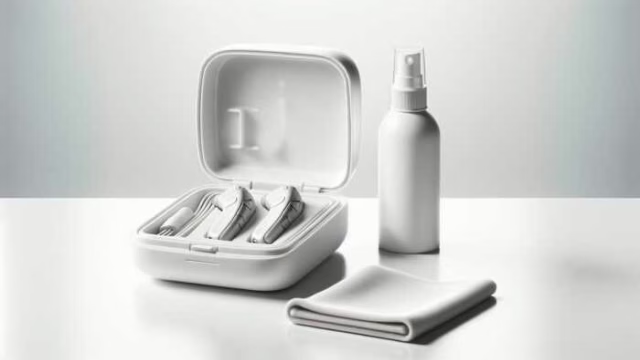
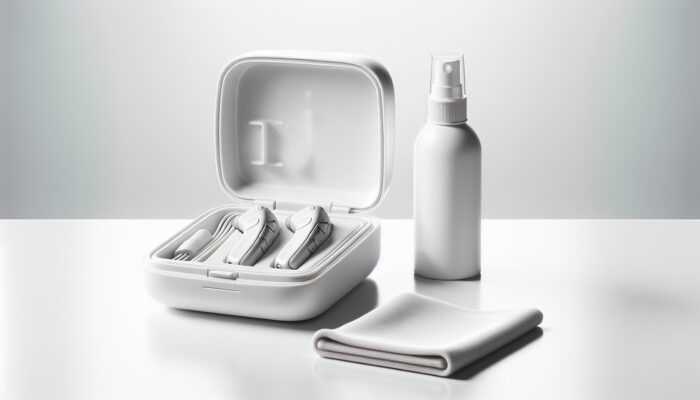
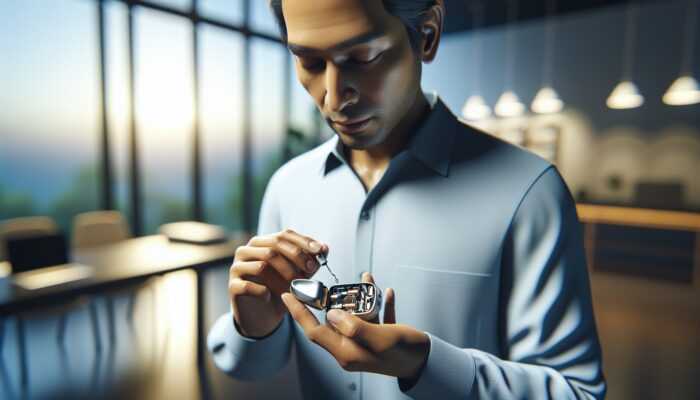
Establishing a fundamental daily care routine is critical for keeping hearing aids in optimal condition, and drying serves as a pivotal aspect of this regimen. Initially, users should remove their hearing aids at the end of the day and utilize a specialized drying kit designed specifically for hearing aids. These kits typically come with a desiccant that effectively absorbs moisture. Placing the hearing aids in the kit overnight eliminates moisture, preparing them for the next day’s usage.

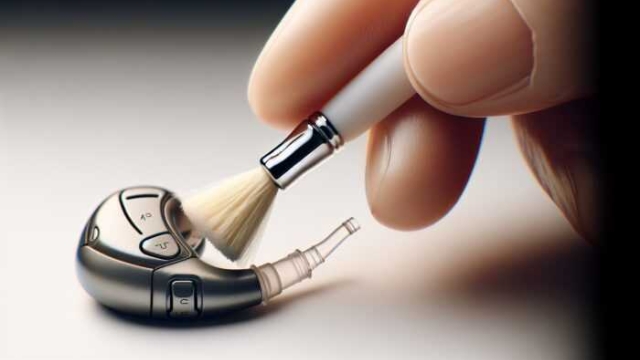
In addition to drying, users should clean their devices regularly to eliminate earwax and any debris. Using a soft, dry cloth to wipe down the external surfaces ensures that any buildup does not impede performance. Additionally, users should frequently inspect the battery compartment to confirm it is free from moisture and corrosion. By incorporating these simple yet effective habits into daily routines, users can ensure that their hearing aids not only remain functional but also deliver reliable performance throughout their lifespan.

Maintaining this routine can greatly elevate user comfort and satisfaction. The cumulative effects of these practices create a protective barrier against moisture and environmental factors, rendering the hearing aids more resilient. It is essential for users to adopt these habits early on to cultivate a proactive approach to hearing aid upkeep.

What common challenges do hearing aid users encounter?

Humidity and moisture represent two of the most significant challenges faced by hearing aid users. These factors can cause substantial performance issues, including sound distortion and electronic failures. Users residing in coastal areas or regions with elevated humidity levels often report that their devices do not perform as expected due to moisture-related complications. The intricate electronic components within hearing aids are particularly vulnerable to environmental influences, and neglecting the impact of humidity can lead to more severe problems, such as mold or bacteria growth.

Effectively tackling these challenges through appropriate drying practices can greatly boost the reliability of hearing aids. For instance, users may consider investing in a compact dehumidifier specifically designed for hearing aids, which can be especially advantageous in humid environments. Furthermore, developing a habit of drying devices after each use, particularly for those who perspire or are caught in rain, plays a crucial role in preserving device integrity and overall user satisfaction. By actively managing moisture exposure, users can sidestep the pitfalls that lead to device malfunction.

Additionally, gaining an understanding of how to identify the signs of moisture damage can empower users. If a device starts to sound muffled or if the user experiences feedback noises, these could be indicators that the hearing aid needs immediate drying. By adopting a vigilant stance on moisture management, users can ensure their devices remain dependable, enhancing their overall hearing experience.

Why consider professional maintenance services for hearing aids?

While daily care and drying routines are critical for maintaining hearing aids, the benefits of seeking professional maintenance services are immense. These services offer expert cleaning, repairs, and adjustments that complement routine practices, ensuring that hearing aids function optimally. Professionals have specialized tools and expertise that enable them to perform deep cleaning and make necessary adjustments that users might overlook.

For instance, a qualified technician can conduct a thorough inspection and cleaning of the internal components of hearing aids, which is especially crucial for addressing issues caused by moisture. Regular visits to a hearing aid professional can also facilitate early identification of potential problems, ensuring that issues are resolved before they escalate into costly repairs. Additionally, experts can provide personalized advice tailored to the user’s specific environment and lifestyle, suggesting modifications to both daily care and drying routines.

The combination of professional services and diligent daily habits results in extended device lifespans and consistent performance. Users who regularly incorporate professional check-ups into their maintenance schedules report fewer malfunctions and a heightened overall satisfaction with their devices. Relying on professionals for this aspect of hearing aid care offers peace of mind and establishes a comprehensive strategy for ensuring device longevity.

How to implement effective storage and protection for hearing aids?

Adopting effective storage methods is crucial for protecting hearing aids from moisture damage, complementing drying practices. Users should consider utilizing protective cases specifically intended for hearing aids. These cases often feature moisture-absorbing materials, which help keep devices dry when not in use. Storing hearing aids in a dry, cool environment is also essential; avoiding high-humidity areas, such as bathrooms or kitchens, can help prevent moisture accumulation.

In addition to using protective cases, users should establish a designated storage space for their devices when they are not in use. This area should be devoid of potential moisture sources and ideally include a desiccant to absorb excess humidity. For example, placing a small silica gel packet in the storage case can provide an additional layer of defense against moisture.

Regular assessments of storage conditions are equally vital. Users should be mindful of their surrounding environment and adjust their storage strategies as necessary, particularly in regions where weather conditions fluctuate significantly. By adhering to these storage guidelines, users can significantly enhance the longevity and effectiveness of their hearing aids, ensuring they remain functional and dependable for many years.

How Does Drying Contribute to Preventing Damage in Hearing Aids?

What factors contribute to the wear and tear of hearing aids?

Multiple factors contribute to the wear and tear of hearing aids, with moisture being a primary concern. Prolonged exposure to sweat, humidity, and other environmental conditions can result in significant degradation of internal components. The sensitive electronics that power hearing aids are particularly susceptible to moisture damage, which can lead to corrosion and electrical failures. Users living in humid climates or those who frequently engage in activities that cause sweating are often at greater risk for these issues.

To mitigate these risks, implementing effective drying practices must be a top priority. One actionable step is to invest in a high-quality hearing aid dryer that employs heat and UV light to effectively eliminate moisture. This device can offer a thorough drying process that not only removes moisture but also helps sanitize the devices, further extending their lifespan. Users should also adopt a routine of drying their devices each night, especially after a long day of wear, to combat any moisture that may have accumulated throughout the day.

By being proactive and vigilant about drying, users can preserve the quality of their hearing aids over time, significantly reducing the likelihood of costly repairs or replacements. Educating oneself about the potential hazards of moisture and taking proactive measures can substantially improve longevity and reliability, ensuring users stay connected to the world of sound.

What impact does moisture have on hearing aid functionality?

Excess moisture can dramatically affect the functionality of hearing aids, leading to reduced sound quality and potential device failure. When moisture seeps into the intricate components of a hearing aid, it can cause static noise, distortion, or even complete audio loss. The sensitive microphones and speakers within hearing aids require a dry environment to perform optimally, and when dampness occurs, users may experience interruptions in sound clarity, which can be frustrating and detrimental to effective communication.

Drying is crucial in maintaining clear sound quality. Users who incorporate drying into their regular routines often notice a marked improvement in audio performance. For example, those who utilize a hearing aid dryer nightly report that their devices produce more consistent sound output, leading to a more satisfying hearing experience. This connection between moisture management and sound clarity highlights the importance of making effective drying techniques a regular part of hearing aid care.

Moreover, addressing moisture build-up promptly can lead to better overall health of the device. The quicker users can dry their hearing aids after exposure to moisture, the less likely they are to encounter long-term functional issues. By prioritizing drying as a fundamental part of their maintenance routine, users can protect against malfunctions, ensuring their hearing aids deliver reliable performance and clear sound.

What signs indicate urgent drying for hearing aids?

Recognizing the signs that indicate urgent drying for hearing aids is crucial for maintaining device integrity. One of the most prevalent indicators is reduced performance, which may appear as muffled sound or intermittent audio. If users observe that their hearing aids are producing unclear or distorted sound, this may signal that moisture has penetrated the device, necessitating immediate drying.

Other indicators include visible condensation within the battery compartment or any unusual sounds, such as crackling or static. These symptoms are often direct signs of moisture damage and emphasize the need for quick action. Users should also be vigilant regarding changes in battery life; if the batteries appear to deplete faster than usual, moisture may be hindering the device’s functionality.

Timely intervention is essential to safeguard the integrity of hearing aids. Users experiencing any of these symptoms should prioritize drying their devices immediately, employing a dryer or desiccant to effectively remove moisture. By understanding these warning signs and responding quickly, users can prevent further damage, ensuring their hearing aids remain in peak working condition.

Insights from Experts on the Importance of Hearing Aid Drying

What key strategies do specialists recommend for drying hearing aids?

Experts in audiology highlight the necessity of integrating effective drying strategies into hearing aid maintenance. One highly recommended approach involves the use of electronic drying systems that combine heat and airflow to thoroughly eliminate moisture. These devices are specifically designed to cater to the needs of hearing aids, ensuring complete drying while protecting delicate components. Specialists often suggest incorporating these systems as part of a nightly routine for users, as they can significantly enhance the longevity and performance of hearing aids.

Another expert-supported strategy is to utilize desiccants in storage cases, which actively absorb moisture when the devices are not in use. Many professionals advocate for users to invest in high-quality drying kits that include these moisture-absorbing materials to provide an additional layer of protection. Real-life examples from users who have successfully adopted these strategies reveal improvements in device reliability and sound quality, reinforcing the importance of expert guidance in maintaining hearing aids.

Furthermore, specialists encourage users to remain aware of their surroundings. In humid conditions, for instance, users may want to increase the frequency of drying their devices, adjusting their routines to account for heightened moisture exposure. By listening to expert advice and following their recommendations, users can adopt a proactive approach to hearing aid care, leading to improved device performance and user satisfaction.

How does drying support overall health and functionality of hearing aids?

Integrating drying into daily routines significantly boosts the overall health of hearing aids. Regular drying practices not only shield devices from moisture damage but also promote consistent performance and superior sound quality. Experts advise users to establish a clear drying schedule, such as utilizing a hearing aid dryer every night after removal. This routine minimizes moisture accumulation, allowing the devices to stay in optimal condition.

In addition to drying, users should incorporate regular cleaning into their maintenance habits. Cleaning the outer surfaces and battery compartments helps prevent the buildup of debris and wax that can exacerbate moisture issues. For instance, using a soft cloth to wipe the devices daily can help keep them functional and hygienic. The combination of drying and cleaning ensures that hearing aids perform reliably, free from the interference of moisture and debris.

Ultimately, maintaining device health through consistent drying and cleaning practices results in improved durability and user experience. Users who prioritize these habits frequently report fewer disruptions in performance and greater overall satisfaction with their hearing aids. By actively engaging in these practices, users can cultivate a long-lasting relationship with their devices, ensuring they provide the sound clarity and comfort that enhances their daily lives.

What long-term benefits can be gained from consistent drying practices?

Establishing consistent drying and maintenance practices offers numerous long-term benefits for users of hearing aids. One primary advantage is the enhancement of device durability, as regular drying helps mitigate moisture-related wear and tear. Users who consistently dry their devices often find that they experience fewer malfunctions and enjoy extended lifespans, ultimately resulting in significant cost savings over time.

Moreover, maintaining a routine that includes drying fosters a more enjoyable hearing experience. With devices operating at their best, users benefit from clear sound quality and dependable performance in various settings. This reliability not only enhances communication but also promotes greater independence when engaging in social situations or daily activities.

Additionally, cultivating consistent habits can instill a sense of confidence in using hearing aids. Users who actively participate in maintaining their devices frequently report increased satisfaction and peace of mind, knowing they are taking proactive steps to safeguard their investment. Ultimately, the long-term benefits of consistent drying practices are multifaceted, encompassing practical advantages as well as an enhanced quality of life for hearing aid users.

How Do Regular Drying Practices Benefit Hearing Aids?

How does regular drying enhance sound quality?

Regular drying of hearing aids plays a crucial role in improving sound quality by eliminating moisture that can disrupt performance. Moisture accumulation within devices can lead to unclear sounds, static, and distortion, all of which detract from the overall hearing experience. By adopting routine drying practices, users can confirm that their hearing aids function at peak efficiency, providing clear and crisp audio.

For example, users who dry their devices every night often report a remarkable enhancement in sound clarity. This improvement can significantly enrich daily interactions, allowing individuals to engage more fully in conversations without the frustration of background noise or distortion. Over time, the cumulative effect of consistent drying contributes to a more enjoyable and fulfilling hearing experience.

Furthermore, maintaining clear sound quality through drying not only influences day-to-day communication but also has implications for the user’s cognitive health. Accessible and clear sound aids cognitive engagement, helping users stay connected and active within their social circles. Therefore, the benefits of regular drying extend beyond mere audio quality, impacting overall well-being and quality of life.

What advantages does drying provide for user comfort and convenience?

Routine drying practices significantly enhance user comfort and ease of use concerning hearing aids. Moisture buildup can lead to discomfort, as wet devices may cause irritation or unwanted feedback sounds. By ensuring that devices are adequately dried after each use, users can alleviate these uncomfortable experiences.

Additionally, regular drying promotes hygiene by preventing moisture-related issues such as mold or bacteria growth. For those who wear hearing aids for extended durations, the assurance that their devices are clean and dry contributes to a more pleasant wearing experience. The reduction of discomfort directly correlates to increased user satisfaction, encouraging consistent use and promoting overall hearing health.

Moreover, adopting drying habits can simplify the user experience. By integrating drying into their daily routines, users can save time and diminish the likelihood of unexpected device failures. This ease of maintenance fosters a sense of confidence in users, allowing them to enjoy seamless interactions without the worry of encountering issues due to moisture. Ultimately, the benefits of regular drying enhance both comfort and convenience, making life with hearing aids more enjoyable.

What potential cost savings can be realized through regular drying practices?

Regular drying practices can lead to substantial cost savings over time by extending the lifespan of hearing aids and reducing the need for repairs. Moisture-related problems can often result in expensive repairs or even complete replacements if not effectively managed. By proactively integrating drying into daily routines, users can minimize the risks associated with moisture damage, ultimately saving money in the long run.

The following highlights key financial benefits associated with regular drying:

  • Decreased frequency of device repairs due to moisture damage.
  • Prolonged lifespan of hearing aids, delaying the need for replacements.
  • Lower maintenance costs by addressing issues before they escalate.
  • Reduced spending on professional cleaning services by ensuring devices are well-maintained at home.
  • Enhanced performance resulting in fewer adjustments and fitting sessions.
  • Improved overall device reliability, which limits unexpected expenses.
  • Better sound quality, reducing the need for additional accessories or enhancements.
  • Increased user satisfaction, leading to a lower likelihood of switching brands or models.

By recognizing the financial implications of regular drying, users can appreciate the value of effectively maintaining their devices. The investment in simple drying practices yields significant returns, making it a worthwhile consideration for anyone using hearing aids.

What Research-Backed Benefits Support Hearing Aid Drying?

What evidence supports the effectiveness of drying for hearing aids?

Research consistently validates the effectiveness of drying in preventing issues with hearing aids. Studies have identified moisture exposure as one of the leading causes of device malfunction, emphasizing the necessity for effective drying practices. Expert analyses reveal that users who include routine drying in their maintenance regimens experience substantially fewer device failures and enhanced reliability.

For instance, a recent study indicated that users who dried their hearing aids nightly reported a 40% reduction in repair needs over a two-year span compared to those who neglected drying. This evidence underscores the vital role that moisture management plays in sustaining device performance and longevity.

Furthermore, research indicates that maintaining a dry environment for hearing aids can lead to improved sound quality and user satisfaction. Users who actively engage in drying practices report a more positive hearing experience, suggesting a direct correlation between moisture management and audio clarity. These findings reinforce the necessity of establishing effective drying routines as a fundamental aspect of hearing aid maintenance.

How does regular drying enhance daily usability?

Regularly drying hearing aids boosts daily usability by fostering consistent performance and user comfort. Research findings indicate that users who prioritize drying encounter fewer disruptions in sound quality, leading to smoother interactions in their everyday lives. With properly dried devices, users can engage in conversations confidently, assured that their hearing aids will deliver clear audio without the hindrance of moisture-related complications.

Moreover, maintaining dry hearing aids contributes to overall hygiene, minimizing the likelihood of discomfort or irritation caused by dampness. This factor significantly improves the daily experience for users, allowing them to wear their devices for extended periods without concern. The combination of comfort and reliability establishes a more positive relationship with hearing aids, encouraging regular use and fostering greater satisfaction.

By incorporating drying into their daily routines, users can also streamline their maintenance efforts. This approach simplifies the overall care process, making it easier to sustain device functionality and prolong lifespan. Overall, the enhancements to daily usability through regular drying practices present a compelling case for their importance in hearing aid maintenance.

What real-world success stories demonstrate the benefits of drying?

Numerous success stories illustrate the positive transformations that drying practices can bring to hearing aid users. For example, a user living in a coastal area known for its high humidity reported a dramatic improvement in both functionality and comfort after adopting a nightly drying routine. Initially, frequent moisture-related challenges led to frustration and costly repairs, but following the prioritization of drying, the user noted a significant decrease in device malfunctions and an overall enhancement in sound quality.

Another success story involves a user who faced challenges with allergies and earwax buildup, leading to discomfort and intermittent audio issues. By adopting a thorough drying and cleaning routine, they effectively alleviated these problems. The combination of consistent drying and regular cleaning not only improved their device’s performance but also heightened their overall satisfaction with their hearing aids.

These real-world examples emphasize the tangible benefits that arise from prioritizing drying in hearing aid maintenance. Users who actively engage in these practices often experience transformative changes in their daily interactions and overall quality of life, underscoring the critical importance of moisture management.

Why is Drying Vital for the Longevity of Hearing Aids?

What makes drying essential for extending device lifespan?

Drying is essential for the longevity of hearing aids, as it plays a crucial role in preventing moisture-related damage that can compromise the integrity of internal components. Hearing aids contain sensitive electronics that are prone to corrosion and deterioration when exposed to excessive moisture. Regularly drying devices minimizes these risks, ensuring they remain functional and effective for an extended period.

By incorporating effective drying practices into maintenance routines, users can significantly prolong the lifespan of their devices. For instance, individuals who consistently dry their hearing aids report fewer electronic failures and longer usage periods. This correlation between drying and device longevity emphasizes the necessity of prioritizing moisture management as a core aspect of hearing aid care.

Moreover, adopting preventive measures such as drying not only safeguards the devices themselves but also enhances the overall user experience. The assurance that hearing aids are well-maintained contributes to greater confidence and satisfaction, prompting users to rely on their devices more fully in their daily lives. Ultimately, the significance of drying for longevity cannot be overstated, as it serves as the foundation for sustaining optimal performance and reliability.

What are the effects of moisture on material integrity over time?

The integrity of the materials used in hearing aids is significantly influenced by moisture exposure over time. When hearing aids are frequently subjected to high humidity levels, components such as microphones, speakers, and battery compartments may weaken and deteriorate, necessitating repairs or replacements. Regular drying helps preserve the structural soundness of these materials, ensuring that hearing aids remain in optimal condition.

Experts emphasize that maintaining dry conditions is critical not only for functionality but also for protecting the physical components of the devices. For example, moisture accumulation can lead to the degradation of internal wiring, compromising performance and increasing the likelihood of device failure. By prioritizing drying, users can effectively guard against such deterioration, ultimately prolonging the life of their devices.

Additionally, monitoring the material integrity of hearing aids is essential. Users should routinely inspect their devices for signs of wear, such as cracks or discoloration, which can indicate moisture-related damage. By combining regular drying practices with vigilant monitoring, users can ensure that their devices remain reliable and durable, improving their overall hearing experience.

How can users monitor and adjust their drying habits?

Monitoring and adjusting drying habits is essential for maintaining optimal conditions for hearing aids. Users should establish a drying schedule that aligns with their usage patterns, incorporating nightly drying as a baseline. For those who engage in activities that increase moisture exposure, such as exercise or outdoor adventures, additional drying sessions may be necessary.

Consider using a moisture meter to gauge humidity levels in storage areas. This device can provide valuable insights into optimal drying practices, allowing users to adjust their routines as needed. For instance, in particularly humid climates, users may benefit from drying their devices multiple times daily to combat moisture buildup.

Additionally, regular assessments of the condition of hearing aids can inform adjustments to drying habits. If signs of moisture accumulation or performance issues arise, users should respond promptly by increasing the frequency of drying sessions. By actively monitoring and adapting their practices, users can ensure their devices remain in peak condition, ultimately enhancing longevity and user satisfaction.

Practical Tips for Effective Hearing Aid Care

What are the best practices for routine checks on hearing aids?

Establishing best practices for routine checks is crucial for maintaining the performance of hearing aids, with drying being a central aspect of this process. Users should incorporate a weekly inspection regimen, which includes examining the devices for any signs of wear or moisture accumulation. Regularly checking battery compartments for corrosion and ensuring that microphones and speakers are clear of debris will help prevent performance issues.

In addition to visual inspections, conducting sound tests can provide valuable insights into device functionality. Users should assess audio quality and clarity during routine checks, noting any irregularities that may indicate moisture-related problems. If any issues arise, prioritizing immediate drying can help mitigate potential damage.

To streamline these checks, users can create a checklist that outlines key inspection points, including:

  • Examine the battery compartment for moisture or corrosion.
  • Inspect the external surfaces for dirt or debris.
  • Conduct sound quality tests by listening for clarity and feedback.
  • Check the microphone openings for blockages or damage.
  • Ensure that the devices fit comfortably and securely.
  • Review the drying schedule and adjust as needed based on usage.
  • Test the devices in different environments to assess performance.

By engaging in these routine checks, users can identify potential issues early on and maintain optimal performance, ensuring a more consistent hearing experience.

How can drying be integrated into daily life?

Integrating drying into daily life can simplify the maintenance of hearing aids, ensuring they remain in optimal condition with minimal effort. One effective method is to create a drying routine that coincides with established daily activities. For example, users can place their hearing aids in a drying station each night before bed, making it a seamless part of their evening ritual.

Additionally, users should leverage technology to their advantage. Many modern hearing aids feature built-in drying capabilities, allowing users to schedule drying sessions automatically. By utilizing these technological enhancements, users can streamline their maintenance efforts while ensuring their devices are adequately cared for.

Moreover, incorporating reminders into daily schedules—such as setting alerts on smartphones or using calendar applications—can help users remain consistent with drying practices. Simple reminders can prompt users to engage in drying routines, ensuring that moisture management stays a priority.

By integrating drying into daily life, users can foster a proactive approach to hearing aid maintenance that enhances the longevity and performance of their devices without overwhelming effort.

When should users seek professional help for their hearing aids?

While routine care and drying are critical for hearing aids, there are specific scenarios when seeking professional assistance becomes necessary. Users should consider consulting an audiologist or hearing aid specialist if they experience persistent audio issues, such as distortion or feedback, despite regular maintenance and drying. These symptoms may indicate deeper problems that require expert intervention.

Additionally, if users notice any physical damage to their devices, such as cracks or inconsistencies in sound output, professional evaluation is vital. Technicians can conduct thorough inspections to identify underlying issues and provide tailored solutions that may not be apparent to users.

It is also advisable to seek professional assistance if users frequently adjust their hearing aids or experience discomfort while wearing them. An audiologist can help fine-tune settings and ensure proper fit, enhancing overall comfort and usability.

Users should remain attuned to the following warning signs that indicate the need for professional help:

  • Consistent sound distortion or interference.
  • Excessive battery drain or difficulties with power.
  • Physical damage to the devices or wear on components.
  • Persistent discomfort or irritation while using hearing aids.
  • Any unusual sounds, such as crackling or static.
  • Frequent adjustments needed to hear clearly.
  • Issues that persist despite adherence to maintenance routines.

By knowing when to seek professional assistance, users can proactively address potential issues, ensuring their hearing aids remain reliable and effective.

What are the proper cleaning techniques for hearing aids?

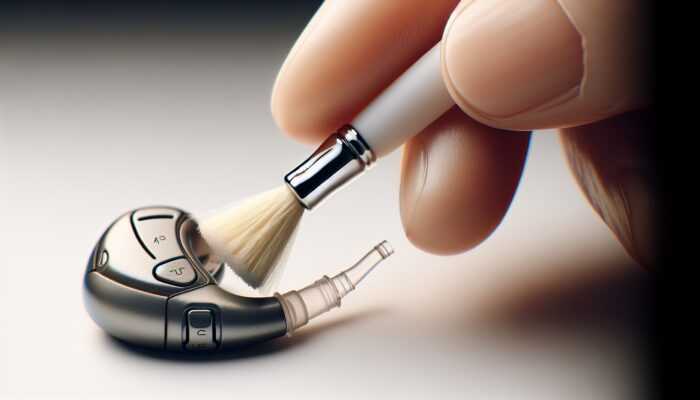
Employing effective cleaning techniques is critical for maintaining hearing aids and ensuring their longevity. Users should utilize soft, dry cloths to wipe down the exterior surfaces of their devices daily, removing any dirt, dust, or earwax buildup that may affect performance. Additionally, using a soft brush specifically designed for hearing aids can help clean microphones and speaker openings without causing damage.

For more thorough cleaning, users can employ mild cleaning solutions that are safe for electronic devices. However, it is essential to avoid submerging the hearing aids in water or using harsh chemicals, as these can lead to irreversible damage. Instead, applying a small amount of cleaning solution to a cloth and gently wiping the surfaces is a recommended practice.

Users should also consider investing in specialized cleaning tools, such as wax removal kits, which can help maintain hygiene while preventing performance issues. Regularly inspecting and cleaning the battery compartment is equally important, as moisture and debris can lead to corrosion and power issues.

By adopting proper cleaning techniques, users can ensure their hearing aids remain hygienic and functional, significantly enhancing their overall hearing experience.

What is the importance of battery maintenance and replacement?

Battery maintenance and replacement are essential aspects of hearing aid care that directly affect performance. Users should choose the appropriate batteries for their specific devices, ensuring compatibility and longevity. Regularly checking battery life and performance is critical; users should pay attention to the indicators that signal when batteries need replacing, such as diminished sound quality or increased frequency of battery changes.

To extend battery life, users can adopt simple habits, such as turning off their devices when not in use and storing them in a cool, dry place. Additionally, avoiding exposure to extreme temperatures can significantly enhance battery longevity. When replacing batteries, it is crucial to follow manufacturer guidelines for installation to prevent damage to the devices.

Implementing routine checks of battery compartments for moisture accumulation or corrosion is also vital. If users notice any signs of damage, it is advisable to seek professional assistance to address potential issues before they escalate. By prioritizing battery maintenance and replacement, users can ensure reliable performance and extend the lifespan of their hearing aids.

Frequently Asked Questions (FAQs)

How often should I dry my hearing aids?

It is recommended to dry your hearing aids every night after use to prevent moisture accumulation and ensure optimal performance.

What are the signs that my hearing aids need drying?

Signs include distorted sound, static, or visible moisture in the battery compartment. If you notice these symptoms, dry your devices immediately.

Can I use a hairdryer to dry my hearing aids?

No, using a hairdryer can damage the delicate components of hearing aids. It’s best to use a specialized drying device designed for hearing aids.

How can I clean my hearing aids safely?

Use a soft, dry cloth for external surfaces and a soft brush for microphones. Avoid submerging the devices in water or using harsh chemicals.

What types of drying devices are recommended?

Electronic hearing aid dryers that use heat and UV light are highly recommended for effective moisture removal. Desiccant-based dryers are also effective.

How do I know if my hearing aids are damaged from moisture?

If you notice reduced sound quality, frequent feedback, or unusual noises, your hearing aids may be compromised due to moisture exposure.

Can I store my hearing aids in the bathroom?

It’s not advisable to store hearing aids in the bathroom, as the humidity can lead to moisture accumulation. Store them in a cool, dry place.

What should I do if my hearing aids stop working?

First, check the batteries and dry your devices. If problems persist, seek professional assistance from an audiologist for a thorough evaluation.

Are there any accessories to help with drying?

Yes, several accessories, such as hearing aid drying kits and protective cases with moisture-absorbing materials, can help manage moisture effectively.

How long can I expect my hearing aids to last with proper care?

With proper care, including regular drying and maintenance, hearing aids can last between three to seven years, depending on the model and usage.

Discover our world on X today!

The post Hearing Aid Drying: Essential Benefits You Should Know appeared first on The Microsuction Ear Wax Removal Network.

The post Hearing Aid Drying: Essential Benefits You Should Know appeared first on Healthcare Marketing Service.

Medications and Hearing Health: An Essential Overview

Medications and Hearing Health: An Essential Overview

Last Updated on 21/11/2025 by Admin

Understanding the Impact of Medications on Hearing Health

What Medications Are Commonly Linked to Hearing Issues?

Medications serve a crucial function in managing a variety of health conditions; however, certain commonly prescribed drugs can adversely affect hearing health. Many of these medications possess ototoxic properties, meaning they can inflict damage on the structures within the inner ear and disrupt the auditory pathways. A selection of prevalent medication types known to influence hearing includes:

These medications are often essential for treating infections, managing pain, or addressing chronic health issues. However, it is vital for both patients and healthcare professionals to be aware of their possible side effects to ensure informed decisions regarding treatment options.

How Do Medications Cause Ototoxicity?

Ototoxicity defines the phenomenon wherein specific medications cause harm to the ear, potentially leading to hearing loss or balance disorders. The pathways through which these medications inflict ototoxic effects are varied and complex. Many drugs can disrupt the precise fluid equilibrium within the inner ear or damage the hair cells responsible for translating sound waves into electrical signals for the brain. The disruption may occur through various mechanisms, including:

– Direct toxicity to the hair cells
– Interference with oxidative stress responses
– Changes in blood circulation to the inner ear structures

A comprehensive understanding of these mechanisms is crucial for identifying patients who may be at risk, thereby enabling timely interventions and adjustments in treatment plans to help protect hearing health.

Why Is Regular Monitoring of Hearing Health Important?

Ongoing monitoring of hearing health is vital, particularly for individuals prescribed medications known to be ototoxic. Consistent evaluation allows for the early detection of potential hearing problems, which enables healthcare providers to modify treatment plans as necessary. The importance of routine check-ups cannot be overstated; these appointments allow for:

– Swift identification of any changes in hearing function
– Educating patients about the signs and symptoms of ototoxicity
– Ensuring adherence to monitoring protocols

Proactive monitoring can identify hearing decline at an early stage, providing opportunities for intervention that could reverse or lessen damage before it escalates.

Expert Insights on the Effects of Medications on Hearing Health

How Can We Detect Ototoxicity Early?

The early identification of ototoxicity is essential for minimizing the risks associated with hearing loss. Symptoms such as tinnitus (ringing in the ears) or a noticeable reduction in hearing ability often signify ototoxic effects. Healthcare professionals advocate for routine audiometric evaluations for patients taking high-risk medications. Additionally, awareness of other indicators like balance problems and sensations of fullness in the ear is crucial for effective early detection.

Expert analysis suggests that employing standardized screening tools can significantly improve the identification process. Conducting hearing assessments before, during, and after treatment enables more precise monitoring of auditory function. This proactive strategy facilitates timely interventions whenever adverse effects arise, which may involve adjusting medications or implementing supportive therapies.

What Role Do Pharmacists Play in Managing Ototoxic Medications?

Pharmacists play a crucial role in overseeing medications that may impact hearing. Their extensive understanding of drug interactions and side effects equips them to provide valuable guidance to both patients and healthcare providers. For instance, pharmacists can review a patient’s medication profile to pinpoint potential ototoxic medications. In practice, pharmacists often intervene during medication dispensing by informing patients about possible side effects and advising them on the importance of reporting any auditory changes.

Moreover, pharmacists contribute significantly to creating strategies aimed at reducing the risks of hearing loss. This may involve recommending lower doses, alternative medications, or adjunct therapies that help safeguard hearing health. Their accessibility and expertise render them an indispensable resource in the comprehensive management of patients undergoing treatments associated with ototoxicity.

What Strategies Enhance Patient Education on Ototoxic Medications?

Providing effective education to patients about the risks linked to ototoxic medications is of paramount importance. Healthcare professionals should enable patients with information about their medications and the potential side effects involved. Actionable strategies for effective patient education include:

  • Providing written resources detailing medications and their ototoxic potential
  • Encouraging the maintenance of a symptom diary by patients
  • Scheduling regular follow-ups to discuss hearing health
  • Implementing teach-back methods to ensure patient understanding

By equipping patients with this crucial information, they are more likely to recognize early signs of hearing impairment and seek medical advice promptly, ultimately fostering improved hearing health outcomes.

Medications Associated with Hearing Loss: A Detailed Overview

Understanding Aminoglycoside Antibiotics and Their Risks

Aminoglycoside antibiotics represent a well-known category of medications critical for treating serious bacterial infections. However, their ototoxic properties can lead to considerable hearing impairment. Commonly utilized aminoglycosides, such as gentamicin and tobramycin, have been linked to damage to the hair cells in the inner ear, often resulting in irreversible hearing loss.

The mechanism behind this ototoxicity involves the drug accumulating in the inner ear, disrupting the function of sensory hair cells. Patients undergoing treatment with these antibiotics should be closely monitored, particularly those with pre-existing hearing issues or those on prolonged therapy. Regular audiometric testing throughout treatment can help detect any emerging hearing problems early.

How Chemotherapy Agents Contribute to Hearing Damage

Certain chemotherapy drugs are known to induce hearing loss as a side effect, with cisplatin being one of the most frequently associated agents. Cisplatin can lead to both auditory and vestibular toxicity, affecting balance and auditory perception. Other chemotherapy agents, including carboplatin and oxaliplatin, also present similar risks.

The implications of these chemotherapy agents on hearing health raise significant concerns, especially among pediatric populations who may endure long-lasting effects. Healthcare professionals often recommend baseline hearing assessments prior to starting chemotherapy and periodic evaluations throughout treatment to track any changes in hearing.

Loop Diuretics: A Hidden Risk for Hearing Health

Loop diuretics, commonly prescribed for conditions like heart failure and hypertension, also pose risks to hearing health. Medications such as furosemide and bumetanide can cause ototoxicity, especially when administered at high doses or to patients with renal impairment.

The mechanism by which loop diuretics contribute to hearing issues involves alterations in fluid balance within the inner ear. Changes in electrolyte levels and fluid concentrations can disrupt the delicate environment required for optimal auditory function. Therefore, healthcare providers must weigh the risks against the benefits when prescribing these medications and ensure that patients receive appropriate monitoring throughout their treatment.

How Do Medications Induce Hearing Damage?

What Is the Impact of Medications on Hair Cells?

Medications can inflict significant damage on the hair cells located within the inner ear, which are essential for converting sound vibrations into electrical signals. This damage may lead to sensorineural hearing loss, characterized by a diminished ability to perceive sound and comprehend speech. The biological processes involved in this damage consist of:

– Disruption of mitochondrial function within hair cells
– Induction of apoptosis or cell death in these vital cells
– Impairment of signal transduction processes that influence auditory perception

Grasping these mechanisms is critical for developing strategies aimed at protecting hair cells from the harmful effects of ototoxic medications. Ongoing research into protective agents and interventions continues to evolve, focusing on safeguarding hearing health.

How Medications Affect the Auditory Nerve

Certain medications also pose risks to the auditory nerve, which can lead to hearing loss. These drugs may impair the nerve’s capability to transmit sound signals from the inner ear to the brain, resulting in difficulties with auditory processing. The extent of nerve function impact varies depending on the specific medication and its dosage.

In clinical settings, healthcare providers must remain vigilant regarding the potential for auditory nerve damage, particularly in patients receiving high doses of ototoxic medications. Regular audiological evaluations can help identify any dysfunctions in the auditory nerve, allowing for timely interventions that can mitigate the impact on hearing health.

The Role of Reactive Oxygen Species in Ototoxicity

Reactive oxygen species (ROS) generated by certain medications can significantly contribute to ototoxicity. These unstable molecules may lead to oxidative stress, damaging cellular components in the inner ear, including hair cells and auditory neurons. Medications such as aminoglycosides and cisplatin are particularly recognized for their capacity to produce ROS, perpetuating a cycle of cellular damage.

Research indicates that antioxidants could potentially help alleviate these effects by neutralizing ROS and protecting auditory structures from harm. Investigating the use of antioxidant therapies alongside ototoxic medications represents a promising field for future research, with the potential to improve hearing health outcomes for affected patients.

Preventive Strategies for Medication-Induced Hearing Loss

What Are the Best Practices for Preventing Hearing Loss?

Implementing preventive measures can significantly mitigate the risk of medication-induced hearing loss. Healthcare providers should embrace best practices to protect patients’ auditory health. Essential preventive strategies include:

  • Utilizing the lowest effective dose of ototoxic medications
  • Conducting routine hearing assessments
  • Educating patients about the signs of hearing impairment
  • Encouraging hydration and maintaining electrolyte balance during diuretic therapy

These practices not only help prevent hearing loss but also facilitate early detection, allowing for swift intervention if any issues arise.

Examining the Use of Antioxidants in Hearing Preservation

Antioxidants have garnered attention for their potential to counteract the ototoxic effects of certain medications. By neutralizing reactive oxygen species generated during medication metabolism, antioxidants may offer protective benefits for auditory structures. Commonly studied antioxidants include vitamins C and E, which have shown promise in preclinical studies for their ability to protect against ototoxicity.

However, while antioxidants could provide potential advantages, their effectiveness is not universally established. Healthcare providers should evaluate individual patient needs and existing research when recommending antioxidant supplementation, ensuring that approaches to hearing preservation are tailored to each situation.

Why Is Open Communication Important Between Patients and Doctors?

Effective communication between patients and healthcare providers is vital for managing the risks associated with ototoxic medications. Open dialogue cultivates an environment where patients feel empowered to express concerns about hearing changes and ask questions related to their treatment plans. Strategies to enhance communication include:

– Regularly scheduled check-ins to discuss health status
– Utilizing clear, uncomplicated language to explain risks
– Fostering a culture where patients feel comfortable reporting symptoms

Strengthening this relationship enhances patient comprehension and adherence to monitoring protocols, ultimately leading to improved outcomes in hearing health.

Research Insights into Medication Effects on Hearing Health

What Does Research Reveal About Ototoxicity?

Research provides essential insights into how medications affect hearing and strategies for mitigating these effects. Numerous studies have explored the prevalence of ototoxicity among patients treated with common ototoxic medications, revealing significant rates of hearing loss within these populations. Ongoing research emphasizes the importance of monitoring and patient education in managing these risks effectively.

Key findings from these investigations highlight the necessity of proactive hearing assessments, especially for patients receiving treatment with agents recognized for their ototoxic potential. By incorporating these insights into clinical practice, healthcare providers can improve patient outcomes and preserve hearing health.

Advancements in Protective Therapies Against Ototoxicity

Recent advancements in protective therapies offer hope for reducing the impact of ototoxic medications on hearing health. Research is ongoing into various pharmacological agents that may protect the inner ear from damage during the administration of ototoxic drugs. These protective strategies could involve novel compounds designed to counteract oxidative stress or enhance cellular repair mechanisms.

As scientific understanding continues to evolve, integrating these protective therapies into clinical practice could greatly transform the management of patients requiring ototoxic medications, paving the way for safer treatment protocols.

Future Directions in Ototoxicity Research

Ongoing research aims to deepen our understanding of the mechanisms behind medication-induced hearing loss and develop strategies for its prevention. Future studies are likely to focus on identifying genetic markers that indicate susceptibility to ototoxicity, which can inform individualized treatment plans. Furthermore, exploring the benefits of combination therapies that utilize protective agents alongside ototoxic medications may yield promising results in safeguarding hearing health.

Research initiatives promoting collaboration among audiologists, pharmacists, and physicians will be essential in advancing our understanding of ototoxicity and improving patient care.

How Dosage and Duration Affect Hearing Health

Research indicates that the dosage and duration of medication exposure can have a substantial impact on hearing health. Higher dosages and prolonged use of ototoxic medications correlate with an increased risk of hearing loss. Understanding this relationship is critical for healthcare providers when prescribing these medications, as it informs decisions regarding treatment duration and monitoring strategies.

Tailoring medication regimens to minimize dosages while still achieving therapeutic objectives can help mitigate the risks associated with ototoxicity. Conducting regular audiometric evaluations during treatment can further assist in early identification of any adverse effects, allowing for timely adjustments to treatment plans.

Importance of Monitoring and Early Interventions

Effective monitoring and early intervention are vital in preventing or lessening hearing loss caused by medications. Strategies may include implementing routine audiological assessments for patients prescribed ototoxic medications, providing educational resources about the importance of reporting hearing changes, and developing individualized monitoring plans based on patient risk factors.

Through early identification and a proactive approach, healthcare providers can respond swiftly to any auditory concerns, potentially preventing permanent hearing loss and ensuring better overall health outcomes for patients.

Symptoms and Diagnosis of Hearing Loss Induced by Medications

What Symptoms Should Patients Be Aware Of?

Patients undergoing treatment with ototoxic medications should remain vigilant for common symptoms of medication-induced hearing loss. Noteworthy symptoms include:

  • Tinnitus (ringing or buzzing in the ears)
  • Difficulty hearing conversations or sounds
  • Feeling of fullness or pressure in the ears
  • Balance issues or dizziness

Prompt recognition of these symptoms is essential, as early communication with healthcare providers can lead to timely interventions and adjustments in treatment plans. Patients should be encouraged to actively monitor their auditory health and report any changes to their healthcare team.

How Is Hearing Loss Diagnosed by Healthcare Providers?

Diagnosing hearing loss necessitates a comprehensive approach that employs various tests. Audiometry is a commonly utilized method to evaluate a patient’s hearing capacity across different frequencies. Otoacoustic emissions (OAEs) testing may also be used, measuring sound waves generated by the inner ear in response to auditory stimuli.

Healthcare providers will also conduct a thorough review of the patient’s medical history, considering factors such as medication use and previous hearing assessments. This multifaceted diagnostic process ensures accurate identification of any hearing impairments and informs subsequent management strategies.

What Treatment Options Are Available for Hearing Loss Induced by Medications?

Treatment options for medication-induced hearing loss can vary widely based on individual circumstances. In some cases, it may be necessary to adjust or change the ototoxic medication to prevent further deterioration of hearing function. Additionally, the use of hearing aids or cochlear implants may be indicated for patients experiencing significant hearing loss.

Rehabilitation programs and auditory training can also contribute to assisting patients in adjusting to changes in hearing ability and improving communication strategies. An individualized approach to treatment ensures that each patient’s unique needs and circumstances are effectively addressed.

Effective Management and Treatment of Medication-Induced Hearing Loss

What Immediate Actions Should Be Taken If Symptoms Arise?

If a patient observes symptoms of hearing loss, immediate steps should be taken to address the issue. Key actions include:

  • Consulting a healthcare provider for a thorough assessment
  • Discussing potential adjustments to current medications
  • Scheduling hearing tests to evaluate auditory function
  • Documenting any symptoms and their progression

Taking these steps promptly can facilitate early intervention, potentially reversing or reducing hearing impairment caused by medications.

What Are the Long-Term Management Strategies for Hearing Loss?

Long-term management of hearing loss associated with medications requires a comprehensive approach. Regular monitoring of hearing status is essential for detecting changes over time. Patients may benefit from using hearing aids, cochlear implants, or assistive listening devices to enhance their communication capabilities.

Furthermore, ongoing education about hearing preservation strategies and optimizing treatment regimens can empower patients to take an active role in managing their hearing health. Continued collaboration between patients and healthcare professionals is crucial for ensuring effective long-term management.

How Do Hearing Aids and Cochlear Implants Assist Patients?

Hearing aids and cochlear implants are critical tools for managing hearing loss resulting from medications. Hearing aids amplify sound and can significantly improve communication for individuals with mild to moderate hearing loss. In contrast, cochlear implants directly stimulate the auditory nerve, typically serving those with severe to profound hearing loss.

These devices can enhance the quality of life for patients, enabling them to participate more fully in social and professional settings. Ensuring access to audiological services and educational resources regarding these interventions is vital for maximizing their benefits.

Are There Alternative Therapies and Supplements for Hearing Loss?

Exploring alternative therapies and supplements may provide additional support for managing medication-induced hearing loss. Some patients may consider herbal remedies or dietary supplements that are claimed to promote auditory health. However, the effectiveness of these treatments can vary, and their potential interactions with prescribed medications should be carefully evaluated.

Healthcare professionals should assist patients in assessing alternative therapies, advocating for evidence-based approaches while remaining open to complementary strategies that may enhance hearing preservation.

What Preventive Measures Should Be Taken for Future Medication Use?

To minimize the risk of hearing loss from future medication use, several preventive strategies should be implemented. Patient education plays a fundamental role, with healthcare providers emphasizing the importance of discussing medication side effects.

Monitoring protocols should incorporate baseline hearing assessments prior to initiating potentially ototoxic treatments and regular follow-ups to assess hearing function. Moreover, adopting a shared decision-making approach between patients and healthcare providers is essential for optimizing treatment plans while minimizing risks to hearing health.

Key Resources and Information for Patients and Providers

What Are the Key Takeaways for Understanding Hearing Health?

Grasping the profound impact of medications on hearing health is vital for both patients and healthcare providers. Key takeaways include:

  • Numerous common medications can lead to ototoxicity and subsequent hearing loss.
  • Regular monitoring and early detection are imperative for managing potential auditory changes.
  • Effective communication between patients and healthcare providers enhances understanding and adherence.
  • Preventive strategies and education are crucial for safeguarding hearing health.

Where Can More Information on Hearing Health Be Found?

Patients and healthcare providers seeking additional information regarding medication-induced hearing loss can explore various valuable resources, including:

– Websites from reputable audiology organizations
– Patient advocacy groups focused on hearing health
– Educational materials from healthcare institutions specializing in ototoxicity and hearing preservation
– Scientific journals and articles that examine recent research findings on hearing health and medications

These resources can offer comprehensive insights and support for managing the complexities of medication-related hearing issues.

Why Is Awareness and Action Critical for Hearing Health?

Increasing awareness about the risks associated with ototoxic medications and taking proactive measures to protect hearing health are essential. Patients should remain informed about their treatment options and potential side effects, while healthcare providers must prioritize open communication and regular monitoring.

By fostering a culture of awareness and responsiveness, the healthcare community can significantly improve outcomes for individuals at risk of medication-induced hearing loss, ultimately enhancing their quality of life.

Frequently Asked Questions (FAQs)

What is ototoxicity?

Ototoxicity refers to the characteristic of certain medications that may cause damage to the inner ear, resulting in hearing loss or balance-related issues.

Which medications are most commonly associated with hearing loss?

Commonly prescribed medications linked to hearing loss include aminoglycoside antibiotics, chemotherapy agents, and loop diuretics.

What symptoms should I monitor when taking ototoxic medications?

Symptoms to be aware of include tinnitus, difficulty hearing, a sensation of fullness in the ears, and balance problems.

How is hearing loss diagnosed by healthcare professionals?

Hearing loss can be diagnosed through audiometric testing and otoacoustic emissions tests, along with a thorough review of medical history and symptoms.

What should I do if I notice changes in my hearing while on medication?

If you observe changes in your hearing, consult your healthcare provider immediately to discuss your symptoms and possible adjustments to your medication.

Are there preventive measures to avoid medication-induced hearing loss?

Preventive measures include using the lowest effective dose of medications, conducting regular hearing assessments, and educating patients about potential side effects.

Can antioxidants be beneficial in protecting against ototoxicity?

Some research suggests that antioxidants may help mitigate ototoxic effects, but their effectiveness can vary and should be used under medical supervision.

What treatment options are available for medication-induced hearing loss?

Treatment options may involve changing medications, utilizing hearing aids, or cochlear implants, depending on the severity of hearing loss.

How often should I have my hearing evaluated if I’m on ototoxic medications?

Regular hearing evaluations should be conducted, ideally before starting treatment and periodically throughout the course of medication use.

Can communication with my healthcare provider influence my risk of hearing loss?

Yes, maintaining open communication with your healthcare provider can help identify risks and facilitate prompt interventions to safeguard hearing health.

Explore our journey on X!

The post Medications and Hearing Health: An Essential Overview appeared first on The Microsuction Ear Wax Removal Network.

The post Medications and Hearing Health: An Essential Overview appeared first on Healthcare Marketing Service.

Hearing Aid Warranties: Crucial for Everyone’s Peace of Mind

Hearing Aid Warranties: Crucial for Everyone’s Peace of Mind

Last Updated on 12/11/2025 by Admin

Comprehensive Guide to Hearing Aid Warranties

What Exactly Are Hearing Aid Warranties?

Hearing aid warranties represent vital agreements that deliver protection for repairs, replacements, and various essential services over a designated timeframe. These warranties are crafted to instill confidence in users by ensuring their hearing devices remain reliable and functional. When individuals invest in hearing aids, they are not just acquiring a technological device; they are securing their essential connection to the auditory world around them. Given the intricate nature of hearing aids—combining advanced electronics and fragile components—a warranty serves as a crucial safety net that users can rely on.

These warranties typically protect users from manufacturing defects and unforeseen malfunctions, guaranteeing they won’t be left with a non-operational device that could severely affect their quality of life. When an issue arises, having a warranty allows users to seek necessary repairs or replacements without enduring exorbitant costs. This reassurance empowers users to continue their daily lives without the constant anxiety of unexpected expenses tied to device failures.

In the current market, the diverse array and advanced technology of hearing aids make warranty coverage even more essential. Whether users opt for cutting-edge models with sophisticated features or the simpler designs of older devices, the protection offered by a warranty is invaluable in maintaining optimal hearing health and functionality.

What Are the Different Types of Warranties Available?

A wide array of warranty options exists for hearing aids, each tailored to meet the varying needs and preferences of users. The most prevalent types include manufacturer warranties, extended warranties, and service contracts. Gaining an understanding of these options can significantly assist users in selecting the best fit for their unique circumstances.

Manufacturer warranties are generally included with the purchase of hearing aids and typically cover defects in materials and craftsmanship for a defined period, often spanning from one to three years. Conversely, extended warranties provide added assurance beyond the initial coverage period. Users can purchase these extended warranties either at the time of acquiring their hearing aids or at a later date, giving peace of mind to those who desire long-term protection.

Service contracts operate under a different framework; they often encompass routine maintenance and professional services, such as adjustments and regular check-ups. These contracts can be especially beneficial for users who anticipate a need for ongoing support to optimize performance. Each warranty type offers varying levels of coverage and duration, making it essential for users to evaluate their specific requirements against the choices available.

Why Is It Essential to Read Warranty Terms Thoroughly?

Understanding and carefully reading warranty terms is vital for anyone purchasing hearing aids. The intricacies within these terms can significantly influence a user’s ability to benefit from the warranty. By closely examining the fine print, users can uncover vital information about what is covered, the warranty’s longevity, and any conditions or exclusions that may apply.

Many warranties specify criteria for coverage, which may include limitations on types of damage or conditions under which the warranty remains valid. For example, some warranties may exclude coverage for loss or damage resulting from negligence or natural disasters. Being aware of these exclusions enables users to avoid unexpected costs and ensures they are fully informed about what they can claim and what may lead to a denial.

Additionally, understanding the claims process is crucial. Users should know the procedures for filing a claim, the documentation required, and the timeframe for submitting claims. This knowledge empowers users to take full advantage of their warranties, ensuring they receive the comprehensive protection they have invested in and can maintain their hearing aids with assurance.

Key Advantages of Hearing Aid Warranties

How Hearing Aid Warranties Provide Financial Protection

Hearing aid warranties play a pivotal role in delivering financial protection for users. The expenses associated with repairing or replacing hearing aids can be substantial, often amounting to thousands of dollars. Warranties alleviate these financial burdens, enabling users to manage their expenses efficiently and ensuring they can maintain their hearing aids without facing unexpected financial strains.

Several key financial benefits of having a warranty include:

  • Coverage for repairs that significantly reduces out-of-pocket expenses.
  • Replacement options available for lost or damaged devices.
  • Discounts on future services or products related to hearing health.
  • Predictable budgeting by minimizing surprise costs related to device failures.

Having a warranty means users are less likely to hesitate in seeking necessary repairs or adjustments due to financial concerns. This proactive approach protects their investment and underscores the importance of maintaining optimal hearing health.

Moreover, the coverage provided by warranties can result in long-term savings. Although the initial investment in a warranty may seem like an additional cost, the potential savings from covered repairs and replacements can far outweigh this expense, making it a wise decision for users who depend on their hearing aids in everyday life.

How Do Warranties Enhance Device Longevity?

One of the most significant benefits of having a hearing aid warranty is the enhancement of the device’s longevity. When users know their devices are covered, they are more likely to engage in regular maintenance and timely repairs. This proactive approach can lead to a longer lifespan for hearing aids, ultimately maximizing their value and utility.

Regular maintenance is critical for the overall performance of hearing aids. Warranties often include provisions for routine check-ups and adjustments, which can help identify potential issues before they escalate into major problems. By addressing minor malfunctions early on, users can avert more significant damage that could necessitate costly repairs or replacements down the line.

Additionally, having the reassurance of coverage encourages users to take better care of their hearing aids. They are more inclined to seek professional assistance if they notice any unusual sounds or performance issues rather than ignoring them, which could lead to further deterioration. This habit not only extends the functional lifespan of the devices but also ensures that users maintain optimal hearing capabilities throughout their lives.

What Peace of Mind Do Hearing Aid Warranties Offer Users?

The emotional and psychological benefits of possessing a hearing aid warranty cannot be overstated. For many users, the knowledge that their hearing aids are safeguarded against malfunctions and damages provides an important sense of peace of mind. This reassurance allows them to fully engage in their daily activities without the persistent worry of being left without essential hearing support.

With a warranty in place, users can confidently depend on their devices, whether they are interacting with family and friends, participating in social gatherings, or appreciating the sounds of nature. The fear of device failure diminishes, allowing users to concentrate on enjoying life and nurturing meaningful connections. This psychological dimension is especially crucial for individuals with hearing impairments, as social interactions can deeply influence their overall well-being.

Furthermore, warranties frequently offer access to professional support and services, enabling users to benefit from expert advice. This ongoing assistance ensures that users achieve optimal performance from their devices and can make necessary adjustments to accommodate changing hearing needs. The combination of peace of mind and professional support fosters a positive cycle that enhances the overall hearing experience for users.

What Types of Professional Support Do Warranties Provide?

Warranties often grant users access to professional services, which is a significant advantage for those relying on hearing aids. When users have a warranty, they typically gain entitlement to consultations, adjustments, and various professional support aimed at optimizing the performance of their devices. This continuous support ensures users can fully enjoy the benefits of their hearing aids.

The professional services included in warranties can vary widely, ranging from basic adjustments to comprehensive support for managing complex hearing needs. These services allow users to customize their hearing aids to suit specific environments, ensuring they can enjoy clear sound in diverse settings—whether at home, in a bustling restaurant, or during outdoor activities.

Moreover, having access to professional support nurtures a collaborative relationship between users and audiologists. This partnership can significantly enhance the effectiveness of hearing aids, as audiologists can provide valuable insights based on users’ experiences and unique needs. By leveraging this expertise, users can ensure that their devices function optimally, leading to better outcomes in their hearing health.

Expert Insights on the Importance of Hearing Aid Warranties

Why Are Expert Opinions Important?

Expert opinions in the realm of audiology and hearing health hold immense value when it comes to grasping the significance of hearing aid warranties. Audiologists, equipped with extensive training and experience, can provide users with insights into the long-term advantages of possessing a warranty. They understand the complexities of different devices and the common challenges users encounter, making their perspective highly relevant.

For instance, an audiologist may emphasize that many users underestimate the frequency with which hearing aids require professional servicing. They can explain how warranties can cover these essential services, preventing users from facing unexpected expenses. Furthermore, experts can share real-world examples illustrating how warranties have positively impacted their clients, reinforcing the notion that having coverage is not merely a precaution but a necessary component of responsible hearing aid management.

The cumulative knowledge that audiologists possess regarding various brands and models enables them to assess which warranties provide the best protection. Their recommendations can guide users toward warranties that have demonstrated reliability and comprehensive coverage, thus leading to informed purchasing decisions that will benefit users over time.

How Do Experts Evaluate Warranty Quality?

Audiology experts evaluate the quality of hearing aid warranties based on several key criteria, including coverage, duration, and the provider’s reputation. Understanding these factors is essential for users to make informed decisions about which warranties best fit their needs.

Coverage is a primary consideration during the evaluation process. Experts seek warranties that comprehensively address common issues, such as defects in materials and workmanship, loss, or damage. Warranties that include coverage for accidental damage or loss are particularly valuable, as they provide broader protection for users who may be at risk of such situations.

Duration is another essential aspect. Experts typically recommend warranties that offer long-term protection, ideally extending beyond the standard one to three years provided by many manufacturers. Long-term warranties grant added peace of mind and ensure that users remain protected as their devices age and require more care.

Finally, the reputation of the warranty provider plays a crucial role in the evaluation process. Experts assess customer service quality, the ease of filing claims, and the overall satisfaction of current users. A reputable provider with a history of positive customer experiences is more likely to offer reliable support, making it a safer choice for users seeking warranty protection.

What Recommendations Do Audiologists Offer?

Audiologists often possess firsthand experience with various warranty options based on their interactions with different brands and models of hearing aids. Their recommendations can be instrumental in guiding users toward the most suitable warranty for their specific needs.

When selecting a warranty, audiologists encourage users to take several actionable steps. First, users should assess their hearing aid usage patterns, including how frequently they wear their devices and the environments in which they typically use them. This evaluation helps determine the level of coverage necessary based on potential risks, such as damage from moisture or physical impact.

Next, audiologists recommend comparing various warranty options from multiple providers. Users should carefully review coverage details, duration, and the associated costs of each option. By doing so, they can identify the warranty that provides the best balance of protection and value tailored to their needs.

Finally, audiologists often encourage users to maintain open communication regarding their needs. Regular discussions with their audiologist can yield insights into any changes in hearing health, enabling users to adjust their warranties as necessary. This proactive approach ensures that users maintain optimal hearing support throughout their hearing journey.

How Do Hearing Aid Warranties Function?

What Is the Process for Filing a Warranty Claim?

Filing a warranty claim is generally straightforward, but understanding the necessary steps is crucial for ensuring a seamless experience. When users encounter an issue with their hearing aids, the first step is to reach out to the warranty provider directly. They should clearly explain the problem, offering detailed information about the symptoms and any relevant circumstances surrounding the malfunction.

After the initial contact, users typically need to adhere to specific procedures outlined by the warranty provider. This may involve submitting proof of purchase along with any additional documentation required to validate the claim. Some providers may also require users to complete a warranty claim form that details the issue and the maintenance history of the device.

Another important aspect of the claims process is observing any time limits imposed by the warranty. Users should be aware of the timeframe within which they must file a claim after experiencing an issue. Here’s a concise list of steps for filing a warranty claim:

  • Contact the warranty provider to report the issue.
  • Compile necessary documentation, including proof of purchase.
  • Complete any required warranty claim forms.
  • Submit the claim and await a response from the provider.

By following these steps, users can effectively navigate the claims process, ensuring they receive the coverage they are entitled to. Maintaining clear records of any communications and documentation can also facilitate a smoother experience.

What Is Typically Covered Under a Warranty?

Understanding what is covered under a hearing aid warranty is essential for users to maximize their benefits. Generally, warranties cover defects related to materials and workmanship, ensuring that users are safeguarded against manufacturing flaws that could negatively impact their device’s performance.

Common inclusions in hearing aid warranties typically cover repairs and replacements for faulty components. This coverage can entail services necessary to restore the device to its optimal functionality, such as replacing broken parts or recalibrating the device. In certain instances, warranties may also extend to coverage for accidental damage, though this varies by provider.

However, users should be aware that coverage can vary significantly across different warranties. Some warranties may cover loss or theft, while others may have strict exclusions. Users should carefully examine the specifics of their warranty to fully comprehend the extent of the coverage provided, ensuring they are well-informed about what to expect in the event of a malfunction or damage.

By proactively understanding their warranty coverage, users can make informed decisions regarding maintenance and care, ultimately extending the life of their hearing aids and enhancing their overall hearing experience.

What Is the Duration and Renewal Process for Warranties?

The duration of a hearing aid warranty is a crucial consideration that significantly impacts users’ long-term experience. Most warranties range from a few months to several years, depending on the manufacturer and type of coverage selected. Understanding how long a warranty lasts allows users to plan for future maintenance and potential costs associated with repairs or replacements.

Many standard manufacturer warranties typically last between one to three years, providing initial protection against defects. However, users seeking more extended coverage have the option to purchase extended warranties, which can add several additional years of protection. This option is particularly appealing for those who wish to secure long-term support for their devices.

Renewal options represent another essential aspect of warranty duration. Some warranties allow users to renew or extend their coverage for an additional fee, providing continued protection as their devices age. Users should inquire about these renewal options when purchasing their hearing aids to ensure they understand the terms and costs associated with extending their warranty.

By being informed about the duration of their warranties and the available renewal options, users can make strategic decisions regarding ongoing protection and maintenance, ultimately improving their hearing aid experience over the long term.

What Limitations Do Warranties Have?

What Are Common Exclusions Found in Warranties?

While hearing aid warranties provide valuable coverage, they often come with certain limitations and exclusions that users should understand. Being aware of these exclusions is vital to avoid unexpected costs and disappointment.

Common exclusions in warranties typically encompass damage resulting from misuse or negligence. For example, if a user drops their hearing aids or exposes them to moisture beyond the device’s specifications, any resulting damage may not be covered. Likewise, warranties may exclude coverage for loss, theft, or damage caused by unauthorized repairs or modifications.

Another frequent exclusion involves coverage for wear and tear over time. While warranties generally cover defects in materials and workmanship, they may not extend to issues arising from regular use, such as battery depletion or cosmetic damage. Users should familiarize themselves with these limitations to ensure they are well-prepared for any potential issues.

By understanding the common exclusions in warranty coverage, users can take proactive steps to safeguard their devices and maintain their warranty’s validity. This knowledge empowers them to make informed decisions about usage and care, thereby minimizing the risk of voiding their warranty.

How Does User Behavior Affect Warranty Validity?

User behavior plays a significant role in the validity of hearing aid warranties. Many warranties contain clauses that stipulate specific conditions under which coverage remains valid. If users fail to adhere to these conditions, they may inadvertently void their warranty, leaving them unprotected when issues arise.

One critical aspect is the proper handling and care of the devices. Users should follow the manufacturer’s guidelines for cleaning, storage, and maintenance to ensure their warranty remains intact. Neglecting these guidelines or mishandling the devices can lead to damage that may not be covered under warranty.

Additionally, regular servicing and maintenance are often necessary to keep the warranty valid. Users should be aware of any recommendations for professional check-ups or adjustments outlined in their warranty and adhere to these guidelines. Failure to do so can result in the warranty being voided, leaving users responsible for any repair or replacement costs.

By being mindful of their behavior and following warranty conditions, users can maintain their coverage and ensure they are protected from unexpected expenses related to hearing aid malfunctions.

What Should You Know About Dealing with Warranty Denials?

Navigating the process of warranty claims can sometimes lead to denials, which can be frustrating for users. However, understanding how to address warranty denials is essential for effectively resolving issues.

When a warranty claim is denied, users should first seek clarification from the warranty provider. This may involve reviewing the claim details and understanding the reasons for the denial. Often, claims are denied due to missing documentation or failure to meet specific conditions outlined in the warranty terms. By gaining insight into why their claim was denied, users can take appropriate action to rectify the situation.

If users believe their claim was unfairly denied, they reserve the right to appeal the decision. This process typically involves submitting additional documentation or evidence supporting their claim and providing a detailed explanation of why they believe the denial was unwarranted. Users may also consider seeking assistance from consumer protection agencies, which can offer guidance and support in navigating warranty disputes.

By being proactive and informed about the appeals process, users can effectively address warranty denials and increase their chances of securing the coverage they deserve.

How to Choose the Ideal Warranty for Your Needs

How to Assess Your Hearing Aid Usage?

Assessing how you utilize your hearing aids is a vital step in selecting the right warranty. Understanding your usage patterns can help you determine the level of coverage needed based on potential risks associated with your lifestyle and environment.

To start, consider how frequently you wear your hearing aids each day. If you rely on them constantly, your warranty should reflect the necessity for potentially more extensive coverage, especially if you engage in activities that may increase the risk of damage. For example, users who lead active lifestyles or frequently participate in outdoor activities may require warranties that cover accidental damage or exposure to elements like moisture.

Next, evaluate the environments in which you typically use your hearing aids. Exposure to humid or noisy settings can exacerbate wear and tear on devices, making robust coverage essential. Users who often attend social gatherings or work in bustling environments may also benefit from warranties that include professional servicing, as these situations can lead to adjustments or repairs more frequently.

By carefully assessing your hearing aid usage patterns, you can select a warranty that aligns with your lifestyle, ensuring that you receive the necessary protection and support for your devices.

What to Consider When Comparing Different Warranty Options?

Choosing the right warranty for your hearing aids requires a thorough comparison of different options from various providers. This process allows you to pinpoint the warranty that best meets your coverage needs and budget.

Begin by gathering information on available warranties from different manufacturers and providers. Pay particular attention to the specifics of each warranty, including coverage details, duration, and associated costs. Some warranties may include additional services like routine check-ups or adjustments, while others may focus solely on repairs and replacements.

Also, consider the reputation of each warranty provider. Research customer reviews and feedback to gauge overall satisfaction with their claims process and customer service. A warranty from a provider with a strong track record of reliable support can provide added peace of mind when it comes time to file a claim.

Once you have compared coverage, duration, costs, and the reputation of each warranty, you can make an informed decision that aligns with your specific needs. This careful evaluation ensures you select a warranty that offers the best balance of protection and value.

How to Make an Informed Decision?

Making an informed decision about a hearing aid warranty involves weighing various factors to ensure you choose the most suitable option for your needs. Understanding the costs and benefits associated with each warranty can help you maximize your investment in your hearing aids.

Start by thoroughly reviewing the terms and conditions of each warranty. This includes understanding what is covered, any exclusions, and the claims process. Knowing the specifics enables you to gauge the practical value of the warranty and ensures you are aware of any potential limitations that could affect your coverage.

Next, consider your specific hearing needs and lifestyle. Reflect on how often you use your hearing aids, the environments in which you typically operate, and any unique risks you might encounter. This self-assessment can help you identify the level of coverage necessary to adequately protect your investment.

Finally, don’t hesitate to reach out to audiologists or hearing care professionals for guidance. Their expertise can be invaluable in helping you navigate the complexities of warranty options. By taking the time to gather information and reflect on your needs, you can make a decision that provides peace of mind and long-term protection for your hearing health.

How to Evaluate Warranty Coverage Limits?

Evaluating the coverage limits of a hearing aid warranty is crucial to ensuring that it meets your specific needs. Different warranties come with varying limits on repairs, replacements, and coverage for loss or damage. Understanding these limits ensures you select a warranty that provides adequate protection for your devices.

Begin by reviewing the specific terms related to repairs and replacements. Some warranties may limit the number of repairs covered annually, while others might impose a maximum dollar amount that can be claimed. Knowing these limits helps you assess whether the warranty will provide sufficient support throughout the lifespan of your hearing aids.

Additionally, evaluate the coverage for loss or theft. Some warranties include provisions for replacing lost or stolen devices, while others may not. If you are concerned about potential loss, opting for a warranty that offers this coverage can provide added peace of mind.

Finally, consider any limits on routine servicing or adjustments. Some warranties may only cover specific types of services or impose restrictions on the frequency of check-ups. By understanding these coverage limits, users can ensure their warranty aligns with their usage patterns and provides the necessary protection to maintain their hearing aids effectively.

Reviewing Options for Warranty Renewal

When selecting a hearing aid warranty, it is essential to consider the availability and terms of warranty renewals. Knowing if and how you can extend your coverage can significantly influence your initial warranty choice and long-term protection strategy.

Many warranties offer renewal options, allowing users to extend their coverage for an additional fee after the initial period expires. This can be particularly beneficial for users who want to maintain ongoing protection as their devices age or if they anticipate needing additional support in the future.

When reviewing renewal options, pay close attention to the terms and costs associated with extending the warranty. Some providers may offer discounted rates for existing customers or provide added benefits for renewing, such as enhanced coverage options. Understanding these terms enables users to plan ahead and budget for potential renewal costs, ensuring continued protection.

By proactively considering warranty renewal options, users can ensure they remain protected throughout their hearing aid journey. This foresight allows for better long-term planning and guarantees that users have access to essential support and services as their hearing needs evolve.

Frequently Asked Questions About Hearing Aid Warranties

What Is a Hearing Aid Warranty?

A hearing aid warranty is an agreement that provides coverage for repairs, replacements, or services related to hearing aids for a specified period, offering users peace of mind regarding their devices’ functionality and reliability.

What Types of Warranties Are Available for Hearing Aids?

Common types of hearing aid warranties include manufacturer warranties, extended warranties, and service contracts, each offering varying levels of coverage and duration to suit different user needs.

Why Is It Important to Read Warranty Terms?

Reading warranty terms is crucial to understanding what is covered, the duration of the warranty, and any conditions or exclusions. This knowledge helps users avoid unexpected costs and ensures they are well-informed of their rights.

How Do Warranties Provide Financial Protection?

Warranties offer financial protection by covering repair or replacement costs, which can be significant, enabling users to manage expenses without unexpected financial burdens that could impact their quality of life.

What Are the Benefits of Having a Warranty?

The benefits of hearing aid warranties encompass financial protection, enhanced longevity of the devices, peace of mind for users, and access to professional support tailored for optimal performance.

How Do I File a Warranty Claim?

To file a warranty claim, contact the warranty provider, detail the issue, gather necessary documentation, and submit the claim according to the provider’s outlined procedures for a smooth process.

What Is Typically Covered Under a Warranty?

Warranties generally cover defects in materials and workmanship, with coverage often extending to repairs, replacements, and sometimes even loss or accidental damage, depending on the provider’s terms.

How Long Do Warranties Last?

Warranty duration can range from a few months to several years, with options for renewal or extension available to ensure continued coverage and protection as devices age.

What Are Common Exclusions in Warranties?

Common exclusions include damage from misuse, loss, theft, or unauthorized repairs. Users should be aware of these limitations to avoid unexpected costs and ensure they maintain valid coverage.

How Can User Behavior Impact Warranty Validity?

User behavior, such as improper handling or neglecting maintenance, can void a warranty. Understanding these factors helps users maintain their warranty’s validity and ensures protection remains intact.

Explore our journey on X!

The post Hearing Aid Warranties: Crucial for Everyone’s Peace of Mind appeared first on The Microsuction Ear Wax Removal Network.

The post Hearing Aid Warranties: Crucial for Everyone’s Peace of Mind appeared first on Healthcare Marketing Service.

Regular Hearing Tests: Essential for Everyone’s Health

Regular Hearing Tests: Essential for Everyone’s Health

Last Updated on 15/10/2025 by Admin

Understanding the Critical Role of Early Detection in Hearing Health

What Are the Key Indicators of Hearing Loss to Watch For?

Recognizing the key indicators of hearing loss at an early stage is vital for ensuring effective intervention and management. Many people may not immediately notice that they are experiencing hearing difficulties, but specific signs can indicate the necessity for a comprehensive hearing evaluation. Common indicators include difficulty understanding speech in noisy environments, increased volume on electronic devices, and social withdrawal from interactions, which strongly suggest the need for a thorough hearing assessment. Other important signs to monitor include:

  • Frequently asking others to repeat themselves
  • Struggling to hear during phone calls
  • Feeling that people are mumbling
  • Difficulty hearing high-pitched sounds
  • Perceiving conversations as too quiet
  • Experiencing fatigue from listening efforts

These symptoms are often overlooked or dismissed, allowing hearing loss to worsen without timely intervention. Therefore, actively monitoring these signs is essential as early detection can significantly prevent further deterioration of hearing abilities.

How Can Early Detection of Hearing Loss Enhance Your Life?

Detecting hearing loss at an early stage can greatly enhance an individual’s overall quality of life. Addressing hearing issues sooner rather than later helps to avert complications such as cognitive decline, which can occur when untreated hearing loss leads to challenges in processing information and maintaining mental sharpness. Additionally, improving communication skills through early intervention can strengthen relationships and diminish feelings of isolation.

When hearing problems are identified early on, individuals can access appropriate treatment options—such as hearing aids or therapeutic interventions—that enable them to fully engage in their daily lives. This proactive approach not only bolsters social interactions but also contributes positively to mental health. People who actively manage their hearing health tend to experience enhanced overall well-being and happiness.

Why Is Regular Hearing Testing Essential for Prevention?

Regular hearing tests are crucial in identifying potential issues before they escalate into more serious problems. Routine screenings allow audiologists to detect subtle changes in auditory capabilities that may not be immediately noticeable to the individual. By establishing a baseline through initial testing, healthcare professionals can monitor changes over time, facilitating timely interventions. This proactive approach is key to preventing further damage and ensuring optimal hearing health outcomes.

Regular testing is particularly important for individuals at higher risk, including those who are frequently exposed to loud noises or have a family history of hearing loss. Implementing a routine schedule for hearing tests ensures that any changes in auditory health can be promptly addressed, ultimately leading to a more fulfilling life. Committing to regular check-ups promotes a culture of preventive care in hearing health.

When Is It Crucial to Seek Professional Help for Hearing Issues?

It is critical to seek professional help as soon as you notice persistent hearing difficulties. If individuals find themselves struggling to hear in noisy environments or during conversations, it is essential to consult with a healthcare provider or audiologist. Early consultation can enable timely diagnosis and appropriate treatment, preventing further deterioration of hearing abilities.

It is advisable to schedule an appointment if you notice any of the signs mentioned, especially if they interfere with daily activities or social interactions. Audiologists recommend that adults undergo hearing tests at least every one to three years, depending on factors like age and risk factors. Taking these proactive steps can significantly lead to better auditory health and an enhanced quality of life.

Insights from Experts on the Significance of Regular Hearing Tests

What Do Audiology Experts Say About the Necessity of Hearing Tests?

Experts in the field of audiology consistently stress the importance of regular hearing tests in maintaining optimal auditory health. Numerous studies indicate that individuals who undergo routine screenings are more likely to identify hearing issues before they escalate into severe conditions. Successful early detection has been documented in various real-world scenarios. For example, a person experiencing mild hearing loss may not recognize it, yet could encounter profound difficulties within a few years if not tested regularly.

Professionals advocate for community awareness initiatives to highlight the importance of hearing health. They emphasize that integrating hearing tests into regular health check-ups can substantially improve early detection rates. A concerted effort to promote hearing screenings can lead to healthier communities, where individuals are empowered to take charge of their auditory health.

How Frequently Should You Schedule Hearing Tests?

Experts recommend that adults undergo hearing tests every one to three years to maintain optimal auditory health, with more frequent testing advised for individuals with known risk factors. Regular check-ups are essential for detecting changes over time, and individuals should take proactive steps to schedule these assessments accordingly. Consider marking your calendar for testing appointments or setting reminders to ensure you remain on track.

If you have a family history of hearing loss, work in environments with high noise levels, or experience any symptoms related to hearing issues, it is advisable to consult with an audiologist for a personalized testing schedule. Establishing a routine for hearing assessments can pave the way for significant long-term health benefits.

What Are the Consequences of Untreated Hearing Loss?

Failing to address hearing loss can lead to significant long-term repercussions, such as social isolation, depression, and cognitive decline. The inability to engage in conversations or fully participate in social situations can result in individuals withdrawing, adversely affecting their mental health and overall well-being. Research indicates that those with untreated hearing loss are at a heightened risk of developing memory issues and cognitive impairment over time.

Experts emphasize the necessity of addressing hearing loss early, as untreated conditions can exacerbate existing health issues and diminish overall quality of life. Engaging with audiologists and healthcare professionals can significantly reduce these risks, fostering a supportive environment that encourages proactive measures for hearing health.

Innovations in Hearing Test Technologies

What Are the Most Recent Innovations in Hearing Testing Technologies?

Recent advancements in hearing test technologies have made these assessments more precise and efficient. Techniques such as otoacoustic emissions tests and pure tone audiometry offer valuable insights into an individual’s auditory capabilities. Other notable innovations include:

  • Auditory Brainstem Response (ABR)
  • Speech Audiometry
  • Tympanometry
  • Middle Ear Analysis
  • Portable Audiometers

These innovations not only enhance the accuracy of diagnoses but also enable audiologists to customize treatments more effectively to meet individual needs. As a result, patients benefit from quicker, more comfortable assessments that lead to timely interventions.

How Have Innovations in Testing Technologies Improved Patient Experience?

Technological advancements have made hearing tests more accurate, quicker, and less invasive, significantly improving patient comfort and outcomes. For example, innovations in otoacoustic emissions testing allow for an objective evaluation of cochlear function, providing audiologists with crucial data without requiring extensive patient involvement.

Moreover, the introduction of computer-assisted diagnostic tools has streamlined the testing process, enabling audiologists to interpret results more efficiently and accurately. This not only saves time but also contributes to a better patient experience, alleviating anxiety and enhancing overall satisfaction with the testing process.

What Does the Future Hold for Hearing Test Technology?

The future of hearing test technology presents exciting possibilities. Emerging trends indicate that artificial intelligence (AI)-driven diagnostics could soon revolutionize how hearing assessments are conducted. AI has the capacity to analyze vast amounts of data rapidly, identifying patterns that may not be immediately apparent to human evaluators.

Furthermore, the development of home testing kits may soon enable individuals to monitor their hearing health conveniently. This advancement would provide greater accessibility to hearing assessments, particularly for those in remote areas or individuals facing mobility challenges. As these technologies evolve, they will likely make routine hearing tests more accessible and less intimidating, further encouraging early detection and intervention.

Enhancing Quality of Life Through Hearing Tests

What Social Advantages Come with Good Hearing?

Good hearing is foundational for effective communication and meaningful social interactions. Individuals with healthy hearing are more likely to engage in conversations, partake in group activities, and maintain strong relationships with family and friends. This social connectivity is vital for emotional well-being and can mitigate feelings of isolation that often accompany hearing loss.

The advantages of good hearing extend beyond social interactions. Enhanced communication skills can improve teamwork in professional environments, resulting in better job performance and increased career satisfaction. By prioritizing regular hearing tests, individuals can ensure that their auditory health supports both their social and professional lives.

How Does Hearing Health Impact Mental Wellness?

The connection between hearing health and mental well-being is profound. Individuals with good hearing capabilities are less likely to experience symptoms of depression and anxiety, as they can fully engage in their social circles. Active participation in conversations and interactions significantly boosts mood and mental health, contributing to a more positive outlook on life.

Moreover, addressing hearing loss through early detection and treatment can lead to improved self-esteem. Individuals who manage their hearing health often report feeling more confident in social situations, fostering connections that enhance their overall mental health. Prioritizing hearing health is crucial for achieving comprehensive well-being.

How Improved Hearing Can Transform Professional and Personal Lives

Better hearing can dramatically enhance both professional performance and personal relationships. In the workplace, clear communication fosters collaboration and productivity, while in personal relationships, effective listening helps build trust and intimacy. Individuals with robust auditory health often find themselves more involved and fulfilled in both aspects of life.

Additionally, educational outcomes can benefit significantly from good hearing. Students who can hear well are more likely to actively participate in classroom discussions and absorb information effectively. This engagement translates into improved academic performance, paving the way for future opportunities. Investing in hearing health through regular testing is essential for nurturing both personal and professional growth.

Research-Backed Benefits of Regular Hearing Testing

What Does Recent Research Reveal About Hearing Tests?

Research consistently demonstrates that regular hearing tests play a vital role in maintaining cognitive health and overall quality of life. Studies indicate that individuals who undergo routine assessments are less likely to experience cognitive decline over time. Key findings include:

  • Early detection significantly slows cognitive decline
  • Regular testing correlates with improved mental health outcomes
  • Interventions for hearing loss lead to better social engagement
  • Untreated hearing loss increases the risk of dementia

This body of evidence underscores the necessity of prioritizing hearing health as an integral part of comprehensive healthcare. Regular testing can serve as a preventive measure against numerous health issues, enhancing life quality across the board.

How Does Consistent Testing Influence Cognitive Health?

Regular hearing testing is essential for identifying issues that, if left untreated, may contribute to cognitive decline. Studies suggest that hearing loss can strain cognitive resources, leading to heightened risks of memory problems and confusion. By prioritizing consistent assessments, individuals can detect and address hearing loss early, reducing cognitive workload and preserving mental function.

Additionally, maintaining auditory health encourages social engagement, which is crucial for cognitive vitality. Individuals who actively participate in conversations and social activities are more likely to preserve their cognitive abilities, fostering a vibrant and engaged life. Taking actionable steps toward regular testing can empower individuals to safeguard their cognitive health.

What Are the Long-Term Advantages of Regular Testing?

Consistent hearing testing yields significant long-term benefits, including improved hearing health outcomes and the prevention of more severe issues in the future. Regular evaluations allow audiologists to track changes and intervene promptly, leading to enhanced hearing capabilities and overall well-being.

Moreover, maintaining a schedule of routine tests can reduce healthcare costs associated with untreated hearing loss and its complications. By investing in auditory health through consistent testing, individuals can enjoy a higher quality of life and enhanced longevity. The commitment to regular assessments builds a foundation for healthier living, allowing individuals to engage fully in all aspects of life.

Who Should Prioritize Regular Hearing Testing?

Are Hearing Tests Important for Individuals of All Ages?

Hearing tests are essential for individuals of all ages, particularly those exposed to loud environments or with a family history of hearing loss. Children, adults, and seniors can all benefit from regular assessments, as hearing issues can arise at any stage of life. Early detection in children is especially critical for language development, while adults and seniors should prioritize testing as they age.

Implementing a routine for hearing tests from early adulthood onward can foster good auditory health practices, ensuring that individuals remain vigilant about their hearing needs. Regular evaluations are beneficial not only for those at risk but for everyone, as they establish a proactive approach to health management.

What Are the Major Risk Factors for Hearing Loss?

Several risk factors contribute to hearing loss, making it vital for individuals to be aware of their personal health profiles. Common risk factors include:

Understanding these risk factors is essential for both prevention and early intervention. Individuals with one or more risk factors should prioritize regular hearing assessments to safeguard their auditory health.

How to Encourage Family Members to Prioritize Hearing Tests?

Encouraging family members to value hearing health can sometimes be challenging but is ultimately very important. Open conversations about the significance of hearing tests can create a supportive environment where discussing hearing health becomes normalized. Sharing personal experiences, whether positive or negative, can further motivate family members to seek assessments.

Consider scheduling family appointments or making a fun event out of the testing process—these strategies can help alleviate any anxiety associated with hearing tests. Emphasizing the benefits of good hearing and how it enriches life can inspire family members to take proactive steps toward maintaining their hearing health.

When Should You Begin Regular Hearing Testing?

Regular hearing tests should ideally commence in early adulthood, especially for individuals with higher risk factors such as exposure to loud environments or a family history of hearing loss. Establishing a routine for annual check-ups can significantly enhance auditory health outcomes over time.

As individuals age, the frequency of testing should be adjusted based on personal health and risk factors. Regular evaluations can detect changes early, leading to timely interventions and improved long-term health prospects. Taking early action is crucial for fostering a lifetime of healthy hearing.

Enhancing Accessibility to Hearing Testing

What Factors Contribute to the Accessibility of Hearing Tests?

Hearing tests are accessible through various avenues, including healthcare providers, audiologists, and, in some cases, even at workplaces or schools. Many organizations recognize the importance of auditory health and offer testing services as part of employee wellness programs.

Telehealth services are also becoming increasingly prevalent, allowing individuals to access hearing assessments conveniently from their homes. This growing accessibility ensures that people can prioritize their auditory health without facing significant barriers, fostering a culture of preventive care.

How Can You Locate a Hearing Test Provider Near You?

Finding a nearby hearing test provider can be as straightforward as contacting local healthcare professionals or audiology clinics. Utilize online resources and directories to pinpoint services in your area. Many providers offer online booking options, making it convenient to schedule appointments.

Consider reaching out to community health organizations or local hospitals that may provide hearing assessments as part of their services. Taking these actionable steps can ensure that individuals remain proactive about their hearing health.

Why Is Affordable Testing Essential for Public Health?

Affordable testing is crucial for ensuring that more people can access the care they need, promoting better hearing health across all demographics. Many healthcare providers offer sliding scale fees or accept insurance to alleviate the financial burdens associated with hearing assessments.

Communities with accessible hearing health resources can significantly improve auditory health outcomes, reducing the prevalence of untreated hearing loss. Advocating for affordable testing options can empower individuals to prioritize their hearing health without financial constraints.

Frequently Asked Questions

How often should I schedule my hearing tests?

Regular hearing tests are recommended every one to three years for adults, depending on personal risk factors and age. Those with a family history of hearing loss should consider more frequent assessments.

What are the common indicators of hearing loss?

Common indicators include difficulty understanding speech, frequently asking for repetitions, increasing the volume on devices, and social withdrawal. These signs should prompt a consultation with a healthcare provider.

Are hearing tests painful or uncomfortable?

No, hearing tests are generally quick and non-invasive. Most individuals find them to be simple assessments that provide valuable insights into their auditory health.

Can children receive hearing tests?

Yes, hearing tests are vital for children, especially those who may be experiencing hearing loss. Early detection is crucial for proper speech and language development.

What occurs if hearing loss is detected during testing?

If hearing loss is identified, audiologists will recommend appropriate treatments, such as hearing aids or therapy, to help manage the condition and improve quality of life.

Can lifestyle choices influence hearing health?

Yes, lifestyle choices such as exposure to loud noises, smoking, and poor diet can impact hearing health. Taking proactive measures can help preserve auditory function.

Do hearing aids enhance hearing abilities?

Yes, hearing aids can significantly improve hearing capabilities for individuals experiencing hearing loss, enhancing their ability to engage in conversations and enjoy life more fully.

Are there home testing options available for hearing?

While some home testing options are emerging, it is crucial to consult a healthcare provider for comprehensive evaluations. Home tests should not replace professional assessments.

What is the average cost of a hearing test?

The cost of a hearing test can vary widely depending on location and provider, but many insurance plans cover part or all of the cost. It’s advisable to check with your insurance provider.

How does untreated hearing loss impact quality of life?

Untreated hearing loss can lead to social isolation, depression, and cognitive decline, significantly affecting overall quality of life. Regular testing can help prevent these adverse effects.

Discover more about our offerings on X!

The post Regular Hearing Tests: Essential for Everyone’s Health appeared first on The Microsuction Ear Wax Removal Network.

Earwax Benefits: How It Safeguards Your Hearing

Earwax Benefits: How It Safeguards Your Hearing

Last Updated on 04/10/2025 by Admin

Understanding the Essential Role of Earwax in Maintaining Ear Health

What Is Earwax and Why Is It Important?

Earwax, scientifically referred to as cerumen, is a natural secretion produced by specialized glands located in the ear canal. This substance is a complex mixture that includes secretions from sebaceous and sweat glands, featuring components such as fatty acids, cholesterol, and proteins. Recognizing the significance of earwax is vital for appreciating its numerous protective roles. Earwax primarily functions to clean and lubricate the ear canal, preventing dryness that can lead to irritation or infection. Additionally, it serves as a natural barrier against foreign particles like dust and dirt, which could potentially harm the eardrum. This remarkable self-cleaning mechanism contributes to optimal ear health and functionality.

Furthermore, the composition of earwax can vary significantly based on factors such as diet, environmental conditions, and individual genetics. For example, people residing in humid climates may produce softer earwax, whereas those living in arid regions might experience drier, flakier earwax. This adaptability highlights the crucial role earwax plays in maintaining ear health across diverse environments. A comprehensive understanding of what earwax is and its essential functions underscores its importance in preserving auditory health.

How Does Earwax Contribute to Infection Prevention?

Earwax plays a vital role in thwarting infections within the ear canal. It effectively traps dust, dirt, and microorganisms, significantly reducing their chances of reaching the eardrum and causing harm. This natural barrier is essential in maintaining the ear’s health, especially in environments with high exposure to contaminants, such as urban settings with heavy pollution or workplaces prone to dust. By maintaining a healthy layer of earwax, individuals can dramatically decrease their risk of developing ear infections.

Moreover, earwax possesses inherent antimicrobial properties due to its specific pH levels and the presence of various enzymes and lipids. These characteristics create an environment that inhibits the growth of bacteria and fungi, making the ear canal less hospitable to harmful pathogens. For instance, studies conducted across diverse populations have shown a correlation between adequate earwax levels and lower incidences of ear infections. This protective function is especially important in children, who are more vulnerable to ear infections due to their developing immune systems.

Why Is Earwax Essential for Lubricating the Ear Canal?

One of the primary functions of earwax is to maintain lubrication in the ear canal. This lubrication is crucial not only for comfort but also for the overall integrity of the ear canal. A well-lubricated ear canal prevents dryness, which can lead to irritation, inflammation, and increased susceptibility to infections. The humidity levels in various regions can significantly affect the consistency of earwax, which, in turn, impacts its lubricating properties.

For example, in arid environments, individuals may find their earwax is drier and less effective at providing necessary moisture. This lack of lubrication can cause discomfort and lead to conditions such as itchy ears or the development of fissures in the ear canal. Conversely, in humid climates, earwax tends to be softer and more effective at maintaining moisture levels. Understanding the relationship between earwax and ear canal lubrication is vital for recognizing the importance of ear health across different geographical locations.

Expert Perspectives on the Protective Benefits of Earwax for Hearing

What Do Experts Say About the Importance of Earwax?

Experts universally agree on the critical role of earwax in promoting ear health. It is essential to understand the protective benefits of earwax to avoid unnecessary removal, which can disrupt its natural functions. Ear, Nose, and Throat (ENT) specialists often emphasize that earwax acts as a defense mechanism, providing both physical and biochemical protection for the auditory system. For instance, clinical observations worldwide reveal that patients with healthy earwax levels generally experience fewer ear infections and other auditory issues.

Real-world examples illustrate the protective effects of earwax. In marine environments, where individuals are frequently exposed to water, earwax serves as a barrier that prevents moisture from penetrating the eardrum. Similarly, in dusty industrial settings, earwax captures airborne particles, ensuring that they do not irritate or damage the inner ear structures. This reinforces the necessity of earwax as a natural protector, highlighting the importance of valuing it rather than viewing it solely as a substance to be removed.

How Can You Manage Earwax Effectively and Safely?

Effective management of earwax involves understanding when to leave it alone and when to seek professional assistance. Many individuals mistakenly believe that all earwax must be removed for optimal ear health. However, gaining insight into the natural role of earwax can shift this perspective. Experts recommend several safe practices for earwax management, ensuring that the ear remains healthy while addressing excessive buildup when necessary. Below are some recommended strategies:

  • Use a damp cloth to gently clean the outer ear.
  • Consider over-the-counter ear drops specifically designed to soften earwax.
  • Seek professional cleaning from an audiologist or ENT specialist if you experience discomfort.
  • Avoid using cotton swabs inside the ear canal, as they can push wax further in.
  • Monitor changes in earwax, noting any signs of discomfort or hearing loss.
  • Stay hydrated, as proper hydration supports healthy earwax production.
  • Inquire about earwax evaluation during routine medical checkups.
  • Educate yourself about the anatomy of the ear to understand the significance of earwax.

These methods help maintain a balanced level of earwax without compromising its essential protective functions. Awareness and education are critical in ensuring that earwax continues to serve its vital role in ear health worldwide.

Why Is Earwax Important for Hearing Protection?

Earwax acts as a protective barrier against noise and various environmental factors. It is more than just a natural lubricant; it plays a significant role in preserving hearing health. Expert assessments reveal that earwax can help mitigate the impact of loud sounds, which is increasingly vital in today’s noisy world. For instance, in workplaces with loud machinery or urban areas with heavy traffic, earwax serves as a natural buffer that helps prevent auditory damage.

Additionally, earwax contributes to overall hearing protection by ensuring that the ear’s internal structures remain safeguarded. The soft, pliable nature of earwax absorbs sound energy, thus reducing the intensity of sound waves that reach the eardrum. This characteristic is particularly crucial for musicians, factory workers, or anyone frequently exposed to potentially damaging noise levels. Understanding the multifaceted role of earwax in hearing protection empowers individuals to take proactive steps in preserving their auditory health.

How Does Earwax Act as a Barrier Against Noise?

How Does Earwax Function as a Natural Sound Barrier?

Earwax has the ability to slightly muffle sounds, providing a natural buffer against loud noises. This muffling effect serves as an essential mechanism for preventing hearing damage, especially in environments where exposure to sudden loud sounds is frequent. For example, individuals working in construction or manufacturing settings face acute noise exposure that can lead to hearing loss. The presence of healthy earwax can help mitigate some of these risks.

Moreover, earwax functions as a sound barrier by absorbing sound waves, which reduces their intensity before they reach the sensitive structures of the inner ear. In outdoor settings like music festivals or sporting events, earwax may provide a similar protective function, allowing individuals to enjoy their experiences while minimizing the risk of auditory damage. This protective mechanism further emphasizes the importance of maintaining healthy levels of earwax, particularly for those regularly exposed to potentially harmful noise.

What Role Does Earwax Play in Filtering Sound?

Earwax assists in filtering out background noise, allowing the ear to focus on significant sounds. This natural filtering process enhances auditory clarity and comprehension, particularly in environments where multiple sounds compete for attention. For instance, in bustling urban centers or crowded social gatherings, earwax helps distinguish conversations from surrounding noise, thereby improving communication.

Experts have noted that this filtration ability is crucial for overall auditory processing. In diverse cultural settings, individuals rely heavily on their hearing for social interactions, making the role of earwax in sound filtering even more significant. Without adequate earwax levels, people may struggle to separate relevant sounds from background noise, leading to misunderstandings and a decreased quality of life.

In essence, understanding how earwax contributes to sound filtering allows individuals to appreciate its importance in daily life, especially in diverse contexts where clear communication is vital.

How Does Earwax Affect Hearing Sensitivity?

Earwax can influence hearing sensitivity by providing protection to the delicate structures of the ear. This protection is crucial for maintaining the ear’s ability to detect a wide range of sounds, from faint whispers to loud roars. Healthy earwax levels ensure that the ear canal remains unobstructed, allowing sound waves to travel freely to the eardrum and beyond.

In various clinical observations, experts have noted a correlation between optimal earwax levels and improved hearing sensitivity. For example, individuals with excessive earwax buildup may experience muffled hearing, while those with an appropriate amount of earwax often report clearer sounds. This relationship underscores the necessity of earwax in preserving auditory sensitivity, particularly for those who depend on their hearing for everyday activities.

Moreover, understanding the role of earwax in hearing sensitivity can motivate individuals to adopt healthier ear care practices. Recognizing that earwax is not merely a nuisance but a vital component of auditory health empowers people to maintain their ear hygiene responsibly.

How Does Earwax Help Prevent Acoustic Trauma?

Earwax effectively absorbs and dissipates sound energy, thus reducing the risk of acoustic trauma from intense noise exposure. Acoustic trauma is a significant concern for individuals working in loud environments, such as construction sites, concert venues, or industrial facilities. The ability of earwax to act as a cushion against loud sounds is crucial in these settings.

Research indicates that individuals with adequate levels of earwax are often better protected from hearing damage caused by sudden loud noises. In high-decibel environments, earwax not only serves as a physical barrier but also dampens sound waves, providing an additional layer of protection for the inner ear structures. This is particularly important in cultures where music and sound are integral to community life, as it enhances the enjoyment of auditory experiences without compromising hearing health.

Ultimately, recognizing earwax’s protective role against acoustic trauma underscores the importance of maintaining earwax levels for anyone exposed to loud sounds, ensuring they can enjoy their environments without the detrimental effects on hearing.

Research-Backed Benefits of Earwax in Protecting Your Hearing

What Do Studies Reveal About Earwax and Ear Health?

Research shows that earwax offers substantial protective benefits for ear health. A compilation of studies has explored the various roles that earwax plays in maintaining auditory health, highlighting its significance in overall ear function. These studies often reveal a clear connection between earwax levels and reduced incidences of ear infections, noise-induced hearing loss, and other auditory issues.

Actionable steps for maintaining healthy earwax levels based on these findings include regular ear check-ups, proper ear hygiene, and an understanding of the environmental factors that may affect earwax production. For instance, individuals living in dry climates should be more vigilant about hydration, as it directly impacts earwax moisture levels. Conversely, those in humid environments may not require as much intervention, allowing for a more natural balance. Educational initiatives can ensure that diverse populations worldwide understand the significance of earwax in ear health.

How Does Earwax Contribute to Effective Ear Hygiene?

Earwax plays a vital role in maintaining ear hygiene by trapping dirt, debris, and pathogens. This natural cleaning process is essential for preventing buildup, which can lead to infections and other complications. As earwax naturally migrates out of the ear canal, it carries with it impurities that might otherwise pose a risk to ear health.

The relationship between earwax and ear hygiene is particularly evident in environments where individuals are exposed to significant amounts of dust or pollutants, such as urban areas or industrial workplaces. In these settings, earwax serves as a first line of defense against contaminants, contributing to overall ear cleanliness. By recognizing this essential function, individuals can appreciate the importance of earwax in promoting healthy ear hygiene practices.

What Are the Protective Properties of Earwax?

The protective properties of earwax include preventing foreign objects from entering the ear canal. This aspect of earwax is crucial for ear health, as foreign bodies can lead to injury or infection. For example, individuals who engage in outdoor activities like hiking or swimming are at risk of debris entering their ears. Healthy earwax acts as a barrier, effectively keeping these objects at bay and ensuring that the ear’s internal structures remain undisturbed.

Moreover, the viscous nature of earwax can trap potential pathogens, reducing the likelihood of infections. In various cultural contexts, awareness of this protective function can encourage individuals to maintain their earwax levels, particularly in high-risk environments such as construction sites or laboratories. Understanding these protective properties enhances our appreciation of earwax’s role in ear protection globally.

How Does Earwax Help Prevent Infections?

Earwax creates a barrier that aids in preventing bacteria and fungi from infecting the ear canal. This function is vital for maintaining ear health, particularly in areas with high exposure to pathogens. Research has uncovered a strong correlation between adequate earwax levels and a reduced risk of ear infections, emphasizing its importance in auditory health.

In different cultural settings, practices surrounding ear hygiene can significantly influence ear health. For instance, in regions where individuals frequently swim or are exposed to water, ensuring that earwax levels are optimal can reduce the risk of swimmer’s ear, a common condition caused by bacterial infection. By understanding the role of earwax in infection prevention, individuals can be more proactive about their ear health, leading to better outcomes across various populations.

How Does Earwax Aid in Sound Protection?

Earwax helps protect the eardrum from loud noises by dampening sound waves. This function is critical for overall hearing health, particularly in today’s noisy environments. Various studies have shown that individuals with healthy earwax levels experience fewer instances of sound-induced hearing damage, reinforcing the need for adequate earwax maintenance.

Moreover, the dampening effect of earwax enhances an individual’s ability to enjoy auditory experiences without compromising hearing. For those living in vibrant cultures where music and sound play a significant role, the protective properties of earwax allow for a rich auditory experience while mitigating the risks of auditory damage. Recognizing this benefit encourages individuals across the globe to take better care of their ear health, ultimately leading to improved quality of life.

What Are the Characteristics of Healthy Earwax?

How to Recognize Normal Earwax?

Healthy earwax is typically light brown or yellowish and has a soft, waxy texture. Recognizing these signs can help individuals effectively assess their ear health. When earwax falls within this color range and texture, it indicates a well-functioning ear canal that maintains optimal moisture levels. In contrast, dark, dry, or flaky earwax may suggest an imbalance that could require attention.

Additionally, healthy earwax should not cause discomfort or pain. If individuals experience persistent itching, irritation, or a feeling of fullness in the ear, it may indicate excessive buildup or an underlying issue. Understanding these characteristics of normal earwax is crucial for individuals to maintain their ear health and promptly address any concerns.

What Happens When Earwax Is Healthy?

When earwax is healthy, it effectively protects the ear without causing discomfort. This balance is essential for maintaining overall ear function and well-being. Healthy earwax contributes to a sense of comfort in the ear, preventing dryness and irritation that can lead to more significant issues.

Furthermore, individuals with healthy earwax often report clearer hearing and fewer instances of ear infections. This positive correlation underscores the importance of earwax in supporting overall auditory function. Recognizing the signs of healthy earwax empowers individuals to take proactive measures in safeguarding their hearing health.

How Does Earwax Contribute to Ear Comfort?

Healthy earwax contributes to ear comfort by preventing dryness and irritation. This comfort is essential for individuals, particularly in environments where exposure to dust or pollutants is common. Healthy earwax acts as a protective layer, ensuring that the ear canal remains hydrated and functional, regardless of external conditions.

For example, in dry climates, the presence of adequate earwax is vital for maintaining comfort and preventing conditions like itchy ears or inflammation. By taking steps to ensure earwax levels are appropriate, individuals can experience improved ear comfort and overall well-being. This understanding is especially important across diverse cultural settings, where environmental factors can significantly impact ear health.

The Significance of Earwax in Overall Health

How Does Earwax Support Immune System Function?

Earwax contains lysozyme, an enzyme that helps combat infections. This characteristic provides an additional layer of defense against pathogens, supporting the immune system. In environments where individuals frequently encounter bacteria and fungi, such as crowded urban settings or natural habitats, the protective role of earwax becomes even more crucial.

Studies have indicated that individuals with healthy earwax levels often exhibit a stronger immune response to infections, highlighting the significance of earwax in overall health. In various cultures, awareness of earwax’s immune-boosting properties can encourage individuals to prioritize ear health as part of their broader wellness strategies. By understanding this connection, people can take proactive steps to maintain their earwax levels, fostering better health outcomes.

How Does Earwax Affect Overall Well-being?

Earwax contributes to general well-being by maintaining ear health, which is crucial for overall health. Healthy ears support better communication, a vital aspect of social interaction and personal relationships. In diverse cultural contexts, effective communication is fundamental to community connection and cohesion.

Moreover, a healthy auditory system can enhance quality of life by enabling individuals to engage fully in their environments. For instance, individuals in cultures where oral storytelling or music is prevalent rely heavily on their hearing ability. Thus, maintaining optimal ear health through the preservation of earwax becomes essential for enriching life experiences. Recognizing the significance of earwax in this context empowers individuals to prioritize their auditory health as part of overall well-being.

How Does Earwax Provide Environmental Protection?

Earwax protects the ear from environmental factors such as dust and water. This protective function is critical for maintaining ear health in various conditions, particularly for those living in urban or industrial areas with higher exposure to airborne pollutants. Healthy earwax acts as a barrier, trapping contaminants before they can enter the ear canal and potentially cause harm.

Additionally, earwax provides protection against moisture, which can lead to infections when combined with debris. For individuals who swim or engage in water sports, maintaining adequate earwax levels can help prevent conditions such as swimmer’s ear. By understanding the environmental protection offered by earwax, individuals can appreciate its role in safeguarding ear health across diverse settings and conditions.

Frequently Asked Questions About Earwax

What is earwax?

Earwax, or cerumen, is a natural waxy substance produced in the ear canal, serving to clean, lubricate, and protect the ear from dust and microorganisms.

How does earwax prevent infections?

Earwax traps dirt and microorganisms, forming a barrier that helps prevent infections from reaching the eardrum and keeps the ear canal healthy.

Is earwax important for hearing protection?

Yes, earwax acts as a sound barrier, absorbing sound waves and reducing the risk of hearing damage from loud noises.

What are the signs of healthy earwax?

Healthy earwax is typically light brown or yellowish and has a soft, waxy texture. It should not cause discomfort or pain.

How can I manage earwax safely?

To manage earwax safely, avoid using cotton swabs in the ear canal, keep the outer ear clean, and seek professional help if you experience discomfort.

Can earwax influence hearing sensitivity?

Yes, healthy earwax levels can enhance hearing sensitivity by protecting the ear’s delicate structures and ensuring clear sound transmission.

What role does earwax play in maintaining ear hygiene?

Earwax helps maintain ear hygiene by trapping dirt and debris, preventing buildup, and naturally cleaning the ear canal over time.

How does earwax support the immune system?

Earwax contains lysozyme, an enzyme that helps fight off infections, thereby supporting the immune system and enhancing the ear’s defense mechanisms.

What happens if I have too much earwax?

Excessive earwax buildup can lead to discomfort, hearing loss, or infections. It’s essential to monitor and manage earwax levels appropriately.

How does earwax protect against environmental factors?

Earwax protects the ear from environmental factors like dust, moisture, and bacteria, serving as a natural barrier that helps maintain ear health.

Explore our world on X!

The post Earwax Benefits: How It Safeguards Your Hearing appeared first on The Microsuction Ear Wax Removal Network.

Hearing Aids Regular Checkups for Optimal Performance

Hearing Aids Regular Checkups for Optimal Performance

The Critical Role of Routine Maintenance for Hearing Aids

Maximize Your Hearing Aid Longevity with Consistent Care

A professional cleaning a hearing aid on a workbench with tools, emphasizing care and longevity.

Engaging in routine checkups is essential for significantly prolonging the lifespan of hearing aids, as these practices help detect and address any wear and tear before they escalate into critical issues. As intricate devices, hearing aids necessitate consistent upkeep to ensure they operate efficiently over extended periods. By committing to regular maintenance, users can avert minor concerns from evolving into major problems that could lead to expensive repairs or even replacements. Regular inspections and servicing of hearing aids can substantially enhance their longevity, enabling users to relish the benefits of quality sound and comfort for many years to come.

To maximize the longevity of your hearing aids, consider implementing these effective maintenance tips:

  • Conduct daily cleaning to eliminate dirt and wax buildup.
  • Store your hearing aids in a dry, secure location when not in use.
  • Regularly check batteries and replace them as needed.
  • Inspect for any visible damage, such as cracks or loose parts.
  • Utilize protective covers to shield devices from moisture and debris.
  • Schedule professional cleanings and adjustments at least every six months.

By adhering to these best practices, users can guarantee that their hearing aids remain in peak condition, allowing them to maintain their auditory health while enjoying superior sound quality.

How Can Routine Maintenance Prevent Technical Issues?

Routine maintenance is vital for the early detection and resolution of technical problems before they escalate into significant concerns. Many users might not be aware that minor malfunctions can spiral into serious issues if left unaddressed. Regular checkups enable audiologists to discover problems such as faulty wiring, weak batteries, and software glitches that could impede the functionality of hearing aids. By tackling these technical challenges proactively, users can avoid costly repairs and ensure their devices operate at their best.

Some common technical issues that may arise with hearing aids include:

  • Battery corrosion and leakage.
  • Blockages in microphones or receivers.
  • Software malfunctions that necessitate updates.
  • Physical damage due to drops or moisture exposure.
  • Problems with wireless connectivity features.
  • Feedback or whistling sounds that signal misalignment.

Being aware of these potential technical problems underscores the necessity for regular checkups, helping users avoid unnecessary interruptions in their daily lives.

Enhancing Comfort for Optimal Hearing Aid Usage

Proper maintenance of hearing aids is paramount for enhancing user comfort. When devices are well-maintained, they function at their optimal level, reducing the likelihood of irritation or discomfort that users might encounter. A poorly fitted or malfunctioning hearing aid can result in physical discomfort, such as soreness in the ear or difficulty hearing clearly, which can drastically diminish the quality of life. Regular checkups ensure that adjustments are made as required, allowing users to enjoy a vastly improved auditory experience.

Comfort can be significantly enhanced through:

  • Routine cleaning to prevent blockages that may cause discomfort.
  • Professional fitting adjustments to secure a snug fit.
  • Periodic assessments to gauge sound quality and comfort levels.
  • Promptly addressing any reported issues with fit or performance.
  • Educating users on proper wearing and care techniques for their devices.
  • Utilizing customized ear molds for a better fit and enhanced comfort.

By prioritizing user comfort through regular maintenance, individuals can fully enjoy the benefits of their hearing aids without the distraction of discomfort.

Insights from Experts on the Necessity of Regular Hearing Aid Checkups

An audiologist adjusting a hearing aid, with charts and graphs in the background.

What Recommendations Do Audiologists Provide for Hearing Aid Care?

Audiologists emphasize the critical importance of regular checkups to uphold optimal hearing aid performance. These professionals typically advise users to schedule appointments every six months, as this frequency facilitates timely adjustments and the monitoring of device effectiveness. During these checkups, audiologists can assess the hearing aids’ performance, ensuring they effectively amplify sound and that the user is content with their auditory experience.

Real-world examples highlight the effectiveness of regular checkups. For instance, patients who adhere to a biannual checkup schedule frequently report enhanced sound quality and greater satisfaction with their hearing aids. Audiologists are adept at identifying subtle changes in hearing over time and can adjust devices accordingly, guaranteeing users receive the best possible performance tailored to their individual needs.

How Frequently Should Checkups Be Scheduled for Hearing Aids?

Experts generally advocate for scheduling checkups every six months to a year, depending on the user’s specific hearing aid model and frequency of use. Regular appointments allow for necessary adjustments, cleaning, and updates that maintain the functionality of hearing aids. Establishing a consistent routine for checkups can greatly enhance the overall user experience and ensure the devices remain effective.

Actionable steps for scheduling regular checkups include:

  • Setting a calendar reminder for every six months.
  • Contacting the audiologist’s office well in advance to secure appointments.
  • Discussing any changes in hearing or device performance during visits.
  • Inquiring about the optimal frequency for checkups based on personal usage.
  • Utilizing telehealth options for follow-up consultations as needed.
  • Tracking and documenting any concerns or issues to discuss during the appointment.

Establishing a schedule for periodic checkups fosters accountability and encourages users to prioritize their hearing health.

What Indications Suggest That Maintenance Is Required for Hearing Aids?

Hearing aid with visible wear, frayed wires, and low battery indicator against sound waves.

Users should remain vigilant for signs that their hearing aids may need maintenance. Common indicators include diminished sound quality, distortion, or any visible damage to the device. Recognizing these signs early can avert further complications that could adversely affect hearing quality or device performance.

Expert analysis suggests users should monitor for:

  • Reduced amplification or sound clarity.
  • Persistent feedback or whistling sounds.
  • Visible signs of wear, like frayed wires.
  • Changes in battery life or a frequent need for replacements.
  • Discomfort or pain while wearing the device.
  • Inconsistent connectivity features, especially with Bluetooth-enabled models.

Being aware of these signs empowers users to seek maintenance proactively, ensuring their hearing aids remain in peak working condition.

The Impact of Hearing Aid Maintenance on Auditory Health

How Regular Checkups Support Your Auditory Health

Regular checkups are pivotal in ensuring that hearing aids effectively support auditory health. Over time, unaddressed hearing loss can lead to further deterioration of auditory capabilities. By consistently maintaining hearing aids, users can help prevent the progression of hearing loss and promote overall auditory well-being.

The continuous support provided by hearing aids plays a crucial role in preserving hearing health. Regular adjustments and professional guidance enable users to adapt to their aids, thereby enhancing their listening experience. This proactive approach to auditory health not only bolsters current hearing abilities but also acts as a safeguard against further losses.

What Risks Are Associated with Neglecting Hearing Aid Checkups?

Neglecting regular checkups carries several risks that can substantially affect both hearing aid performance and user experience. Without routine maintenance, users may encounter malfunctions that exacerbate existing hearing problems or lead to complete device failure.

The risks linked to neglecting checkups include:

  • Increased chances of hearing aid malfunctions.
  • Potential for aggravated hearing loss due to subpar device performance.
  • Higher costs associated with repairs or replacements.
  • Physical discomfort from poorly fitting or malfunctioning aids.
  • Decreased user satisfaction and reluctance to wear hearing aids.
  • Missed opportunities for technological upgrades or enhancements.

Tackling these risks through diligent maintenance underscores the importance of prioritizing regular checkups.

Ensuring Consistent Sound Quality with Routine Evaluations

Checkups are fundamental in maintaining consistent sound quality for hearing aids. Over time, factors like earwax buildup, moisture exposure, and general wear can impact sound clarity. Routine maintenance empowers audiologists to clean, adjust, and fine-tune devices, guaranteeing users receive optimal auditory experiences.

Consistent sound quality is crucial for effective communication and everyday activities. Regular evaluations enable audiologists to calibrate settings, adapt devices to users’ evolving hearing needs, and address any technical concerns that may arise, providing peace of mind that hearing aids are functioning at their highest capabilities.

Why Professional Adjustments Are Essential for Hearing Aid Effectiveness

Professional adjustments form a vital component of hearing aid maintenance. Regular visits to an audiologist ensure that devices are customized to fit users’ unique hearing profiles, delivering maximum benefit and comfort. These adjustments play a significant role in ensuring that hearing aids continue to be effective as users’ hearing abilities change over time.

During routine checkups, audiologists can evaluate the fit, sound quality, and overall performance of the devices. This proactive approach helps maintain both hearing health and user comfort, preventing issues that could arise from improper fit or outdated settings. Users who benefit from regular professional adjustments often report higher levels of satisfaction and improved overall experiences with their devices.

Keeping Pace with Technological Advancements and Updates

How Regular Checkups Facilitate Access to New Hearing Aid Features

Regular checkups offer users the chance to capitalize on the latest technological advancements and software updates in hearing aids. The industry is consistently evolving, introducing new features and functionalities that can enhance the hearing experience. Routine maintenance ensures that users can leverage the latest innovations to improve their auditory interactions.

Staying informed about new features can significantly enhance the usability and performance of devices. Examples of advancements include enhanced noise-cancellation technology, wireless connectivity options, and personalized sound profiles that adjust automatically based on the surrounding environment. Regular checkups ensure hearing aids are updated with the latest firmware, maximizing their effectiveness.

In What Ways Do Updates Enhance Hearing Aid Performance?

Software updates are crucial for boosting the performance of hearing aids. Manufacturers frequently release updates to address bugs, enhance functionality, and introduce new capabilities. By keeping devices updated, users can experience improved sound quality, enhanced battery efficiency, and better connectivity features.

The impact of these updates can be significant. Users who regularly receive software updates typically find their devices perform better across various environments, adeptly adjusting to changes in background noise and individual preferences. Ensuring that hearing aids are equipped with the latest updates can profoundly enhance the user experience.

What Advantages Do Firmware Upgrades Offer for Hearing Aids?

Firmware upgrades are fundamental to maintaining the reliability and efficiency of hearing aids. These upgrades often come with enhancements that improve overall functionality, enhance user-friendliness, and prolong battery life. By keeping firmware current, users can ensure their hearing aids function optimally and meet the latest industry standards.

The benefits of firmware upgrades include:

  • Improved sound processing algorithms for superior audio quality.
  • Enhanced battery life and efficiency.
  • Better compatibility with other devices, such as smartphones.
  • Access to new features that enhance usability and functionality.
  • Increased reliability and reduced risk of device malfunctions.
  • Adjustment to evolving user preferences and needs over time.

Regular checkups empower audiologists to install these vital updates, enhancing both device performance and user satisfaction.

Research-Backed Insights on the Necessity of Regular Hearing Aid Checkups

What Do Recent Research Findings Indicate?

Research consistently reveals that regular maintenance significantly improves the longevity and efficacy of hearing aids. Studies show that users who adhere to maintenance schedules encounter fewer technical issues and report greater overall satisfaction with their devices. Regular checkups contribute to better auditory outcomes, reinforcing the necessity of proactive management of hearing aid performance.

An expert analysis of pertinent research findings indicates that consistent maintenance not only extends the lifespan of hearing aids but also enhances the user experience. This correlation emphasizes the critical importance of routine checkups and proper care in achieving optimal hearing health.

How Do Regular Checkups Influence User Satisfaction?

Regular checkups have a direct correlation with elevated user satisfaction rates. When users engage in consistent maintenance, they are more likely to receive devices tailored to their specific needs, resulting in a more positive auditory experience. This proactive approach also helps prevent discomfort and technical issues that can arise from neglect.

Actionable steps for maximizing satisfaction through checkups include:

  • Communicating any changes in hearing or device performance during appointments.
  • Participating in regular fittings to ensure proper device placement and comfort levels.
  • Requesting audiologists for tips on optimizing device use in varied environments.
  • Leveraging new product features during checkups.
  • Providing feedback to audiologists to better tailor services.
  • Engaging in ongoing education about device usage and maintenance.

By consistently prioritizing checkups, users can significantly elevate their satisfaction and overall experience with hearing aids.

What Are the Long-Term Benefits of Regular Checkups for Hearing Aids?

The long-term advantages of regular checkups encompass sustained hearing aid performance and a decreased need for major repairs or replacements. Users who adhere to routine maintenance often find their devices function reliably over extended periods, contributing to improved auditory health and enhanced quality of life.

Real-world examples illustrate the benefits of this proactive approach. For example, users who maintain a regular checkup schedule frequently report fewer issues with their hearing aids, leading to less frustration and more consistent usage. By prioritizing routine maintenance, individuals can enjoy optimal hearing aid performance throughout their lifetime.

How Can Regular Checkups Result in Cost Savings?

Regular checkups can lead to substantial cost savings by preventing expensive repairs and extending the lifespan of hearing aids. Routine maintenance enables users to confront minor issues before they escalate, reducing the risk of extensive damage that may require costly repairs or replacements.

In discussing a cost-benefit analysis, consider that regular checkups may incur an initial cost, but the long-term savings from avoiding major repairs and prolonging device lifespan typically outweigh this investment. Preventive maintenance strategies, such as establishing a consistent checkup schedule, can yield significant financial benefits over time.

Evaluating the Cost-Effectiveness of Regular Hearing Aid Checkups

How Can Regular Checkups Help Reduce Repair Expenses?

Regular checkups effectively lower repair costs by identifying and resolving minor issues before they escalate into larger, more costly problems. A proactive maintenance strategy can save users considerable amounts of money that would otherwise go toward repairs or replacements. By adhering to a routine of regular maintenance, individuals can ensure their devices remain in optimal working order.

Preventive actions taken during checkups can encompass cleaning, adjusting settings, and replacing components that show signs of wear. This level of care prevents the accumulation of damage that could lead to serious malfunctions and increased repair costs in the future.

In What Ways Do Checkups Contribute to Financial Savings?

Checkups help users save money by ensuring that hearing aids are adequately maintained, allowing them to avoid expensive repairs while prolonging the lifespan of their devices. By conducting regular inspections and maintenance, audiologists can detect potential problems early, permitting timely intervention at minimal costs.

Investing in regular checkups can yield significant long-term savings. Users who prioritize routine maintenance frequently discover that their devices remain functional and efficient for longer periods, ultimately decreasing the frequency and cost of repairs or replacements.

What Financial Consequences Arise from Neglecting Maintenance?

Neglecting regular checkups can result in increased costs associated with hearing aids due to the need for more frequent repairs or premature replacements. Without routine maintenance, users may encounter malfunctions that necessitate costly repairs, which can accumulate rapidly over time.

The financial ramifications of neglect are multifaceted. Besides repair costs, users may also experience diminished hearing quality, impacting daily life and necessitating additional expenses for communication aids or therapies. Prioritizing regular checkups mitigates these financial risks by ensuring devices remain in optimal condition.

Long-Term Savings Achieved Through Preventive Maintenance

Long-term savings from preventive maintenance can be considerable. Regular checkups not only help avert costly breakdowns but also ensure hearing aids operate efficiently over time. By adopting a proactive approach, users can extend the lifespan of their devices while minimizing the likelihood of major repairs.

Preventive maintenance strategies enable users to enjoy consistent auditory experiences while avoiding the frustrations and costs associated with unexpected device failures. By establishing a routine of regular checkups, individuals can realize significant financial benefits over the long term.

Cost-Benefit Analysis for Regular Hearing Aid Checkups

A comprehensive cost-benefit analysis clearly illustrates that the expenses linked to regular checkups are outweighed by the savings from avoided repairs and extended device lifespan. By investing in routine maintenance, users can ensure their hearing aids function optimally and respond effectively to their evolving auditory needs.

The analysis indicates that while regular checkups may entail some costs, the potential savings from preventing major repairs, reducing discomfort, and prolonging the life of hearing aids make them a worthwhile investment. Users who adopt this proactive strategy can enjoy enhanced hearing health alongside long-term financial benefits.

Enhancing User Experience and Adaptation through Regular Checkups

How Do Regular Checkups Improve Hearing Aid Fit?

Regular checkups are essential for optimizing the fit of hearing aids. As users’ ears change over time, adjustments may be necessary to ensure devices remain comfortable and effective. Audiologists can conduct fittings during checkups, ensuring that hearing aids are precisely tailored to each individual’s unique anatomy and listening requirements.

A proper fit is vital for both comfort and performance. Hearing aids that fit well facilitate optimal sound transmission, while poorly fitting devices can result in discomfort and user frustration. Regular maintenance helps ensure that hearing aids continue to perform effectively, adapting to changes in the user’s ear shape or size.

How Does Maintenance Support User Adaptation to Hearing Aids?

Proper maintenance significantly aids users in adapting to their hearing aids. When devices are well-maintained, users experience fewer performance disruptions, allowing for a smoother adjustment process. This consistency fosters a more positive experience, encouraging users to fully embrace their devices.

Users engaged in regular maintenance are more likely to report satisfaction with their devices, as they can depend on optimal performance. Additionally, an effective adaptation process is supported by regular adjustments and professional guidance during checkups, further enhancing the user experience.

What Influence Do Checkups Have on User Confidence with Hearing Aids?

Regular checkups bolster user confidence by ensuring that hearing aids operate at their best. When users are assured that their devices are well-maintained and adjusted to meet their specific needs, they are more inclined to use them consistently and with confidence. This assurance can significantly enhance communication and overall quality of life.

Audiologists play a pivotal role in fostering this confidence through ongoing support and education. Regularly scheduled appointments cultivate a sense of reliability, allowing users to trust that their hearing aids will deliver optimal performance when they need them the most.

How Can Training Sessions Improve User Experience with Hearing Aids?

Training sessions can significantly enhance users’ comfort and proficiency with their hearing aids. By providing education and resources on device functionality, audiologists empower users to take charge of their auditory health. Well-informed users are more likely to appreciate the full range of features and capabilities their devices offer.

User training can encompass various topics, including proper care techniques, troubleshooting advice, and tips on optimizing device performance in different environments. By investing time in training, users can elevate their overall experience and ensure a smoother transition to hearing aid use.

The Importance of Customization in User Adaptation

Customizing hearing aids to align with individual needs accelerates adaptation and boosts user satisfaction. The ability to tailor hearing aids allows users to enjoy personalized auditory experiences that correspond with their preferences and listening environments. Regular checkups facilitate ongoing customization, enabling audiologists to adjust settings based on user feedback.

The impact of customization is profound; users who receive devices tailored to their specific hearing profiles report higher satisfaction levels. By emphasizing regular maintenance and adjustments, individuals can optimize their hearing aids, ensuring they meet unique auditory requirements and enhance overall quality of life.

Environmental and Lifestyle Factors Affecting Hearing Aid Maintenance

How to Adapt Hearing Aids to Environmental Changes

Hearing aids may require modifications to adapt to changes in the user’s surroundings, which can be effectively addressed during checkups. Various factors, such as relocating, alterations in daily routines, or shifts in social circumstances, can influence how hearing aids perform. Routine maintenance ensures that devices can accommodate these evolving needs.

Audiologists can assist users in navigating these changes by making necessary adjustments to their hearing aids. Whether it involves optimizing settings for noisy environments or offering recommendations for new features, ongoing support is essential for enhancing users’ auditory experiences in diverse situations.

In What Ways Do Lifestyle Factors Influence Hearing Aid Maintenance Needs?

Different lifestyles can affect the wear and tear on hearing aids, necessitating more frequent or specialized maintenance. For instance, users who are highly active or frequently exposed to dust and moisture may find that their devices require more regular cleaning and servicing than those with more sedentary lifestyles.

Understanding the connection between lifestyle factors and maintenance requirements enables users to take proactive steps in caring for their hearing aids. Tailoring maintenance plans according to individual lifestyles can improve device longevity and performance, ensuring users can depend on their hearing aids in a variety of settings.

How to Address Exposure to Moisture and Dust for Hearing Aids

Regular checkups can help mitigate the effects of exposure to moisture and dust, which can damage hearing aids over time. Moisture can lead to corrosion of internal components, while dust can obstruct sound pathways. Audiologists can provide guidance on proper storage, cleaning, and maintenance techniques to shield devices from these environmental hazards.

Procedures such as routine cleaning during checkups, along with advice on using protective covers and dehumidifiers, can enhance the lifespan and performance of hearing aids. Users who prioritize these preventive measures can enjoy improved sound quality and minimize the likelihood of repairs related to environmental damage.

Frequently Asked Questions (FAQs)

How often should I schedule checkups for my hearing aids?

It is generally recommended to have your hearing aids checked every six months to a year, depending on usage and model, to ensure optimal performance and comfort.

What signs indicate that my hearing aids require maintenance?

Signs that your hearing aids need maintenance include reduced sound quality, physical damage, frequent feedback, and discomfort while wearing the devices.

Can regular checkups help prevent costly repairs?

Yes, regular checkups can assist in identifying and resolving minor issues before they escalate, significantly reducing the need for expensive repairs.

Why is professional adjustment integral for hearing aids?

Professional adjustments ensure that hearing aids fit correctly and operate optimally, which is essential for maintaining auditory health and user comfort.

In what ways do checkups influence the lifespan of hearing aids?

Routine maintenance and checkups can extend the lifespan of hearing aids by ensuring they function efficiently and minimizing wear and tear.

What can I expect during a hearing aid checkup?

During a checkup, you can expect cleaning, adjustments, battery checks, sound quality evaluations, and discussions about any concerns you may have.

How can I optimize the comfort of my hearing aids?

Maximizing comfort involves regular checkups for adjustments, ensuring proper cleaning, and promptly addressing any fit or performance issues.

What financial benefits are associated with regular checkups?

Regular checkups can lead to savings by preventing expensive repairs, extending device life, and ensuring optimal performance, which results in long-term financial benefits.

Can I perform maintenance on my hearing aids at home?

While some basic maintenance tasks can be done at home, professional checkups are crucial for comprehensive care and adjustments to ensure optimal device performance.

Are there specific lifestyle factors that impact hearing aid maintenance?

Yes, active lifestyles or exposure to moisture and dust can increase wear and tear on hearing aids, necessitating more frequent maintenance and care.

Explore our world on X!

The post Hearing Aids Regular Checkups for Optimal Performance appeared first on The Microsuction Ear Wax Removal Network.

Cleaning Kits for Hearing Aids: Must-Have Tools for Care

Cleaning Kits for Hearing Aids: Must-Have Tools for Care

Understanding the Significance of Consistent Hearing Aid Cleaning

Why Is Regular Cleaning of Hearing Aids Essential?

A hearing aid being cleaned with a brush, removing earwax and debris, with sound waves in the background.

Regularly cleaning hearing aids is vital for ensuring their optimal performance and maximizing their lifespan. By maintaining a consistent cleaning routine, users can effectively prevent the accumulation of earwax and debris, which can obstruct sound pathways and significantly impact sound quality. A clean hearing aid not only performs better but also delivers clearer audio, greatly enhancing the overall user experience. This commitment to cleanliness ensures that users enjoy the full benefits of their hearing aids, ultimately leading to a more satisfying auditory experience.

The key benefits of incorporating a regular cleaning routine into your hearing aid maintenance practices include:

  • Prevention of sound distortion caused by wax buildup.
  • Enhanced hygiene, which reduces the risk of ear infections.
  • Prolonged lifespan of hearing aids, ultimately saving on repair and replacement costs.
  • Reliable performance of hearing aids, ensuring consistent sound quality.

Recognizing these benefits underscores the need to prioritize a dedicated cleaning regimen as part of hearing aid care.

What Happens If You Neglect Cleaning Your Hearing Aids?

Failing to clean hearing aids can result in numerous complications, primarily leading to malfunctions and a decline in sound quality. The build-up of wax and debris not only diminishes sound clarity but can also cause damage to the internal components over time. Moreover, neglecting to maintain cleanliness can have serious health implications, including the increased risk of bacterial infections.

When hearing aids are not routinely cleaned, users may experience irritation in the ear canal, leading to discomfort and potential health issues. The presence of bacteria can worsen existing conditions or create new health concerns. The consequences of neglecting to clean hearing aids can extend beyond mere inconvenience, affecting users’ overall well-being and highlighting the importance of establishing a consistent cleaning routine.

How Often Should You Clean Your Hearing Aids for Best Results?

The frequency of cleaning hearing aids should be tailored to individual usage patterns and environmental conditions. Generally, a daily or weekly cleaning schedule is advisable. For individuals who wear their hearing aids consistently, particularly in dusty or humid environments, daily cleaning may be essential to maintain optimal function.

In contrast, those who use their hearing aids less frequently or are in cleaner surroundings may find that a bi-weekly cleaning suffices. Establishing a personalized cleaning routine ensures that hearing aids remain effective and functional, enhancing both sound quality and user comfort.

Exploring the Various Types of Hearing Aid Cleaning Kits

A variety of hearing aid cleaning kits with brushes, wax tools, and drying systems on a white background.

What Are Basic Cleaning Kits and Their Benefits?

Basic cleaning kits are specifically designed for essential maintenance tasks and typically include the necessary tools for routine cleaning of hearing aids. These kits focus on quick cleaning tasks, making them user-friendly and easily accessible for most users.

Common tools found in basic cleaning kits often include:

  • soft brushes for removing surface debris.
  • Wax loops for effectively clearing earwax from microphones and receivers.
  • Microfiber cloths for gentle surface cleaning without scratching.
  • Picks for detailed cleaning in hard-to-reach areas.

These components facilitate straightforward maintenance, allowing users to keep their hearing aids in excellent condition without requiring extensive effort or specialized training.

What Do Advanced Cleaning Kits Include?

Advanced cleaning kits elevate hearing aid maintenance, offering specialized tools designed for comprehensive cleaning and sanitizing. These kits are equipped with sophisticated items that address more challenging cleaning needs, particularly for users with higher audio demands or those exposed to harsher environments.

Advanced cleaning kits may include:

  • Air blowers to effectively dislodge particles and moisture.
  • UV sanitizers that eliminate harmful bacteria and viruses from surfaces.
  • Cleansing solutions specifically formulated for hearing aids.
  • Detailed instruction manuals that enhance the optimal use of the tools.

These features empower users to maintain their devices in superb condition, significantly improving their auditory experiences and promoting better hygiene practices.

What Are the Key Differences Between Basic and Advanced Cleaning Kits?

Basic cleaning kit with simple tools on white background; advanced kit with specialized tools on dark background.

The primary differences between cleaning kits revolve around their contents and intended purposes. Basic cleaning kits are perfect for routine maintenance, featuring simple tools suited for daily or weekly cleaning. These kits are designed to be economical and easy to use, making them suitable for the majority of hearing aid users.

In contrast, advanced cleaning kits cater to individuals who require more thorough maintenance options. They comprise specialized tools and sanitizing solutions that enable users to perform more in-depth cleaning. Understanding these distinctions is essential for selecting a kit that meets your specific cleaning requirements and aligns with your hearing aid model.

How to Select the Most Suitable Cleaning Kit for Your Needs?

When choosing the appropriate cleaning kit, several factors should be taken into account: your specific cleaning needs, how often you use your hearing aid, and your budget. Assess the type of hearing aid you own, as different models may necessitate specific tools for effective cleaning.

Evaluate your personal cleaning habits as well; for example, if you frequently deal with wax buildup, an advanced kit with additional tools may be more advantageous. Finally, consider your budget—while investing in quality cleaning tools can yield long-term savings, it’s crucial to ensure the kit you select provides the best value for your unique needs.

Expert Recommendations on Optimal Hearing Aid Cleaning Kits

What Do Audiologists Recommend for Effective Cleaning?

Audiologists often possess valuable firsthand experience with a variety of cleaning kits and can recommend specific products tailored to the type and model of hearing aids. Their insights prove invaluable for users seeking to maintain their devices effectively.

For instance, audiologists frequently endorse certain brands known for their reliable performance and user satisfaction. They may recommend kits that come with soft brushes and specialized cleaning solutions designed for particular hearing aid models. This expert guidance can significantly enhance the user experience by ensuring that hearing aids are kept in optimal condition.

How to Choose the Right Cleaning Kit Based on Your Lifestyle?

Selecting the right cleaning kit depends on understanding your hearing aid model, how frequently you utilize the device, and your personal cleaning preferences. It’s advisable to review the manufacturer’s recommendations, which typically outline the best practices for maintaining specific hearing aids.

Additionally, consider your daily activities and lifestyle. If you find yourself in environments with high humidity or dust, opting for a kit equipped with advanced cleaning tools may be more suitable. Ultimately, the right cleaning kit should align with the requirements of your hearing aid while accommodating your cleaning habits for optimal results.

Why Is It Important to Follow Manufacturer Guidelines for Cleaning?

Adhering to the manufacturer’s cleaning guidelines is crucial to ensuring the safety and effectiveness of the cleaning process. Each hearing aid model may come with specific instructions and recommendations for maintenance that should be closely followed, as they are designed to safeguard the device’s integrity.

Neglecting these guidelines can lead to damage to the hearing aid or void any applicable warranties. Therefore, users should familiarize themselves with the manufacturer’s documentation and integrate these recommendations into their cleaning routines. Regularly following these guidelines not only improves the performance of the device but also extends its longevity.

Maximizing the Effectiveness of Your Hearing Aid Cleaning Kits

Step-by-Step Guide to Cleaning Hearing Aids

To ensure all components of your hearing aid are cleaned thoroughly, it is essential to follow a structured cleaning process. This method minimizes the risk of damaging any parts while maximizing cleanliness and effectiveness.

A recommended step-by-step cleaning process involves:

  • First, remove the hearing aid from your ear and turn it off.
  • Next, utilize a soft brush to gently remove any surface debris and dust.
  • Employ a wax loop to carefully clear any earwax from microphones and receivers.
  • Wipe down the surfaces with a microfiber cloth to eliminate any remaining dirt or moisture.
  • Finally, inspect the device for any signs of damage or wear and address any issues as necessary.

By adhering to these steps, you can ensure that your hearing aids remain clean and functional, providing the best listening experience possible.

What Are the Common Mistakes to Avoid When Cleaning Hearing Aids?

While cleaning hearing aids, it is critical to avoid common mistakes that may lead to damage. A prevalent error is the use of harsh chemicals or abrasive materials, which can scratch or degrade the device’s surfaces. Over-cleaning can also pose a risk, as excessive handling might inadvertently cause wear or misalignment of components.

Additionally, improper tool usage is a significant concern; for example, using a wax loop too aggressively can harm sensitive parts of the hearing aid. Educating oneself on the correct tools and techniques can help prevent these issues and preserve the integrity of the device, ensuring effective cleaning without causing damage.

How to Maintain Cleaning Tools for Optimal Performance?

Maintaining cleaning tools is just as crucial as the cleaning of hearing aids themselves. Proper care ensures that the tools remain effective and have a longer lifespan. After each use, tools should be thoroughly cleaned, particularly brushes and loops that may collect debris or wax.

Store your cleaning tools in a dry, clean environment to prevent contamination. Regularly inspect the tools for signs of wear and replace any that show damage, as worn tools can lead to ineffective cleaning. By prioritizing the maintenance of your cleaning tools, you can ensure reliable resources for the ongoing care of your hearing aids.

Key Advantages of Utilizing Hearing Aid Cleaning Kits

How Regular Cleaning Enhances Sound Quality?

Consistent cleaning with specialized kits plays a pivotal role in preserving clear and consistent sound quality. By removing obstructions such as wax and debris, users can experience optimal audio performance from their hearing aids, leading to a more enjoyable auditory experience.

The impact of improved sound quality is profound. Users often report enhanced clarity in conversations, along with greater enjoyment of music and environmental sounds. This improved auditory experience is vital for enhancing one’s quality of life, making regular cleaning an indispensable aspect of hearing aid maintenance.

How Does Regular Cleaning Extend the Lifespan of Hearing Aids?

Regular cleaning of hearing aids is essential for preventing damage and wear, effectively extending their lifespan. Similar to other electronic devices, hearing aids are sensitive to dirt and moisture, which can lead to malfunctions if not properly managed.

By utilizing cleaning kits specifically designed for hearing aids, users can protect their investment. A proactive approach to regular maintenance minimizes the risk of costly repairs and replacements, ultimately resulting in significant long-term savings.

What Health Benefits Are Associated with Clean Hearing Aids?

Maintaining clean hearing aids significantly contributes to better ear health by reducing the likelihood of ear infections and other health issues that may arise from the buildup of bacteria and debris. Regular cleaning minimizes irritation and inflammation in the ear canal, contributing to overall ear hygiene.

Furthermore, ensuring that hearing aids are kept clean fosters a healthier listening experience, allowing users to avoid complications associated with neglect. The relationship between hearing health and hygiene is vital, underscoring the necessity of prioritizing clean hearing aids as part of a comprehensive health strategy.

Research-Backed Insights on the Effectiveness of Hearing Aid Cleaning Kits

What Do Studies Reveal About Cleaning Kit Effectiveness?

Research indicates that the use of specialized cleaning kits can significantly enhance hearing aid performance and overall user satisfaction. Regular maintenance with these kits not only improves audio clarity but also supports the overall functionality of the devices, leading to better user outcomes.

Actionable steps derived from research findings emphasize the importance of incorporating daily or weekly cleaning routines tailored to the user’s lifestyle. Users should also educate themselves about best practices for maintaining hearing aids, ensuring they derive maximum benefits from their cleaning kits.

How Do Cleaning Kits Influence User Satisfaction?

User satisfaction is notably enhanced by the effectiveness of cleaning kits. When hearing aids are cleaned regularly using the right tools, users experience fewer malfunctions and enjoy higher audio clarity, resulting in positive feedback and an improved quality of life.

The connection between clean hearing aids and user satisfaction highlights the necessity of comprehensive cleaning routines. Users who invest in quality cleaning kits tend to report greater satisfaction with their hearing aids, reinforcing the importance of regular maintenance.

What Are the Long-Term Benefits of Regular Cleaning?

The long-term benefits of consistently using cleaning kits include the prevention of costly repairs and replacements. By keeping hearing aids clean and well-maintained, users can avoid the issues that arise from malfunctions due to neglect.

Consistent attention to cleaning not only sustains functionality but also promotes better overall health, leading to improved hearing experiences. Over time, the financial and emotional savings from avoiding repairs illustrate the wisdom of adhering to regular cleaning routines.

Leading Brands and Their Hearing Aid Cleaning Kits

What Are the Most Reputable Brands for Cleaning Kits?

Several brands are recognized in the market for their high-quality cleaning kits specifically designed for hearing aids. These brands frequently provide tailored solutions that cater to the unique needs of their devices, ensuring effective maintenance.

Top brands include:

  • Phonak
  • Oticon
  • Widex
  • ReSound

These brands offer various cleaning kits that address different user needs, emphasizing the importance of selecting high-quality options for effective maintenance.

What Features Are Common in Leading Cleaning Kits?

Leading cleaning kits often incorporate innovative features designed to enhance user experience and cleaning effectiveness. These features may include UV sanitizers, which effectively eliminate harmful bacteria present on hearing aids, and specialized cleaning solutions that ensure thorough cleaning without risking damage to sensitive components.

Additionally, some kits come with detailed instructional materials to guide users through the cleaning process. These enhancements reflect the brands’ commitment to user satisfaction and device longevity, making them appealing choices for those seeking effective cleaning solutions.

How to Evaluate and Compare Different Brand Kits?

Comparing various brand kits necessitates evaluating several factors, including the tools included, cleaning effectiveness, and pricing. Users should consider their individual cleaning needs alongside the specific requirements of their hearing aids when making comparisons.

Assessing the reputation of each brand can also aid users in selecting the best kits. Reviews and testimonials provide insights into the effectiveness and reliability of different cleaning kits, enabling users to make informed decisions tailored to their circumstances.

Best Practices for Storing and Transporting Cleaning Kits

How to Properly Store Your Cleaning Kits?

Proper storage of cleaning kits is essential to keep tools organized and easily accessible. Utilizing a designated storage container, such as a small bag or box, can help ensure that cleaning items are readily available when needed and prevent misplacement.

Additionally, storing kits in a clean and dry environment protects the tools from contamination. Regularly checking the contents of the cleaning kit for any missing or damaged items is also advisable to maintain an effective cleaning routine and ensure all necessary tools are available.

What Conditions Are Ideal for Storing Cleaning Kits?

The ideal conditions for storing cleaning kits involve a clean, dry environment away from direct sunlight and extreme temperatures. Excessive moisture can encourage mold or mildew growth, compromising the effectiveness of cleaning tools over time.

Maintaining a stable temperature prevents any distortions in the materials that could lead to ineffective tools. By adhering to these storage conditions, users can ensure that their cleaning kits remain reliable and ready for use whenever necessary.

How to Safely Transport Your Cleaning Kits?

Transporting cleaning kits requires careful handling to avoid damage to the tools inside. Users should consider utilizing protective cases or pouches that can cushion the tools during travel.

By organizing items within the case, users can minimize movement and potential impact, ensuring that tools remain intact. It is also prudent to double-check the contents before traveling, confirming that all necessary items are packed and easily accessible for cleaning on-the-go.

Tackling Common Cleaning Challenges

What Strategies Can Help You Deal with Stubborn Wax Buildup?

Addressing stubborn wax buildup can be challenging, but it can be effectively managed using specialized tools and cleaning solutions designed for such residues. Employing a wax loop or a soft brush can assist in dislodging wax without damaging sensitive components of the hearing aids.

In cases of more severe buildup, consider utilizing a gentle cleaning solution specifically formulated for hearing aids. Patience and careful handling are essential, as aggressive cleaning methods can lead to further complications. Establishing a regular cleaning schedule can help prevent stubborn wax buildup from becoming a recurrent issue.

What Actions Should You Take If Cleaning Damages Your Hearing Aid?

If cleaning inadvertently causes damage to your hearing aid, it’s crucial to stop immediately and assess the situation. Avoid attempting to fix the damage yourself, as this could exacerbate the problem.

Instead, consult a professional audiologist or a service center authorized by the manufacturer for repairs or guidance. Proper advice can help restore your device to working condition while minimizing the risk of further complications.

How Can You Prevent Future Cleaning Problems?

Preventive measures are essential to avoid future cleaning issues with hearing aids. Regularly scheduled cleaning routines, along with the use of appropriate tools, can ensure that maintenance is both effective and safe.

Following manufacturer guidelines and recommendations allows users to address specific issues before they escalate. By being proactive and vigilant, users can maintain their hearing aids in optimal condition and significantly reduce the likelihood of future complications.

How to Effectively Remove Moisture from Your Hearing Aids?

To effectively remove moisture from hearing aids, it is advisable to use a desiccant or drying kit specifically designed for this purpose. These kits are highly effective at drawing out moisture without causing damage to the devices.

Remove the hearing aids from your ears and place them in the drying kit overnight to ensure thorough moisture removal. This practice not only prevents moisture damage but also prolongs the life of your hearing aids, promoting better performance over time.

How to Address Corrosion Issues in Hearing Aids?

Corrosion can present a significant concern for hearing aids, particularly when exposed to moisture or sweat. To combat corrosion, gently clean the affected areas with a soft brush, taking care not to apply excessive pressure that could cause further damage.

Additionally, using a corrosion inhibitor specifically designed for electronics can provide protection against future corrosion. Regular maintenance and prompt attention to any signs of corrosion are vital for preserving the integrity and functionality of hearing aids.

Frequently Asked Questions About Hearing Aid Cleaning

How often should I clean my hearing aids?

It is generally recommended to clean your hearing aids on a daily or weekly basis, depending on your usage and the environment in which you wear them.

What are the best tools to use for cleaning hearing aids?

The best tools for cleaning hearing aids include soft brushes, wax loops, and microfiber cloths specifically designed for delicate surfaces.

Can I use regular cleaning products on my hearing aids?

No, it is essential to use cleaning products specifically formulated for hearing aids to prevent damage to sensitive components.

What should I do if I notice wax buildup?

If you observe wax buildup, use a wax loop or a soft brush to carefully remove it. Regular cleaning can help prevent this issue from recurring.

How do I know if my hearing aids need cleaning?

If you experience sound distortion or reduced audio quality, it may indicate that it’s time to clean your hearing aids.

Are there any signs that indicate my hearing aids are damaged during cleaning?

Signs of damage may include static noises, distortion in sound, or visible physical damage to the device itself.

Can I use a hairdryer to dry my hearing aids?

No, using a hairdryer is not recommended, as the heat can damage sensitive components. Instead, utilize a desiccant or drying kit.

How can I prevent moisture damage to my hearing aids?

Prevent moisture damage by storing your hearing aids in a dry environment and using a drying kit regularly to absorb excess moisture.

What is the best way to store my cleaning kit?

Store your cleaning kit in a clean, dry environment, preferably in a dedicated case that keeps tools organized and protected from contamination.

Where can I purchase cleaning kits for hearing aids?

Cleaning kits for hearing aids can be purchased from audiology clinics, pharmacies, and online retailers specializing in hearing aid accessories.

Explore our journey on X!

The post Cleaning Kits for Hearing Aids: Must-Have Tools for Care appeared first on The Microsuction Ear Wax Removal Network.

Clean Your Hearing Aids Daily: Essential Tips to Follow

Clean Your Hearing Aids Daily: Essential Tips to Follow

Essential Steps to Gather Your Hearing Aid Cleaning Supplies

Daily cleaning of your hearing aids is vital for ensuring their optimal performance and extending their longevity. Before you start the cleaning routine, it’s important to assemble all the essential supplies. Having the right tools not only simplifies the process but also ensures your devices remain in perfect working condition. You will require a few straightforward items that are easily obtainable yet highly effective in maintaining your hearing aids. Gathering these supplies will set you up for success in your daily care routine.

Importance of a Soft, Lint-Free Cloth for Cleaning

A soft, lint-free microfiber cloth cleaning a modern hearing aid, showcasing gentle care and effectiveness.

A soft, lint-free cloth is a fundamental instrument in your hearing aid cleaning toolkit. Specifically designed to gently wipe the surfaces of your hearing aids, this type of cloth ensures that you do not scratch or damage the delicate components. When selecting a cloth, consider microfiber options, known for their high absorbency and absence of residue. Regular use of a soft cloth helps eliminate dirt and skin oils that can accumulate on the surface, thus maintaining both the aesthetic appeal and functionality of your devices.

In practice, make it a habit to perform this gentle wipe daily, especially after extended wear. This action not only removes surface grime but also serves as preventative maintenance against debris accumulation. Handling your hearing aids with a clean cloth enhances the tactile experience, making the process more enjoyable and promoting routine upkeep. Always ensure that the cloth itself is clean; washing it periodically will prevent the transfer of dirt back onto your hearing aids, ensuring cleanliness and hygiene.

Utilizing a Cleaning Brush for Detailed Maintenance

A small, soft-bristled cleaning brush is an invaluable tool for reaching the tiny crevices of your hearing aids that might otherwise be overlooked. The intricate design of hearing aids includes small openings where wax and dirt can accumulate, potentially affecting their functionality. When selecting a cleaning brush, look for one with a specialized tip made for hearing aids, allowing you to navigate the delicate parts without causing damage.

Using this brush requires a careful approach. Begin at the microphone and receiver ports, as these areas are particularly prone to blockages. Gently brush these sections to dislodge any trapped debris. The key is to apply just enough pressure to remove dirt without compromising the integrity of the components. This technique not only improves sound quality but also extends the lifespan of your hearing aids, ensuring they continue to function effectively.

Effective Cleaning with Mild Soap and Water Solution

For a more thorough cleaning, you may need a mixture of mild soap and water. This gentle solution efficiently cleans the hearing aid shell while avoiding harsh chemicals that could harm sensitive materials. Opt for a dish soap that is free from fragrances and dyes, mixing a small amount with lukewarm water to create an effective yet safe cleaning solution for regular use.

When applying this solution, dampen a cloth in the soapy mixture, ensuring you do not oversaturate it—excess moisture can be detrimental to electronic devices. Thoroughly wipe down the external surfaces, taking care to avoid any openings where liquid could seep in. The combination of mild soap and water not only sanitizes the device but also helps prevent ear infections or irritations caused by bacteria, contributing to overall ear health.

Step-by-Step Guide to Remove and Inspect the Battery

Hands carefully removing a small battery from a hearing aid using tools and a magnifying glass on a workbench.

Routine checks on the battery of your hearing aids are a critical part of proper maintenance. This step goes beyond merely replacing used batteries; it is essential for ensuring your devices operate smoothly and efficiently. By following a systematic process, you can catch potential issues early, making it easier to prolong the lifespan of your hearing aids and maintain their functionality.

Safely Turn Off the Hearing Aid Before Battery Removal

Prior to removing the battery, always ensure your hearing aid is powered off. This precaution not only safeguards the device from potential damage but also enhances your safety during the cleaning process. Hearing aids are delicate, and turning them off minimizes the risk of accidental activation during maintenance, which could lead to further complications.

In some models, the power switch may be located near the battery compartment. Familiarizing yourself with your specific device layout will facilitate a smooth transition to the next step. It’s also a great opportunity to consider how often you should replace your batteries, as this can vary depending on usage. Some users may find themselves replacing batteries weekly, while others might only need to do so monthly.

Carefully Open the Battery Compartment

Gently open the battery door to access the battery inside your hearing aid. Take your time with this step; forcing the door can result in damage. Many designs allow for a simple slide or lift mechanism to access the compartment. Once open, carefully remove the battery, noting its orientation for reinsert later.

While handling the battery, it’s crucial to keep your workspace clean and organized. A cluttered area increases the chances of losing batteries or inadvertently causing damage. If you find yourself in a busy environment or on the move, consider using a small container to hold your batteries and cleaning tools. This added layer of organization not only streamlines your daily routine but also makes maintenance more efficient.

Inspecting the Battery Contacts for Corrosion

Close-up of hearing aid battery contacts with white corrosion being gently cleaned with a brush.

After removing the battery, inspect the battery contacts for any signs of corrosion or buildup. Corrosion often appears as a white, flaky substance that can hinder performance by disrupting the electrical flow. If you notice any corrosion, use a cleaning brush to gently remove it, ensuring you avoid damaging the contacts themselves.

This inspection is critical for ensuring that your hearing aids function at their best. Corroded contacts can lead to battery failure, leaving you without your hearing aids when you need them most. Regular checks—ideally performed immediately after battery changes—will help ensure that any potential issues are swiftly addressed, keeping your devices in optimal condition for everyday use.

Thorough Cleaning of the Hearing Aid Shell

Cleaning the shell of your hearing aids is a crucial aspect of daily maintenance. This step not only improves the appearance of your devices but also helps prevent potential buildup that can negatively affect sound quality. A clean shell can significantly enhance your overall hearing experience, allowing you to enjoy clear sound without interference from debris or dirt.

Wipe Down the Hearing Aid Shell for Maximum Cleanliness

Using the dampened soft cloth you prepared earlier, it’s time to wipe down the hearing aid shell thoroughly. Focus on all visible surfaces, including the top, sides, and underneath areas where dirt and oils can accumulate. Gently glide the cloth across the shell, ensuring you’re using minimal moisture to prevent any liquid from entering the device.

Pay close attention to any areas that show signs of wear or buildup. The combination of your cleaning brush and soft cloth can work wonders in rejuvenating the appearance of your hearing aids. Consistently engaging in this cleaning practice fosters a sense of ownership and pride in maintaining your devices, which is essential for their longevity and performance.

Ensure the Shell is Dried Thoroughly

After wiping down the shell, it’s vital to dry it completely. Utilize a separate dry cloth to remove any residual moisture left from the cleaning process. Ensuring your hearing aids are entirely dry before reassembling them is critical; moisture is one of the leading causes of device malfunctions over time.

A good drying technique involves wiping in different directions to capture any hidden dampness. Once you believe the shell is dry, hold it up to a light source to check for any residual moisture that may not be immediately visible. This meticulous attention to detail can significantly enhance the lifespan of your hearing aids, preventing internal components from being compromised by moisture exposure.

Avoid Immersing Your Hearing Aids in Water

While it might be tempting to immerse your hearing aids in water for a deep clean, this practice should be avoided at all costs. Hearing aids are made up of delicate electronic components that are not waterproof. Submerging them can lead to irreversible damage, voiding warranties and necessitating costly repairs.

Instead, focus on using the damp cloth method and targeted cleaning tools. If you believe your hearing aids require a more intensive clean, consult with a professional audiologist who can provide services tailored to your specific device without risking damage. Protecting your hearing aids from moisture is essential for their longevity and performance, ensuring that you can enjoy them for years to come.

Inspect the Shell for Any Remaining Debris

After you’ve dried the shell, take a moment to inspect it for any lingering dirt or wax. This inspection is vital, as any buildup can interfere with sound quality. Utilize the soft brush you gathered earlier to gently dislodge any stubborn debris that may have escaped your cleaning efforts.

Concentrate on areas around buttons or openings, as these spots are often prone to trapping dirt. If you frequently spend time in dusty or dirty environments, consider adopting a more frequent cleaning schedule. The goal is to develop a habit that promotes not only a tidy appearance but also enhances your auditory experience by ensuring that sound pathways remain clear and unobstructed for optimal performance.

Maintain Cleanliness in the Earmold or Ear Tip

Keeping the earmold or ear tip of your hearing aid clean is just as critical as cleaning the device itself. This part is in direct contact with your skin and can accumulate earwax, dirt, and bacteria, potentially leading to discomfort or health issues. Ensuring that this component is clean will enhance your comfort and overall hearing experience.

Carefully Detach the Earmold

Start by gently detaching the earmold or ear tip from the hearing aid. This process should be performed with care to avoid damaging either the earmold or the device itself. Depending on your hearing aid model, the earmold may simply pull off or require a slight twist. Familiarity with your device’s construction will facilitate this step, ensuring a smooth separation.

Once removed, inspect the earmold for any visible signs of dirt or earwax buildup. Being aware of your body’s wax production can help you determine how often this cleaning should be performed. Individuals who produce more earwax may find that daily cleaning is necessary to maintain optimal hygiene and comfort.

Soak the Earmold in Soapy Water

To effectively clean the earmold, soak it in the mild soap and water solution you prepared earlier. Allow it to sit for a few minutes; this soaking process will help to loosen any stubborn debris that has adhered to the surface over time. The combination of soap and water works wonders in breaking down wax and dirt, ensuring a thorough clean that promotes comfort and hygiene.

After soaking, use your soft brush to gently scrub the earmold, focusing on any intricate designs or crevices where dirt may hide. This level of care is essential for preventing discomfort and ensuring that the earmold fits snugly against your ear, which is critical for sound quality. Taking the time to clean this component properly not only enhances your hearing experience but also contributes to your overall health by minimizing bacterial growth.

Rinse and Dry the Earmold Thoroughly

Following the cleaning process, it’s imperative to rinse the earmold thoroughly with clean water. Ensure that all soap residue is removed; any remaining soap can irritate your skin when the earmold is reattached. A thorough rinse enhances cleanliness and ensures your device operates without any interference from residues.

After rinsing, dry the earmold completely using a soft towel before reattaching it to the hearing aid. It’s crucial to avoid any moisture remaining that could be trapped once the earmold is back in place. Reattaching a damp earmold can create an environment conducive to bacterial growth, ultimately leading to discomfort or infections. Taking this extra step seriously will significantly enhance your comfort and the performance of your hearing aids.

Thoroughly Clean the Microphone and Receiver Ports

The microphone and receiver ports are fundamental components of your hearing aids, responsible for capturing sound and delivering it to your ears. Regular cleaning of these areas is vital for maintaining effective sound transmission. Neglecting to clean the ports can lead to sound distortion or even complete device failure, making it an essential step in your daily maintenance routine.

Utilize a Cleaning Brush for the Ports

Use the soft-bristled cleaning brush to gently clean the microphone and receiver ports. These areas are particularly susceptible to blockages, which can significantly hinder sound quality. Approach this task with caution; the key is to apply gentle pressure to dislodge any debris without damaging the sensitive components beneath.

Brush in a circular motion around the ports, carefully removing any dust, wax, or other particles that may have settled. This technique not only clears obstructions but also helps to maintain clarity of sound. Making this cleaning practice part of your daily routine is advisable, especially if you frequently use your hearing aids in environments with high dust and debris exposure.

Avoid Using Liquids in Sensitive Areas

When it comes to cleaning microphone and receiver ports, avoid using liquids entirely. These sensitive areas are designed to capture sound, and introducing moisture can result in significant malfunctions. Instead, rely solely on dry cleaning methods, such as your brush or a specialized cleaning tool designed for hearing aids.

This precaution helps protect the delicate electronics housed within the ports. If you suspect that deep cleaning is necessary due to persistent issues, consult an audiologist who can provide professional cleaning services. Their expertise will alleviate concerns about damaging your hearing aids while ensuring they function optimally.

Check for Blockages After Cleaning

After brushing, take a moment to inspect both the microphone and receiver ports for any remaining blockages. Use a flashlight if necessary to ensure thorough visibility. A comprehensive check not only confirms cleanliness but also provides peace of mind that sound quality will remain unobstructed.

If you discover stubborn blockages that resist removal, consider using a can of compressed air to gently dislodge debris. Hold the can at a distance to prevent damage from excessive pressure. This method is particularly effective for removing hidden particles that may not be easily accessible with a brush alone, ensuring your hearing aids remain in peak condition.

Use Compressed Air for Deep Cleaning

Utilizing compressed air can be a valuable technique for cleaning your hearing aids. By applying short bursts, you can effectively dislodge any remaining debris trapped in the ports. This method is advantageous as it introduces no moisture while ensuring a thorough clean.

When using this technique, exercise caution not to hold the can too close to the microphone or receiver ports; excessive air pressure can damage delicate components if mismanaged. A distance of several inches is generally recommended for safe use. Regularly incorporating compressed air into your cleaning routine can greatly enhance the overall performance of your hearing aids, ensuring they function efficiently and effectively.

Reassemble and Test Your Hearing Aid After Cleaning

Once you have completed the cleaning process, it’s time to reassemble your hearing aid. This step is critical for ensuring that all components function harmoniously together. Proper assembly and testing can help you identify any potential issues that may have arisen during the cleaning process, ensuring that your devices are ready for immediate use.

Securely Reattach the Earmold

Begin by securely reattaching the clean earmold or ear tip to the hearing aid. This connection is vital for ensuring that sound is directed appropriately into your ear. Confirm that the earmold fits snugly and comfortably, as an improper fit can adversely affect sound quality and overall comfort.

As you attach the earmold, ensure it is aligned correctly according to your device’s specific design. Take a moment to appreciate the importance of this step; a well-fitted earmold enhances not only sound quality but also comfort, allowing for extended wear without discomfort.

Insert a Fresh Battery for Optimal Functionality

Next, place a fresh battery into the battery compartment. Make sure to insert it according to the indicated polarity, as incorrect placement can lead to malfunction. After inserting the battery, securely close the compartment, ensuring that it clicks into place. It’s a good practice to always carry spare batteries with you, especially if you plan to be out for extended periods.

This proactive measure enhances your confidence in your devices, ensuring that you’re never caught without functioning hearing aids when you need them most. Keeping track of battery life is essential; if you notice any decline in performance, it may be time to replace the battery, even if it hasn’t completely died.

Conduct a Functionality Test on Your Device

After reassembling your hearing aid, it’s crucial to turn it on and test its functionality. Listen for any unusual sounds or feedback that may indicate an issue. A quick sound check will help confirm that all components are working harmoniously together and that your hearing aids are ready for use.

Ensure that the sound quality meets your expectations; pay attention to clarity and volume. If you notice any disruptions, revisit your cleaning process and verify that all components are properly reattached and functioning. Regular testing not only maintains your confidence in the device but also fosters awareness of any changes that could signal the need for further maintenance or professional servicing.

Best Practices for Storing Your Hearing Aids

Proper storage of your hearing aids is essential for maintaining their functionality and longevity. After a day of use, the way you store your devices can significantly impact their condition. By following specific guidelines, you can protect your hearing aids from damage and ensure they remain in optimal working order for years to come.

Utilize a Dry Aid Kit for Moisture Protection

Investing in a dry aid kit is an effective way to protect your hearing aids from moisture damage. These kits typically contain desiccants that absorb humidity, creating an environment that preserves the integrity of your devices. Using a dry aid kit can significantly extend the life of your hearing aids, especially in humid climates or during seasons with high moisture levels.

To maximize the benefits of your dry aid kit, place your hearing aids in the kit immediately after removing them for the day. This routine helps ensure that any residual moisture is effectively managed, minimizing the risk of damage to internal components. Make it a habit to check the desiccant regularly and replace it as needed to maintain optimal performance.

Store in a Safe and Controlled Environment

Select a cool, dry location to store your hearing aids, away from direct sunlight and heat sources. Excessive heat can warp plastic components and damage electronics, potentially resulting in costly repairs. A designated storage spot not only keeps your devices safe but also makes them easy to locate when needed.

Consider using a padded case to provide an extra layer of protection against physical damage. The case should be sturdy enough to withstand accidental drops or bumps, ensuring your hearing aids remain in excellent condition. When traveling or on the go, always keep your hearing aids in their designated case to reduce the risk of damage.

Avoid Storing in Humid Environments

Humidity can pose a significant threat to the internal components of hearing aids. Exposure to moist conditions can lead to malfunctions or corrosion. Avoid leaving your hearing aids in areas like bathrooms or near kitchens, where humidity levels often fluctuate.

If you live in a particularly humid climate, consider using a dehumidifier in your home to create a more stable environment for your hearing aids. This proactive approach will help minimize moisture-related issues, ensuring your devices continue to function optimally and effectively.

Invest in a Protective Case for Added Security

Using a protective case is essential for maintaining your hearing aids when they are not in use. A hard case can shield your devices from physical damage while keeping them organized and easily accessible. When selecting a case, look for one that fits your model snugly, providing protection without unnecessary bulk.

In addition to physical protection, consider labeling the case or keeping it in a designated area, making it easy to locate when it’s time to wear your hearing aids. This focus on organization will simplify your daily routine, ensuring you’re always ready to enjoy clear sound without any hindrances.

Regularly Clean the Storage Area to Maintain Hygiene

Maintaining a clean storage area is just as vital as cleaning the hearing aids themselves. Dust and debris can accumulate quickly, potentially transferring back onto your devices when you retrieve them. Make it a habit to regularly clean the space where you store your hearing aids, using a microfiber cloth to wipe surfaces and remove any buildup.

Additionally, consider designating a specific drawer or container for your hearing aids to keep them separate from other items. This separation not only prevents accidental damage but also promotes a sense of ownership and care for your devices. A clean, organized storage area will help maintain the overall cleanliness and functionality of your hearing aids, ensuring they remain in excellent working condition.

Establish a Consistent Maintenance Schedule

Creating a regular maintenance schedule is essential for keeping your hearing aids in optimal condition. Consistent care can prevent minor issues from escalating into major problems, ensuring that your devices continue to serve you well over time. By establishing a routine, you can enjoy the benefits of your hearing aids without worrying about performance dips due to neglect.

Implement a Daily Cleaning Routine

Establishing a daily cleaning routine is crucial for maintaining your hearing aids. Begin each day by wiping down the exterior with a soft cloth, removing any dirt or oils accumulated overnight. This practice will not only maintain the aesthetics of your devices but also prevent possible buildup that could lead to sound interference.

Integrate the use of your cleaning brush into your daily routine as well; a quick brush of the microphone and receiver ports can prevent blockages that hinder sound quality. This short, five-minute ritual will save you from more extensive cleaning sessions down the road. By prioritizing daily maintenance, you set the stage for optimal performance, ensuring your hearing aids are always ready for action when you need them.

Engage in Weekly Maintenance Tasks

In addition to daily cleanings, consider performing a few more comprehensive maintenance tasks on a weekly basis. This could include checking battery life, inspecting for signs of wear, and replacing filters if necessary. Taking time each week to assess the condition of your hearing aids will help you catch any potential issues early, allowing for timely intervention and repairs.

During these weekly assessments, consider scheduling an appointment with an audiologist for a professional cleaning. Many audiologists offer this service as part of a package, and an expert’s touch can provide peace of mind. Regular professional maintenance can significantly extend the lifespan of your devices, ensuring that they continue to perform at their best and meet your hearing needs effectively.

Monthly Inspection and Service for Optimal Performance

Conducting a monthly inspection and service for your hearing aids is a vital component of a comprehensive maintenance routine. This inspection should involve a thorough examination of all components, checking for signs of wear and tear, recalibrating systems, and scheduling necessary repairs or replacements.

If you notice any changes in sound quality, such as distortion or reduced volume, this is the ideal time to address those concerns. A visit to your audiologist can provide insights into any required adjustments or replacements. This proactive approach ensures that your hearing aids remain effective and aligned with your individual hearing needs, allowing you to enjoy the full range of sounds in your environment.

Frequently Asked Questions About Hearing Aid Care

What is the recommended frequency for cleaning my hearing aids?

You should clean your hearing aids daily to maintain optimal performance and hygiene. Regular cleaning helps prevent debris buildup that can negatively affect sound quality and device lifespan.

Can I use alcohol or harsh chemicals for cleaning my hearing aids?

Avoid using alcohol or other harsh chemicals, as they can damage the components of your hearing aids. Stick to a soft cloth and a mixture of mild soap with water for safe and effective cleaning.

How can I tell when it’s time to replace the battery?

Monitor the battery life closely; if you notice a decrease in sound quality or volume, it may be time to replace the battery, even if it hasn’t fully died yet. Keeping track of usage patterns can help you anticipate replacements.

What steps should I take if my hearing aids are not functioning properly?

Check for blockages, ensure the battery is inserted correctly, and clean all components thoroughly. If issues persist, consult your audiologist for further assistance and professional evaluation.

Is it safe to use a hairdryer to dry my hearing aids?

No, using a hairdryer can generate excessive heat, which may damage your hearing aids. Instead, use a soft cloth and allow them to air dry in a safe environment for optimal care.

What preventive measures can I take against moisture damage to my hearing aids?

Store your hearing aids in a dry aid kit and avoid humid environments. Regularly clean and maintain them to minimize moisture exposure, ensuring long-term functionality and comfort.

Can I wear my hearing aids during exercise?

While it’s generally safe to wear hearing aids during exercise, be cautious of excessive sweat. Consider using moisture protection products specifically designed for hearing aids to enhance their durability during physical activities.

How frequently should I see my audiologist for maintenance?

It’s advisable to schedule professional maintenance at least once every six months, or more frequently if you notice any issues with your hearing aids or changes in your hearing.

Are there specific cleaning products that are recommended for hearing aids?

Stick to mild soap and water or cleaning solutions specifically designed for hearing aids. Avoid abrasive or chemical cleaners that can damage sensitive components and impact performance.

What should I do if my earmold is uncomfortable?

If your earmold causes discomfort, consult your audiologist. They can adjust the fit or suggest alternatives to ensure your hearing aids are comfortable and effective for your hearing needs.

Explore our world on X!

The post Clean Your Hearing Aids Daily: Essential Tips to Follow appeared first on The Microsuction Ear Wax Removal Network.

Store Hearing Aids Effectively: Essential Tips for Longevity

Store Hearing Aids Effectively: Essential Tips for Longevity

Last Updated on 22/05/2025 by Admin

Create an Optimal Storage Environment for Your Hearing Aids

To ensure the longevity and peak performance of your hearing aids, it is essential to maintain an optimal storage environment. Understanding how to store hearing aids effectively starts with controlling various factors such as temperature, humidity, and exposure to harmful elements that could degrade their functionality over time. By establishing a suitable storage environment, you can significantly enhance the durability of your hearing aids and ensure they perform at their best for years to come.

Maintain Ideal Temperature for Hearing Aid Storage

It is critical to keep hearing aids at a consistent, moderate temperature to protect their delicate components. Extreme temperatures, whether high or low, can cause irreparable damage to these devices. Storing your hearing aids in locations prone to temperature fluctuations, such as near radiators, windows, or other heat sources, can adversely affect their electronic components and battery lifespan. The ideal temperature range for storing hearing aids is between 40°F and 85°F (4°C to 29°C), ensuring that they remain functional and reliable.

Moreover, it is essential to consider the impact of seasonal changes, especially for those living in areas with extreme climates. During colder months, you may need to identify a stable indoor location that mimics a more temperate climate. This is particularly relevant for individuals residing in regions where temperature changes are dramatic, such as the Arctic or desert climates, as these fluctuations can significantly affect device performance.

Understanding the scientific principles behind temperature control reinforces its significance. For example, excessive heat can warp the plastic casing of hearing aids, while extreme cold may negatively impact battery performance. Therefore, maintaining a stable environment is crucial for preserving both the physical integrity and operational functionality of these essential devices.

Control Humidity Levels to Protect Hearing Aids

Humidity represents a silent yet significant threat to hearing aids, as moisture is one of the leading causes of device malfunction. To avoid moisture-related issues such as corrosion or mold growth, it is vital to store hearing aids in a dry environment. High humidity levels, common in tropical regions or during rainy seasons, can lead to moisture accumulation within the devices, presenting a serious risk to their functionality.

Utilizing silica gel packets or electronic dehumidifiers in storage areas can effectively combat humidity, as these tools absorb excess moisture and create a protective barrier against the adverse effects of humid air. When traveling or faced with unpredictable weather conditions, consider using portable dehumidifying cases to provide an extra layer of protection for your hearing aids and ensure their continued performance.

Educating users on the impact of humidity on hearing aids can significantly enhance maintenance practices. For instance, individuals living in coastal areas with high humidity should prioritize the use of desiccants and routinely inspect their hearing aids for any signs of moisture damage to maintain their devices’ functionality.

Minimize Light Exposure to Extend Hearing Aid Lifespan

Direct sunlight and ultraviolet (UV) light can cause degradation of hearing aid components, particularly affecting the casing and electronic circuits. Reducing exposure to these harmful elements can greatly prolong the life of your devices. Always store hearing aids in a protective case that shields them from sunlight, ensuring they are kept out of direct light sources to prevent damage.

The choice of storage location is equally important. Avoid placing hearing aids on a bedside table that faces a window; instead, opt for a closet or drawer where light cannot penetrate. Users in sunny regions, such as parts of Australia or the Mediterranean, should be especially vigilant about light exposure, as it can lead to premature degradation of the devices.

Comprehending the mechanisms behind light damage underscores the necessity of protective measures. UV light can break down the materials used in hearing aids, leading to potential failures over time. Thus, ensuring a dark and dry storage environment is a key strategy for effectively maintaining these crucial devices.

Ensure Clean Air Quality for Optimal Hearing Aid Performance

A clean, modern hearing aid storage case on a white shelf with cleaning supplies, ensuring a dust-free environment.

A clean storage environment is essential for maintaining the performance and longevity of hearing aids. Dust, lint, and other debris can accumulate over time, interfering with the delicate components of these devices. Therefore, it is crucial to store hearing aids in a clean, contamination-free area to prevent such buildup from affecting their efficiency.

Regular cleaning of the storage area can help prevent the accumulation of particles that may compromise the performance of hearing aids. Users should make it a habit to routinely wipe down shelves or compartments where the devices are stored, ensuring that no contaminants can infiltrate and damage the equipment.

Additionally, utilizing specialized storage containers can help mitigate exposure to air pollutants. In densely populated urban environments where air quality may be compromised, the impact on hearing aids can be significant. Users should consider investing in air-purifying systems or using sealed containers to further protect their devices from environmental pollutants.

Invest in Specialized Storage Containers for Hearing Aids

Employing designated cases or containers is one of the most effective strategies for safeguarding hearing aids from physical damage and environmental factors. Investing in high-quality storage solutions that provide both protection and convenience is essential for implementing best practices for hearing aid storage.

Specialized cases designed explicitly for hearing aids not only offer a safe haven but often include features such as moisture-absorbing materials and cushioning to prevent impact damage. Portable options can be particularly beneficial for individuals on the go, ensuring that hearing aids are always secure, whether at home or while traveling.

Moreover, understanding the diverse range of storage options available can enhance user experience. For example, users might consider hard-shell cases for travel and softer, flexible cases for daily use. The choice of materials and design can significantly impact how well hearing aids are stored, underscoring the importance of selecting the right container for specific situations.

Implement Daily Storage Practices for Hearing Aids

Establishing consistent daily storage practices not only preserves the functionality of hearing aids but also enhances their overall lifespan. From effective battery management to regular cleaning routines, these practices are essential for ensuring optimal performance and longevity of the devices.

Remove Batteries to Prevent Corrosion

Taking out batteries from hearing aids during storage is a critical step in preventing corrosion. Over time, batteries can leak, leading to significant damage to the internal components of the devices. Users should develop a routine of removing batteries each night or when they anticipate not using their hearing aids for extended periods to safeguard the devices from potential harm.

Additionally, it is essential to consider the type of batteries being used. While rechargeable batteries offer convenience, they can still contribute to corrosion if left in the device for too long when not in use. Regularly inspecting the battery compartment for any signs of leakage or corrosion is equally important, as early intervention can prevent further damage and ensure the devices remain functional.

Education on proper battery care can significantly enhance user practices. For example, users should be informed about the life expectancy of different types of batteries, as this knowledge aids in making informed decisions about when to remove or replace batteries. Understanding the relationship between battery management and device maintenance can help users significantly improve the longevity of their hearing aids.

Establish a Cleaning Routine Before Storage

Daily cleaning of hearing aids is essential to remove earwax and debris before storing them. Over time, buildup can adversely affect sound quality and the overall performance of the devices. A straightforward cleaning routine may involve using a soft, dry cloth or specialized cleaning tools designed for hearing aids to ensure they remain in optimal condition.

Educating users on the correct cleaning techniques is vital for maintaining device integrity. For instance, users should be made aware of the importance of avoiding water or harsh chemicals that could damage the devices. Instead, gentle wipes or brushes specifically designed for hearing aids are recommended to effectively clean without causing harm.

Moreover, reminding users of the cleaning routine can help prevent issues down the line. Establishing a consistent schedule—such as cleaning the devices at the same time each day—can reinforce the practice, ensuring that hearing aids remain in exceptional condition and function properly.

Utilize Protective Cases for Enhanced Safety

Storing hearing aids in protective cases can shield them from dust and physical damage. These cases are designed specifically for hearing aids, often featuring compartments that keep the devices secure and prevent them from clashing against one another, which could cause damage.

Choosing the right case is crucial for effective storage. Look for cases made from moisture-resistant materials to further enhance protection against environmental factors. For instance, cases that include silica gel packets or other desiccants can provide added assurance against humidity, keeping your devices safe and functional.

Additionally, educating users on the advantages of protective cases can encourage better adherence to these storage practices. Highlighting the long-term savings on repairs or replacements can motivate users to invest in quality storage solutions that effectively protect their hearing aids.

Control Humidity Levels for Optimal Storage

Utilizing desiccants or dehumidifiers in storage areas is an effective way to manage humidity levels around hearing aids. By absorbing excess moisture, these tools help protect hearing aids from humidity-related damage, which is especially important in climates prone to high humidity levels.

Users should consider placing desiccant packs within their storage containers or cases for added protection. Regularly checking and replacing these materials is crucial to ensure that the storage environment remains dry, contributing to the overall care and maintenance of hearing aids.

In humid climates, such as tropical regions, taking proactive measures against humidity becomes even more critical. Users may also opt for electronic dehumidifiers that actively maintain low humidity levels in storage spaces, offering a higher level of protection for their devices.

Explore Long-Term Storage Solutions for Hearing Aids

When planning for the long-term storage of hearing aids, strategic choices can significantly influence their condition over time. Implementing desiccants and utilizing airtight containers ensures that devices are preserved properly, safeguarding them against various environmental stressors that could lead to damage.

Utilize Desiccants for Effective Moisture Control

Incorporating desiccants within storage containers is fundamental for maintaining dryness and preventing mold growth. These materials effectively draw moisture from the air, creating a safe environment for hearing aids, which is vital for their longevity.

Users should familiarize themselves with the various types of desiccants available, such as silica gel or clay-based options, each offering unique benefits in moisture absorption. Regularly replenishing these desiccants is necessary to maintain their effectiveness, especially in areas with persistently high humidity levels.

Educating users on the importance of moisture control not only protects their hearing aids but also fosters a sense of responsibility for device maintenance. By understanding how desiccants function and their role in keeping devices dry, users are more likely to be diligent in maintaining a dry storage environment.

Select Airtight Containers for Maximum Protection

Storing hearing aids in airtight containers provides robust protection against environmental factors. These containers create a barrier against dust, moisture, and pests, ensuring that hearing aids remain safe and functional during extended periods of inactivity.

Choosing high-quality airtight containers is essential for effective storage. Look for options that feature secure seals and are made from durable materials to enhance longevity. For instance, consider containers constructed from impact-resistant plastics, which can withstand accidental drops or impacts while stored.

Additionally, users should be informed about best practices for utilizing airtight storage solutions. Regularly checking seals for wear and replacing containers when necessary will help ensure continued effectiveness in protecting hearing aids from potential damage.

Schedule Periodic Checks for Stored Hearing Aids

Conducting periodic checks on stored hearing aids is crucial to ensure they remain in good condition. Users should establish a schedule for these inspections, allowing them to identify potential issues early and take corrective action as needed.

During these inspections, users should check the physical condition of the devices, assess the state of the storage environment, and evaluate the effectiveness of desiccants. If any signs of damage or deterioration are identified, immediate action should be taken to address them, whether through cleaning, repairs, or replacement of the devices.

Creating awareness around the significance of these periodic checks fosters a proactive attitude toward hearing aid maintenance. Users who prioritize regular inspections are likely to experience fewer complications and enjoy a longer lifespan for their devices.

Considerations for Traveling with Hearing Aids

Traveling with hearing aids necessitates careful planning to ensure their safety and functionality throughout the journey. Taking the right precautions can make the experience seamless and stress-free, allowing users to enjoy their travels without the worry of potential device damage.

Choose Portable Storage Options for Travel

Utilizing compact, portable cases for hearing aids during travel is essential to ensure their safety and protection. These cases should be lightweight yet durable, providing adequate protection without adding unnecessary bulk to your luggage.

Selecting a travel case with compartments can help organize hearing aids, spare batteries, and cleaning tools effectively. This organization ensures that everything remains in one place, making it easy to access your devices when needed during your travels.

Educating users about the importance of travel-specific storage solutions can significantly enhance their travel experience. Encouraging them to invest in high-quality portable cases can prevent potential mishaps and ensure that devices remain protected throughout their journeys.

Ensure Security for Hearing Aids During Travel

Keeping hearing aids secure and easily accessible during travel is crucial for protecting against loss or damage. Users should consider wearing their hearing aids during transitory stages, such as on flights or during long road trips, to reduce the risk of misplacement or damage.

Additionally, travel bags should include designated sections for hearing aids, ensuring they remain secure while also providing easy access. Users may also want to carry essential accessories, such as cleaning tools and spare batteries, to address any potential issues that may arise while away from home.

Fostering awareness around these security measures helps users remain vigilant. By prioritizing the safe storage of hearing aids, users can travel with confidence, minimizing potential risks associated with their devices.

Adapt to Different Climates While Traveling

Traveling to diverse climates necessitates adjustments to storage practices for hearing aids. Users should be prepared to adapt their methods based on local weather conditions, as factors such as humidity and temperature can significantly influence the performance and safety of their devices.

For example, those traveling to humid locations may need to utilize additional desiccants or dehumidifiers in their cases to prevent moisture buildup. Conversely, in colder climates, maintaining warmth around the devices can help prevent battery issues and ensure they function optimally.

Encouraging users to research their destination’s climate can help them plan ahead effectively. Understanding how local conditions can impact hearing aids fosters greater responsibility in care practices, ensuring devices remain protected in various environments.

Pack Essential Items for Hearing Aids When Traveling

Including spare batteries, cleaning tools, and a small repair kit in your travel bag is crucial for maintaining hearing aids while on the go. These essentials ensure that users are prepared for any situation, offering peace of mind during their travels.

Users should create a checklist of necessary items before embarking on their travels to ensure nothing is overlooked. For instance, consider carrying a small toolkit for minor repairs, which can be invaluable during extended trips away from home.

Educating users on the significance of packing these essentials can enhance their travel experience. Knowing they have the necessary tools to address potential issues allows users to focus on enjoying their adventures rather than worrying about their devices.

Navigating Air Travel with Hearing Aids

Informing airport security about the presence of hearing aids and requesting pat-downs can help avoid potential damage from x-ray machines. Users should be proactive in communicating their needs to ensure a smooth screening process, alleviating any concerns regarding their devices.

Moreover, understanding the airport screening process can help users feel more prepared. Educating them on what to expect, such as potential inspections of hearing aids, can foster confidence during travel.

Offering practical tips for navigating air travel can enhance overall user experiences. Encouraging users to arrive early and ensure their hearing aids are easily accessible can prevent stress and create a more enjoyable travel experience.

Specialized Storage Solutions for Different Types of Hearing Aids

Not all hearing aids are created equal, and their storage requirements can vary significantly based on their design and function. Understanding the unique needs of different types of hearing aids is essential for ensuring their longevity and optimal performance.

Carefully Store Behind-the-Ear (BTE) Models

Behind-the-ear (BTE) models require careful storage to protect their delicate components. These devices often contain precise electronics housed within a protective casing, making them vulnerable to impacts if mishandled or stored improperly.

When storing BTE hearing aids, ensure they are kept in a case that provides adequate cushioning and protection. Avoid placing them in areas where they might fall or be subjected to pressure from other items, as this could lead to damage or malfunction.

Educating users on the specific needs of BTE models fosters responsible storage practices. Emphasizing the importance of careful handling can prevent accidents that could result in costly repairs or replacements, ensuring the devices remain functional for a longer period.

Protect In-the-Ear (ITE) Models from Moisture

In-the-ear (ITE) hearing aids are more susceptible to moisture buildup and debris accumulation due to their design. Storing these devices in a clean, dry environment is vital for maintaining their functionality and performance over time.

Consider using a specialized case that incorporates moisture-absorbing features to provide additional protection for ITE models. Establishing regular cleaning routines can also help mitigate the accumulation of earwax and other debris, ensuring that hearing aids remain in optimal condition and continue to deliver quality sound.

Educating users about the unique challenges faced by ITE models can enhance their understanding of maintenance and care. By instilling knowledge about proper storage methods and cleaning techniques, users can maximize the lifespan and effectiveness of their devices.

Follow Specialized Care Guidelines for Cochlear Implants

Cochlear implants come with specific storage guidelines that differ from traditional hearing aids. These devices often include external components that require careful handling to ensure their functionality remains intact.

When storing cochlear implants, users should prioritize keeping them in their original packaging or in a protective case specifically designed for the device. Similar to other models, maintaining a dry and clean environment is crucial to avoid potential damage.

Understanding the importance of specialized care for cochlear implants fosters a sense of responsibility among users. By adhering to the proper storage practices, users can ensure the longevity and effectiveness of their devices, making them an integral part of their daily lives.

Integrate Maintenance with Storage Practices

Regular maintenance and effective storage practices are intertwined, forming the backbone of hearing aid care. Users who engage in consistent upkeep are likely to experience fewer issues and a longer lifespan for their devices.

Engage in Regular Maintenance for Optimal Functionality

Performing regular maintenance on hearing aids is essential for ensuring they remain in good condition for storage. This involves routine cleaning, checking for any signs of wear and tear, and addressing issues before they escalate into more significant problems.

Encouraging users to set maintenance schedules can improve adherence to these practices. For instance, suggesting weekly cleaning and checking of devices fosters a proactive approach to device care, ensuring that hearing aids remain functional and reliable.

Understanding the benefits of regular maintenance not only improves device longevity but also enhances user satisfaction. Educated users are more likely to appreciate the value of their hearing aids, motivating them to ensure optimal performance through consistent upkeep.

Seek Professional Servicing for Comprehensive Maintenance

Scheduling professional servicing is crucial for keeping hearing aids in optimal working order before storage. Regular consultations with audiologists or hearing aid specialists can address underlying issues that may not be visible to users, ensuring the devices function as intended.

Users should consider developing a relationship with a trusted hearing care provider to receive tailored advice on maintenance and servicing. This collaboration can enhance their understanding of individual hearing needs and equipment management, ultimately leading to better device performance.

Emphasizing the importance of professional servicing creates awareness of the complexities involved in maintaining hearing aids. Users who prioritize this aspect are likely to experience enhanced device functionality and longevity, ensuring they can rely on their hearing aids for years to come.

Store Hearing Aids Promptly After Maintenance

Storing hearing aids immediately after maintenance is vital to ensure they remain in optimal condition. Users should develop the habit of placing their devices back in protective cases right after servicing, avoiding exposure to elements that could cause damage.

Creating awareness around the timing of storage can improve user practices significantly. For example, encourage users to establish a routine where devices are stored immediately after cleaning or servicing, reinforcing the importance of prompt storage to maintain performance and longevity.

By emphasizing the need for timely storage, users can better protect their hearing aids, avoiding unnecessary wear and tear that can arise from improper handling and storage practices.

Empowering Users with Educational Resources

Education serves as a powerful tool in fostering responsible hearing aid management. Users who understand proper storage practices are more likely to engage with routines that protect their devices and ensure optimal performance over time.

Highlight the Importance of Proper Storage

Educating users on why proper storage is critical for the longevity of hearing aids can significantly impact their device care routines. Understanding the relationship between storage practices and device performance empowers users to take responsibility for their hearing aids and engage in proactive maintenance.

Users should be made aware of various environmental factors that can affect hearing aids, such as humidity, temperature fluctuations, and exposure to light. Providing concrete examples of how these factors can lead to damage reinforces the need for vigilant storage practices and proper care.

Moreover, sharing success stories or testimonials from users who have implemented effective storage practices can enhance motivation. Real-life examples demonstrate the tangible benefits of responsible care, encouraging others to adopt similar habits and practices that promote device longevity.

Demonstrate Proper Storage Techniques

Showing users the correct techniques for storing hearing aids can ensure they follow best practices for device care. Hands-on demonstrations can be particularly effective in reinforcing the importance of proper storage and maintenance routines.

Consider organizing workshops or informational sessions where users can learn directly from experienced professionals about various topics, including cleaning techniques and appropriate storage solutions. These sessions allow users to practice what they learn in a supportive environment, enhancing their confidence in managing their devices.

Ultimately, empowering users with practical knowledge fosters confidence in handling their hearing aids. By mastering storage techniques and maintenance practices, users can better protect their investments, enhancing both the longevity and performance of their hearing aids.

Encourage Regular Reviews of Storage Practices

Encouraging users to regularly review and update their storage practices contributes to optimal results in hearing aid care. Establishing a routine for periodic assessments allows users to identify any necessary changes in their storage environment or practices to enhance device protection.

Creating checklists or reminders can facilitate these reviews, ensuring users remain engaged with their hearing aid care. For instance, suggesting quarterly evaluations to assess the effectiveness of current storage methods can help users stay proactive in their maintenance routines.

By fostering a culture of continuous improvement, users are likely to remain proactive in their device management. Regular reviews help ensure that storage practices evolve alongside any changes in the user’s lifestyle or needs, ultimately enhancing the overall care of their hearing aids.

Address Common Mistakes to Enhance Device Care

Educating users on common storage errors and how to avoid them is essential for preventing damage to hearing aids. By understanding the most frequent mistakes, users can take proactive measures to protect their devices from potential harm.

Highlighting issues such as improper cleaning techniques, neglecting humidity control, or failing to remove batteries can raise awareness of potential pitfalls. Users can benefit from practical tips on avoiding these mistakes, reinforcing the need for vigilance in their care practices to ensure optimal device performance.

Additionally, sharing stories of common storage errors can resonate with users, making the message relatable and encouraging them to take action. Addressing these mistakes head-on cultivates a greater sense of responsibility towards device management and encourages users to adopt best practices for care and maintenance.

Utilize Specialized Storage Accessories for Enhanced Protection

Informing users about the benefits of using specialized storage accessories can significantly enhance the protection of their hearing aids. Accessories such as cleaning kits, humidity control packs, and durable cases can provide additional layers of support in device care and maintenance.

Encouraging users to invest in quality accessories can prevent premature wear and tear on their devices. For instance, specialized cleaning tools designed to remove buildup without damaging sensitive components, along with robust storage cases, can prevent physical damage when devices are not in use.

By showcasing the advantages of utilizing these accessories, users are more likely to adopt comprehensive storage practices that effectively protect their hearing aids. Educating users on the importance of proper tools ensures that they are equipped to manage their hearing aids effectively and responsibly.

Frequently Asked Questions About Hearing Aid Care

How often should I clean my hearing aids?

Cleaning your hearing aids daily is highly recommended to remove earwax and debris, ensuring optimal performance and longevity of the devices.

Can I store my hearing aids in the bathroom?

It’s best to avoid storing hearing aids in the bathroom due to high humidity levels, which can cause damage to the devices over time.

What is the best temperature for storing hearing aids?

The ideal storage temperature for hearing aids is between 40°F to 85°F (4°C to 29°C) to prevent potential damage and ensure device functionality.

Should I remove the batteries when storing hearing aids?

Yes, removing batteries during storage is crucial to prevent corrosion and potential damage to the hearing aids, ensuring they remain functional for longer.

How can I prevent moisture damage to my hearing aids?

Using silica gel packets or electronic dehumidifiers in storage areas can help prevent moisture buildup and protect your hearing aids from humidity-related damage.

What type of storage container is best for hearing aids?

A specialized protective case that is moisture-resistant and cushioned is ideal for securely storing hearing aids and preventing damage.

Can I travel with my hearing aids?

Yes, you can travel with your hearing aids by using portable storage cases and ensuring they are secure and easily accessible throughout your journey.

How can I keep my hearing aids safe during air travel?

Inform airport security about your hearing aids and request a pat-down to avoid potential damage from x-ray machines during the screening process.

What should I do if my hearing aids stop working?

If your hearing aids stop working, start by checking for battery issues, clean them thoroughly, or consult with a professional for servicing and repairs.

Is professional servicing necessary for hearing aids?

Yes, regular professional servicing is important to maintain the optimal working order of hearing aids and to address any underlying issues that may arise.

Explore more with us on X!

The post Store Hearing Aids Effectively: Essential Tips for Longevity appeared first on The Microsuction Ear Wax Removal Network.

Hearing Aid Hygiene: Essential Tips for Best Practices

Hearing Aid Hygiene: Essential Tips for Best Practices

Essential Daily Routines for Optimal Hearing Aid Maintenance

Hearing aids are intricate devices that demand a strong commitment to hygiene to ensure their optimal performance. Establishing a reliable daily maintenance routine is not just about keeping them visually appealing; it has a direct impact on sound quality, longevity, and the overall user experience. Consistent upkeep, which includes cleaning techniques, moisture checks, and battery care, lays the groundwork for the best practices for hearing aid hygiene that every user should embrace.

Effective Cleaning Techniques for Hearing Aids

Utilizing a soft cloth and a gentle brush is essential for the daily upkeep of hearing aids. These tools are indispensable as dust, debris, and natural skin oils quickly accumulate, which can adversely affect their functionality and sound clarity. A soft cloth can effectively wipe away visible dirt, while a specialized brush designed specifically for hearing aids can gently dislodge stubborn particles lodged in hard-to-reach areas. Pay special attention to the microphone and receiver openings, as these regions are particularly susceptible to blockages that can significantly muffle sound quality.

Daily cleaning not only enhances the device’s performance but also plays a crucial role in promoting ear health for the user. Neglecting this vital aspect of hygiene can lead to infections or irritations caused by trapped moisture and debris. Therefore, it’s imperative to establish a regular cleaning routine, ideally syncing it with daily activities such as brushing teeth or applying skincare. This will help reinforce the habit and ensure that hearing aids remain clean and functional.

As hearing aids evolve and become more sophisticated, users are encouraged to consult their manufacturer’s guidelines for any specific cleaning recommendations. Certain models may incorporate unique features necessitating specialized cleaning methods, making adherence to these guidelines paramount for fostering a lasting and effective relationship with the device.

Daily Moisture Check: A Key Step in Hearing Aid Care

Moisture can act as a silent adversary to hearing aids, potentially leading to corrosion and a shortened lifespan. Conducting a daily inspection for moisture is critical, particularly in humid climates or for users who perspire more than usual due to physical activity. A visual inspection of the device can often reveal signs of moisture, but employing a moisture detection tool adds an extra layer of security to your maintenance routine.

It’s advisable to store hearing aids in a dry environment, and users might want to consider investing in a drying kit or a dehumidifier tailored specifically for hearing aids. These tools work effectively to extract excess moisture overnight, ensuring that the device is ready for use the following day.

Regular moisture checks can prevent unexpected malfunctions and costly repairs, making this proactive approach an essential element of the best practices for hearing aid hygiene that cannot be overlooked.

Battery Management: Ensuring Consistent Power Supply

Batteries serve as the lifeblood of hearing aids, and their care is crucial for uninterrupted functionality. Proper handling and storage of batteries are essential to ensure that hearing aids operate consistently and efficiently. Users should routinely check battery levels and replace them before they are fully depleted to avoid any unexpected interruptions in audio clarity and performance.

Storing batteries in a cool, dry location, away from direct sunlight or heat sources, can significantly enhance their lifespan. Furthermore, it is essential to handle batteries with care, avoiding exposure to moisture or extreme temperatures, both of which can adversely affect performance. Following the manufacturer’s specifications regarding battery type is equally important, as using incompatible batteries can lead to device malfunctions.

By prioritizing battery care, users can improve their experience and ensure that their hearing aids remain a reliable and effective tool in their daily routines.

Comprehensive Weekly Deep Cleaning for Enhanced Device Performance

Weekly hearing aid cleaning process with disassembly, tools, drying, reassembly, inspection, and lubrication for enhanced performance.

While daily maintenance is vital, implementing a thorough weekly cleaning routine elevates the best practices for hearing aid hygiene to a new standard. This deep cleaning process involves disassembling components, utilizing specialized tools, drying and reassembling parts, inspecting for damage, and applying lubrication. Each of these steps contributes significantly to enhancing both functionality and the longevity of the hearing aids.

Careful Disassembly of Hearing Aid Components

Thoughtfully disassembling hearing aids is an essential aspect of effective weekly deep cleaning. This procedure allows users to access all components, facilitating a comprehensive cleaning that goes beyond superficial maintenance. Although it may seem intimidating, gaining an understanding of the specific parts of a hearing aid and diligently following the manufacturer’s instructions can make this task both manageable and safe.

During the disassembly process, users should take extra care to remember how the various pieces fit together. Many find it helpful to capture pictures as they disassemble, which can greatly assist in the reassembly process. This meticulous attention to detail can prevent errors during reassembly, ensuring the integrity and functionality of the device are maintained.

Once disassembled, users can utilize a soft brush along with specialized cleaning solutions specifically formulated for hearing aids to eliminate any accumulated wax or debris. Addressing these concerns promptly can have a significant positive impact on sound quality and overall device performance.

Utilizing Specialized Tools for Effective Cleaning

Employing specialized cleaning tools is vital for effectively maintaining the hygiene of hearing aids. These tools are meticulously designed to reach challenging areas where wax and debris may accumulate, such as tubing, receivers, and microphones. Utilizing generic cleaning tools could lead to scratches or damage, making the investment in specialized kits a smart decision for users.

Examples of these specialized tools include wax removal tools and brushes that can navigate narrow openings without causing harm. Users should become familiar with these tools and their functions to maximize the effectiveness of their cleaning routines. Many hearing aid manufacturers provide cleaning kits that encompass these essential tools, ensuring users have everything they need for optimal maintenance.

Incorporating specialized cleaning tools into a weekly routine not only boosts hygiene but also enhances the overall functionality of hearing aids, resulting in improved sound quality and performance.

Drying and Reassembling Hearing Aids: Key Steps for Longevity

Hearing aid components drying on desiccant, user carefully reassembling device in well-lit workspace.

Following a thorough cleaning, it’s imperative to dry all components before reassembling. Moisture accumulation can lead to significant damage over time, particularly in electronic devices like hearing aids. Users may want to consider utilizing a hearing aid dryer or desiccant to absorb any residual moisture before reassembling the device.

The drying process is equally crucial when it comes to the longevity of the components. Once all parts are dried, reassembly should be conducted carefully, adhering to the reverse order of disassembly. Ensuring that each component is correctly positioned is vital to avoid potential damage and to maintain the hearing aids’ functionality.

Following this drying and reassembly procedure is a critical aspect of the best practices for hearing aid hygiene, empowering users to enjoy a consistently superior auditory experience.

Inspecting for Damage: A Proactive Approach

Regular inspections during deep cleaning sessions are essential for identifying signs of wear or damage before they escalate into significant issues. Users should look for any visible signs of distress, such as cracks, frayed wires, or loose components. Detecting these problems early allows for timely repairs, which are often relatively straightforward and cost-effective.

Additionally, users should remain attuned to any changes in sound quality that might indicate an underlying problem. Unusual sounds, distortion, or sudden variations in volume can all signal the need for further inspection or professional assistance.

Incorporating routine checks for damage into a weekly cleaning regimen enhances the overall health of hearing aids, ensuring they remain functional and effective for users.

Applying Lubrication: Enhancing Performance and Longevity

During the weekly deep cleaning process, applying the appropriate lubrication to moving parts can help reduce friction, ensuring smoother operation. Over time, components can become stiff or sticky due to the buildup of wax and oils. Utilizing lubricating products specifically designed for hearing aids can alleviate this issue, promoting both longevity and function.

Users should adhere to the manufacturer’s recommendations regarding suitable lubricants for their specific devices. This specialized lubrication not only enhances performance but also reduces wear and tear, ultimately contributing to an improved auditory experience.

Integrating lubrication into the weekly routine underscores the importance of proactive care in maintaining hearing aids and highlights a crucial aspect of the best practices for hearing aid hygiene that is often overlooked.

Strategies for Preventing Earwax Buildup and Enhancing Hearing Aid Functionality

One of the most prevalent challenges associated with hearing aids is earwax buildup, which can significantly hinder their performance. Implementing preventative measures is vital for maintaining both hygiene and functionality. This section delves into the importance of regular ear checks, utilizing earwax guards, and considering professional cleaning services, each playing a crucial role in effectively managing earwax.

Establishing Routine Ear Checks for Optimal Ear Health

Routine ear checks should be a fundamental part of the lives of hearing aid users. These checks help identify and manage earwax buildup, preventing obstructions that might impede the functionality of hearing aids. Regular appointments with an audiologist can aid in monitoring ear health and provide guidance on managing earwax, which is essential for achieving optimal hearing.

Individuals can also conduct self-checks at home by inspecting their ears in a well-lit environment. If earwax becomes visible or if discomfort arises, seeking professional assistance is advisable. Regular monitoring can help prevent the accumulation of excessive wax, which can lead to more complex complications.

Moreover, many users often overlook the influence of diet and hydration on earwax production. Maintaining a balanced diet and staying well-hydrated can effectively help manage earwax levels, fostering an overall healthier auditory environment.

Utilizing Earwax Guards: A Proactive Preventative Measure

Incorporating earwax guards into hearing aids is an effective way to safeguard devices against wax accumulation. These guards serve as a protective barrier, preventing earwax from entering microphones and receivers, which can lead to sound distortion or total blockage.

Users should routinely check and replace earwax guards according to the manufacturer’s recommendations, as they can become saturated over time. This simple yet effective preventative step can help users avoid more significant problems down the line, including costly repairs or replacements.

Educating oneself on the proper use and replacement of earwax guards can significantly enhance the longevity of hearing aids. By incorporating this practice into regular maintenance routines, users can greatly improve their overall experience with their hearing aids.

Seeking Professional Cleaning Services for Comprehensive Care

Engaging professional cleaning services can provide invaluable assistance in effectively managing stubborn earwax and maintaining the health of hearing aids. Professionals have access to specialized tools that can remove built-up earwax without damaging the delicate components of the devices.

Users should contemplate scheduling professional cleanings periodically, especially if they notice a decline in sound quality or if routine cleaning becomes insufficient. Professionals can also offer valuable insights regarding ear hygiene, equipping users with the knowledge to prevent future buildup.

Regular professional cleaning not only guarantees that hearing aids remain hygienic but also contributes to their overall functionality, making this practice a vital component of the best practices for hearing aid hygiene.

Protecting Hearing Aids from Environmental Hazards

Environmental factors can greatly affect hearing aids, leading to potential damage and reduced functionality. Understanding how to guard devices against moisture, dust, and extreme temperatures is essential for maintaining their performance. This section discusses effective protective measures and underscores their significance within the framework of the best practices for hearing aid hygiene.

Strategies for Avoiding Moisture Exposure

Moisture exposure is one of the leading causes of hearing aid malfunction. Humidity, perspiration, and even water from cleansing routines can cause damage that is often irreversible. To mitigate this risk, users should avoid wearing hearing aids during activities that involve excessive moisture, such as swimming.

In addition to avoiding moisture exposure, utilizing protective cases and drying kits can provide an extra layer of security for devices. Many manufacturers offer moisture-resistant hearing aids, which can be particularly advantageous for users living in humid climates.

Establishing the habit of removing hearing aids before showering or engaging in outdoor activities can significantly reduce the risk of moisture-related damage. This proactive approach to moisture exposure is a crucial part of maintaining hearing aid hygiene.

Implementing Dust Shields for Optimal Device Care

Dust can accumulate rapidly in hearing aids, obstructing sound quality and impairing functionality. Utilizing protective cases and covers can substantially minimize exposure to dust when hearing aids are not in use. This straightforward practice ensures that devices remain clean and readily available for use at all times.

It is also advisable to keep hearing aids away from dusty environments as much as feasible. For users working in construction or other dusty settings, investing in additional protective gear may be necessary to safeguard their devices.

Incorporating these protective measures into daily routines effectively shields hearing aids from dust and debris, preserving sound quality and performance.

Temperature Considerations for Hearing Aid Longevity

Extreme temperatures can harm hearing aids, adversely affecting their functionality and lifespan. It is crucial to store devices at moderate temperatures, avoiding areas where they might be exposed to excessive cold or heat, such as car dashboards or near heating sources.

Users should be cognizant of the impact that sudden temperature changes can have on their devices, especially when transitioning between different environments. Allowing hearing aids to acclimate to new temperatures before use can help prevent issues related to functionality.

Educating oneself about temperature considerations associated with hearing aids is an integral part of the best practices for hearing aid hygiene, and it can significantly enhance device longevity.

Best Practices for Proper Storage and Handling of Hearing Aids

Proper storage and handling of hearing aids are vital for preserving their integrity and performance. Implementing strategies such as utilizing protective cases, practicing gentle handling, and avoiding chemical exposure all play an essential role in maintaining the quality of auditory devices.

Using Protective Cases for Device Safety

Storing hearing aids in protective cases when not in use is one of the simplest yet most effective ways to prevent damage and dirt accumulation. Protective cases shield devices from dust, moisture, and accidental drops, all of which can compromise functionality.

Selecting high-quality, durable cases specifically designed for hearing aids is crucial. Some cases may also feature drying capabilities, further enhancing their protective attributes. Users should cultivate the habit of storing their hearing aids in these cases to ensure longevity and optimal functionality.

By prioritizing proper storage, users can significantly reduce the risks of damage and maintain the overall hygiene of their hearing aids.

Careful Handling to Avoid Damage

Gentle handling is a critical component of maintaining hearing aids. Users should avoid tossing or dropping devices, as this can lead to physical damage that may not be immediately noticeable. Establishing a routine for taking out and putting away hearing aids can reinforce careful handling habits.

When inserting and removing hearing aids, users should do so over soft surfaces, such as beds or couches, to minimize damage if the devices slip from their fingers. Regular reminders to treat these devices with care can help foster a mindset that prioritizes the longevity and performance of hearing aids.

This careful handling directly contributes to a positive auditory experience, reinforcing the importance of attentive care in the best practices for hearing aid hygiene.

Avoiding Chemical Exposure to Extend Device Life

Keeping hearing aids away from chemicals and cosmetics is crucial for preserving their appearance and functionality. Many common household products, including hairsprays, perfumes, and cleaning agents, can adversely affect the delicate components of hearing aids.

Users should consciously apply cosmetics before inserting hearing aids and avoid using products that could come into contact with the devices. Storing hearing aids in areas that are free from chemical exposure can further safeguard their longevity and performance.

Educating oneself on the effects of chemical exposure is vital for hearing aid users, enabling them to make informed decisions about their usage and care, thereby enhancing their overall experience.

The Importance of Regular Professional Check-ups for Hearing Aids

Regular professional check-ups are foundational for maintaining hearing aids in optimal condition. Scheduling maintenance visits, making necessary adjustments, staying updated with technological advances, and ensuring professional cleanings all play a significant role in prolonging the longevity and functionality of hearing aids.

Establishing a Routine for Maintenance Visits

Creating a routine for professional check-ups guarantees that hearing aids remain in peak condition. During these visits, audiologists can conduct comprehensive examinations, ensuring that devices are functioning optimally and addressing any concerns users may have.

Regular maintenance visits facilitate timely adjustments, keeping hearing aids aligned with the user’s evolving auditory needs. Users should aim for at least an annual appointment, or more frequently if they experience changes in hearing or device performance.

This proactive approach to professional maintenance significantly contributes to the longevity of hearing aids and underscores the necessity of regular check-ups within the best practices for hearing aid hygiene.

Making Necessary Adjustments and Repairs

Professional adjustments and repairs are often essential to ensure that hearing aids continue to fit well and function effectively. Over time, users may experience changes in comfort or audio quality, making these adjustments crucial for optimal performance.

Audiologists are trained to make precise adjustments that may not be feasible through at-home maintenance. Recognizing when to seek professional assistance is critical—users should monitor their devices and seek help if they notice any changes in sound quality or comfort.

Incorporating this step into a regular maintenance routine reinforces the significance of professional care as a component of comprehensive hearing aid hygiene.

Keeping Up-to-Date with Technology

Staying informed about the latest advancements in hearing aid technology can immensely enhance user experience and device performance. With ongoing technological developments, newer models may provide improved sound processing, enhanced connectivity, and additional features that can significantly benefit users.

Regular consultations with audiologists can help users stay abreast of the latest innovations in hearing aid technology, making it easier to discern when upgrades may be warranted. This knowledge empowers users to make informed choices that elevate their auditory experiences.

By keeping technology current, users not only enjoy enhanced performance but also reinforce the importance of proactive care within the best practices for hearing aid hygiene.

The Role of Professional Cleanings in Device Maintenance

Regular professional cleanings are essential for preventing buildup and maintaining the hygiene and functionality of hearing aids. These cleanings present an opportunity for thorough assessments by trained professionals who can identify issues that may go unnoticed during routine care.

Audiologists possess specialized cleaning tools and techniques that ensure devices are kept in optimal condition. Users should consider scheduling these cleanings at least once every six months, or more frequently if they observe changes in sound quality.

Integrating professional cleanings into a maintenance plan emphasizes the crucial role that expert care plays in preserving hearing aids and highlights a key aspect of the best practices for hearing aid hygiene.

Empowering Users and Caregivers Through Education

Education serves as a powerful tool in the quest for effective hearing aid maintenance. Training on proper usage, recognizing signs of wear, and promoting regular maintenance routines among users and caregivers significantly enhances the overall experience and efficacy of hearing aids.

Training Users and Caregivers on Proper Hearing Aid Usage

Comprehensive training ensures that users and caregivers understand how to use and maintain hearing aids effectively. Knowing how to insert, remove, clean, and troubleshoot devices empowers users and caregivers, ultimately enhancing the user experience.

Training can be provided by audiologists during initial fittings or follow-up appointments. Users should feel encouraged to ask questions and seek clarification on any aspect of device usage. The more informed users are, the less likely they will encounter issues that could disrupt their auditory experience.

Regular refresher courses or informational sessions can also benefit users and caregivers, providing updated information on best practices and new technologies. Knowledge is indeed power, especially when it comes to preserving the integrity of hearing aids.

Recognizing Signs of Wear and Tear

Being aware of the signs of wear can help users and caregivers take timely action to maintain hearing aids. Changes in sound quality, physical appearance, or comfort can all indicate that a device requires attention.

Users should remain vigilant in monitoring their hearing aids and should not hesitate to consult professionals if they notice any unusual changes. Early identification of wear can prevent more severe issues and keep devices functioning at their best.

Awareness of wear signs reinforces the importance of vigilance and proactive care within the best practices for hearing aid hygiene, ensuring users can effectively maintain their devices.

Encouraging Consistent Maintenance Habits

Promoting regular maintenance routines among users and caregivers is essential for the longevity of hearing aids. Creating checklists, setting reminders, or incorporating cleaning habits into daily routines can help users stay diligent in their device care.

Sharing experiences and tips among users can also cultivate a supportive community that emphasizes the significance of regular maintenance. This shared knowledge can motivate individuals to prioritize their hearing aid hygiene, ultimately leading to improved outcomes.

By fostering a culture of proactive care and education, users can enhance their auditory experiences and reinforce the importance of the best practices for hearing aid hygiene.

Frequently Asked Questions About Hearing Aid Maintenance

What is the recommended frequency for cleaning my hearing aids?

Daily cleaning is highly recommended, complemented by a more thorough deep cleaning performed weekly. Regular checks and professional cleanings can further enhance hygiene and device performance.

What essential tools do I need for cleaning my hearing aids?

Essential cleaning tools include a soft cloth, a gentle brush, and specialized cleaning kits designed specifically for hearing aids to effectively reach challenging areas.

Is moisture capable of damaging my hearing aids?

Absolutely, moisture can inflict significant damage, including corrosion. It is crucial to keep hearing aids dry and to store them in moisture-resistant cases when not in use.

How can I effectively prevent earwax buildup in my hearing aids?

Regular ear checks, utilizing earwax guards, and seeking professional cleanings are all effective strategies for managing earwax and maintaining device functionality.

When is it appropriate to seek professional help for my hearing aids?

If you observe any changes in sound quality, comfort, or if routine cleaning becomes ineffective, it is advisable to consult a professional for assessment and repairs.

What are the indicators that my hearing aids may need repairs?

Indicators include distortion in sound quality, discomfort during usage, and any visible damage. Addressing these concerns early can prevent more significant problems.

Can I use standard cleaning products on my hearing aids?

No, it is advisable to avoid standard cleaning products, as they can harm delicate components. Use only manufacturer-approved cleaning solutions and tools for optimal care.

What is the best way to store my hearing aids properly?

Store hearing aids in protective cases away from heat and moisture. Ensure they are completely dry and clean before storage to prevent damage.

How often should I schedule visits with my audiologist?

Regular visits are recommended at least once a year, or more frequently if you experience changes in hearing or device performance.

What should I do if my hearing aid feels uncomfortable?

If you experience discomfort, consult your audiologist for an adjustment. Proper fit is crucial for both comfort and sound quality.

Explore our journey on X!

The post Hearing Aid Hygiene: Essential Tips for Best Practices appeared first on The Microsuction Ear Wax Removal Network.

Replace Hearing Aid Batteries: Easy Step-by-Step Guide

Replace Hearing Aid Batteries: Easy Step-by-Step Guide

Essential Steps for Effective Battery Replacement in Hearing Aids

Gathering the Right Tools for a Smooth Battery Change

A small screwdriver, new hearing aid batteries, and a clean cloth on a table, with a hearing aid.

Replacing hearing aid batteries might initially appear challenging, yet having the appropriate tools simplifies the entire process. Begin by obtaining a specialized small screwdriver, crafted for delicate electronic devices, which is crucial for accessing the battery compartment of your hearing aids. Additionally, ensure you have a supply of new batteries that are specifically compatible with your hearing aid model to avoid any mismatches. It’s also wise to keep a clean cloth nearby to wipe off surfaces or eliminate dust that could interfere with the battery-changing process. With these items organized beforehand, you not only make the task easier but also significantly reduce the risk of mistakes that could happen if you have to search for tools during the replacement.

Taking these preliminary measures lays the groundwork for a successful battery replacement experience. Instead of hurrying through the task, being organized and methodical fosters a more relaxed atmosphere. Every moment invested in preparation pays dividends when it comes to effectively navigating the complexities of how to replace hearing aid batteries without stress or confusion.

Ensuring Battery Compatibility to Avoid Issues

Before embarking on the battery replacement procedure, it’s imperative to verify that the new batteries are compatible with your hearing aids. Typically, hearing aids require batteries of specific sizes, which are generally marked with standardized codes like 312, 10, or 675. Familiarize yourself with these codes and consult your hearing aid’s user manual to pinpoint the exact battery type that is necessary for your device.

Purchasing an incorrect size can lead to various complications, including malfunctioning devices or even damage to the hearing aids themselves. Undoubtedly, many users globally have faced unnecessary frustration due to mismatched battery types. To prevent this common mistake, always double-check the compatibility of your batteries—this small precaution can save you considerable time and headaches in the future. Furthermore, consider acquiring batteries from reputable suppliers to ensure that you receive high-quality products that meet the requirements of your hearing aids.

Prioritizing Safety During Battery Replacement

Safety is paramount when handling delicate electronic devices such as hearing aids. Before initiating the battery replacement, turn off your hearing aid to avoid any accidental activation while you are working. This simple yet effective measure not only safeguards the device but also shields you from potential electrical shocks, especially if your hearing aid incorporates advanced features.

Choose a well-lit area for this task; clear visibility is crucial in preventing drops or losing small components like screws and batteries. Additionally, refrain from working in cluttered spaces that may pose hazards. Establishing an organized workspace enhances your concentration and minimizes the chances of interruptions. Remember, adhering to these safety precautions is a vital aspect of mastering how to replace hearing aid batteries both effectively and responsibly.

Accessing the Hearing Aid Battery Compartment

Identifying the Location of the Battery Compartment

Gaining access to your hearing aid’s battery compartment is a critical step in the replacement process. Generally, the battery door is situated on the bottom or side of the device. However, designs can differ significantly among various manufacturers and models, making it essential to consult your user manual for specific guidance tailored to your hearing aids. Many contemporary hearing aids boast a slide or flip-open mechanism that simplifies access, whereas others may demand a bit more dexterity.

Understanding the functionality of your device not only accelerates the replacement process but also lowers the risk of damaging the hearing aid. The battery compartment may be tightly sealed to prevent moisture ingress, so don’t hesitate to apply gentle pressure to open it. By mastering the technique of locating and opening the battery compartment, you will feel more empowered and confident when it comes to maintaining your hearing aids.

Utilizing the Appropriate Tool for Battery Access

After identifying the battery compartment, it’s essential to use the right tool to facilitate the process. A small screwdriver, often provided with your hearing aid, is critical for this task. Carefully insert the screwdriver into the dedicated slot on the battery door to gently pry it open. Exercise patience and avoid using excessive force, as this could damage the delicate internal mechanisms of the device.

In addition to the screwdriver, some hearing aids come equipped with specialized tools designed explicitly for battery replacement, such as prying tools or integrated switches. Utilizing these designated tools can streamline the procedure. When you approach this step with care and the right equipment, you significantly enhance your chances of executing a successful battery replacement without compromising the integrity of your valuable hearing aid.

Handling Your Hearing Aid with Care

A person carefully opening a hearing aid's battery compartment in a well-lit, calm setting.

As you move forward to open the battery compartment, it’s crucial to handle the hearing aid with utmost care. Many users around the world have encountered problems due to mishandling, such as inadvertently touching sensitive internal components, which can lead to contamination or malfunction. It’s advisable to grasp the device by its outer casing and avoid direct contact with the internal circuitry to maintain its functionality.

Keeping a steady hand not only protects your hearing aid but also ensures that you operate in a calm and focused manner. If you encounter resistance while attempting to open the battery compartment, reassess your technique instead of forcing it. Taking a moment to breathe and refocus can often avert potential mishaps. Being mindful and gentle while handling your hearing aid creates an environment conducive to successful battery replacement.

Removing the Old Battery Safely

Carefully Extracting the Old Battery

To continue with the battery replacement process, it is essential to safely extract the old battery from the compartment. Use the small screwdriver or tool to gently lift the battery out without applying excessive pressure. Most hearing aids are designed for easy battery removal, but it’s crucial to handle the task delicately to avoid damaging the compartment.

A helpful technique is to slightly angle the battery as you lift it out, which can minimize unnecessary resistance. Should you notice any corrosion or residue around the battery terminals, take note; this may necessitate additional cleaning before inserting a new battery. Extracting the battery with care ensures that you do not inadvertently damage any components, thereby keeping your device in optimal working condition.

Responsible Disposal of the Old Battery

After successfully removing the old battery, the next critical step is to dispose of it properly. Many countries and regions have specific regulations regarding battery disposal, particularly for zinc-air batteries commonly utilized in hearing aids. Always check local guidelines to determine the appropriate disposal methods available in your area.

Recycling is typically the best option, as it mitigates environmental impact and allows for the recovery of valuable materials. Some hearing aid manufacturers and retailers also offer battery recycling programs, providing convenient drop-off points for old batteries. Engaging in responsible disposal practices not only contributes to environmental sustainability but also raises awareness about the importance of proper waste management within the hearing aid community.

Cleaning the Battery Compartment for Optimal Performance

Once the old battery has been removed, it is vital to clean the battery compartment to ensure the optimal performance of your hearing aid. Dust, moisture, or debris can compromise the battery’s connection and the overall functionality of the device. Utilize a clean, dry cloth to gently wipe down the compartment, paying particular attention to the terminals where the battery makes contact.

This step is often neglected, yet it significantly impacts the longevity and efficiency of your hearing aids. If you encounter stubborn residue or corrosion, consider using a slightly damp cloth, but ensure that the compartment is completely dry before inserting the new battery. Regular cleaning of the battery compartment enhances device performance and helps prevent potential issues down the line, providing peace of mind as you navigate the world with your hearing aids.

Inspecting the Battery Compartment for Damage

Before inserting the new battery, take a moment to thoroughly inspect the battery compartment for any signs of damage or corrosion. This inspection is crucial, as it can influence the performance of your hearing aid. Look for any discoloration, rust, or residue that may interfere with the battery’s contact points.

If you discover any corrosion, it is essential to clean it thoroughly to prevent it from affecting the new battery. Consider using a cotton swab dipped in rubbing alcohol to gently scrub away any buildup. Always allow the compartment to dry completely before proceeding with battery insertion. By diligently inspecting and maintaining the battery compartment, you protect the performance of your hearing aids while ensuring a long-lasting relationship with your device.

Inserting the New Battery Correctly

Understanding Correct Battery Orientation

When it’s time to insert the new battery, orientation becomes critically important. Most hearing aids clearly indicate the correct battery orientation within the compartment, typically marked with a plus (+) sign for the positive terminal. Ensuring that the battery is positioned correctly will prevent damage and guarantee that the device functions as intended.

Misplacing the battery can lead to malfunction or even damage to your hearing aid. To avoid this, take a moment to double-check the orientation before proceeding. Furthermore, consider environmental factors; for individuals living in various climates, such as humid or extreme temperature regions, proper orientation can also enhance battery performance. Taking the time to correctly position the battery is a small yet vital step in mastering how to replace hearing aid batteries effectively.

Ensuring the Battery is Secured Properly

After you have positioned the battery correctly within the compartment, the next step is to ensure it is securely seated. Gently press down on the battery until you hear or feel it click into place. A loose battery can lead to poor performance or intermittent sound, which can be frustrating for users.

Make it a habit to double-check that the battery is snug and properly aligned after insertion, particularly if you find yourself in an environment with a lot of movement or vibrations. For those who frequently engage in outdoor activities, securing the battery becomes even more critical to ensure that your hearing aid remains functional and reliable during use.

Closing the Battery Door Correctly

Once you have successfully inserted and secured the new battery, it’s time to close the battery door. Carefully align the door with the compartment and gently press it down until you hear a satisfying click. This sound indicates that the door has sealed properly, safeguarding the battery and internal components from dust and moisture.

Be mindful that some hearing aids come with a locking mechanism that must be engaged to keep the door closed. If you encounter any resistance while closing the door, check for misalignment or obstructions first. Taking the time to close the battery door correctly not only enhances the longevity of your device but also instills confidence that the battery replacement process was executed effectively.

Testing the New Battery Installation

Turning on the hearing aid after replacing the battery serves as the ultimate confirmation of your successful installation. Flip the power switch to the “on” position and listen for sounds to ensure the device is functioning correctly. If you hear sounds, congratulations—you have successfully replaced your hearing aid battery!

If you don’t hear any sound, double-check the battery orientation and ensure it is seated correctly in the compartment. Additionally, inspect the battery door to make sure it is fully closed. It’s essential to remember that troubleshooting is a vital part of learning how to replace hearing aid batteries effectively, so remain patient as you work through any potential issues.

Evaluating the Performance of Your Hearing Aid

Activating Your Device After Battery Replacement

After successfully closing the battery compartment, it’s time to turn on your hearing aid. This step is crucial, as it allows you to verify that the battery replacement was executed smoothly. Depending on your device, you might need to press a small button or switch to power it on.

Once activated, pay close attention to any sounds it produces. A successful power-up indicates that the new battery is functional, but listening carefully to the sounds will provide additional insights. Many users across different regions have found that testing the device in various environments can help assess performance levels. By actively listening, you ensure that your hearing aid is prepared to assist you in navigating daily sounds and conversations.

Assessing the Quality of Sound

Sound quality is one of the most vital aspects of hearing aid performance. After turning on your hearing aid, take a moment to evaluate the clarity and volume of the sounds produced. Familiarize yourself with a range of sounds, from soft conversations to ambient noise, to ensure your device is responding appropriately to different acoustic environments.

If you detect any distortion or imbalance in sound quality, this may indicate an issue with the battery installation or even the battery itself. In such cases, do not hesitate to revisit the previous steps. Regularly monitoring sound quality helps individuals maintain effective communication and enhances overall satisfaction with their hearing aids.

Adjusting Settings to Optimize Performance

Once you’ve confirmed sound quality, you may find it necessary to adjust the settings on your hearing aid. Many modern devices come equipped with adjustable settings that allow users to customize the sound output to their preferences. This level of customization is particularly valuable for individuals in diverse environments, where sound profiles can vary significantly.

Consult your user manual for detailed instructions on adjusting settings, as different models may utilize various methods for customization. Engaging with your device’s settings empowers you to optimize your hearing experience, improving your ability to engage in conversations and enjoy daily activities. Mastering the adjustment process is a key element of understanding how to replace hearing aid batteries and maintain overall device performance.

Strategies for Prolonging Battery Life

Storing Hearing Aids Properly

To extend the lifespan of your batteries, proper storage of your hearing aids is crucial. When not in use, store your hearing aids in a dry, cool location to prevent battery drain and potential damage. Humidity and extreme temperatures can negatively impact battery performance, so consider utilizing a protective case specifically designed for hearing aids.

In regions with fluctuating climates, being mindful of environmental factors is essential. For instance, individuals residing in tropical areas should be especially vigilant about moisture, which can lead to battery corrosion or device malfunction. Regularly placing your hearing aids in a safe storage location enhances the durability of both the device and its batteries.

Conducting Regular Battery Life Checks

Monitoring the life of your batteries is a proactive measure that can help prevent unexpected power loss during usage. Many hearing aids come equipped with battery life indicators or alerts that notify you when battery levels are low. Regularly checking the status of your batteries enables you to stay ahead, ensuring you always have fresh batteries available when needed.

For individuals who use their hearing aids daily, keeping track of battery life becomes even more critical. Scheduling routine checks—such as once a week—can help you maintain awareness and avoid situations where you might find yourself without a functioning device. This habit significantly enhances the overall hearing experience and can bolster your confidence during social interactions.

Avoiding Extreme Temperatures for Battery Health

Extreme temperatures, whether hot or cold, can severely affect the performance and lifespan of hearing aid batteries. Avoid leaving your hearing aids in environments where they could be exposed to high heat, such as in a car during warm weather, or in excessively cold settings, like outdoors in winter.

Most batteries operate optimally within a temperature range of approximately 10°C (50°F) to 30°C (86°F). Educating yourself about these ranges is vital, especially in areas where the climate can fluctuate significantly. Taking care to protect your hearing aids from temperature extremes will help prolong battery life and prevent potential damage to the device itself.

Turning Off Hearing Aids When Not in Use

One of the simplest yet most effective methods to extend the lifespan of hearing aid batteries is to turn them off when they are not in use. Many users overlook this step, leading to unnecessary battery drain. Develop a habit of switching off your hearing aids during breaks, while sleeping, or when you know you won’t need them for an extended period.

Incorporating this straightforward practice into your routine can significantly enhance battery longevity, especially for individuals who may not wear their hearing aids constantly throughout the day. Consider setting reminders to turn off your devices, particularly if you maintain a busy lifestyle. By prioritizing this step, you can ensure that your hearing aids are always ready for action whenever you need them.

Utilizing Fresh, High-Quality Batteries

One of the most straightforward tips for maintaining optimal hearing aid performance is to consistently use fresh batteries. Over time, batteries lose their effectiveness, leading to diminished performance and potential sound issues. Always opt for high-quality batteries from reputable brands to assure reliability and performance.

Many users find it beneficial to keep a supply of fresh batteries on hand to avoid running low unexpectedly. Consider creating a designated space in your storage area specifically for new batteries, making it easier to monitor your inventory. This proactive approach ensures that when it’s time to replace your batteries, you are always prepared with a reliable supply, thereby enhancing your overall hearing experience.

Troubleshooting Common Hearing Aid Issues

Resolving Poor Sound Quality

If you encounter poor sound quality from your hearing aids, it’s essential to troubleshoot the issue promptly. Start by checking the battery connection; if it is loose or improperly seated, this could lead to distorted sound. Examine the battery itself; expired or low batteries can also result in diminished audio quality.

Regular maintenance and cleaning of the hearing aid can significantly impact sound clarity. Dust and debris can accumulate in the microphones or speakers, adversely affecting performance. If cleaning does not resolve the issue, consider visiting an audiologist for a professional assessment. Ensuring optimal sound quality allows you to fully engage with your surroundings, making troubleshooting an essential skill for any hearing aid user.

Addressing Rapid Battery Drainage

Rapid battery drainage is a common concern among hearing aid users and is often linked to a few key factors. First, ensure you turn off your hearing aids when they are not in use, as leaving them powered on can lead to excessive battery consumption.

Another potential cause could be the quality of the batteries themselves; low-quality or expired batteries may drain more quickly than their higher-quality counterparts. If you notice that your batteries are draining rapidly despite implementing these precautions, it may be beneficial to consult with your audiologist. They can provide insights into the compatibility of your batteries and the overall health of your hearing aids, ensuring you achieve the best performance possible.

Fixing Feedback Whistling Issues

If you experience feedback whistling while using your hearing aids, it can be both disruptive and frustrating. Feedback is often caused by poor fit or inadequate sealing of the ear mold. Make sure that your hearing aid fits snugly in your ear; if necessary, consult with an audiologist for adjustments.

Pay attention to your insertion technique, ensuring that the hearing aid is properly seated in the ear canal. Additionally, watch out for any blockages or debris that might hinder sound flow. Regularly checking the fit and cleanliness of your hearing aids can significantly reduce instances of feedback, allowing for a more enjoyable hearing experience.

Troubleshooting Connectivity Issues

If your hearing aid is equipped with Bluetooth technology and fails to connect to devices, it can be a source of frustration. Begin troubleshooting by restarting both your hearing aid and the device you’re attempting to connect to. Ensure that both devices are within the recommended range, typically around 10 meters, and that Bluetooth is enabled on both.

If problems persist, consult your user manual for connection instructions specific to your model. Sometimes, a simple reset or software update can resolve lingering connectivity issues. Mastering the connectivity features of your hearing aids enhances their versatility and allows you to enjoy a more integrated and functional experience.

Frequently Asked Questions (FAQs)

What types of batteries do hearing aids typically use?

Hearing aids commonly utilize zinc-air batteries, which come in various sizes such as 10, 312, and 675, depending on the specific model. Always refer to your user manual for the precise battery type required for your device.

How often should I replace the batteries in my hearing aid?

The frequency of battery replacement varies based on usage and battery type, but generally, hearing aid batteries last between 5 to 14 days. Keeping a regular check on battery life can help you anticipate when replacements are necessary.

Can I use rechargeable batteries in my hearing aids?

Some hearing aids are compatible with rechargeable batteries, but it’s essential to verify this with your specific model. Rechargeable options can provide greater convenience and are often more environmentally friendly.

What should I do if my hearing aid is not functioning after changing the battery?

If your hearing aid fails to work after changing the battery, ensure that the battery is oriented correctly and that it is firmly seated in the compartment. If the problem persists, inspect for any debris or consult your audiologist for further assistance.

Are there any risks associated with changing hearing aid batteries?

Changing hearing aid batteries is generally safe when performed correctly. However, mishandling can lead to damage. Always follow the provided instructions and use appropriate tools to minimize any risks.

How can I extend the life of my hearing aid batteries?

To prolong battery life, store your hearing aids in a cool, dry place, turn them off when they are not in use, and regularly check the battery status. Avoid leaving them in extreme temperatures to maintain their integrity.

Why is my hearing aid producing a whistling sound?

Whistling sounds may indicate feedback due to improper fitting or blockages. Ensure that your hearing aid fits snugly in your ear canal and clean any debris that could hinder sound flow.

Can I recycle my hearing aid batteries?

Yes, many regions offer recycling programs specifically for batteries. Check with your local waste management services or hearing aid retailers to explore battery recycling options in your area.

How do I know when it’s time to change my hearing aid battery?

Most hearing aids are equipped with indicators for low battery life. Keep an eye on performance changes, such as reduced sound quality, which can signal that it’s time for a battery replacement.

What should I do if I can’t open the battery compartment?

If you encounter difficulty opening the battery compartment, gently inspect for any obstructions or misalignments. If resistance persists, consult your user manual for proper opening techniques and tips.

Join us on X and discover more about our journey!

The post Replace Hearing Aid Batteries: Easy Step-by-Step Guide appeared first on The Microsuction Ear Wax Removal Network.

Rechargeable Hearing Aids: Essential Care Tips for Longevity

Rechargeable Hearing Aids: Essential Care Tips for Longevity

Essential Daily Maintenance for Your Hearing Aids

Effective Techniques for Cleaning Your Hearing Aids

A soft brush cleaning earwax and debris from a modern hearing aid, ensuring clear sound.

Maintaining the cleanliness of your hearing aids is crucial for ensuring their optimal performance and extending their lifespan. Begin your daily routine by utilizing a soft brush to gently eliminate any buildup of debris, dirt, or earwax that may accumulate on the devices. This daily practice not only prevents unwanted buildup but also guarantees that the microphones and speakers operate at peak efficiency, preserving sound clarity and quality. The sophisticated designs of today’s hearing aids require meticulous care; even the tiniest particles can disrupt sound transmission. Incorporating this cleaning ritual into your morning or evening routine will ensure that your hearing aids remain in excellent condition and ready for daily use.

Take into account the environmental factors surrounding you. For example, those residing in coastal areas might encounter challenges from salt and moisture, while city dwellers may have to contend with dust and pollution. Customizing your cleaning regimen to address these specific conditions can be extremely advantageous. If you often expose your hearing aids to moisture or humidity, increase the frequency of your cleaning routine. Always consult the manufacturer’s instructions for recommendations on suitable cleaning products or tools, as using inappropriate materials could damage your devices. While cleaning, take a moment to appreciate the invaluable role these small devices play in connecting you to the vibrant sounds of life around you.

Importance of Moisture Checks for Hearing Aids

Moisture can silently undermine the functionality of your hearing aids, leading to internal damage that compromises their performance. As a key element of your daily maintenance, regularly check your devices for any indications of moisture. This precaution is especially crucial for individuals living in hot, humid climates or participating in activities that may induce sweating. A simple visual inspection can be very effective; look for signs of condensation in the battery compartment or around the microphones, which could signal moisture issues.

Implementing protective measures is equally vital. Using a dehumidifier or moisture-absorbing packets specifically designed for hearing aids can significantly reduce the risk of moisture damage. These tools are particularly beneficial during humid seasons or in regions with high humidity levels. If you suspect that moisture has affected your hearing aids, let them dry completely before resuming use. Keeping a drying kit accessible in your home can serve as a valuable resource for preserving your hearing aids’ condition.

Optimal Storage Practices for Hearing Aids

Proper storage of your hearing aids when they are not in use is just as critical as the care you provide them. Always keep your devices in a dry, cool environment to protect them from environmental hazards. Avoid leaving them in locations such as your car, where fluctuating temperatures can negatively impact their components. Instead, consider utilizing a designated storage case that offers protection from dirt, moisture, and physical impacts.

If you frequently travel, investing in a durable yet compact travel case can be extremely beneficial. This case will keep your hearing aids safe while you explore new environments, whether you are hiking through the Amazon rainforest or navigating vibrant street markets in Morocco. Proper storage ensures that your hearing aids remain functional and ready for any adventures that life may throw your way.

Best Practices for Charging Hearing Aids

Utilizing the Manufacturer’s Charger for Optimal Performance

Using the correct charger is essential for the effective operation of rechargeable hearing aids. Each device is meticulously engineered to function best with its specific charger, which ensures both safety and efficiency during the charging process. In many instances, using a third-party charger could result in malfunctions or even irreparable damage to the internal battery. Therefore, always keep the charger provided by the manufacturer readily accessible and make it your primary charging tool.

To enhance your charging experience, consider establishing a designated charging station in your home. This dedicated space can serve as a daily reminder to charge your hearing aids, seamlessly integrating into your routine. A small, well-organized area on your bedside table or desk can help keep your charger and hearing aids together, making it easier to remember to charge them regularly and encouraging consistent habits.

Strategies to Prevent Overcharging Your Hearing Aids

While it may be tempting to leave your hearing aids plugged in overnight, overcharging can lead to battery deterioration, ultimately shortening their lifespan. Instead, strive to establish a charging schedule that aligns with your daily routine. Many modern hearing aids are designed to charge rapidly, providing several hours of usage with just a brief period on the charger.

By carefully monitoring your charging cycles, you can avert potential issues while maximizing the longevity of your devices. Some users find it helpful to set reminders on their smartphones to notify them when charging is complete, ensuring they disconnect promptly. This proactive approach is vital for anyone aiming to maintain the optimal performance of their hearing aids.

Monitoring and Maintaining Battery Health

A person checks hearing aid battery health on a smartphone app, showing usage graph in a modern living room.

A critical aspect of caring for your rechargeable hearing aids involves keeping an eye on their battery health. Take a few moments each day to check the battery indicator, which can often be accessed through the hearing aid app or directly on the device. By staying informed about battery levels, you can avoid unexpected surprises when it’s time to use your hearing aids.

Consider keeping a log of your battery usage patterns, noting how long the battery lasts under various conditions. For instance, if you wear your hearing aids for extended periods during social interactions, track how this affects battery life. This information can be invaluable when discussing performance with your hearing care professional, allowing for more informed decisions about your hearing aid use and maintenance.

Effective Handling and Usage Techniques for Hearing Aids

Importance of Gentle Handling of Hearing Aids

Treating your hearing aids with the utmost care is paramount to avoiding physical damage. These advanced devices can be quite delicate, and rough handling can easily lead to breakage. Always utilize gentle movements when inserting or removing them from your ears, being careful not to apply unnecessary pressure that could compromise their integrity.

Moreover, exercise caution when cleaning your hearing aids or replacing batteries. Handling tiny components can lead to accidents, so consider using a dedicated tray or a soft surface to work on. This way, in the event that something slips, there is a reduced chance of it hitting a hard surface and incurring damage.

Strategies for Avoiding Water Exposure

Water and electronic devices are generally incompatible, and hearing aids are no exception. Keeping them away from water sources is essential for ensuring their longevity. Even slight exposure to moisture can foster mold growth or cause internal component damage, which can be costly to repair.

Reflect on the activities you engage in throughout your day. If you enjoy swimming or running in the rain, be mindful of how your hearing aids may respond. Investing in waterproof cases or selecting hearing aids that are designed with water-resistant features can help safeguard against these risks. Additionally, make it a habit to remove your hearing aids before taking a shower or swimming to avoid accidental exposure.

Managing Feedback Effectively to Enhance Sound Quality

Feedback can be a frustrating issue for hearing aid users, often presenting itself as a high-pitched whistling sound. To effectively manage feedback, it is crucial to ensure a proper fit. Hearing aids must sit snugly in your ears to minimize sound leakage that can trigger feedback.

Regular adjustments may be necessary to maintain both comfort and prevent feedback issues. Schedule visits to your audiologist for periodic fitting adjustments and to discuss any changes in your hearing needs. This collaborative approach not only enhances sound quality but also makes your overall hearing experience much more enjoyable.

The Importance of Regular Cleaning and Maintenance

Incorporating regular cleaning into your routine goes beyond mere surface-level care; it plays a pivotal role in ensuring that your hearing aids function at their best. The longevity of your devices hinges on a steadfast commitment to cleanliness, particularly in removing earwax and debris that can accumulate within your hearing aids.

A soft brush can be your most valuable tool in this endeavor. Dedicating just a few minutes each day will help ensure that your hearing aids are free from obstructions that could impede sound quality. Furthermore, consider investing in specialized cleaning tools designed specifically for hearing aids, as they can assist in reaching challenging areas and ensuring thorough cleaning.

Seeking Professional Care for Your Hearing Aids

The Necessity of Scheduling Regular Check-ups with Hearing Care Professionals

Scheduling regular appointments with a hearing care professional is an essential aspect of maintaining your hearing aids. Just as you would visit a dentist for routine check-ups to ensure oral health, your hearing aids merit the same level of attention. These professionals can assess the functionality of your devices, making necessary adjustments to guarantee optimal performance.

Many individuals might underestimate the significance of these check-ups, but neglect can lead to deteriorated sound quality and overall performance. A hearing care professional can provide valuable insights into how well your hearing aids are serving you and recommend improvements or upgrades when needed, ensuring that you continue to enjoy the best possible hearing experience.

The Benefits of Professional Cleaning for Your Hearing Aids

While daily cleaning is vital, certain buildups may require professional intervention for thorough removal. Over time, wax and debris can accumulate in hard-to-reach areas, potentially leading to performance issues. A professional cleaning session can effectively eliminate these stubborn particles, restoring your hearing aids to peak operational condition.

Think of professional cleaning as a spa day for your devices, allowing them to perform at their very best. Many hearing care providers offer this service as part of routine maintenance, ensuring that your hearing aids remain in excellent condition and ready for use.

Importance of Keeping Firmware Updated for Enhanced Performance

Staying informed about firmware updates is crucial for maintaining the latest features and performance improvements for your hearing aids. Many manufacturers provide updates that enhance functionality or address potential issues that may arise over time. Your audiologist can assist you in checking for updates, ensuring that you benefit from the latest advancements in hearing technology.

Updating firmware can sometimes be as straightforward as connecting your hearing aids to a smartphone app or computer. Make it a regular practice to check for these updates, as they can significantly enhance your experience and overall satisfaction with your devices.

Understanding Environmental Considerations for Hearing Aids

Protecting Hearing Aids from Extreme Temperature Variations

Extreme temperatures can adversely affect the performance and longevity of your hearing aids. Both excessive heat and cold can lead to battery malfunctions or even physical damage to the components. For instance, leaving your hearing aids in a hot car or exposing them to freezing conditions can cause serious harm.

When you are on the move, consider investing in an insulated case that can shield your hearing aids from temperature fluctuations. This simple yet effective step can be a game changer for individuals living in regions with extreme climates, ensuring that your devices remain safe, functional, and reliable.

Managing Humidity to Protect Hearing Aids

Humidity is another environmental factor that can significantly impact the functionality of your hearing aids. Living in humid regions can lead to moisture buildup, creating conditions that promote mold and bacteria growth. To combat this issue, consider utilizing a specialized drying kit or a dehumidifier designed specifically for hearing aids.

Incorporating these tools into your routine can greatly extend the lifespan of your devices. Make it a habit to dry your hearing aids after any exposure to moisture or humidity, especially following activities that might introduce excess moisture into your hearing aids.

Protecting Hearing Aids from Dust and Environmental Pollutants

Dust and pollutants are often inevitable in our environments, yet they can pose a significant threat to the performance of your hearing aids. Keeping your devices away from dusty spaces and polluted areas can greatly improve sound quality and clarity, ensuring a more enjoyable hearing experience.

To mitigate these risks, consider utilizing protective covers when storing your hearing aids in environments prone to dust or debris. This simple yet effective step can prevent contamination and ensure that your devices remain in optimal working condition, ready for use at all times.

Implementing Proper Storage and Handling Techniques

Proper storage and careful handling of your hearing aids are crucial for protecting them from damage. When they are not in use, always place them in a protective case to shield them from dust, moisture, and physical impacts. This practice not only prolongs the lifespan of your devices but also keeps them within easy reach for those critical moments when you need them most.

Make it a habit to handle your hearing aids with care. Before placing them in their case, ensure they are clean and dry. This attention to detail plays a significant role in maintaining their functionality and performance, allowing you to enjoy the rich sounds of life without interruptions.

Troubleshooting Common Hearing Aid Issues

Solutions for Addressing Connectivity Problems

Connectivity issues can be particularly frustrating, especially as reliance on Bluetooth technology in hearing aids increases. If you encounter connectivity problems, a simple restart of your devices may often resolve the issue.

Additionally, check to ensure that your hearing aids are correctly paired with your devices. Verify your smartphone or other Bluetooth-enabled devices to confirm that the connection is established. If problems continue, do not hesitate to consult your hearing care professional for further assistance and troubleshooting.

Effective Strategies for Resolving Sound Distortion

Sound distortion can significantly detract from the overall hearing experience, causing frustration and dissatisfaction. If you notice a change in sound quality, begin by checking for any obstructions that could be affecting performance. Thoroughly cleaning your hearing aids can often rectify this issue.

Moreover, consider whether your hearing aids are properly fitted. Misalignment can result in sound distortion, so if you suspect this is the case, seek out a professional fitting. Your overall comfort and satisfaction depend on achieving seamless sound quality, making this step essential in your hearing aid maintenance.

Addressing Battery Drainage Issues

If you find that your hearing aids are depleting their batteries quickly, it’s essential to assess your usage patterns and settings. Certain features may consume more power than necessary, so adjusting these settings can help extend battery life.

Consider lowering the volume or disabling specific features when your hearing aids are not in use. Keeping a vigilant eye on battery health and usage can empower you to make necessary adjustments that prolong the life of your devices and enhance your auditory experience.

Long-term Strategies for Hearing Aid Care

Importance of Replacing Ear Tips and Domes Regularly

Maintaining a proper fit is vital for the effectiveness of your hearing aids, and routinely replacing ear tips and domes is an essential part of this process. Over time, these components can accumulate wax and debris, which can hinder sound quality and comfort.

As a general guideline, replace ear tips and domes every few months or as needed based on usage. This simple step not only ensures hygiene but also guarantees a comfortable fit. Consult your hearing care professional for advice on selecting the right materials that cater to your individual needs and preferences, enhancing your overall hearing experience.

Updating Accessories for Optimal Hearing Aid Maintenance

Keeping your accessories, such as cleaning tools and protective cases, current is often an overlooked aspect of long-term care for hearing aids. Investing in high-quality tools enables you to maintain your hearing aids effectively, ensuring their longevity and performance.

Consider the environmental conditions in which you live when selecting accessories. For example, if you reside in a humid area, opt for moisture-resistant cleaning tools and storage options. This attention to detail can significantly impact the durability and functionality of your devices, helping you achieve the best possible hearing experience.

Frequently Asked Questions About Hearing Aids

How often should I clean my rechargeable hearing aids for optimal performance?

You should clean your hearing aids daily to eliminate debris and prevent buildup. Regular maintenance is key to prolonging their lifespan and ensuring optimal performance.

Can I use any charger for my hearing aids without risking damage?

No, always use the charger provided by the manufacturer. Third-party chargers may not be compatible and can potentially lead to device damage or malfunction.

What steps should I take if my hearing aids get wet?

If your hearing aids become wet, turn them off immediately and allow them to dry completely before using them again. Consider utilizing a drying kit for added safety and protection.

How can I effectively prevent feedback in my hearing aids?

Ensure that your hearing aids fit snugly in your ears to minimize sound leakage and feedback. Regular adjustments from your audiologist can also help achieve a better fit.

What is the recommended frequency for professional cleaning of my hearing aids?

Aim for a professional cleaning every six months or as needed, particularly if you notice performance issues that daily cleaning fails to address.

What is the best way to store my hearing aids when not in use?

Store your hearing aids in a cool, dry place within a protective case when they are not in use, ensuring that you avoid areas with extreme temperatures.

How can I effectively monitor the battery life of my hearing aids?

Many hearing aids are equipped with a battery indicator or connect to an app that displays battery life. Regularly check this feature to avoid unexpected battery drainage.

What actions should I take if I experience sound distortion in my hearing aids?

Check for any obstructions in your hearing aids and ensure they are fitted correctly. If issues persist, consult your hearing care professional for further evaluation and assistance.

How long can I expect the batteries in rechargeable hearing aids to last?

Rechargeable hearing aid batteries typically last between 10 to 20 hours, depending on usage patterns and settings. Regularly check the battery health indicator for timely updates.

Am I allowed to make adjustments to my hearing aids myself?

While minor adjustments like volume control can often be made by the user, more significant changes should be managed by a hearing care professional to ensure optimal results and performance.

Discover more about us on X!

The post Rechargeable Hearing Aids: Essential Care Tips for Longevity appeared first on The Microsuction Ear Wax Removal Network.

Spotting Hearing Aid Wear and Tear: Key Tips You Need

Spotting Hearing Aid Wear and Tear: Key Tips You Need

Last Updated on 28/04/2025 by Admin

Effective Visual Inspection Techniques for Hearing Aids

Thoroughly Assess for Cracks in Your Hearing Aid

Every hearing aid integrates sophisticated technology and high-quality materials aimed at significantly enhancing the user’s auditory experience. An essential first step in identifying hearing aid wear and tear involves performing a comprehensive visual inspection. Start by meticulously checking the hearing aid’s outer casing for any visible cracks or fissures. While these imperfections may appear trivial at first glance, they can profoundly affect the device’s functionality. Cracks can serve as entry points for moisture and dirt, potentially leading to internal malfunctions or a noticeable decline in sound quality.

In regions characterized by high humidity or extreme temperature fluctuations, such as tropical areas or arid deserts, hearing aids become particularly susceptible to damage. High humidity can accelerate the corrosion of electronic components, while intense heat may warp plastic casings. It is imperative to conduct regular inspections, especially in these challenging environments, to ensure the longevity and reliability of your device. Upon discovering any cracks, it is advisable to consult your audiologist or hearing aid specialist without delay to explore repair or replacement options.

Additionally, make it a routine to inspect the surface for any scratches or scuffs. These signs of wear not only affect the device’s aesthetic appeal but could also signify that the hearing aid has endured impacts that might cause deeper internal damage. Always keep in mind that early detection is crucial in maintaining the optimal performance of your hearing aid.

Carefully Inspect the Eartip for Damage

The eartip is an essential component of any hearing aid, playing a pivotal role in effectively delivering sound into the ear canal. While exploring how to spot hearing aid wear and tear, it is crucial to inspect the eartip for any signs of damage or deterioration. Over time, eartips may become discolored, brittle, or deformed due to exposure to earwax, moisture, and various temperature fluctuations. Such degradation can significantly lead to decreased sound quality, discomfort, and even the potential risk of ear infections.

Cultural differences around the globe can influence how frequently individuals clean and maintain their hearing aids. In places where personal hygiene is highly emphasized, such as Japan, the maintenance of hearing aids—including eartips—might be executed with meticulous care. Conversely, users from regions with less stringent hygiene practices may overlook this critical detail, resulting in a rapid decline in the device’s functionality.

If you observe that the eartip no longer provides a snug fit or has developed cracks, it is time to consider a replacement. Numerous manufacturers offer various sizes and styles to accommodate diverse ear shapes and sizes. Regularly replacing eartips not only helps maintain sound quality but also promotes ear health, making it a straightforward yet vital preventive measure.

Thoroughly Examine the Battery Compartment for Issues

A fully functional battery compartment is critical for the seamless operation of a hearing aid. When investigating how to spot hearing aid wear and tear, pay close attention to the battery compartment. Look out for signs of corrosion, which often appears as a white, powdery residue around the battery terminals. Corrosion can hinder the battery from establishing a secure connection, potentially leading to inconsistent functionality or complete device failure.

Various regions exhibit differing humidity levels that can significantly influence battery performance. In humid locales, such as coastal cities, moisture can infiltrate the battery compartment, hastening corrosion. Regularly opening and closing the compartment can help ensure it remains functional; it should operate smoothly without any resistance. If you encounter difficulty, it may indicate internal damage or warped components that require immediate attention.

Furthermore, keep a close watch on battery life. If your hearing aid is consuming batteries at an unusual rate, this may signal underlying issues within the device itself. A professional check-up may be warranted to accurately diagnose any potential problems affecting battery performance. Taking proper care of the battery compartment is an essential aspect of hearing aid maintenance, significantly contributing to overall reliability.

Inspect the Microphone Port for Blockages

The microphone port of a hearing aid serves as its essential gateway to the world of sound. A critical step in understanding how to spot hearing aid wear and tear is to inspect this area for any blockages or debris. The microphone is designed to capture sound clearly; however, over time, it can become obstructed by earwax, dust, or moisture, leading to impaired sound reception and decreased performance.

Users in various geographical locations may encounter different levels of exposure to these obstructive elements. For instance, in urban environments with high pollution levels, hearing aids may accumulate dust much more quickly than in rural areas. It is essential to regularly check the microphone port and clean it as necessary using a soft brush or cloth, ensuring that no particles hinder sound quality and clarity.

Moreover, if you begin to notice diminished sound clarity or an increase in background noise, it may indicate a blockage within the microphone port. This obstruction could drastically affect the overall performance of your hearing aid. If cleaning does not resolve the issue, seeking professional assistance is highly advisable. Regular maintenance of the microphone port not only enhances the listening experience but also prolongs the functional lifespan of your hearing aid.

Comprehensive Sound Quality Assessment

Listen for Distortion in Audio Output

Sound quality is the lifeblood of any hearing aid, and evaluating it is crucial for anyone who wants to master how to spot hearing aid wear and tear. Start by testing the device for any distortion in audio output. If voices or music sound muffled or distorted, this could indicate internal damage or malfunctioning components. Distortion can arise from various issues, including blockages in the microphone or speaker systems.

For instance, in bustling environments like marketplaces in India or outdoor festivals in Brazil, the need for clarity in sound becomes paramount. Users may find their devices struggling to filter out unwanted background noise, leading to frustration and discomfort. Regularly assessing sound quality in various settings can help users identify when their hearing aids require professional servicing or adjustments.

If you consistently notice distortion, first ensure that the hearing aid is configured correctly for your specific listening environment. Many modern devices come equipped with multiple programs designed for various soundscapes, allowing users to select the optimal setting for their needs. However, if adjustments do not rectify the sound distortion, consulting a hearing care professional for a comprehensive evaluation may be necessary.

Maintain Consistent Volume Levels

Volume consistency plays a crucial role in ensuring an optimal hearing experience. As you delve into how to spot hearing aid wear and tear, ensure that the volume remains stable and adjust as necessary. If you find yourself frequently altering the volume settings, this may indicate underlying issues with the device. Ideally, hearing aids should maintain consistent volume levels across various environments; fluctuations might suggest a need for maintenance or recalibration.

Consider the influence of your surroundings when assessing volume levels. In quieter settings, such as libraries or tranquil parks, a properly functioning hearing aid should operate without excessive amplification. In contrast, in noisy atmospheres such as concerts or sporting events, the device should effectively enhance sound while minimizing overwhelming background noise. Striking the right balance is essential for a satisfying auditory experience.

Many modern hearing aids feature automatic volume adjustment capabilities, allowing them to adapt to changing sound environments. If you notice that this feature is malfunctioning, or if manual volume adjustments feel inconsistent, consulting a hearing care professional is advisable. They can evaluate the device’s processing capabilities and make the necessary adjustments to restore optimal function and sound quality.

Evaluate the Impact of Background Noise on Clarity

Background noise is a critical factor in the overall effectiveness of a hearing aid. When exploring how to spot hearing aid wear and tear, it is essential to listen for increased background noise. If you find that background sounds overpower conversations or music, this indicates that your hearing aid may require attention and adjustment.

The experience of excessive background noise can greatly vary across different global locations. For instance, amidst the vibrant streets of Bangkok or the busy thoroughfares of New York, users may find their devices struggling to isolate specific conversations. This challenge is particularly pronounced in older hearing aid models that lack advanced noise-cancellation technology. Regularly assessing how well your device filters out unwanted sounds is crucial for maintaining a pleasant auditory experience.

If background noise becomes increasingly prominent, it may signal that your hearing aid’s settings need adjustment or that the device is experiencing wear and tear. Many modern hearing aids come equipped with customizable features that allow users to enhance focus on specific sounds while minimizing background interference. If adjustments do not alleviate the problem, seeking guidance from an audiologist is advisable to ensure that your device is functioning as intended.

Comfort and Fit Evaluation for Hearing Aids

Assess for Any Ear Discomfort While Wearing

Comfort is often an overlooked aspect of hearing aid use, yet it plays an essential role in user satisfaction. When evaluating how to spot hearing aid wear and tear, assessing ear discomfort is vital. If a hearing aid causes pain or irritation, it may indicate an improper fit or the early onset of wear. This discomfort can detract from the overall experience, making users less likely to wear their devices consistently.

Various ear shapes and sizes across different cultures can lead to differing fit experiences. For example, individuals from certain regions may possess unique ear anatomies that necessitate custom-fitted devices. It is crucial to collaborate with a professional audiologist to ensure that your hearing aid is tailored to your specific ear shape, providing a snug yet comfortable fit for daily use.

If discomfort persists, examine whether the device has become loose due to wear or if components like eartips have degraded over time. Regularly checking for signs of wear helps you maintain comfort and effectiveness in your hearing aid use. Remember, prioritizing comfort is not merely about immediate relief; it also affects long-term hearing health and the frequency with which you use your device.

Thoroughly Check for Loose Parts

A well-maintained hearing aid should have all components securely attached, which is vital for its overall functionality. As you delve into how to spot hearing aid wear and tear, make it a regular practice to check for any loose parts. Loose components can lead to further damage, significantly impacting sound quality and user comfort.

The vibrant lifestyles of individuals in various regions can place additional stress on hearing aids. Those engaged in outdoor activities, such as hiking in the Swiss Alps or participating in beach sports in Australia, may inadvertently cause wear on their devices. Regular inspections for loose components, such as battery doors, eartips, or microphone covers, can help prevent more significant issues from arising down the line.

If any parts feel loose, it is advisable to consult a professional for repairs or replacements. Avoid attempting to forcefully reattach components yourself, as this could lead to further damage. Maintaining the integrity of your hearing aid through routine inspections is essential for ensuring its longevity and optimal performance.

Monitor for Ear Canal Irritation

Irritation in the ear canal is a common concern for hearing aid users and often indicates that the device may be past its prime. While assessing how to spot hearing aid wear and tear, it is essential to monitor for any signs of irritation. Discomfort, itching, or redness in the ear canal can suggest that the materials used in the hearing aid have degraded or that the fitting is no longer appropriate for your ear anatomy.

Different climates and cultural practices can influence how frequently users experience ear canal irritation. For instance, humid environments may exacerbate moisture-related problems, while dry conditions could lead to increased friction against the ear canal. Regular cleaning and maintenance can significantly alleviate these issues, promoting a healthier environment for your ears.

If you notice persistent irritation, it may be time to evaluate the materials used in your hearing aid. Users should consider options that utilize hypoallergenic materials to minimize irritation and discomfort. Consulting with your audiologist can provide valuable insights into potential solutions, ensuring that your hearing aid remains a comfortable and effective tool for enhancing your hearing experience.

Evaluating Performance and Functionality of Hearing Aids

Test the Functionality of Program Switching

The ability to switch between programs is an essential feature of modern hearing aids, allowing users to adapt effectively to different listening environments. When exploring how to spot hearing aid wear and tear, testing program switching can reveal crucial information about your device’s functionality. If transitions between programs are sluggish or unresponsive, this may indicate internal issues that require immediate attention.

For individuals residing in diverse environments—such as urban centers filled with noise or quiet rural areas—the need for adaptable settings is paramount. Many devices come equipped with various programs tailored for specific environments, like “noisy” settings for bustling cities or “calm” for serene spaces. If you find that your hearing aid is not switching between these settings as intended, it is vital to seek a professional evaluation.

Regularly testing program switching not only ensures that you are maximizing the potential of your device but also enhances your ability to engage in conversations and activities across various settings. If you notice any difficulties, consult your audiologist to check for firmware updates or internal malfunctions affecting the program-switching functionality.

Address Feedback Issues Promptly

Feedback issues, often manifesting as irritating whistling or buzzing sounds, can severely diminish the hearing experience. Understanding how to spot hearing aid wear and tear involves monitoring for feedback that may signal a need for adjustments. Feedback can arise from several factors, including loose fittings, damaged components, or improper adjustments made to the device.

When utilizing hearing aids in busy environments, such as cafes in Paris or public transport in New York City, feedback can become a significant source of frustration. Regularly assess whether feedback occurs during specific activities or in particular environments, as this can help identify underlying problems. If feedback becomes a persistent issue, reevaluating the fit of the device or seeking professional assistance may be necessary.

Modern hearing aids often come equipped with features designed to minimize feedback, but these technologies can degrade over time. Regular maintenance and professional check-ups are recommended to ensure that feedback issues are addressed promptly, allowing you to enjoy clear sound without disruptions.

Evaluate Battery Life for Optimal Performance

Battery life serves as a crucial indicator of your hearing aid’s overall health. Close monitoring is essential in understanding how to spot hearing aid wear and tear. If you find that the battery life is shorter than expected, it could signal underlying issues within the device. Conducting regular battery checks and monitoring usage patterns can reveal critical insights regarding your hearing aid’s functionality.

Different regions may experience variations in battery performance due to climate. For example, extreme cold can drain batteries faster, while humid conditions might lead to corrosion that affects battery life. If you observe a significant drop in battery longevity, consider the environmental factors at play and consult your audiologist for advice on optimal battery choices tailored to your situation.

In some instances, rapid battery depletion can indicate internal problems with the hearing aid. If this occurs, it is advisable to seek professional evaluation. Audiologists can provide guidance on whether it’s a matter of simple adjustments or if more significant repairs are necessary. Understanding the nuances of battery life is integral to maximizing the performance and reliability of your hearing aid.

Assess the Processing Speed of Your Hearing Aid

The processing speed of a hearing aid can significantly influence its performance, particularly in rapid environments where sound clarity is essential. Evaluating processing speed is a critical component of understanding how to spot hearing aid wear and tear. If you notice that the device struggles to keep pace with rapid speech or quick changes in sound, it may indicate underlying issues that need addressing.

In multicultural settings, where conversations may fluctuate between various languages or dialects, the need for fast processing becomes vital. If the hearing aid cannot effectively process these changes, it may result in missed information or confusion. Regularly assess how well your device performs in different listening contexts to ensure it meets your auditory needs effectively.

If you suspect that the processing speed is subpar, consult your audiologist for a thorough evaluation. They can assess whether the device requires updates or repairs. Maintaining a hearing aid’s processing capabilities is crucial for ensuring optimal performance, particularly in diverse listening environments around the globe.

Verify the Stability of Connectivity Features

Modern hearing aids frequently come equipped with Bluetooth capabilities, enabling users to connect seamlessly to smartphones, televisions, and other devices. Verifying connectivity stability is an essential aspect of understanding how to spot hearing aid wear and tear. If you experience frequent dropouts or inconsistencies in connectivity, it may indicate wear or damage to the internal wiring.

Connectivity issues can vary by geographical location. For example, urban areas filled with numerous devices competing for bandwidth may present challenges, while rural areas might offer more stable connections. Regularly testing connectivity across different devices can help you identify any recurring issues that need addressing.

If you notice an unstable connection, check for updates or settings that may need adjusting. It’s also advisable to consult with your audiologist to explore potential issues affecting connectivity. Maintaining stable connectivity ensures that you can fully utilize the features of your hearing aid, enriching your overall auditory experience and satisfaction.

Essential Maintenance and Cleaning Practices

Clean the Microphone Ports Regularly

The microphone ports of a hearing aid are integral to its performance and sound quality. Regular cleaning is essential for maintaining optimal functionality and understanding how to spot hearing aid wear and tear. Over time, earwax and debris can accumulate, leading to blockages that impair sound reception. Consistent cleaning should be a fundamental aspect of your hearing aid maintenance routine.

In many cultures, personal hygiene practices greatly influence how frequently individuals clean their hearing aids. Some regions emphasize meticulous care, while others may overlook this critical task. Regardless of cultural practices, regular maintenance is crucial for all users. Utilize a soft brush or cloth specifically designed for hearing aids to gently clean the microphone ports, ensuring they remain unobstructed and functional.

For those living in areas with high levels of dust or pollution, cleaning may need to be more frequent to maintain sound quality. Regular inspections and cleaning of the microphone ports can significantly enhance the auditory experience, allowing users to enjoy clearer sound. If persistent issues arise even after cleaning, a professional evaluation may be necessary to address deeper concerns affecting the device’s performance.

Utilize Proper Cleaning Tools for Effective Maintenance

Using the appropriate cleaning tools is paramount in preserving the integrity of your hearing aid. When exploring how to spot hearing aid wear and tear, ensure you are equipped with the right tools to avoid causing damage. Many manufacturers provide cleaning kits specifically designed for their devices, which should be used regularly to maintain performance and functionality.

Improper cleaning techniques can lead to scratches, debris buildup, or even cause irreparable damage to the device. For instance, utilizing harsh chemicals or abrasive materials can negatively affect the delicate components of a hearing aid. In different regions, access to proper cleaning tools may vary, making it essential to ensure you have the correct items at your disposal.

If you are uncertain about which tools to use or how to clean your device effectively, consulting your audiologist for guidance is advisable. They can provide insights on best practices and recommended products, ensuring your hearing aid remains in optimal condition. Proper cleaning contributes to both the longevity of your device and the overall quality of your listening experience.

Adhere to Manufacturer Guidelines for Maintenance

Following the manufacturer’s cleaning and maintenance guidelines is critical for ensuring optimal performance and longevity. Understanding how to spot hearing aid wear and tear involves recognizing the importance of these instructions. Manufacturers provide specific recommendations tailored to their devices, and adhering to these guidelines can prevent unnecessary wear and extend the life of your hearing aid significantly.

Different hearing aids may require various care methods depending on the materials and technologies employed. In regions where hearing aids are subjected to environmental challenges, such as humidity or temperature fluctuations, strict adherence to these guidelines becomes even more crucial.

If you encounter any issues or have questions about maintenance, refer to the manufacturer’s documentation or consult with your audiologist. Regularly following these guidelines not only enhances the functionality of your hearing aid but also ensures that you enjoy the best auditory experience possible, regardless of your geographical location or circumstances.

Identifying When to Seek Professional Assistance

Recognizing Persistent Issues That Need Attention

Understanding when to seek professional help is essential for maintaining the functionality and performance of your hearing aid. If you experience ongoing problems despite regular maintenance and care, it’s a clear indication that further intervention is necessary. Recognizing these signs is crucial for ensuring that your hearing aid remains an effective tool for enhancing your auditory experience.

Users around the world may encounter unique challenges based on their environments and access to services. For instance, individuals in remote areas may find it more difficult to access professional services, leading to delays in addressing issues. However, regular evaluations are vital, especially if you notice significant changes in sound quality, comfort, or overall performance.

If you have cleaned the device, checked for loose parts, and adjusted settings without improvement, it’s time to consult an audiologist. They can provide a comprehensive evaluation, recommend necessary repairs, or suggest upgrades that will enhance your hearing experience. Don’t hesitate to seek help; proactive measures can prevent further damage and ensure that your hearing aid continues to serve you well.

Understanding Warranty and Service Options

Before seeking repairs or replacements, it is important to check whether your hearing aid is still under warranty. Many manufacturers offer warranties that cover defects and malfunctions for a specified period. Understanding the terms of your warranty can save you time and money when addressing issues and is a critical aspect of understanding how to spot hearing aid wear and tear.

In regions with varying service availability, knowing your warranty options is invaluable. For example, users in metropolitan areas may have greater access to authorized service centers compared to those in rural regions. If your device is still covered, this can expedite the repair process, ensuring your hearing aid is restored to optimal performance quickly and efficiently.

If your hearing aid is out of warranty, consulting your audiologist for repair estimates and options is a wise decision. They can guide you through the process of getting your device serviced or exploring possible replacement options. Being informed about warranty and service options equips you to manage your hearing aid effectively, ensuring it meets your needs over time.

Importance of Regular Check-ups for Hearing Aids

Scheduling regular professional check-ups is vital for maintaining your hearing aid in good condition. While personal inspections and maintenance are integral, professional evaluations can provide insights that self-checks may overlook. Understanding how to spot hearing aid wear and tear involves recognizing the importance of these check-ups for long-term auditory health and device functionality.

The frequency of check-ups may vary based on individual usage, environmental factors, and specific needs. Users in active or challenging environments may benefit from more frequent evaluations. Regular assessments allow audiologists to catch potential issues before they escalate, ensuring that your hearing aid continues to meet your needs effectively and efficiently.

Check-ups also provide opportunities to update software, recalibrate settings, and replace worn components. If you haven’t visited your audiologist in a while, consider scheduling an appointment to ensure your hearing aid remains a reliable tool for enhancing your quality of life and auditory experience.

Frequently Asked Questions About Hearing Aids

What are the Signs Indicating Hearing Aid Wear and Tear?

Signs of wear and tear include visible cracks, changes in sound quality, discomfort during use, and inconsistent battery life. Regular inspections and evaluations can help identify these issues early on, enabling timely interventions.

How Often Should I Clean My Hearing Aid?

It is recommended to clean your hearing aid daily, particularly the microphone ports. Regular maintenance helps prevent issues and prolongs the lifespan of the device, ensuring it functions optimally.

When Should I Consider Replacing My Hearing Aid?

Consider replacement if the device frequently malfunctions, if you experience persistent discomfort, or if it fails to meet your auditory needs even after repairs and adjustments.

Can I Perform Basic Maintenance on My Own?

Yes, basic maintenance tasks such as cleaning and battery replacements can be handled independently. For more complex issues or repairs, consulting a professional is advised.

How Does the Environment Impact My Hearing Aid?

Environmental factors such as humidity, temperature, and dust can significantly affect the performance and longevity of your hearing aid. Regular checks and maintenance are crucial, especially in challenging environments.

What Materials Are Best for Eartips?

Hypoallergenic materials are ideal for eartips to minimize irritation. Consult with your audiologist for recommendations that suit your unique needs and preferences.

How Can I Enhance Sound Quality with My Hearing Aid?

Regular cleaning, ensuring proper fitting, and consulting an audiologist for necessary adjustments can significantly enhance sound quality and overall user satisfaction.

Are There Warranties Available for Hearing Aids?

Yes, most manufacturers provide warranties for hearing aids, covering defects and certain types of repairs. Always check the warranty terms when considering repairs or replacements to protect your investment.

What Should I Do If My Hearing Aid Is Whistling?

Feedback issues, often characterized by whistling sounds, can typically be resolved by adjusting the fit or checking for blockages. If problems persist, consulting your audiologist for a thorough evaluation is recommended.

How Often Should I Visit My Audiologist for Check-ups?

Regular visits to your audiologist are recommended at least once a year. However, individuals with active lifestyles or ongoing issues may benefit from more frequent appointments to ensure optimal hearing aid performance.

Explore our journey on X!

The post Spotting Hearing Aid Wear and Tear: Key Tips You Need appeared first on The Microsuction Ear Wax Removal Network.

Recommended Micro Suction Croydon

Recommended Micro Suction Croydon

Microsuction is the elimination of ear wax from the ear canal making use of enlightening microscopes and gentle medical suction. At our clinics we make use of ENT-grade suction devices and mobile convergent microscopic lens, along with non reusable, clean and sterile suction ideas. Microsuction is taken into consideration the most safe technique of ear wax elimination, and our training and experience ensure you will certainly have a really safe procedure. When the ear wax is very difficult, or if there is an international body in the ear canal, such as a cotton bud pointer, or an ear plug which has ended up being stuck, we may make use of instruments, which are particularly created for eliminating ear wax and other objects from the ear canal. All of our team are trained and experienced at making use of tools. You may additionally see tool removal likewise called “curettage” or “aural commode”, but we believe “tool removal” appears better.

Recommended Micro Suction Croydon

The Best Microsuction Croydon

Ear wax is flawlessly typical and also is produced to develop a protective coating over the skin in the ear canal. Ears are generally self-cleaning– the movement of your jaw whilst eating as well as talking assists to relocate the wax along the canal where it will normally befall naturally without you seeing.

Occasionally however, you will certainly need help with getting rid of an accumulate of ear wax as well as we are certified to do Ear Wax Removal for you quickly and also safely.

What Is Ear Microsuction?

Why Do We Have Earwax? Ear wax (medical name cerumen) is made by specialized glands in the external 2 thirds of the ear canal. It helps secure the ear by moisturising the skin in the ear canal, supplying a physical barrier against infection, and by being acidic it has anti-bacterial residential or commercial properties. Due to the fact that it is sticky, it aids to catch dust, pollen as well as little bugs and avoid them from developing themselves in your ears! The skin in your ear canal expands differently to the skin that covers the rest of our body, as well as grows along the ear canal from the ear drum to the canal entry. It imitates a conveyor belt, bringing the ear wax, and any type of dirt, plant pollen or various other debris with it, out of the ear. In this manner, the ear canal cleanses itself normally.

More interesting info can be uncovered over here.

Top Ten Microsuction Oxford

Top Ten Microsuction Oxford

How To Find Microsuction Clinic In Oxford

Microsuction Earwax Removal Technique Oxford

Making use of a binocular operating microscope (which allows depth-perception as well as magnifying) to look directly into the ear canal and a really fine sterile suction gadget at reduced pressure to remove the wax. Sometimes we may require to use other tools to remove hard ear wax. The technique suggests that we can always see what we are doing and can prevent touching the skin of the sides of the ear canal that makes the process a lot more comfy.

Where To Get Directions To Ear Wax Removal Oxford

You can get all the info at Ear Wax Removal Oxford

Regarding Micro Suction Earwax Removal Oxford

Microsuction Oxford is the recommended approach of ear wax removal used by ENT (ear nose and also throat) experts. It is a totally safe as well as pain-free method of wax removal. A wonderful thing about micro suction is that no pre-treatment is required – so there is no requirement for weeks of softening with decreases prior to therapy. An ENT operating microscope are used to watch the fragile structures of the ear canal and also ear drum as well as an unique suction tool is made use of to eliminate earwax The treatment normally takes in between 5 as well as 15 mins to complete as well as for the most part, alleviation is instantaneous. Micro suction is appropriate for those with a perforated ear drum, hearing aid wearers, individuals who quickly need wax eliminated prior to flying as well as vertigo as well as tinnitus sufferers.The real removal usually takes in between 5 – 15 mins.

Fascinating Facts Regarding Oxford

  • Oxford University is widely thought to be the 2nd earliest college in the world. 38 Universities compose the university, which dates back to the 12th century.
  • Oxford is known as the city of dreaming apexes
  • 28 Nobel reward victors mosted likely to Oxford University, as well as 27 Prime Ministers
  • More released writers lived in Oxford than anywhere else on the planet, and also the checklist includes CS Lewis and also JRR Tolkien.
  • Oxford’s Museum of Background as well as Science is the earliest public museum worldwide, having actually initially opened up in 1683.
  • Einstein wrote the formula “e= mc2” at Oxford University, as well as the chalkboard that he composed it on is at the Gallery of History and Science.
  • Oxford wasn’t bombed by the Germans throughout WW2
  • Oxford was the nation’s funding throughout the English Civil War.
  • The Grand Cafe in Oxford was the very first coffee home in England
  • Roger Bannister broke the 4 minute mile right here.
  • Parts of the Harry Potter flick were recorded in the city.
  • The very first arboretum on the planet was established in Oxford.
  • Micro Suction Earwax Removal in Oxford is readily available at our brand-new center in Summertown OX2